Old-Fashioned Style Tips? Fashion Historian Insight
There’s something undeniably captivating about old-fashioned style—a timeless elegance that transcends fleeting trends and speaks to the very essence of refined dressing. In our era of fast fashion and constantly evolving aesthetics, understanding the principles that governed classic style can be transformative. Fashion historians have long recognized that the foundations of enduring style were built on deliberate choices, quality craftsmanship, and an understanding of proportion and silhouette that remains relevant today.
The intersection of vintage sensibility and contemporary fashion creates a fascinating dialogue about what truly constitutes good style. Whether you’re drawn to the structured elegance of mid-century fashion, the romantic silhouettes of the Edwardian era, or the rebellious sophistication of 1970s aesthetics, there are invaluable lessons embedded in these periods. This comprehensive guide explores the wisdom of fashion historians and distills old-fashioned style principles into practical, wearable advice for the modern style enthusiast.
The Foundation: Understanding Classic Proportions
Fashion historians consistently emphasize that old-fashioned style was fundamentally rooted in understanding the human form and dressing it with intention. The concept of proportion—how different garment elements relate to your body and to each other—was not arbitrary but carefully considered. Before mass production and trend cycles dictated what people wore, dressmakers and tailors understood that certain silhouettes worked universally because they honored the body’s natural lines.
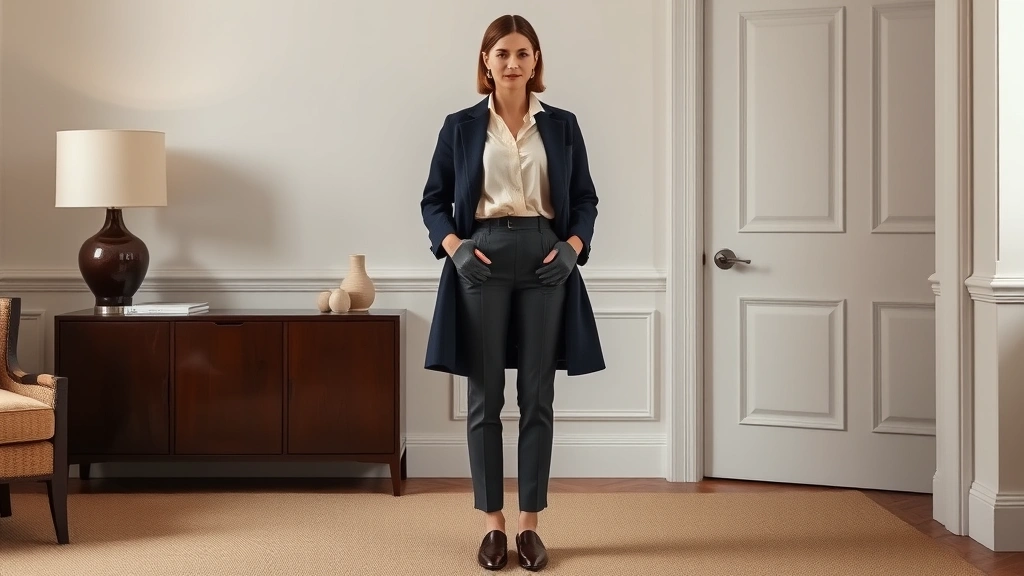
The principle of balance is paramount in classic style. When a garment is fitted at the waist, it traditionally flows either more loosely above or below. A structured jacket might be paired with straight-leg trousers. An A-line skirt, which adds volume at the hip, was traditionally worn with fitted tops. These weren’t mere suggestions—they were rules born from generations of observation about what flatters the human silhouette. Understanding these proportions allows you to find your personal style while maintaining the elegance of classic dressing.
Fashion historians also point to the importance of negative space. Old-fashioned style wasn’t about covering the body entirely or showing everything; it was about strategic revelation and concealment. A well-placed neckline, the length of a hemline, the width of a shoulder seam—all these details were considered carefully to create visual interest without appearing chaotic or overly trendy. This restraint is what gives vintage-inspired pieces their timeless quality.
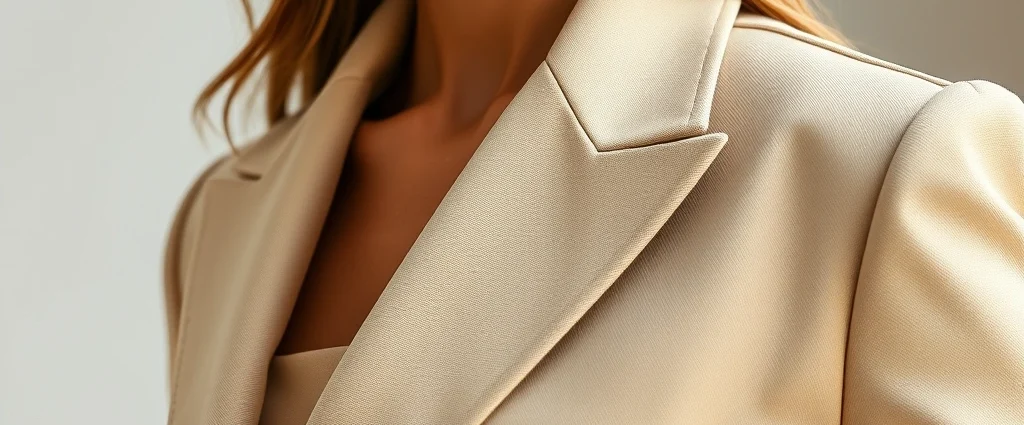
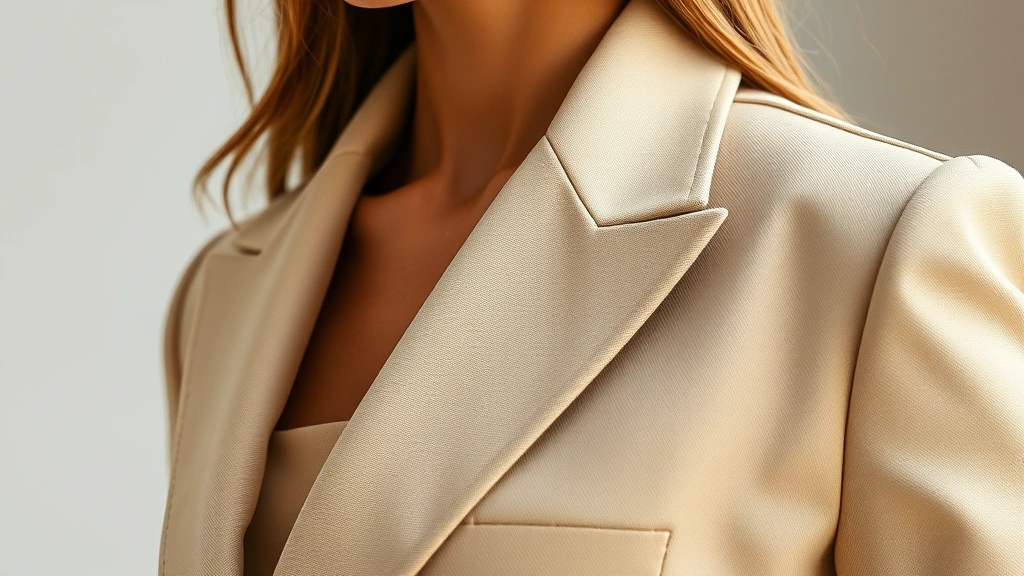
The concept of line is equally crucial. Vertical lines elongate, horizontal lines add width, and diagonal lines create movement and interest. Classic tailoring utilized these principles extensively. A well-cut jacket with proper seaming can create the illusion of better proportions regardless of your actual measurements. This is why investing in types of fashion that prioritize tailoring pays dividends across decades.
Quality Over Quantity in Wardrobe Building
One of the most striking differences between old-fashioned style and contemporary fast fashion is the relationship with clothing itself. Historical fashion required significant investment—garments were expensive, made to last, and carefully maintained. This necessity created a different mindset about consumption and wardrobe building. Fashion historians note that people owned fewer items but wore them more intentionally and for longer periods.
This principle remains extraordinarily relevant today. Building a wardrobe based on quality fundamentals means selecting pieces made from natural fibers that age beautifully, constructed with attention to detail, and designed to transcend seasonal trends. A well-made wool coat from a reputable maker will outlast twenty fast-fashion alternatives and actually improve with age. Silk, linen, wool, and cotton have been the foundations of quality wardrobes for centuries because they’re durable, comfortable, and develop character over time.
The concept of a capsule wardrobe, while modern in terminology, is essentially a return to old-fashioned principles. By selecting a limited color palette of neutral basics and adding carefully chosen accent pieces, you create a cohesive collection where items mix and match effortlessly. This approach eliminates decision fatigue, reduces waste, and ensures that everything you own actually gets worn. Fashion historians studying wardrobes from the 1950s and earlier frequently find that people owned remarkably few garments compared to today’s average, yet they managed to create diverse outfits through strategic mixing.
When you prioritize quality, you’re also supporting better labor practices and environmental sustainability—values that align with how clothing was traditionally produced. Artisanal craftsmanship, small-scale production, and attention to detail were once the norm. Seeking out contemporary brands that maintain these standards connects you to a tradition of responsible fashion consumption that spans generations.
Color Theory and Timeless Palettes
Old-fashioned style operated within distinct color theories that created harmony and sophistication. Rather than the rainbow approach to color that contemporary fashion sometimes encourages, classical style relied on complementary colors, analogous schemes, and strategic use of neutrals. Understanding these principles helps you create outfits that feel intentional and polished rather than random or trendy.
Neutral colors—black, white, gray, navy, beige, and brown—served as the foundation of most classic wardrobes. These aren’t boring; they’re sophisticated anchors that allow other elements to shine. Fashion historians note that in eras before synthetic dyes, achieving certain colors was expensive and time-consuming, which is partly why neutrals dominated. But there’s also an aesthetic reason: neutrals create visual calm and allow for better focus on silhouette, texture, and fit—the true markers of quality dressing.
When color was introduced into old-fashioned outfits, it was often through jewel tones—emerald, sapphire, ruby, amethyst—or earth tones like rust, olive, and mustard. These colors have staying power because they relate to nature and don’t feel artificially bright or dated. They also pair beautifully with neutrals and with each other when following complementary color theory. A navy dress with a rust-colored coat and cream accessories represents classic color harmony that remains elegant decade after decade.
Understanding your personal color palette—the hues that make your skin tone appear vibrant—is an old-fashioned concept that deserves revival. Before modern makeup and filters, people relied on clothing color to enhance their natural coloring. Warm undertones pair beautifully with warm colors and metals, while cool undertones shine with cool colors and silver. This isn’t restrictive; it’s liberating because it means every piece you choose will work harmoniously with your natural coloring, making your entire wardrobe feel cohesive.
The Art of Tailoring and Fit
Perhaps no principle is more central to old-fashioned style than proper fit. In an era before ready-to-wear, most clothing was custom-made or heavily altered to suit the individual wearer. This meant that fit wasn’t an afterthought—it was the entire endeavor. Fashion historians studying garments from previous centuries are consistently amazed by the precision of tailoring and the way garments were shaped to individual bodies.
Understanding proper fit means knowing how garments should sit on your specific frame. A jacket should close comfortably without pulling, with shoulders seams landing at your natural shoulder point. Trousers should break slightly at the shoe without bunching or dragging. Dresses should skim the body without clinging or billowing excessively. These aren’t rigid rules but guidelines that create a foundation of polish and intentionality.
The investment in tailoring is one of the most old-fashioned style tips that remains absolutely relevant. A fifty-dollar dress tailored perfectly will look more expensive and elegant than a five-hundred-dollar dress that doesn’t fit properly. Tailors can adjust inseams, take in waists, adjust shoulder seams, and modify lengths. This service, once standard, is now considered a luxury—but it’s a luxury that pays for itself through improved appearance and garment longevity.
Understanding different types of fashion styles requires recognizing that each style period had distinct silhouettes and proportions. The dropped waistline of the 1920s differs from the nipped waist of the 1950s, which differs from the relaxed fit of the 1990s. Recognizing which silhouettes flatter your body and understanding why certain proportions work creates the foundation for personal style that feels authentic and flattering.
Accessorizing Like a Style Historian
Accessories in old-fashioned style weren’t decorative afterthoughts—they were integral to completing an outfit and conveying sophistication. A simple dress could be transformed through the choice of shoes, belt, bag, and jewelry. Fashion historians note that historical figures often owned fewer garments than we might expect, but their accessory collections were carefully curated and strategic.
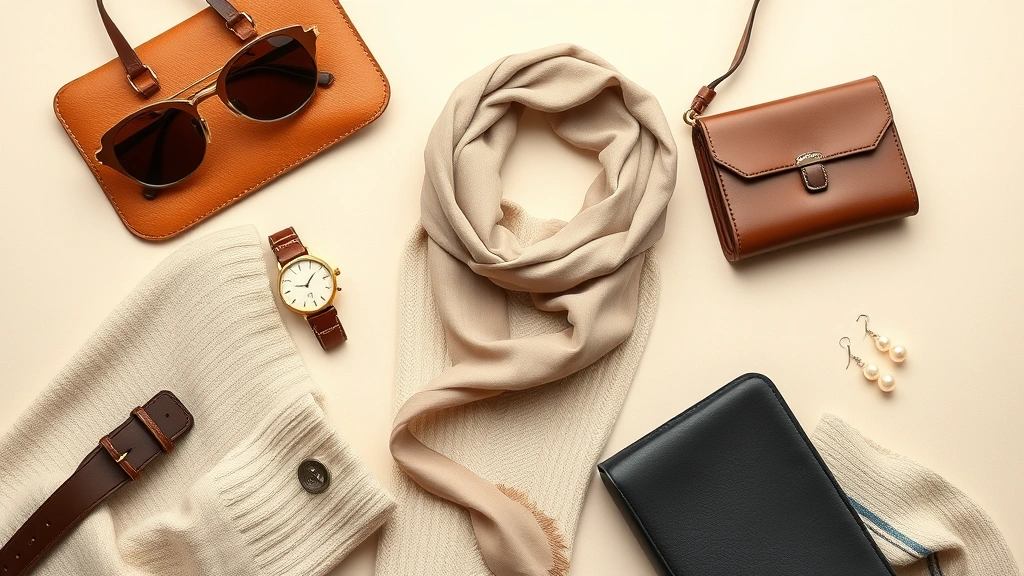
Quality accessories were—and remain—an excellent investment. A well-made leather belt, a classic leather handbag, and timeless shoes in neutral colors can be worn with countless outfits across years or decades. Unlike trend-driven pieces, classic accessories actually improve with age. A leather bag develops patina and character. Quality shoes mold to your feet and become increasingly comfortable. These pieces tell a story of use and care that synthetic alternatives simply cannot.
The principle of restraint applies to accessories as much as to clothing. Old-fashioned style typically involved selecting one or two statement pieces and keeping others minimal. A bold necklace paired with simple earrings. An interesting bag with classic shoes. A patterned scarf with neutral clothing. This approach creates visual interest while maintaining sophistication. The contemporary tendency to layer multiple statement pieces often results in visual chaos rather than elegance.
Jewelry in particular deserves consideration. Classic pieces—a simple gold or silver chain, pearl earrings, a delicate watch, a quality wedding band—transcend trends and work across decades and occasions. These pieces were traditionally passed down through families, which speaks to their timelessness. Investing in quality metals and gemstones means your accessories will remain beautiful and wearable for a lifetime.
Modern Application of Vintage Principles
The beauty of old-fashioned style principles is their universality—they apply regardless of era or trend cycle. Fashion historians working with museums and archives consistently find that garments made with these principles in mind remain relevant and wearable generations later. Applying these principles today doesn’t mean dressing like you stepped out of a historical photograph; it means using time-tested wisdom to create contemporary outfits with lasting appeal.
Mixing vintage or vintage-inspired pieces with contemporary items creates a personal style that feels both current and timeless. A classic wool coat from any era pairs beautifully with modern jeans. A vintage silk blouse works perfectly with contemporary trousers. This blending allows you to incorporate pieces you love while maintaining a modern sensibility. The key is ensuring that proportions and colors work together—old-fashioned principles of balance and harmony remain equally important whether combining pieces from the same era or different ones.
Understanding fashion history also provides context for contemporary trends. When you recognize that certain silhouettes, colors, or styles have cycled through history multiple times, you gain perspective on what’s truly timeless versus what’s temporarily fashionable. This doesn’t mean avoiding trends, but rather choosing which ones to invest in based on how aligned they are with timeless principles. A trend that honors classic proportions and quality construction is worth exploring; one that relies on poor fit and cheap materials is worth skipping.
Contemporary fashion brands increasingly draw inspiration from historical periods, creating modern pieces with vintage sensibility. Fashion Nova dresses and similar contemporary options often incorporate classic silhouettes with modern fabrication. Similarly, exploring StyleLoom Daily Blog provides insights into how historical principles manifest in current fashion conversations. The dialogue between past and present creates exciting possibilities for personal style development.
Building Your Personal Style Foundation
Creating a personal style rooted in old-fashioned principles is fundamentally about understanding yourself—your body, your lifestyle, your values, and your aesthetic preferences. Fashion historians note that historically, people’s wardrobes reflected their lives. A farmer’s wardrobe differed from a city dweller’s, which differed from an aristocrat’s—but within each context, choices were intentional and purposeful.
Begin by assessing your lifestyle honestly. What do you actually do? How do you spend your time? A wardrobe should serve your life, not require you to contort yourself into impractical choices. If you work in a corporate environment, your foundation pieces will differ from someone who works creatively or from home. If you have children or an active lifestyle, durability and practicality become paramount. This isn’t about sacrificing style; it’s about creating style that works for your actual life.
Next, identify your color palette and the colors that make you feel confident and beautiful. Spend time observing which colors people compliment you in, which colors make you feel energized, and which feel authentic to your personality. Once you’ve identified your palette, use it consistently. This creates cohesion across your wardrobe and ensures that pieces work together effortlessly. You’ll find yourself reaching for items more frequently because they all coordinate.
Build a foundation of quality basics in your color palette. These are the neutral pieces—trousers, simple tops, cardigans, blazers—that form the backbone of old-fashioned style. Choose classics that fit your body well and make you feel polished. Then add pieces that reflect your personality and interests. If you love pattern, incorporate it through scarves, shoes, or accessories. If you prefer solids, explore texture through fabrics like linen, corduroy, or knit.
Finally, commit to quality and longevity in your purchases. Before buying anything, ask yourself: Will this last? Do I already own something similar? Does this fit my lifestyle? Does this align with my color palette and style direction? Will I wear this in five years? These questions might reduce the volume of purchases, but they’ll dramatically improve the quality and satisfaction of your wardrobe. This is old-fashioned wisdom applied to modern consumption—fewer items, better quality, greater satisfaction.
FAQ
What does “old-fashioned style” actually mean in contemporary fashion?
Old-fashioned style refers to principles and aesthetics from previous fashion eras—typically the early-to-mid twentieth century—that emphasize quality, timelessness, and intentional design. It’s not about literally dressing like you’re from another era, but rather applying time-tested principles like proper fit, quality construction, classic proportions, and restrained accessorizing to create contemporary outfits with lasting appeal. Fashion historians recognize these principles as universally flattering and functional.
How can I incorporate vintage style without looking costume-like?
The key is balance and proportion. Mixing one or two vintage-inspired pieces with contemporary items keeps the look current. Ensure that silhouettes, colors, and overall proportions feel cohesive rather than eclectic. Vintage shoes with modern jeans and a current top works beautifully. A vintage-style dress paired with contemporary accessories feels fresh. The goal is creating a personal aesthetic that draws from history without being historically accurate.
Is investing in quality clothing really worth the cost?
Absolutely. Quality garments cost more initially but last significantly longer, remain beautiful through more wearings, and often cost less per wear over time. A fifty-dollar fast-fashion item worn twice costs twenty-five dollars per wear. A two-hundred-dollar quality piece worn hundreds of times costs less than a dollar per wear. Additionally, quality clothing typically fits better, feels more comfortable, and makes you feel more confident—benefits that extend far beyond the monetary investment.
How do I find my personal color palette?
Professional color analysis is one option, but you can also experiment at home. Try holding different colored fabrics near your face and observe how your skin tone, eyes, and hair appear. Warm undertones typically look best in warm colors like gold, rust, olive, and warm reds. Cool undertones shine in cool colors like silver, jewel tones, cool reds, and cool grays. Notice which colors receive compliments and which make you feel vibrant. Your palette doesn’t need to be restrictive—it’s simply a guide for choices that make you look and feel your best.
Where can I find quality pieces that align with old-fashioned style principles?
Vintage and secondhand shops, contemporary brands that emphasize quality and timeless design, and investment pieces from established designers all offer options. Thrift stores frequently have quality vintage pieces at affordable prices. Contemporary brands increasingly create pieces with classic proportions and quality construction. Don’t overlook your own closet—pieces you already own might align with these principles better than you realize. The goal is building intentionally rather than constantly purchasing.