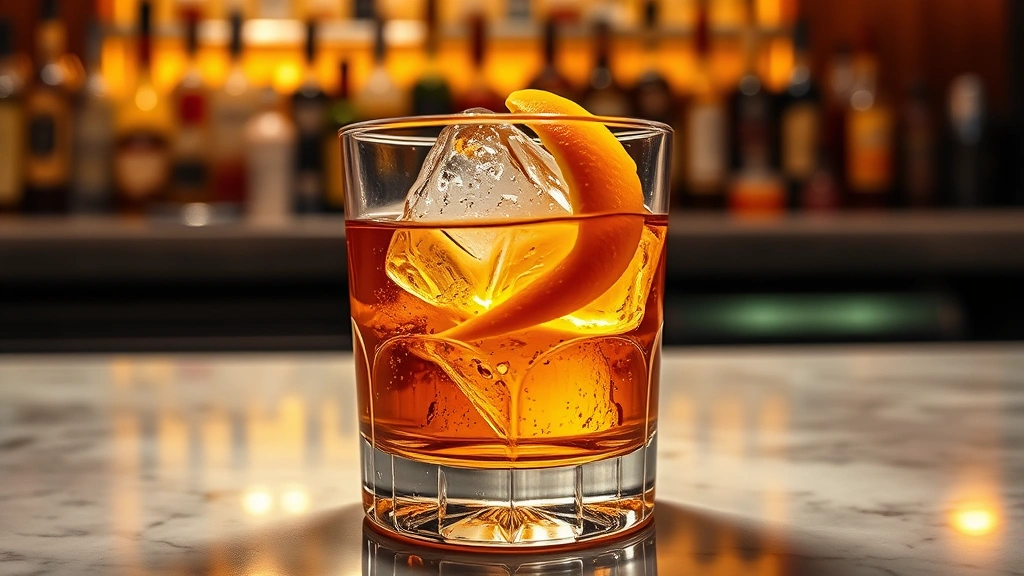
Which Glass for Old Fashioned Cocktails? Expert Picks
The old fashioned cocktail is more than just a drink—it’s a statement of sophistication, timelessness, and refined taste. Whether you’re a seasoned mixologist or an enthusiast exploring classic cocktail culture, understanding the right glassware elevates your experience from ordinary to extraordinary. The vessel you choose doesn’t merely hold your drink; it defines the entire sensory experience, from visual appeal to how the spirit touches your lips. This guide explores everything you need to know about selecting the perfect old fashioned cocktail glass, informed by industry experts and style-conscious bartenders who understand that presentation matters as much as the pour.
Choosing the appropriate old fashioned cocktail glass involves understanding the drink’s history, the glassware’s functional properties, and how aesthetics intersect with practicality. From crystal cut rocks glasses to contemporary alternatives, we’ll navigate the world of old fashioned glasses with expert recommendations that align with both classic tradition and modern style sensibilities.
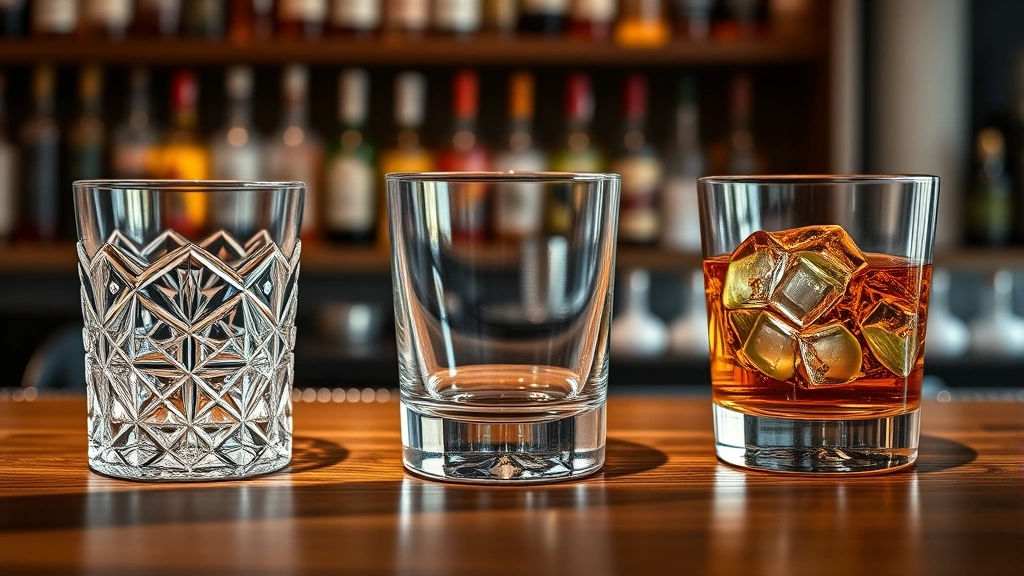
Understanding the Classic Old Fashioned Glass
The old fashioned is a cocktail steeped in American heritage, dating back to the 1880s at the Pendennis Club in Louisville, Kentucky. This whiskey-forward drink demands a specific type of glassware that honors its legacy while serving practical purposes. The glass must be sturdy enough to accommodate muddled ingredients, substantial enough to feel weighty in your hand, and elegant enough to convey the drink’s prestigious status.
When exploring fashion and style in the context of home entertaining, your glassware selection reflects your personal aesthetic. Just as finding your personal style involves intentional choices, selecting the right old fashioned glass requires thoughtfulness. The glass becomes part of your entertaining identity, communicating sophistication to guests and setting the tone for your home bar experience.
The traditional old fashioned glass features a wide, sturdy bowl with a thick base—designed to withstand the vigorous muddling process and accommodate large ice cubes that have become synonymous with this drink. The glass’s shape allows aromas to concentrate near the nose while the broad rim permits easy sipping without obstruction. Understanding these functional elements helps you appreciate why certain glasses work better than others.
The Rocks Glass: Industry Standard
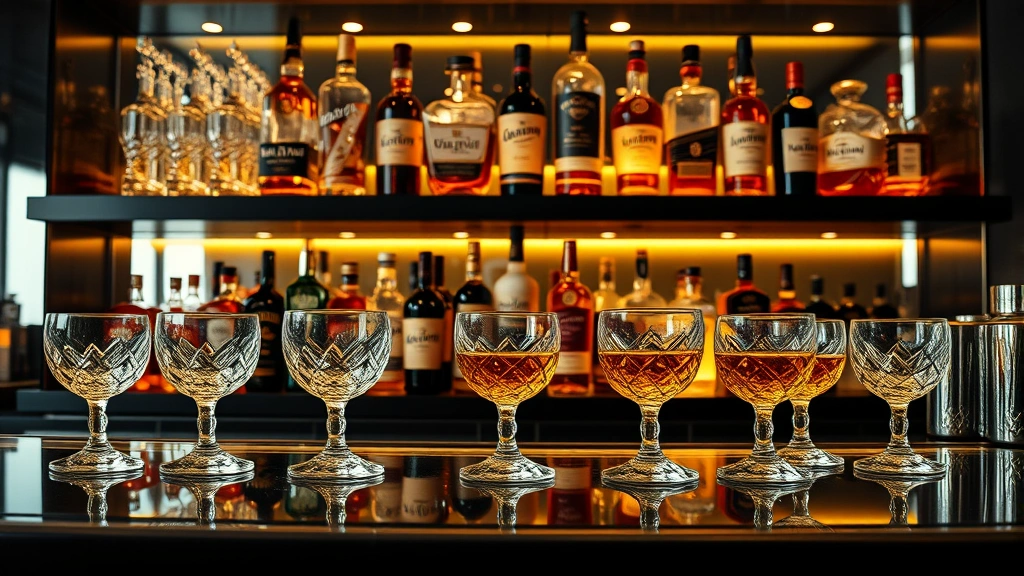
The rocks glass, also called a lowball or whiskey glass, represents the gold standard for old fashioned cocktails. This short, sturdy tumbler typically holds 6-8 ounces and features a thick base that prevents tipping while accommodating ice and spirit proportions perfectly. Bartenders worldwide recognize the rocks glass as the definitive choice for this classic drink.
What makes the rocks glass exceptional is its versatility combined with its specialized functionality. The wide opening allows bartenders to muddle sugar and bitters efficiently, while the substantial weight communicates quality and permanence. When you hold a well-crafted rocks glass, you immediately sense its purpose—this is a glass designed for serious spirits, not casual consumption. Style Loom Daily Blog celebrates how such intentional design choices enhance everyday experiences.
The rocks glass dimensions matter considerably. A proper old fashioned glass typically measures 3.5 to 4 inches in height, with a diameter of approximately 3 inches. This proportional relationship creates visual harmony and ensures the drink maintains proper temperature while allowing adequate space for ice and garnish. Deeper glasses may accommodate more volume but can appear disproportionate and less elegant.
Professional bartenders prefer rocks glasses with a slight taper—wider at the rim, slightly narrower at the base—which enhances grip comfort and visual appeal. This subtle design element, often overlooked by casual drinkers, significantly impacts the overall experience. The taper creates a more refined silhouette while improving functionality.
Crystal vs. Glassware: Material Matters
The distinction between crystal and standard glassware represents one of the most important decisions when selecting your old fashioned cocktail glass. Crystal, typically containing lead oxide, offers superior clarity, weight, and acoustic properties. When you clink a crystal glass, it produces a distinctive resonant tone that signals quality. Lead crystal glasses also refract light beautifully, creating subtle sparkles that enhance the drink’s visual presentation.
However, the crystal versus glass debate extends beyond mere aesthetics. Crystal exhibits superior durability and maintains clarity longer, resisting cloudiness from repeated washing. The material’s density allows for thinner walls without sacrificing strength, creating a more elegant profile. When you sip from a crystal old fashioned glass, the thinner rim feels more refined against your lips compared to standard glass alternatives.
Conversely, standard borosilicate glass offers practical advantages for everyday use. It’s more affordable, dishwasher-safe without risk of damage, and less prone to chipping. For those building a home bar on a budget or prioritizing functionality over luxury, quality borosilicate glasses deliver excellent performance. Vogue often features entertaining spaces that balance sophistication with practicality, recognizing that style doesn’t require unlimited budgets.
The choice between crystal and glass ultimately reflects your entertaining philosophy. Crystal suits formal gatherings and special occasions, conveying elegance and intention. Standard glass works beautifully for casual entertaining and daily use. Many style-conscious hosts maintain both options, selecting based on the occasion’s formality level.
Consider lead-free crystal as a middle-ground option. Modern lead-free crystal combines many advantages of traditional crystal—superior clarity, weight, and acoustic properties—while eliminating health concerns associated with lead. Brands now produce exceptional lead-free crystal that rivals traditional options in appearance and feel.
Size and Capacity Considerations
The old fashioned cocktail traditionally contains 2 ounces of whiskey, making a 6-8 ounce glass the optimal choice. This capacity provides adequate room for the spirit, bitters, sugar, water, and one large ice cube or several smaller ones without appearing sparse or overcrowded. Oversized glasses make the drink appear diminished, while undersized glasses risk spillage during muddling and serving.
Professional bartenders recognize that glass size communicates portion intention. A properly proportioned rocks glass tells your guests exactly what to expect—a concentrated, spirit-forward drink meant for sipping and savoring, not gulping. This visual communication enhances the entire experience before the first taste.
Contemporary trends show increasing popularity for larger rocks glasses, particularly 10-ounce variants that accommodate more ice and extended sipping sessions. These bigger glasses suit modern entertaining styles where guests may nurse a single cocktail throughout an evening. However, traditionalists argue that larger glasses dilute the drink’s intended intensity and elegance.
The height-to-width ratio significantly impacts both aesthetics and function. A glass that’s too tall appears spindly and unstable, while one that’s too wide seems squat and ungainly. The ideal rocks glass maintains balanced proportions that feel natural in your hand and look elegant on any surface. This attention to proportion reflects the same attention to proportion in different types of fashion styles that creates visual harmony in personal presentation.
Design Elements That Elevate Your Drink
Beyond basic functionality, design elements transform an ordinary glass into a statement piece. Cut crystal patterns—from simple geometric designs to elaborate Art Deco motifs—add visual interest and refract light beautifully. These patterns serve practical purposes too, improving grip and preventing slipping when holding a cold glass with condensation.
The base design warrants particular attention. A thick, substantial base communicates quality while improving stability and insulation properties. Weighted bases keep glasses from tipping, crucial when entertaining guests who may set drinks down carelessly. Some premium glasses feature specially designed bases that create subtle visual effects when light passes through them.
Contemporary design trends favor minimalist glasses with clean lines, while traditional enthusiasts prefer glasses featuring vintage-inspired patterns or textures. Your choice should align with your overall entertaining aesthetic and home design philosophy. A fashion forward approach to home entertaining might embrace modern geometric designs, while classic preferences lean toward timeless cut crystal patterns.
Rim treatments also matter significantly. Some glasses feature polished rims that feel smooth and refined, while others have textured rims that provide better grip. Certain premium options include slightly beveled or rounded rims that enhance the drinking experience by directing liquid smoothly into your mouth. These subtle details distinguish exceptional glasses from merely adequate ones.
Color considerations extend beyond clear crystal. Subtle amber, smoky, or rose-tinted glasses add sophistication while complementing whiskey’s golden hues. However, clear glasses remain the standard choice, allowing the spirit’s true color to shine through without distortion. If you prefer colored glasses, ensure the tint enhances rather than obscures the drink’s visual appeal.
Expert-Recommended Brands and Collections
Industry experts consistently recommend several brands for old fashioned cocktail glasses. Riedel, an Austrian glassmaker with centuries of expertise, produces exceptional rocks glasses engineered specifically for spirits. Their Drink Specific Glassware line includes glasses designed to optimize aroma concentration and flavor perception for whiskey-based cocktails.
Riedel’s spirits glasses represent the pinnacle of functional design combined with aesthetic excellence. Each glass is engineered to enhance the specific characteristics of your chosen spirit, with bowl shapes and rim designs that concentrate aromas while directing liquid to optimal taste receptors. For serious enthusiasts, investing in Riedel glasses demonstrates commitment to the craft.
Waterford, the renowned Irish crystal manufacturer, produces stunning old fashioned glasses featuring traditional cut patterns that evoke timeless elegance. Their collections balance heritage craftsmanship with contemporary design sensibilities. Waterford glasses work beautifully for formal entertaining and special occasions, conveying sophistication through their weighty presence and brilliant clarity.
For those seeking affordable excellence, Libbey offers professional-quality rocks glasses used in bars worldwide. These durable borosilicate glasses withstand heavy use while maintaining clarity and structural integrity. Libbey’s Rocks Glass is the industry workhorse—practical, reliable, and elegant enough for home entertaining.
Baccarat, the French luxury crystal house, creates exquisite old fashioned glasses that function as both drinkware and art objects. Their collections feature intricate designs and exceptional craftsmanship, though they command premium prices reflecting their prestige and quality. Baccarat glasses suit collectors and those for whom glassware represents investment pieces.
Contemporary designers like Normann Copenhagen and Ichendorf offer modern interpretations of the rocks glass, featuring innovative shapes and artistic designs that appeal to style-conscious hosts. These glasses prioritize aesthetic impact without sacrificing functionality, perfect for those seeking conversation-starting pieces.
Styling Your Home Bar Aesthetic
Your old fashioned cocktail glass selection should harmonize with your overall home bar aesthetic. Consider whether you’re creating a classic, vintage-inspired space or embracing contemporary design. Your glassware choices communicate your entertaining philosophy to guests before they taste a single sip.
For classic aesthetics, invest in quality cut crystal glasses with traditional patterns. Display them in open shelving where their brilliance catches light and creates visual drama. Pair them with vintage bar tools, aged wood surfaces, and warm lighting to create an atmosphere evoking sophisticated speakeasies or distinguished gentleman’s clubs.
Modern entertaining spaces benefit from minimalist glasses with clean lines and subtle details. Clear crystal or borosilicate glasses without excessive ornamentation suit contemporary interiors, allowing other design elements to shine. Arrange them on floating shelves or in sleek bar carts that emphasize form and function.
Transitional styles—blending traditional and contemporary elements—work beautifully with versatile rocks glasses that transcend specific design eras. Mid-century modern glasses with subtle geometric patterns or tapered silhouettes complement many design philosophies while maintaining timeless appeal.
Lighting dramatically impacts how your glassware appears. Warm, ambient lighting creates inviting atmosphere and highlights the golden tones in whiskey while adding warmth to crystal. Cooler, brighter lighting emphasizes clarity and detail in cut patterns. Consider your home’s existing lighting when selecting glasses, ensuring they’ll appear beautiful in your actual entertaining environment.
The complete bar experience extends beyond individual glasses. Coordinate your old fashioned glasses with complementary glassware for other cocktails—highball glasses for whiskey and sodas, coupes for stirred cocktails, mixing glasses for preparation. A cohesive glassware collection creates professional presentation while allowing versatility in your entertaining options.
Care and Maintenance for Longevity
Proper care ensures your old fashioned cocktail glasses remain beautiful for years, protecting your investment and maintaining their functional excellence. Crystal and quality glass require specific handling to prevent damage and maintain clarity.
Hand washing is generally recommended for fine crystal, particularly lead crystal, to prevent thermal shock that can cause cracking. Use warm water, gentle dish soap, and soft cloths, avoiding abrasive sponges that scratch surfaces. For stubborn residue, soak glasses briefly rather than scrubbing vigorously. Pat dry with lint-free cloths to prevent water spots and streaking.
Modern borosilicate glasses typically tolerate dishwashers, though hand washing extends their lifespan and maintains clarity. If using a dishwasher, place glasses in the upper rack away from heating elements and use gentle cycles. Avoid commercial dishwashing detergents that may cause cloudiness over time; specialty glass-cleaning products work better for regular maintenance.
Storage matters significantly for glassware longevity. Store rocks glasses upright on soft surfaces, never stacking them directly on each other as this risks chipping and scratching. Dedicated glass storage areas with protective padding prevent accidental damage. Some enthusiasts use silicone shelf liners to cushion glasses and absorb vibration.
Address cloudiness promptly, as it indicates mineral deposits or etching. Soak affected glasses in white vinegar for several hours, then wash thoroughly with soft cloths. Regular maintenance prevents cloudiness from becoming permanent etching that compromises clarity.
Prevent chips and cracks by handling glasses carefully, particularly when rinsing or drying. Support glasses from the base rather than the rim, and avoid sudden temperature changes that stress the material. When muddling, use gentle pressure with wooden bar spoons rather than aggressive crushing that risks glass damage.
Seasonal deep cleaning maintains your glassware’s brilliance. Polish glasses with specialized crystal-cleaning solutions and soft cloths, buffing gently to remove residual water spots and restore sparkle. This maintenance ritual, though simple, dramatically enhances how your glassware appears during entertaining.
FAQ
What size old fashioned cocktail glass should I buy?
The ideal old fashioned glass holds 6-8 ounces, providing adequate space for the spirit, bitters, sugar, water, and ice without appearing sparse. This size maintains proper drink proportions while looking elegant and balanced. Larger 10-ounce glasses suit contemporary entertaining styles, while smaller glasses suit those who prefer concentrated drinks.
Is crystal or glass better for old fashioned glasses?
Crystal offers superior clarity, weight, and acoustic properties, making it ideal for special occasions and formal entertaining. Standard borosilicate glass provides excellent functionality at lower cost, perfect for everyday use. Lead-free crystal represents a middle option combining advantages of both. Your choice depends on budget, entertaining frequency, and personal preference.
Can I put old fashioned glasses in the dishwasher?
Borosilicate glasses typically tolerate dishwashers, though hand washing extends lifespan. Crystal, particularly lead crystal, should be hand washed to prevent thermal shock. Always check manufacturer recommendations for your specific glasses before dishwashing.
What makes a rocks glass different from other drinking glasses?
Rocks glasses feature thick bases, wide bowls, and sturdy construction designed specifically for spirits and muddled cocktails. Their proportions and weight communicate the drink’s significance while providing practical functionality for preparation and consumption. This specialization distinguishes them from general-purpose drinking glasses.
How do I prevent my crystal glasses from becoming cloudy?
Cloudiness results from mineral deposits or etching. Prevent it by hand washing with soft cloths, using filtered water for rinsing, and storing in dry environments. Address cloudiness promptly by soaking in white vinegar. Regular polishing with crystal-cleaning solutions maintains brilliance and prevents permanent etching.
What brands do professional bartenders recommend?
Riedel, Waterford, Libbey, and Baccarat represent industry-trusted brands. Riedel offers scientifically engineered glasses optimizing spirit appreciation. Waterford provides traditional crystal elegance. Libbey delivers professional-quality glasses at accessible prices. Baccarat creates luxury pieces for collectors. Contemporary designers like Normann Copenhagen offer modern alternatives.
Should my old fashioned glasses match my other bar glassware?
Coordination creates professional presentation, though exact matching isn’t necessary. Complementary styles—sharing design language or era without being identical—work beautifully. Consider your overall aesthetic and choose glassware that harmonizes while allowing each type to maintain its distinct identity.