How to Wear Vintage? Fashion Expert Advice
Vintage fashion has transcended its niche status to become a dominant force in contemporary style. Whether you’re drawn to the elegance of 1950s silhouettes, the rebellious spirit of 1970s bohemia, or the minimalist chic of 1990s aesthetics, vintage pieces offer a unique way to express individuality and sustainability. The art of wearing vintage isn’t merely about throwing on old clothes—it’s about understanding the narrative behind each piece and integrating it seamlessly into your modern wardrobe.
Fashion experts across the industry agree that vintage styling requires finesse, intentionality, and a deep appreciation for fashion history. Unlike fast fashion, which prioritizes trends and disposability, vintage fashion celebrates craftsmanship, timelessness, and authentic self-expression. When you wear vintage, you’re not just following trends; you’re curating a personal style story that reflects your values and aesthetic sensibilities.
This comprehensive guide draws insights from leading fashion institutions and style authorities to help you master the art of vintage fashion. From understanding different eras to mixing vintage with contemporary pieces, we’ll explore everything you need to know about building a vintage-inspired wardrobe that feels both authentic and effortlessly chic.
Understanding Vintage Fashion Eras
The first step in mastering vintage fashion is understanding the distinct characteristics of different decades. Each era carries its own design language, silhouettes, and cultural significance. The 1920s brought us flapper dresses and the liberation of women’s fashion from restrictive corsets. The 1940s introduced structured power shoulders and practical wartime aesthetics. The 1950s celebrated femininity through full skirts and cinched waists, while the 1960s brought revolutionary mini skirts and mod aesthetics.
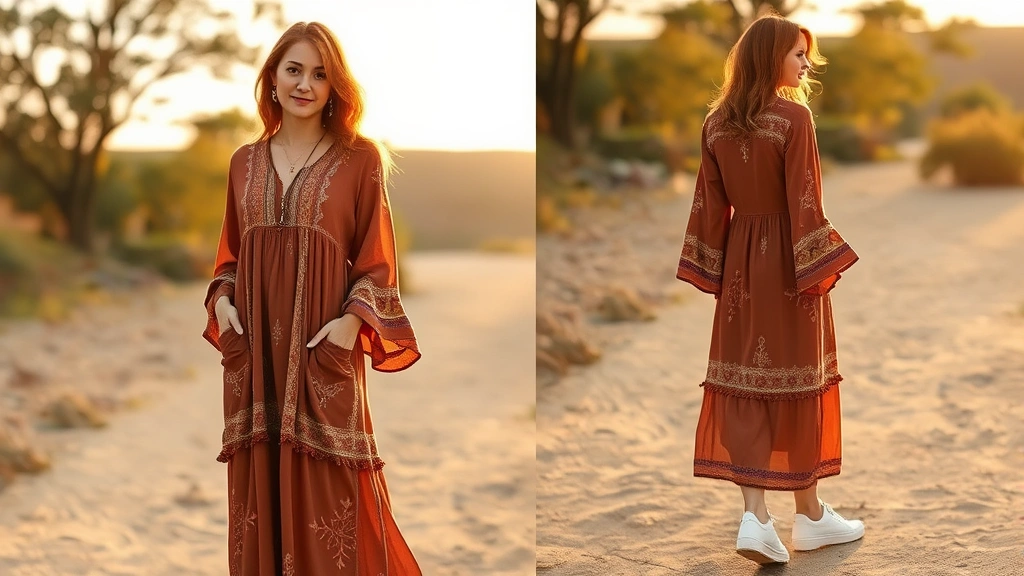
The 1970s embraced bohemian sensibilities, disco glamour, and earth tones, while the 1980s delivered bold shoulders, bright colors, and statement-making pieces. The 1990s fashion movement introduced minimalism, grunge aesthetics, and the beginning of logomania. Understanding these eras helps you identify pieces and understand how to style them authentically.
Fashion historian Vogue Magazine emphasizes that knowing the historical context of a garment deepens your appreciation and styling choices. When you understand that a high-waisted trouser from the 1980s represents power dressing ideology, you can style it with intentionality that honors its origins while making it contemporary.
Different eras also reveal different construction techniques and fabric choices. Vintage pieces from the 1950s often feature superior seaming and lining quality compared to modern fast fashion. The 1970s prioritized natural fabrics like linen and cotton, while the 1980s experimented with synthetic blends. These details matter when assessing quality and determining how a piece will perform in your wardrobe.
How to Assess Quality and Authenticity
Not all vintage pieces are created equal. Learning to distinguish genuine vintage from reproductions or lower-quality items is essential for building a curated collection. Authentic vintage pieces demonstrate superior craftsmanship that distinguishes them from contemporary fast fashion. Look for hand-stitched seams, reinforced hems, and quality linings that suggest the garment was built to last.
Examine fabric content carefully. Genuine vintage pieces often feature natural fibers like silk, wool, linen, and cotton, though synthetics became more common in the 1970s and 1980s. Check labels for designer names and manufacturing information. Original tags, though sometimes faded or damaged, add authenticity and value. The weight and drape of vintage fabrics typically feels substantially different from modern materials.
Assess the overall condition before purchasing. Minor wear, small stains, or slight fading are expected in vintage pieces and often add character. However, structural damage like broken zippers, torn seams, or irreparable stains should be considered based on your repair capabilities and budget. Understanding how to find your personal style includes knowing which imperfections you’re willing to embrace.
Price points often indicate authenticity. Designer vintage pieces command higher prices for good reason—they represent genuine craftsmanship and desirability. Be wary of suspiciously cheap “vintage” items that lack proper labeling or show signs of modern manufacturing. Research the designer, era, and typical pricing to make informed decisions.
Styling Vintage Pieces for Modern Life
The magic of vintage styling lies in bridging the gap between historical authenticity and contemporary relevance. Expert stylists recommend starting with statement pieces—a vintage leather jacket, an iconic dress, or distinctive shoes—and building outfits around them. This approach ensures your vintage items feel intentional rather than costume-like.
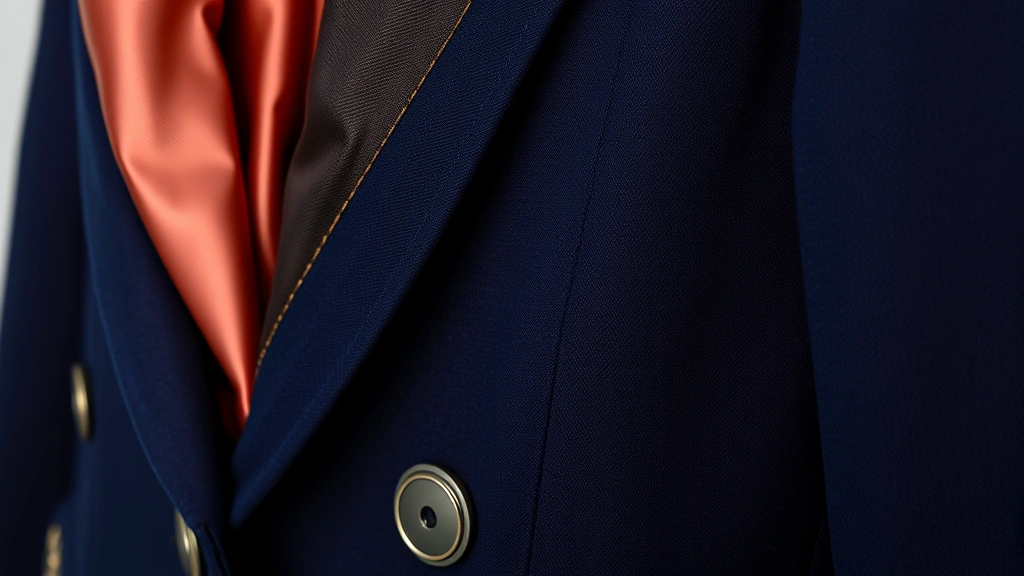
Balance is crucial when incorporating vintage into modern wardrobes. Pair a 1950s full-skirt dress with contemporary sneakers or ankle boots for a look that’s vintage-inspired but current. Combine a structured 1980s blazer with modern skinny jeans and minimal accessories for effortless sophistication. The key is mixing eras and styles to create something uniquely yours.
Consider the occasion and lifestyle when styling vintage pieces. A delicate 1940s slip dress works beautifully for evening occasions, while a practical 1970s denim jacket suits casual everyday wear. Contemporary fashion collections offer excellent templates for understanding how to modernize vintage silhouettes. Look at how current designers reinterpret vintage elements and apply those principles to your styling.
Proportions matter significantly in vintage styling. If you’re wearing a voluminous vintage skirt, pair it with a fitted top. If you opt for a loose, oversized vintage blouse, balance it with fitted bottoms. This creates visual harmony and prevents outfits from feeling dated or costume-like. Modern styling principles apply regardless of garment age.
Accessories play a pivotal role in modernizing vintage pieces. Swap vintage accessories for contemporary ones to immediately update the overall aesthetic. A 1960s dress styled with modern jewelry and a current handbag feels fresh and intentional. Conversely, vintage accessories can elevate contemporary outfits, adding character and uniqueness.
Mixing Vintage with Contemporary Fashion
The most compelling vintage styling comes from mixing pieces across decades and combining vintage with contemporary items. This approach prevents looking like you’ve stepped directly out of a specific era while allowing you to celebrate the pieces you love. Fashion designers increasingly blend vintage references with modern sensibilities, creating inspiration for personal styling.
When mixing eras, consider color palettes and overall aesthetic cohesion. A 1970s bohemian dress pairs beautifully with modern minimal accessories and contemporary footwear. A structured 1980s blazer works with modern tailored trousers and updated jewelry. The combination should feel intentional, as though you’re making a style statement rather than accidentally clashing decades.
Texture mixing adds depth and interest to vintage-contemporary combinations. Pair a delicate vintage lace blouse with modern denim, or combine a structured vintage wool coat with contemporary silk pants. These contrasts create visual interest and demonstrate sophisticated styling awareness.
Contemporary basics serve as excellent foundations for showcasing vintage statement pieces. Simple white t-shirts, neutral jeans, minimal slip dresses, and classic sweaters allow vintage pieces to shine without competing for attention. This approach makes vintage styling accessible and wearable for daily life rather than reserved for special occasions.
Where to Shop for Authentic Vintage
Finding quality vintage pieces requires knowing where to look. Established vintage boutiques curate collections with attention to authenticity and condition, though prices reflect this expertise. Online platforms dedicated to vintage fashion offer broader selections and competitive pricing, though you must carefully review descriptions and images.
Thrift stores and consignment shops provide budget-friendly options for building vintage collections. These venues require more patience and discerning eyes, as quality varies significantly, but the thrill of discovery and exceptional value make them worthwhile. Develop relationships with shop owners who can alert you to incoming pieces matching your style preferences.
Vintage fairs and markets offer opportunities to browse multiple vendors, examine pieces in person, and often negotiate prices. These events create community among vintage enthusiasts and provide educational experiences about fashion history and styling.
Online communities and social media have revolutionized vintage shopping. Follow vintage dealers, join fashion communities, and engage with fashion icons and style influencers who share vintage styling inspiration. Many dealers operate through Instagram and specialized platforms, offering curated selections and detailed descriptions.
When shopping online, prioritize sellers with excellent reviews and clear return policies. Request additional photos, ask about measurements, and inquire about condition details. Building relationships with trusted sellers ensures better experiences and access to quality pieces.
Care and Maintenance of Vintage Garments
Proper care extends the life of vintage pieces and preserves their integrity for years to come. Vintage fabrics often require gentler handling than modern materials. Hand-washing delicate pieces in cool water with mild detergent prevents damage and color fading. Always check fiber content and construction before washing.
Storage significantly impacts vintage garment longevity. Use acid-free tissue paper to wrap delicate items, and store in cool, dry environments away from direct sunlight. Avoid plastic hangers that can damage shoulders; instead, use padded hangers for structured pieces. For items prone to wrinkles, fold and store flat with tissue paper between layers.
Professional dry cleaning should be reserved for pieces requiring professional attention. Many dry cleaners offer specialized vintage garment care, though this adds expense. For regular maintenance, gentle hand-washing and careful storage often suffice. Always test cleaning solutions on inconspicuous areas first.
Address stains and damage promptly. Minor repairs like reinforcing seams or replacing buttons prevent small issues from becoming major problems. For significant damage, consult professional vintage garment restorers who understand historical construction techniques and appropriate materials.
Moth prevention is essential for vintage collections. Cedar blocks, lavender sachets, and proper storage conditions protect against insect damage. Never store vintage pieces in plastic, which traps moisture and encourages mold growth. Breathable cotton garment bags offer better protection while allowing air circulation.

Building Your Vintage Personal Style
Developing a cohesive vintage personal style requires understanding your aesthetic preferences and body type. Begin by exploring which eras resonate with you emotionally and aesthetically. Do you love the structured femininity of the 1950s? The bohemian freedom of the 1970s? The minimalist elegance of the 1990s? Your preferences will guide your vintage shopping and styling choices.
Understanding how to develop your personal style involves experimenting with different silhouettes and eras to discover what makes you feel confident and authentic. Try pieces from various decades and notice which ones align with your lifestyle, body shape, and aesthetic sensibilities. This experimentation builds knowledge and intuition.
Consider your lifestyle when building a vintage wardrobe. If you work in a corporate environment, focus on tailored pieces from the 1980s and 1990s that translate to professional settings. If you prefer casual lifestyles, 1970s and 1990s pieces offer relaxed alternatives. Align your vintage collection with how you actually live.
Create a cohesive color palette across your vintage pieces. This doesn’t mean everything matches, but rather that colors work harmoniously together. Many people find success building around neutrals—blacks, whites, grays, taupes—and adding color through accessories or statement pieces. Others prefer distinctive color palettes like earth tones or jewel tones.
Quality over quantity applies powerfully to vintage collecting. A few exceptional pieces that you genuinely love and wear regularly provides more value than a closet full of mediocre items. Invest in well-constructed pieces from respected designers and eras known for durability and timeless appeal.
Studying Harper’s Bazaar and other fashion publications reveals how contemporary stylists approach vintage integration. Fashion designers regularly reference vintage elements in their collections, providing inspiration for how to modernize historical pieces. Use these resources as styling guides while developing your unique approach.
Building a vintage wardrobe is an ongoing journey rather than a destination. As your style evolves and your collection grows, you’ll develop deeper knowledge about construction, era-specific details, and styling principles. Embrace the learning process and celebrate the unique style you’re creating.
The Fashion Institute of Technology emphasizes that understanding fashion history directly improves personal styling abilities. When you know the context, construction, and cultural significance of vintage pieces, you style them with greater intentionality and sophistication. This knowledge transforms you from simply wearing old clothes to confidently curating a vintage-inspired wardrobe.
FAQ
What’s the difference between vintage and retro fashion?
Vintage refers to authentic garments from previous decades, typically at least 20-30 years old, with original construction and materials. Retro describes contemporary pieces inspired by past fashion styles. Vintage pieces have historical authenticity and original craftsmanship, while retro items are modern reproductions of vintage aesthetics.
How do I know if vintage clothing will fit my body type?
Vintage sizing differs significantly from modern sizing. Always check measurements rather than relying on labeled sizes. Different eras prioritized different silhouettes—1950s dresses emphasized curvy figures, while 1970s pieces were often more relaxed. Understanding which eras flatter your body type helps guide your shopping and styling choices.
Can I wear vintage pieces to professional settings?
Absolutely. Vintage pieces from the 1980s and 1990s often translate beautifully to professional environments. Tailored blazers, structured dresses, and classic trousers work perfectly in corporate settings when styled appropriately. Ensure pieces are well-maintained and pair them with contemporary accessories for a polished, current appearance.
How much should I spend on vintage pieces?
Vintage pricing varies dramatically based on designer, condition, era, and rarity. Budget thrift store finds range from $5-$30, while designer vintage pieces command $50-$500+. Determine your budget based on the piece’s quality, how often you’ll wear it, and its importance to your wardrobe. Invest more in statement pieces you’ll wear frequently.
What should I avoid when styling vintage?
Avoid wearing complete outfits from a single era, which can appear costume-like. Don’t neglect grooming and modern grooming practices when wearing vintage—updated hair, makeup, and nails keep vintage pieces feeling current. Avoid wearing damaged or stained pieces without purpose; condition matters. Don’t force pieces that don’t fit properly; vintage tailoring is an investment worth making.
How do I start building a vintage wardrobe on a budget?
Begin with thrift stores and consignment shops where prices are lower. Focus on classic, timeless pieces rather than trend-specific items. Start with basics like jeans, t-shirts, and jackets, then add statement pieces gradually. Shop intentionally rather than impulsively, ensuring each piece aligns with your personal style and existing wardrobe.
Are vintage pieces sustainable fashion choices?
Yes. Vintage fashion represents the ultimate sustainable choice by extending garment lifecycles and reducing demand for new production. Wearing vintage eliminates the environmental impact of manufacturing new clothing and supports circular fashion economics. This sustainability aspect appeals to many modern consumers seeking ethical fashion alternatives.
Where can I learn more about fashion design history to better understand vintage pieces?
Fashion institutions, museums, and online courses provide comprehensive fashion history education. The Metropolitan Museum of Art, the Fashion Institute of Technology, and major fashion museums offer exhibitions and educational resources. Fashion history books, documentaries, and podcasts also provide accessible learning opportunities that deepen appreciation for vintage pieces.