Are Old-Fashioned Styles Back? Expert Insights on Vintage Fashion Revival
The fashion world operates in mysterious cycles, and we’re witnessing an undeniable resurgence of old-fashioned styles that captivates designers, influencers, and everyday fashion enthusiasts alike. What was once relegated to thrift stores and grandmother’s closets has become the epitome of cool, commanding runways and dominating social media feeds. This isn’t merely nostalgia—it’s a deliberate, intentional movement toward authenticity, sustainability, and timeless elegance that challenges the fast-fashion paradigm.
Fashion experts across the globe are unanimous in their observations: vintage aesthetics are experiencing a profound comeback. From Victorian corsetry to 1970s bohemian silhouettes, from 1950s polka dots to early 2000s minimalism, the cyclical nature of fashion ensures that what was old becomes new again. But this revival goes deeper than surface-level aesthetics. It represents a cultural shift toward valuing quality over quantity, craftsmanship over mass production, and individual expression over algorithmic trends.
Understanding this phenomenon requires examining why old-fashioned styles resonate so powerfully with contemporary audiences and how modern fashion houses are reinterpreting vintage elements for today’s consumers.
The Science Behind Fashion Cycles
Fashion historians and trend forecasters have long documented the cyclical nature of style, typically observing a 20-30 year rotation where trends from previous decades resurface with fresh interpretations. According to Vogue’s trend analysis, this cycle reflects generational nostalgia combined with the human desire for novelty. Each generation discovers the fashion of their parents’ youth and reimagines it through their contemporary lens, creating something entirely new while honoring the original aesthetic.
The resurgence of old-fashioned styles isn’t random; it’s driven by psychological factors, cultural movements, and economic conditions. During periods of uncertainty, consumers gravitate toward the familiar comfort of vintage styles. The craftsmanship evident in garments from previous eras appeals to those seeking quality and longevity—qualities increasingly rare in disposable fashion. When you find your personal style, you often discover that timeless pieces form its foundation.
Fashion theorists note that old-fashioned aesthetics offer a rebellion against the transient nature of contemporary trends. In an era of rapid consumption and digital saturation, vintage styles represent authenticity and permanence. They carry history, narrative, and character that new garments struggle to replicate.
Vintage Aesthetics Dominating Modern Runways
Contemporary fashion houses are increasingly drawing inspiration from historical periods, creating collections that celebrate vintage elements while maintaining modern sensibilities. Luxury designers have launched entire lines dedicated to reimagined vintage styles, proving that old-fashioned doesn’t mean outdated. The distinction is crucial: vintage style is deliberately curated nostalgia, while outdated fashion lacks intentionality and cultural relevance.
Major fashion weeks worldwide showcase collections heavily influenced by specific vintage eras. From Alexander McQueen’s dramatic Victorian-inspired designs to Gucci’s maximalist 1970s references, established designers validate vintage aesthetics as legitimate contemporary fashion. This institutional acceptance has transformed vintage styling from a niche interest into mainstream fashion discourse.
The rise of designer collaborations with vintage retailers demonstrates the commercial viability of old-fashioned styles. High-fashion brands partner with vintage platforms, creating authenticated collections that bridge historical fashion with current trends. This intersection of old and new appeals to consumers seeking something between fast fashion and haute couture.
Why Sustainability Drives Vintage Appeal
Perhaps the most significant factor in vintage fashion’s resurgence is the global sustainability movement. Conscious consumers increasingly recognize that buying vintage is an act of environmental stewardship. When you purchase old-fashioned clothing, you’re extending garment lifecycles, reducing textile waste, and decreasing demand for resource-intensive manufacturing processes.
Fashion industry experts emphasize that vintage consumption directly counters the environmental devastation caused by fast fashion. The production of new clothing requires enormous quantities of water, chemicals, and energy. Vintage pieces, already manufactured, represent a zero-impact purchase from a production standpoint. This reality has transformed vintage shopping from a thrifty necessity into an ethical fashion choice embraced by environmentally conscious consumers.
The circular fashion economy—where garments are bought, worn, resold, and worn again—relies heavily on vintage and secondhand markets. Companies specializing in authenticated vintage fashion have experienced exponential growth, indicating that sustainability concerns genuinely influence purchasing decisions. Millennials and Gen Z consumers, particularly, prioritize vintage options when shopping, viewing them as both stylish and responsible choices.
Additionally, vintage pieces often feature superior construction compared to contemporary mass-produced garments. Natural fibers, quality seaming, and durable materials mean old-fashioned clothing often outlasts modern equivalents. This longevity makes vintage purchases economically sensible alongside their environmental benefits.
Iconic Eras Making Their Comeback
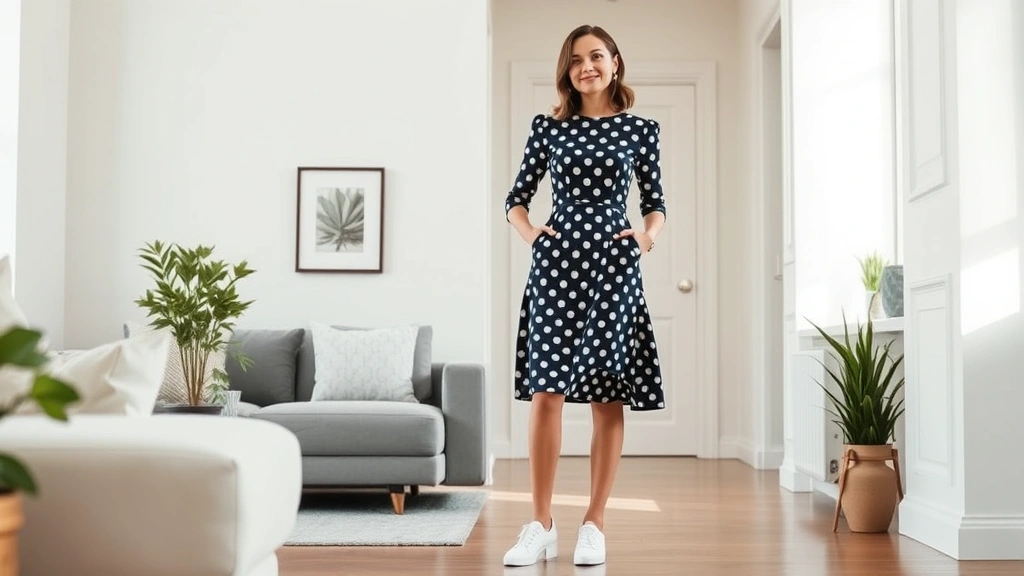
1950s Femininity: The structured silhouettes, full skirts, and feminine details of the 1950s continue captivating designers and consumers. From polka-dot dresses to petticoats, this era’s romantic aesthetic offers an elegant counterpoint to minimalist trends. Fashion trends for women over 50 frequently incorporate 1950s elements, recognizing their timeless sophistication and flattering proportions.
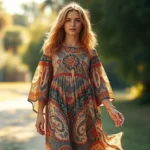
1970s Bohemian: Flared pants, fringe details, earthy tones, and free-spirited silhouettes from the 1970s have experienced remarkable resurgence. This era’s emphasis on individuality and artistic expression resonates with contemporary consumers seeking to distinguish themselves from algorithmic fashion recommendations. Bell bottoms, maxi skirts, and peasant blouses appear regularly on contemporary runways and in street style.
1990s Minimalism and Y2K: The 90s fashion movement, characterized by minimalist lines and understated luxury, has returned with renewed appreciation. Simultaneously, Y2K aesthetics—low-rise jeans, baby tees, and playful accessories—attract younger consumers discovering these trends for the first time. This dual revival demonstrates how the same decade can offer multiple aesthetic directions depending on specific styling choices.
Victorian and Edwardian Elements: Corsetry, lace, and dramatic silhouettes from the Victorian and Edwardian periods appear in contemporary high fashion with surprising frequency. Designers like Dolce & Gabbana and Simone Rocha frequently incorporate corsets, bustle-inspired volumes, and ornate details, proving that historical fashion offers endless creative possibilities.
Early 2000s Maximalism: The bold, colorful, unapologetically over-the-top aesthetic of early 2000s fashion has found new appreciation. Rhinestone embellishments, contrasting colors, and statement pieces that were once dismissed as tacky are now celebrated as confident self-expression. This shift reflects broader cultural movements toward rejecting minimalism in favor of individual personality.
How to Style Old-Fashioned Elements Today
Successfully integrating vintage styles into contemporary wardrobes requires intentionality and understanding. The key is balancing old-fashioned elements with modern pieces, creating cohesive outfits that feel current rather than costume-like. Here’s how fashion experts recommend approaching vintage styling:
- Mix Eras: Pair a 1950s-style dress with contemporary sneakers or a vintage band tee with modern tailored trousers. This juxtaposition prevents outfits from appearing historically accurate rather than fashionably vintage.
- Prioritize Fit: Old-fashioned styles often featured different proportions than contemporary sizing. Invest in tailoring to ensure vintage pieces fit your body perfectly, which is essential for looking intentional rather than costume-y.
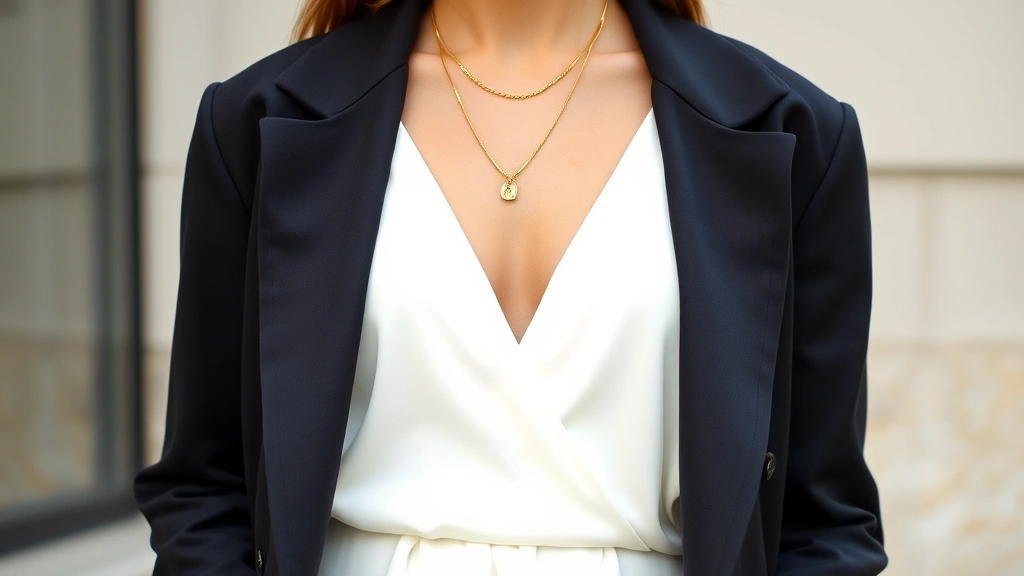
- Use Accessories Strategically: Modern accessories instantly update vintage pieces. A 1970s dress paired with contemporary jewelry and a sleek bag looks current and thoughtful.
- Quality Over Quantity: When investing in vintage pieces, prioritize quality and condition. One well-maintained vintage item has more impact than multiple worn pieces.
- Understand Your Body: Different eras flattered different silhouettes. Research which vintage periods complement your body type, ensuring that old-fashioned styles enhance rather than detract from your natural shape.
The styling philosophy centers on intentionality: every vintage piece should communicate a deliberate choice rather than appearing accidental or thrifted by default. This mindset transforms vintage styling from nostalgic costume into sophisticated fashion expression.
Expert Recommendations for Vintage Integration
Fashion designers and stylists offer consistent guidance for those seeking to incorporate old-fashioned styles authentically. According to Harper’s Bazaar’s style experts, the first step involves understanding your personal aesthetic and identifying which vintage eras align with your fashion identity.
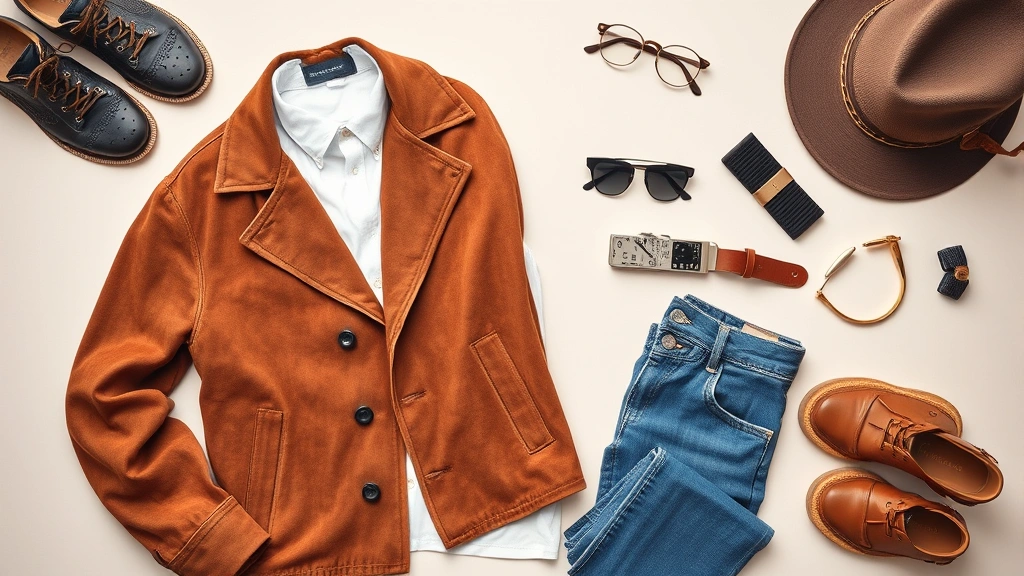
Professionals recommend building a foundation of quality vintage basics—well-fitting jeans, classic white shirts, neutral sweaters—before incorporating statement vintage pieces. This approach ensures versatility and prevents wardrobes from becoming overly themed or costume-like. When you’re building your wardrobe, fashion design degree principles teach that foundational pieces provide endless styling possibilities.
Investing in pieces from Fashion Nova dresses and similar contemporary brands that reinterpret vintage styles offers a middle ground between authentic vintage and modern production. These pieces capture vintage aesthetics while ensuring contemporary fit and sizing, making them accessible to consumers uncertain about navigating authentic vintage markets.
Experts emphasize the importance of authentication when purchasing genuine vintage. Reputable vintage retailers, authenticated secondhand platforms, and vintage specialists provide verification that pieces are genuinely from their claimed eras. This authentication ensures investment value and quality assurance.
Additionally, fashion consultants recommend considering lifestyle compatibility. Old-fashioned styles should integrate practically into your daily life rather than remaining unworn museum pieces. If you work in creative industries, vintage pieces offer wonderful self-expression opportunities. If your professional environment demands conservative styling, incorporating vintage elements through accessories or underpieces maintains appropriateness while honoring your aesthetic preferences.
The Style Loom Daily Blog regularly features styling guides and trend analysis that help readers navigate the intersection of vintage aesthetics and contemporary fashion, providing practical inspiration for everyday styling.
Fashion forecasters at trend forecasting institutes predict that vintage aesthetics will continue gaining prominence as consumers increasingly prioritize authenticity and sustainability. This isn’t a fleeting trend but a fundamental shift in how fashion functions culturally and commercially.
FAQ
Are old-fashioned styles appropriate for all ages?
Absolutely. Vintage aesthetics transcend age demographics. The key is selecting eras and styles that complement your body type and personal aesthetic. A 70-year-old in 1950s-inspired clothing looks as intentional and stylish as a 25-year-old in Y2K fashion when pieces are properly fitted and styled thoughtfully.
How do I know if I’m wearing vintage or costume?
The distinction lies in intentionality and integration. Costume feels themed and historically accurate; vintage styling mixes eras and maintains contemporary elements. If your outfit looks like you’re attending a period event rather than expressing personal style, it’s likely costume rather than fashion.
Where should I shop for authentic vintage pieces?
Reputable vintage retailers, authenticated secondhand platforms like Vestiaire Collective and Grailed, and specialist vintage boutiques offer genuine pieces with verification. Avoid sources that can’t authenticate items or guarantee condition and authenticity.
Can I wear old-fashioned styles to professional environments?
Yes, with strategic choices. Incorporate vintage elements through classic pieces—well-tailored blazers, quality fabrics, neutral colors—rather than statement items. Vintage accessories offer professional-appropriate ways to express this aesthetic.
Why is vintage fashion more expensive than fast fashion?
Vintage pieces often feature superior construction, quality materials, and craftsmanship compared to contemporary mass production. Additionally, scarcity and authentication add value. While initial investment is higher, vintage pieces typically outlast multiple fast-fashion purchases.
How do I style vintage pieces without looking dated?
Mix vintage with contemporary elements, prioritize fit and tailoring, use modern accessories, and balance statement vintage pieces with neutral basics. This approach creates cohesive, current-feeling outfits that honor vintage aesthetics without appearing historically costumes.