How to Style Vintage? Expert Fashion Insights
Vintage fashion has transcended its nostalgic origins to become a cornerstone of contemporary style. Whether you’re drawn to the structured silhouettes of the 1950s, the bohemian flair of the 1970s, or the minimalist aesthetic of the 1990s, vintage pieces offer endless possibilities for personal expression. Styling vintage isn’t simply about throwing on an old piece—it’s an art form that requires understanding historical context, mixing eras thoughtfully, and developing confidence in your fashion choices.
The beauty of vintage styling lies in its contradiction: it’s simultaneously timeless and trendy. Fashion designers and stylists worldwide are increasingly incorporating vintage elements into their collections, recognizing that authentic, pre-loved pieces possess a character that new garments often lack. This comprehensive guide explores how to master the art of styling vintage pieces, drawing insights from fashion experts and industry professionals who’ve revolutionized how we think about secondhand fashion.
Understanding Vintage Fashion Eras
To style vintage effectively, you must first understand the distinctive characteristics of different fashion periods. Each decade possessed its own silhouettes, color palettes, and design philosophies that defined an era’s aesthetic. The 1920s celebrated loose, androgynous shapes with dropped waistlines and Art Deco embellishments. The 1940s brought structure and practicality through tailored jackets and A-line skirts, influenced by wartime rationing. The 1950s epitomized femininity with full skirts, cinched waists, and polished elegance.
The 1960s revolutionized fashion with mod mini dresses, bold geometric patterns, and youthful exuberance. The 1970s introduced flowing fabrics, earth tones, and bohemian prints that celebrated individuality. The 1980s brought power dressing with shoulder pads and bold colors, while the 1990s embraced minimalism and grunge aesthetics. Understanding these distinct periods helps you make intentional styling choices rather than haphazardly combining pieces from different eras.
Fashion historians and experts emphasize that knowledge is essential for authentic vintage styling. Vogue frequently features vintage styling guides that break down era-specific elements. When you understand why a piece was designed a certain way, you can appreciate its historical significance and style it with greater confidence and authenticity.
Building Your Vintage Foundation
Start your vintage journey by identifying your personal style preferences. Do you gravitate toward structured silhouettes or flowing fabrics? Are you drawn to bold prints or neutral palettes? Understanding your style preferences prevents impulse purchases and ensures your vintage collection feels cohesive. StyleLoom Daily Blog offers extensive resources for defining your personal aesthetic before diving into vintage shopping.
Essential vintage basics should form the foundation of your collection. A well-fitted vintage denim jacket, classic leather handbag, and timeless trousers work as anchors for countless outfits. Look for pieces in neutral colors—black, white, cream, navy, and gray—that transition easily across seasons. Vintage Levi’s jeans, for instance, possess superior construction compared to many modern alternatives and develop beautiful patina with wear.
Quality assessment is crucial when building your vintage foundation. Examine seams, zippers, and fabric condition carefully. Vintage pieces from reputable designers often feature superior craftsmanship with reinforced seams and quality linings. Check for stains, holes, or fabric deterioration that might affect wearability. The Cut provides excellent guidance on evaluating vintage piece quality before purchasing.
Investment pieces deserve special attention. Vintage designer items—whether from Chanel, Hermès, or Yves Saint Laurent—often appreciate in value and provide exceptional styling versatility. A vintage Chanel jacket, though initially expensive, becomes a wardrobe cornerstone that works across decades of personal style evolution. Consider these investments carefully, prioritizing pieces you’ll genuinely wear frequently.
Mixing Vintage with Modern Pieces
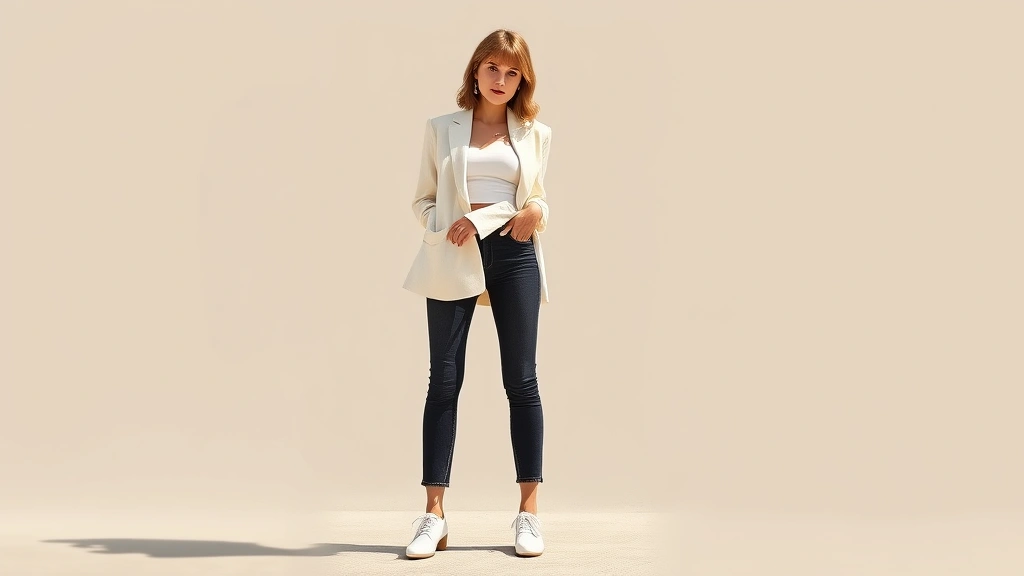
The most compelling vintage styling approach involves thoughtful integration with contemporary fashion. Rather than creating entirely vintage outfits, blend vintage and modern pieces to create outfits that feel current yet distinctive. This approach prevents your look from appearing costume-like while honoring the vintage pieces’ inherent character.
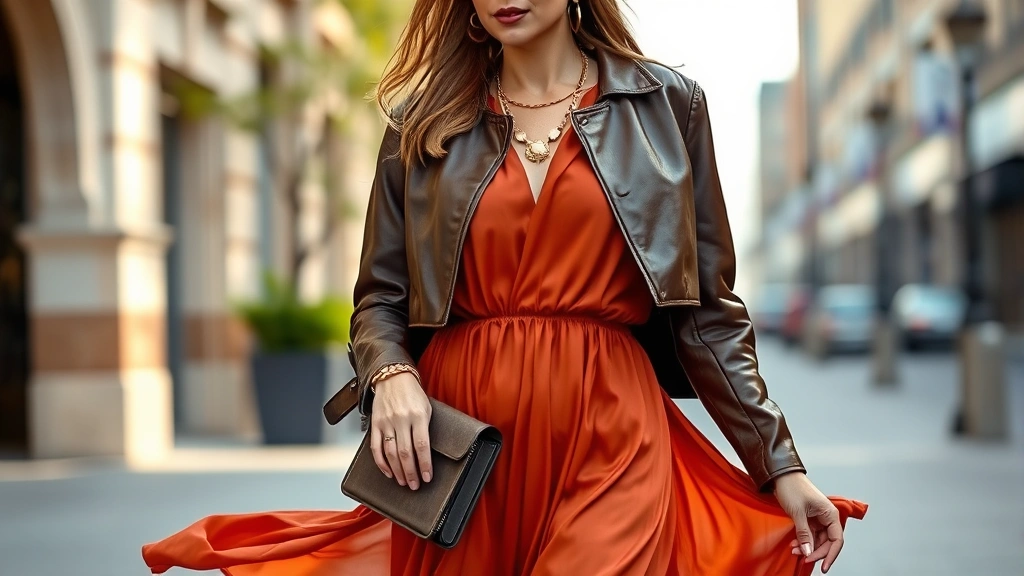
Pair a 1970s vintage silk blouse with modern-cut black trousers and contemporary sneakers for effortless sophistication. Layer a 1950s cardigan over a simple t-shirt with current-season jeans and modern accessories. Style a vintage leather jacket with contemporary streetwear for an edgy, updated aesthetic. The key lies in balancing proportions and eras intentionally.
Modern footwear particularly enhances vintage styling. While vintage shoes possess charm, contemporary sneakers, boots, or heels often provide better comfort and support for daily wear. Pairing a delicate vintage dress with current-season white sneakers creates an interesting juxtaposition that feels fresh and intentional. This technique prevents outfits from appearing dated while celebrating the vintage piece’s unique qualities.
Accessorizing bridges vintage and modern aesthetics beautifully. A vintage brooch pinned to a modern blazer, or vintage jewelry paired with contemporary leather goods, creates visual interest and demonstrates styling sophistication. This approach allows you to incorporate multiple vintage pieces without overwhelming your overall look.
For those interested in understanding how fashion evolves, exploring fashion design degree programs reveals how designers approach vintage inspiration in creating modern collections. Many contemporary designers study vintage techniques to inform their contemporary work.
Styling Vintage by Occasion
Vintage pieces adapt beautifully across different occasions when styled thoughtfully. For casual everyday wear, incorporate one statement vintage piece with neutral modern basics. A vintage band tee styled with contemporary jeans and sneakers creates effortless casual style. A vintage blouse tucked into modern trousers with minimal jewelry works for office environments.
Professional settings benefit from vintage tailored pieces that command respect through superior construction. Vintage blazers, pencil skirts, and structured dresses project competence and sophistication. A 1980s power blazer with shoulder structure, styled with modern trousers and contemporary accessories, creates powerful professional styling. The fashion careers in NYC often showcase professionals who masterfully incorporate vintage pieces into workplace wardrobes.
Evening occasions provide opportunities for more dramatic vintage styling. A 1950s cocktail dress, carefully preserved and fitted, creates timeless elegance. Pair it with contemporary heels and minimal jewelry to let the dress’s craftsmanship shine. Vintage evening coats, beaded tops, and silk trousers elevate formal looks while providing distinctive style.
Weekend social events welcome more experimental vintage combinations. Layer vintage pieces together—a 1970s blouse with 1980s trousers—when both pieces feel intentional rather than accidental. Add contemporary accessories to modernize the overall look. This approach demonstrates styling confidence and fashion knowledge.
Seasonal considerations affect vintage styling choices. Lightweight vintage fabrics work beautifully for summer, while heavier vintage pieces shine during cooler months. A vintage linen dress becomes a summer staple, while a vintage wool coat becomes essential winter outerwear. Understanding fabric properties helps you transition vintage pieces across seasons successfully.
Accessorizing Vintage Outfits
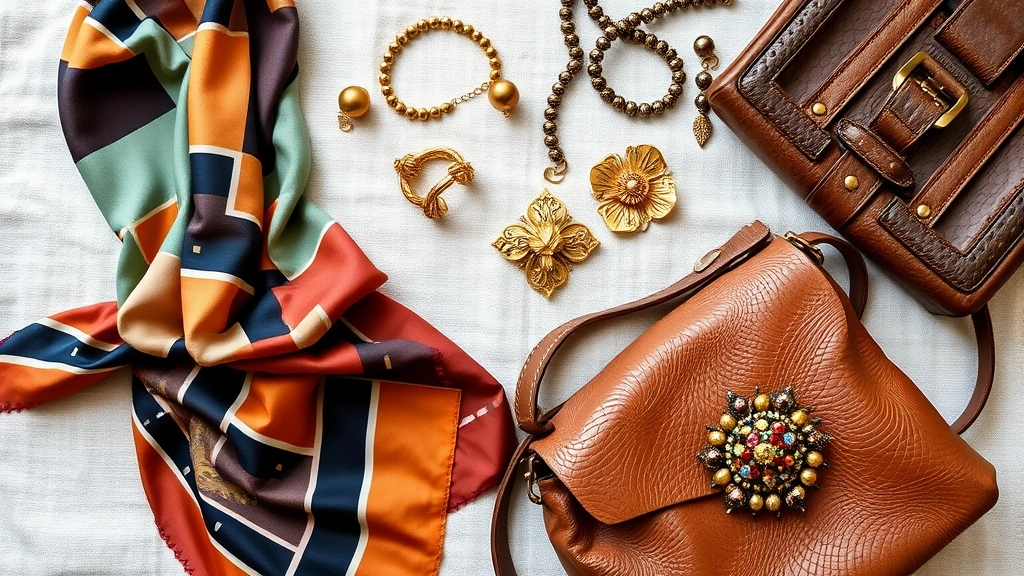
Accessories transform vintage pieces and bridge gaps between eras. Vintage jewelry—whether statement necklaces, delicate brooches, or cocktail rings—adds personality while maintaining era authenticity. A 1920s Art Deco necklace paired with contemporary clothing celebrates both periods. Vintage scarves introduce color and texture while adding practical styling flexibility.
Bags deserve particular attention in vintage styling. Vintage leather handbags often possess superior quality and patina that new bags cannot replicate. A structured vintage handbag from the 1960s paired with contemporary clothing creates polished sophistication. Vintage clutches work beautifully for evening occasions, while vintage totes function as everyday carryalls.
Shoes present interesting vintage styling opportunities. While vintage heels might require restoration, well-maintained vintage footwear often exceeds modern quality standards. A pair of vintage leather pumps, professionally cleaned and repaired if necessary, provides classic styling potential. However, combining vintage dresses with modern shoes often creates more wearable, comfortable everyday looks.
Belts dramatically alter vintage piece silhouettes. A vintage dress styled with a contemporary belt creates a completely different look than wearing it unbelted. Experimenting with belt placement and style offers endless outfit variations from single vintage pieces. Wide vintage belts emphasize waistlines, while thin modern belts create sleek alternatives.
Layering pieces—cardigans, blazers, and jackets—add depth to vintage styling. A contemporary cardigan over a vintage slip dress creates modern relevance. A vintage jacket layered with contemporary pieces becomes a styling foundation piece. These layering techniques provide practical temperature regulation while adding visual interest.
Caring for Your Vintage Collection
Proper care preserves vintage pieces’ integrity and ensures they remain wearable for years. Understand your specific pieces’ fabric content and care requirements. Delicate fabrics like silk, velvet, and lace often require dry cleaning or gentle hand washing. Natural fibers typically require more careful handling than synthetic blends.
Storage significantly impacts vintage piece longevity. Use acid-free tissue paper when storing delicate items, and avoid plastic bags that trap moisture and encourage mildew. Hang vintage pieces on padded hangers to prevent shoulder damage. Store seasonal items in cool, dry locations away from direct sunlight that causes fading.
Professional restoration services address stains, tears, or deterioration. Vintage clothing restorers possess specialized knowledge for treating delicate fabrics and historical pieces. Investing in professional cleaning before wearing vintage pieces prevents permanent damage from accumulated dirt or perspiration.
Regular maintenance extends vintage piece lifespan considerably. Brush garments gently after wearing to remove surface dust. Air-dry pieces between wearings rather than immediately laundering. Address small issues—loose buttons, fraying seams—promptly before they worsen. These simple practices preserve your collection’s investment value and wearability.
Common Vintage Styling Mistakes
Understanding common pitfalls helps you avoid vintage styling errors. Overdressing in vintage pieces—wearing too many vintage items simultaneously—creates costume-like appearances rather than fashion-forward styling. Limit yourself to one or two statement vintage pieces per outfit, balancing with contemporary items.
Ignoring fit presents another common mistake. Vintage sizing differs dramatically from modern standards, and pieces must fit your body properly to look intentional. Alterations by experienced tailors transform ill-fitting vintage pieces into wardrobe staples. Don’t force yourself into vintage pieces that don’t fit well, hoping they’ll work eventually.
Neglecting condition assessment leads to purchasing unwearable pieces. Visible stains, persistent odors, or significant fabric deterioration render pieces impractical for regular wear. Be realistic about restoration possibilities before purchasing damaged items. Some damage proves too extensive for practical repair.
Mixing too many eras simultaneously creates visual chaos. While blending vintage with modern works beautifully, combining pieces from five different decades often appears unfocused. Choose one or two vintage eras to highlight, then balance with contemporary pieces for cohesion.
Ignoring personal style preferences results in closets filled with unworn pieces. Purchase vintage items you genuinely love and can envision wearing regularly. Authenticity in vintage styling comes from personal connection to pieces, not following trends.
For deeper understanding of fashion styling principles, how to become a fashion designer resources explore foundational styling concepts that apply to vintage fashion curation. Understanding design principles enhances your vintage styling capabilities significantly.
Vintage Styling Resources and Inspiration
Numerous resources support your vintage styling journey. Online communities dedicated to vintage fashion provide styling inspiration and expert advice. Instagram accounts showcasing vintage styling demonstrate creative combinations and proportional balance. Fashion blogs exploring sustainable fashion highlight vintage styling’s environmental benefits.
Museums and fashion archives offer historical context for vintage pieces. Understanding fashion history through primary sources deepens your appreciation for vintage garments’ design choices. Many fashion institutions maintain online collections accessible to the public.
Vintage boutiques and consignment shops often employ knowledgeable staff who understand their inventory deeply. Building relationships with shop owners provides access to insider knowledge about upcoming pieces and styling suggestions. These experts often possess invaluable styling wisdom accumulated through years of vintage fashion experience.
Harper’s Bazaar frequently features vintage styling editorials showcasing how contemporary stylists approach vintage fashion. These professional examples demonstrate sophisticated styling techniques applicable to personal wardrobes.
For those pursuing fashion professionally, best fashion design schools often incorporate vintage fashion history and styling into their curricula. Understanding fashion education perspectives enriches personal vintage styling knowledge.
FAQ
How do I know if a vintage piece is authentic?
Examine construction quality, fabric content labels, and design details specific to the era. Research brand-specific markers—stitching patterns, label designs, and hardware styles—for authentication. Purchase from reputable vintage dealers who provide detailed item descriptions and return policies. When in doubt, consult authentication experts before investing in expensive pieces.
What’s the difference between vintage and retro fashion?
Vintage refers to authentic pieces from previous decades, typically at least 20-30 years old. Retro describes contemporary pieces designed to evoke vintage aesthetics without being genuinely old. Both have styling merit, but vintage offers authenticity and quality that retro pieces often cannot replicate.
How do I style vintage pieces for a professional office environment?
Choose well-tailored vintage blazers, pencil skirts, and dresses in neutral colors. Pair vintage pieces with contemporary accessories and modern footwear for updated professionalism. Avoid overly trendy or theatrical vintage items that might distract from your professional credibility. Focus on structured, elegant pieces that demonstrate sophistication.
Where should I shop for vintage fashion?
Explore local vintage boutiques, consignment shops, thrift stores, and online platforms specializing in vintage fashion. Estate sales and flea markets offer treasure-hunting opportunities. Online marketplaces provide access to broader selections but require careful item inspection through detailed photographs and seller ratings.
Can I wear vintage pieces casually or must they be dressed up?
Vintage pieces transition beautifully across casual and formal occasions depending on styling. A vintage band tee works casually with jeans, while the same era’s silk blouse elevates formal occasions. Styling context determines whether pieces feel casual or dressy, making versatility excellent for maximizing your collection’s wearability.
How do I prevent vintage pieces from looking dated?
Pair vintage items with contemporary pieces, particularly modern accessories and footwear. Choose classic vintage silhouettes over trendy ones. Update proportions through thoughtful styling—pairing a vintage dress with modern shoes and accessories prevents costume-like appearances. Focus on timeless pieces rather than trend-specific vintage items.
What should I look for when purchasing vintage clothing online?
Request detailed measurements, multiple photographs from different angles, and information about condition issues. Ask about fabric content and care requirements. Understand return policies before purchasing. Read seller reviews and ask questions about sizing accuracy. Purchase from established sellers with strong track records and customer feedback.
How do I incorporate vintage pieces into a minimalist wardrobe?
Choose vintage basics in neutral colors that align with minimalist principles. A vintage white button-down, black trousers, or neutral cardigan provides minimalist styling while celebrating vintage quality. Focus on construction and fit rather than decorative details. Select timeless vintage pieces that transcend era-specific trends.