Master Male Fashion Styles: Designer Insights
The modern man’s wardrobe is no longer confined to basic basics and uninspired choices. Today’s male fashion styles represent a sophisticated blend of heritage craftsmanship, contemporary innovation, and personal expression. Whether you’re navigating the boardroom, weekend casual outings, or evening events, understanding the nuances of different style approaches can elevate your presence and confidence. This comprehensive guide explores the essential male fashion styles that transcend trends and establish timeless sophistication.
Male fashion has undergone a remarkable transformation over the past decade. Designers worldwide are challenging conventional masculinity through bold silhouettes, unexpected textures, and innovative layering techniques. The accessibility of global fashion inspiration means that men today have unprecedented freedom to curate wardrobes that authentically reflect their personalities while maintaining professional credibility. From minimalist aesthetics to maximalist expressions, the spectrum of fashion style options available to men continues expanding.
Classic Tailored Excellence
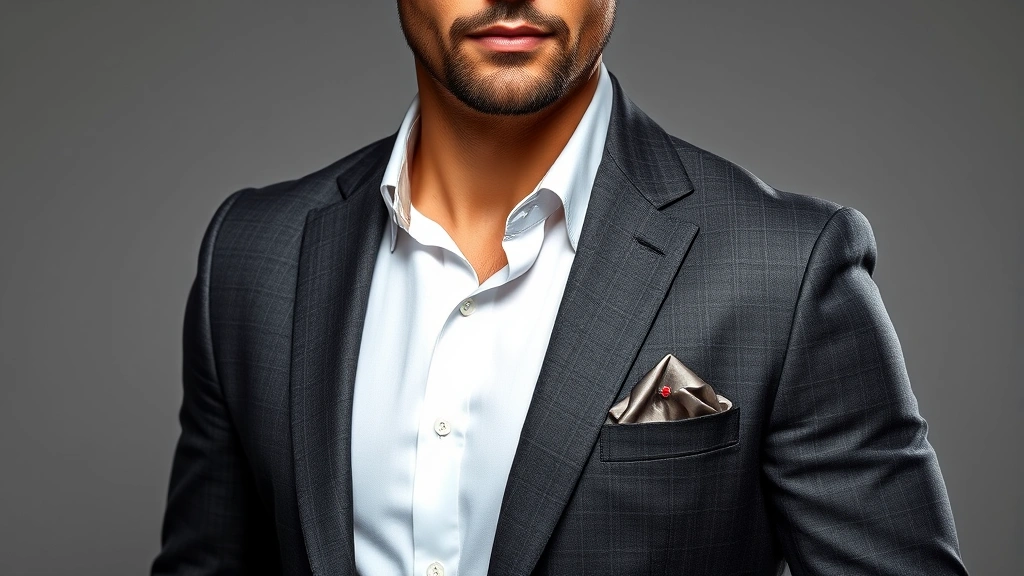
The foundation of refined male fashion rests upon impeccable tailoring. Classic tailored pieces represent the pinnacle of masculine elegance, combining precision construction with timeless aesthetic principles. A well-fitted suit remains the ultimate expression of sartorial confidence, whether worn in traditional business settings or reimagined for contemporary occasions.
Tailored blazers form the cornerstone of this style philosophy. The shoulders should align naturally with your body structure, the jacket length should hit mid-buttock, and sleeves should reveal approximately half an inch of shirt cuff. Quality fabrication matters tremendously—natural fibers like wool, linen, and cotton blends provide superior drape and longevity compared to synthetic alternatives. Investment in proper tailoring transforms even moderately-priced pieces into wardrobe staples.
Dress trousers deserve equal attention to blazers. The break—the slight crease where trousers meet shoes—should be minimal to moderate, creating clean lines that elongate the silhouette. Modern tailoring increasingly favors slimmer proportions while maintaining comfort and movement. Pairing tailored pieces with quality leather dress shoes, silk ties, and refined accessories completes this authoritative aesthetic.
The different types of fashion styles within tailoring include the British cut, known for structured shoulders and defined waists; the Italian approach, emphasizing softer shoulders and refined details; and the American silhouette, balancing structure with comfort. Understanding these distinctions helps you select pieces that align with your body type and personal preferences.
Smart Casual Mastery
Smart casual represents the versatile middle ground between formal tailoring and relaxed casualness. This style category has become increasingly important as workplace cultures evolve toward flexibility. Mastering smart casual allows you to navigate professional environments while expressing individual style sensibilities.
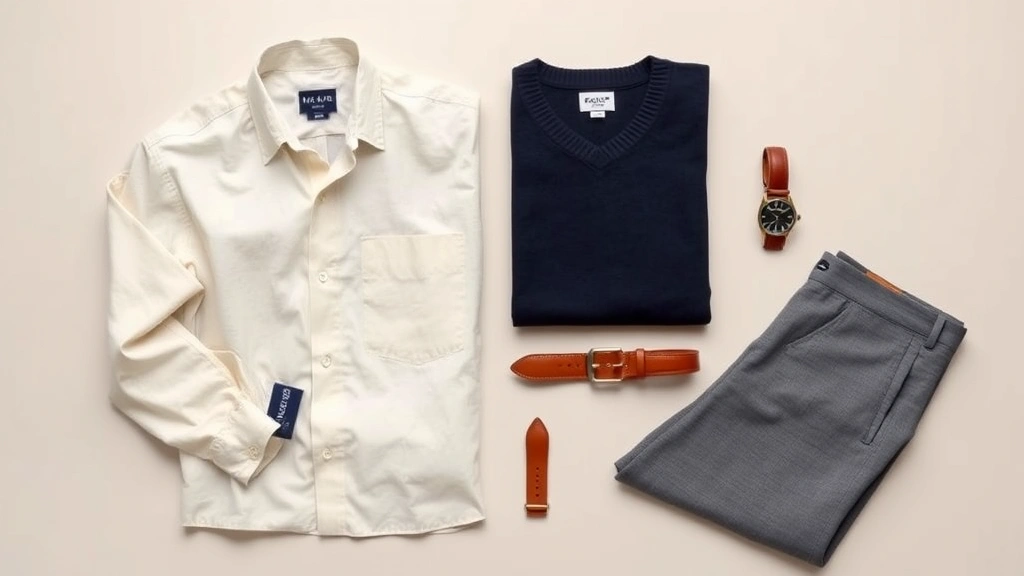
The foundational components include well-fitted chinos, oxford cloth button-down shirts, quality knitwear, and refined casual footwear. Unlike traditional business wear, smart casual embraces texture variation and subtle pattern play. A navy chino paired with a cream cable-knit sweater and suede loafers creates understated sophistication suitable for client meetings or weekend gatherings.
Layering techniques elevate smart casual from basic to exceptional. Combining a lightweight merino wool sweater over a linen shirt, adding a casual blazer, and finishing with tailored joggers demonstrates how thoughtful composition creates visual interest. Color coordination becomes crucial—neutral foundations allow statement pieces to shine while maintaining cohesion.
Smart casual also accommodates personal style expression through accessories. Quality watches, leather belts, scarves, and subtle jewelry pieces communicate attention to detail without appearing over-styled. This category allows experimentation with finding your personal style while maintaining professional appropriateness.
Streetwear and Urban Edge
Streetwear represents the democratization of fashion, originating from urban youth culture and evolving into a dominant force within contemporary menswear. This style celebrates individuality, cultural references, and artistic expression through clothing as a medium.
Authentic streetwear balances oversized silhouettes with fitted proportions, creating dynamic visual compositions. Graphic t-shirts serve as canvases for artistic collaboration between designers and visual artists. Sneakers function as essential components rather than afterthoughts—premium sneaker culture has developed its own sophisticated ecosystem of rare releases, colorway variations, and collector mentality.
Layering in streetwear embraces unexpected combinations: hoodies under unstructured blazers, oversized jackets over fitted basics, and statement outerwear as focal points. Denim plays a crucial role, with vintage washes, distressing techniques, and innovative cuts providing endless variation possibilities. Accessories including caps, crossbody bags, and chains add personality while maintaining street credibility.
The intersection of high fashion and streetwear has created hybrid aesthetics where luxury designers collaborate with street culture influencers. This evolution demonstrates how fashion forward thinking breaks traditional hierarchies, allowing self-expression regardless of price point. Streetwear validates personal interpretation over prescribed rules.
Minimalist Approach
Minimalist male fashion represents a philosophical commitment to intentionality, quality, and restraint. Rather than pursuing novelty, minimalism emphasizes timeless pieces that transcend seasonal fluctuations and maintain relevance across years.
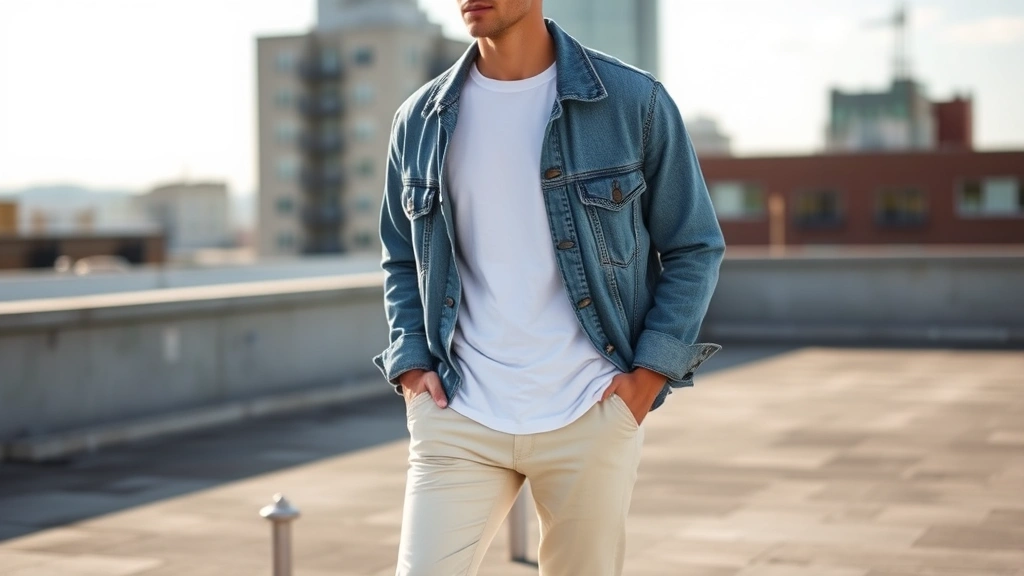
The minimalist wardrobe comprises neutral color palettes—blacks, whites, grays, navy, and earth tones—allowing endless combinations from limited pieces. Quality supersedes quantity; investing in exceptional basics provides superior longevity and aesthetic satisfaction than accumulating mediocre alternatives. A perfectly fitted white t-shirt, quality denim, and neutral sweaters form the foundation upon which entire wardrobes are constructed.
Minimalism doesn’t mean boring or uniform. Subtle variations in texture, fabric weight, and silhouette create visual sophistication within restraint. A charcoal wool sweater differs substantially from a charcoal linen shirt, providing variety while maintaining color consistency. Quality leather goods, watches, and accessories receive prominence within minimalist aesthetics, as they endure through time and improve with age.
This approach offers practical advantages: simplified decision-making, reduced shopping time, decreased environmental impact, and improved financial efficiency. Minimalist men typically develop refined personal style more quickly, as fewer options require more thoughtful curation. The aesthetic appeals to professionals seeking authority without flamboyance, creative individuals valuing substance over trends, and sustainability-conscious consumers.
Vintage-Inspired Styling
Vintage-inspired male fashion draws authenticity from historical periods while adapting elements for contemporary contexts. This style celebrates heritage craftsmanship, unique character, and the patina that time imparts to quality garments.
Authentic vintage sourcing involves understanding specific eras—1950s Americana, 1970s bohemian influences, 1990s minimalism—and incorporating genuine pieces or contemporary reproductions. Vintage workwear including Carhartt jackets, heritage denim, and utilitarian boots provide functional aesthetics rooted in authentic purpose rather than nostalgic affectation.
Mixing vintage pieces with modern basics prevents costume-like appearances. A genuine 1970s corduroy jacket paired with contemporary fitted trousers and current sneaker styles bridges temporal aesthetics. Vintage accessories including leather belts, mechanical watches, and classic eyewear frames complement contemporary wardrobes seamlessly.
The vintage approach appeals to environmentally conscious consumers, individuals seeking uniqueness, and those valuing storytelling within fashion. Each vintage piece carries history, providing conversation points and personal meaning beyond typical retail purchases. This style category encourages curation skills and patience, as discovering exceptional pieces requires time and selective searching.
Designer Perspectives on Male Fashion
Contemporary menswear designers are revolutionizing traditional concepts of masculine style. Leading designers emphasize that male fashion should accommodate diverse expressions while maintaining sophistication and craftsmanship excellence.
Vogue’s coverage of menswear innovation highlights how designers increasingly challenge gender conventions within fashion. Silhouettes previously considered feminine—skirts, dresses, elaborate patterns—now appear in prestigious menswear collections, expanding possibilities for self-expression. This evolution reflects broader cultural shifts acknowledging that style transcends binary categories.
Luxury menswear designers emphasize craftsmanship quality, sustainable production, and innovative textile development. Italian tailoring houses continue refining construction techniques passed through generations, while emerging designers experiment with unconventional materials and silhouettes. Japanese designers bring meticulous attention to proportion and detail, creating pieces that reward close examination.
Business of Fashion’s menswear analysis demonstrates how the sector has evolved from afterthought to primary revenue driver for major fashion houses. This shift reflects genuine consumer interest in quality male fashion rather than obligatory diversification. Designers now allocate substantial resources toward menswear innovation, resulting in elevated quality and conceptual sophistication.
Emerging designers often focus on underserved niches: sustainable menswear, size-inclusive fashion, culturally specific aesthetics, and gender-nonconforming styling. This diversification enriches the overall menswear landscape, providing options for consumers seeking alternatives to traditional luxury or mass-market offerings.
Building Your Signature Wardrobe
Developing a cohesive wardrobe requires understanding personal style preferences, lifestyle requirements, and quality standards. Rather than pursuing every trend, strategic curation creates versatile foundations supporting multiple styling approaches.
Begin by assessing your lifestyle honestly. Professional environments demand different foundational pieces than creative industries or casual workplaces. Social activities, climate, and personal interests inform practical requirements. A man living in temperate climates prioritizes different outerwear than someone in extreme climates. Weekend activities shape casual wear needs.
Quality basics form essential foundations: neutral t-shirts in various weights, well-fitting jeans in multiple washes, classic button-down shirts, and versatile sweaters. These pieces combine endlessly with statement items, allowing personality expression while maintaining practicality. Investing in quality basics ensures longevity and consistent appearance standards.
Outerwear deserves significant investment, as jackets define overall silhouette and durability requirements are substantial. Quality blazers, casual jackets, and weather-appropriate coats provide functional style across seasons. Choose neutral colors allowing pairing with varied wardrobes, and select timeless cuts transcending seasonal trends.
Footwear variety enables appropriate styling across contexts: quality dress shoes for formal occasions, refined casual shoes for smart casual situations, and comfortable sneakers for relaxed settings. Rather than excessive quantity, prioritize quality across limited options. Well-maintained leather shoes develop character while providing reliability.
Accessories elevate entire outfits through subtle refinement. Quality leather belts, classic watches, scarves, and jewelry pieces communicate attention to detail. Choose accessories in metals and materials complementing your complexion and overall aesthetic. These items endure through years, justifying higher investment than disposable alternatives.
Establish a personal color palette based on your complexion, hair color, and eye color. Understanding which tones flatter your appearance simplifies shopping decisions and ensures wardrobe cohesion. Most men benefit from choosing between warm and cool neutral foundations, then selecting accent colors within that temperature range.
Document your style preferences through inspiration collection—save images of outfits resonating with you, noting common elements. Patterns, silhouettes, color combinations, and overall aesthetics reveal personal preferences. This analysis guides future purchases toward authentic preferences rather than fleeting trends.
Consider lifestyle transitions when building wardrobes. Career changes, relocations, or activity shifts necessitate wardrobe adjustments. Rather than complete overhauls, identify essential additions addressing new requirements while preserving existing pieces. This gradual evolution maintains consistency while adapting to changing circumstances.
Revisit your wardrobe seasonally, assessing what you actually wear versus pieces remaining untouched. This practice identifies style preferences, reveals gaps, and prevents purchasing duplicates. Successful wardrobes reflect genuine lifestyle and aesthetic preferences rather than aspirational fantasies.
Explore comprehensive style resources for ongoing inspiration and guidance. Quality fashion journalism provides context for trends, designer perspectives, and styling techniques applicable across diverse male fashion styles.
FAQ
What defines contemporary male fashion styles?
Contemporary male fashion encompasses diverse approaches from classic tailoring to streetwear, minimalism to vintage inspiration. Modern menswear celebrates personal expression while maintaining quality and intentionality. The key distinction from historical male fashion is the expanded acceptance of varied aesthetics, patterns, silhouettes, and colors previously considered unconventional. Today’s male fashion styles prioritize individual authenticity over prescribed conformity.
How do I determine which male fashion style suits me best?
Assess your lifestyle requirements, personal preferences, body type, and aesthetic values. Professional environments may necessitate tailored foundations, while creative fields accommodate broader experimentation. Consider which style categories resonate emotionally—does minimalist restraint appeal to you, or does maximalist expression feel authentic? Experiment with different approaches before committing significant resources. Quality basics work across styles, allowing gradual exploration.
Can I combine different male fashion styles?
Absolutely. Sophisticated style often emerges from thoughtful combinations across categories. A minimalist foundation with streetwear accessories, or classic tailoring with vintage elements, creates distinctive personal aesthetics. The key is intentionality—combinations should feel cohesive rather than random. Understanding each style’s core principles enables successful hybrid approaches.
What’s the most important factor in male fashion styling?
Fit supersedes all other considerations. Exceptional fabric and design cannot compensate for poor fit, while quality basics in proper proportions appear significantly better than expensive pieces hanging incorrectly. Invest in professional tailoring adjustments for pieces you love. Understanding your body type and proportions allows selecting pieces that flatter your specific frame.
How frequently should male fashion styles change?
Core wardrobe foundations should remain relatively stable, with gradual evolution rather than dramatic shifts. Classic pieces endure indefinitely when properly maintained. Accessories, patterns, and accent colors accommodate seasonal trends without requiring foundational replacement. Most men benefit from establishing a consistent aesthetic direction, then refining within that framework rather than pursuing completely different styles annually.
Are expensive brands necessary for quality male fashion?
Price doesn’t guarantee quality or suitability. Many contemporary brands across price points offer exceptional construction and design. Luxury brands provide heritage, exclusivity, and sometimes superior craftsmanship, but mid-range and emerging designers frequently offer better value and innovation. Focus on quality indicators—fabric content, construction details, and fit—rather than labels. Your budget should align with your lifestyle and usage frequency.