Lewis Hamilton’s Style Secrets: Designer Insights
Lewis Hamilton has transcended his identity as a seven-time Formula 1 champion to become one of the most influential style icons of our generation. His fearless approach to fashion, bold color choices, and willingness to challenge traditional masculinity through clothing have redefined what it means to be a luxury fashion enthusiast in the automotive world. From custom Burberry ensembles to cutting-edge streetwear collaborations, Hamilton’s wardrobe tells a story of innovation, self-expression, and cultural significance that extends far beyond the racetrack.
What makes Hamilton’s fashion journey particularly compelling is his authentic engagement with high fashion design. Unlike many celebrity athletes who simply wear designer labels, Hamilton actively collaborates with fashion houses, understands garment construction, and uses his platform to celebrate emerging designers and underrepresented voices in fashion. His style evolution reflects broader trends in contemporary fashion while maintaining a deeply personal aesthetic that feels entirely his own.
This comprehensive exploration of Lewis Hamilton’s style secrets reveals how he has become a cultural ambassador for progressive fashion, influencing millions of followers and challenging industry norms. Whether you’re interested in finding your personal style or understanding how to build a luxury wardrobe with confidence, Hamilton’s approach offers invaluable lessons in self-expression and authenticity.
The Evolution of Hamilton’s Fashion Identity
Lewis Hamilton’s journey into fashion consciousness began well before he became fashion’s darling. In his early Formula 1 years, Hamilton wore the standard team wear and sponsor-mandated outfits that most drivers accepted without question. However, as his confidence grew and his championship victories accumulated, so did his willingness to experiment with his personal style. The turning point came when Hamilton began attending fashion weeks, not as a spectator but as a recognized style influencer whose presence commanded attention on the front rows of Paris, Milan, and London Fashion Weeks.
The early 2010s marked a significant shift. Hamilton started incorporating designer pieces into his off-track wardrobe with increasing boldness. He embraced fitted silhouettes, experimented with traditionally feminine styling elements, and challenged the conservative aesthetic typically associated with elite athletes. This wasn’t performative fashion consumption—it was a genuine exploration of identity through clothing. By the mid-2010s, Hamilton had established himself as someone who understood fashion on a deeper level, someone who could discuss garment construction, design philosophy, and the cultural significance of what he wore.
What distinguishes Hamilton’s fashion evolution from other celebrity style transformations is his intellectual approach to clothing. He doesn’t simply follow trends; he understands the context behind them. When he wears vintage pieces, he comprehends their historical significance. When he collaborates with designers, he engages in meaningful dialogue about creative vision. This depth of engagement has earned him respect from fashion industry professionals who might otherwise dismiss an athlete’s fashion involvement as superficial.
Designer Collaborations and Brand Partnerships
Hamilton’s relationships with luxury fashion houses represent some of the most strategic and authentic partnerships in celebrity fashion. His long-standing collaboration with Vogue has positioned him as a regular feature in fashion’s most prestigious publication, with editorial spreads that explore his style philosophy and design inspirations. These aren’t simple advertising features—they’re substantive explorations of how Hamilton thinks about fashion and identity.
His partnership with Tommy Hilfiger deserves particular attention. The collaboration transcended traditional athlete endorsements by creating clothing lines that reflected Hamilton’s personal aesthetic while maintaining Hilfiger’s design DNA. The resulting pieces combined athletic functionality with high fashion sensibility, creating a blueprint for how luxury brands can authentically engage with sports personalities. This collaboration demonstrated that Hamilton wasn’t simply lending his name to products—he was actively involved in the creative process, making decisions about fabrics, silhouettes, and color palettes.
Beyond established luxury houses, Hamilton has consistently championed emerging designers and independent fashion creators. He has worn pieces from lesser-known designers on red carpets, providing visibility to talented creators who might otherwise struggle for recognition. This commitment to supporting emerging talent reflects a philosophy that extends beyond personal style into genuine mentorship and advocacy. When you’re building a career in fashion design, having visibility from influential figures like Hamilton can be transformative.
Burberry holds a special place in Hamilton’s fashion narrative. His relationship with the British luxury house goes beyond typical brand ambassadorship. Hamilton has appeared in Burberry campaigns that challenged traditional masculinity and celebrated diversity, aligning with the brand’s contemporary values under creative direction. His presence in these campaigns signals that Burberry is serious about inclusivity and progressive fashion narratives.
Color, Pattern, and Risk-Taking
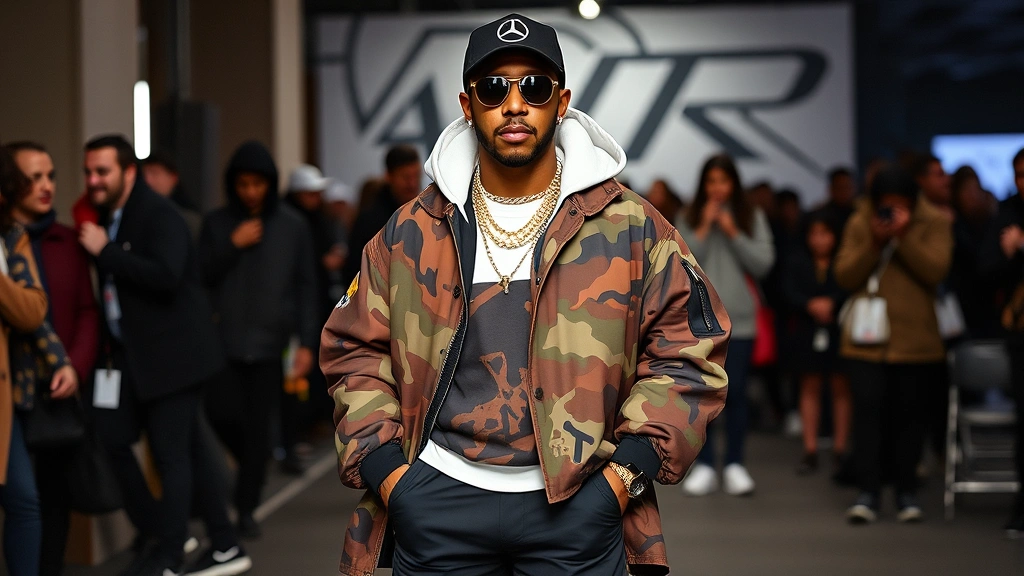
One of the most immediately recognizable aspects of Hamilton’s style is his fearless use of color and pattern. While many men in elite circles default to neutral palettes—blacks, grays, whites, and navy blues—Hamilton embraces vibrant hues and bold prints with remarkable confidence. Neon pink, electric purple, rich emerald green, and sunset orange regularly appear in his wardrobe, worn with the same confidence that others might wear beige.
This approach to color represents a significant departure from traditional masculinity codes that have historically restricted men to conservative palettes. By normalizing color and pattern in men’s high fashion, Hamilton has inadvertently created permission for others to experiment more boldly with their own wardrobes. His influence has rippled through menswear, with designers increasingly exploring richer color stories and more adventurous print combinations for male-presenting collections.
The psychology behind Hamilton’s color choices is worth examining. He doesn’t select colors randomly; rather, he demonstrates sophisticated understanding of color theory, undertones, and how specific hues interact with skin tone, eye color, and overall composition. His selections reveal someone who has studied fashion extensively and understands that color is a language through which we communicate identity and intention.
Pattern mixing represents another area where Hamilton takes calculated risks. He combines stripes with plaids, geometric prints with florals, and heritage patterns with contemporary graphics in ways that could easily read as chaotic but instead feel intentional and coordinated. This success derives from his understanding of proportion, scale, and how to balance visual complexity. When patterns work together in his outfits, it’s because he understands fundamental design principles that allow multiple patterns to coexist harmoniously.
” alt=”Lewis Hamilton wearing bold patterned designer pieces, vibrant colors, tailored silhouette, luxury fashion styling, confident pose on fashion event backdrop”/>
Streetwear Meets High Fashion
Hamilton’s style philosophy beautifully bridges the traditionally separate worlds of luxury haute couture and accessible streetwear. He demonstrates that these aesthetic categories aren’t mutually exclusive—a person can wear a custom Thom Browne suit alongside limited-edition sneakers and vintage band t-shirts. This hybrid approach reflects broader shifts in contemporary fashion where hierarchies between high and low fashion have become increasingly blurred.
His sneaker collection deserves particular mention. Hamilton has invested in rare, limited-edition sneakers from brands like Nike, Adidas, and independent designers. He understands sneaker culture deeply—the history, the collaborations, the limited releases—and incorporates these pieces thoughtfully into outfits that might otherwise be entirely formal. This mixing of casual and formal, accessible and exclusive, reflects a mature understanding of personal style that transcends brand hierarchies.
The influence of 90s fashion aesthetics appears frequently in Hamilton’s wardrobe. He channels the era’s oversized silhouettes, baggy tailoring, and logomania while filtering these elements through a contemporary lens. This nostalgic influence, combined with cutting-edge contemporary pieces, creates a temporally complex aesthetic that feels both timeless and urgently current.
Streetwear brands have taken notice of Hamilton’s influence. His endorsement of emerging streetwear labels has provided these brands with credibility in luxury fashion circles. When Hamilton wears a piece from an independent streetwear creator, it elevates that designer’s profile and introduces their work to audiences who might not typically engage with streetwear. This gatekeeping function—or rather, his role in breaking down gates—represents significant cultural influence.
Sustainability and Ethical Fashion
Beyond aesthetics, Hamilton has become increasingly vocal about sustainability and ethical considerations in fashion. As someone with the resources to purchase anything, his choices about what he wears communicate values about environmental responsibility and labor practices. He has spoken publicly about the importance of supporting brands that prioritize sustainable production and fair labor practices.
His engagement with vintage and secondhand fashion represents a practical commitment to sustainability. Rather than always purchasing new pieces, Hamilton frequently wears vintage designer items, breathing new life into pieces that might otherwise remain unworn. This approach simultaneously honors fashion history, reduces consumption, and demonstrates that luxury and sustainability can coexist beautifully.
Hamilton’s platform has amplified conversations about fashion’s environmental impact. Through interviews and social media engagement, he has encouraged followers to think critically about their consumption patterns and consider the true cost of fast fashion. When someone with Hamilton’s visibility discusses sustainable fashion practices, it legitimizes these concerns within communities that might otherwise dismiss environmental considerations as secondary to style.
His interest in contemporary fashion collections extends to understanding how brands approach sustainability. He researches companies’ supply chains, labor practices, and environmental commitments before engaging with their products. This due diligence reflects a mature understanding that style choices carry ethical dimensions beyond personal expression.
Building a Luxury Wardrobe Like Hamilton
For those aspiring to develop a distinctive style informed by Hamilton’s approach, several foundational principles emerge from studying his wardrobe. First, invest in quality basics that serve as anchors for more adventurous pieces. Hamilton’s ability to take risks with color and pattern works because he has impeccably constructed foundational pieces—well-fitting trousers, quality knitwear, and tailored basics that provide structure.
Second, develop a genuine understanding of your personal aesthetic rather than chasing trends. Hamilton’s style feels cohesive because it reflects authentic preferences rather than fashion-week-dictated choices. Before purchasing pieces, ask yourself whether items align with your actual lifestyle, body type, and personality. Finding your personal style requires honest self-assessment and commitment to pieces that genuinely resonate with you.
Third, don’t shy away from color and pattern if they appeal to you. Hamilton’s fearlessness with these elements has demonstrated that taking chromatic risks can result in compelling, distinctive style. Start small if bold color feels intimidating—perhaps a patterned shirt or colored trousers paired with neutral pieces. Gradually expand your comfort zone as confidence grows.
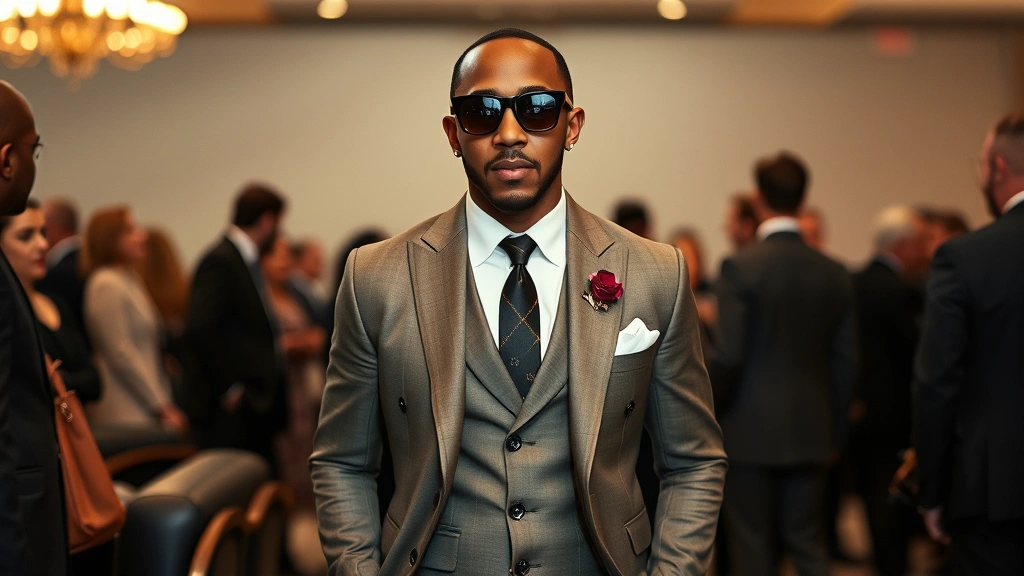
Fourth, understand the importance of fit and tailoring. Many of Hamilton’s pieces are custom or heavily tailored to his specific proportions. While custom tailoring represents a significant investment, even modest tailoring adjustments can dramatically improve how garments interact with your body. Proper fit transforms even moderately priced pieces into wardrobe essentials.
Fifth, engage with fashion on an intellectual level. Read fashion journalism, study designer collections, understand fashion history, and develop vocabulary to discuss design elements. This knowledge informs better purchasing decisions and helps you understand why certain combinations work while others don’t. Fashion literacy transforms style from intuitive guessing into informed decision-making.
Finally, support emerging designers and independent creators when possible. Hamilton’s practice of championing lesser-known designers demonstrates that style doesn’t require exclusive reliance on established luxury houses. Emerging designers often bring innovation, originality, and fresh perspectives that can set your wardrobe apart from others wearing the same established brands.
Cultural Impact and Fashion Influence
Lewis Hamilton’s style influence extends far beyond personal aesthetic preferences into broader cultural conversations about masculinity, race, and representation in fashion. As a Black man commanding significant attention in spaces historically dominated by white European aesthetics, his presence and choices carry cultural weight. When Hamilton wears nail polish, experiments with traditionally feminine styling elements, or embraces colors and patterns that challenge masculine norms, he’s actively reshaping what’s considered acceptable masculine presentation.
His influence on contemporary menswear design is measurable. Designers have explicitly cited Hamilton as inspiration for collections that embrace color, pattern, and more fluid approaches to masculine silhouettes. The ripple effects of his style choices appear on runways from Paris to New York, with designers increasingly comfortable exploring more adventurous territory in menswear collections.
Within Black culture specifically, Hamilton’s fashion choices carry additional significance. He represents a high-profile Black man engaging with luxury fashion spaces on his own terms, wearing what he chooses regardless of external judgment. This visibility matters for younger Black individuals navigating their own relationships with fashion and self-expression. Hamilton demonstrates that Blackness and luxury fashion aren’t contradictory identities—they’re complementary expressions of identity and success.
His role as a fashion icon extends into mentorship and advocacy. Through his platform, Hamilton consistently highlights fashion professionals from underrepresented backgrounds, amplifies emerging designers, and uses his visibility to push the industry toward greater diversity and inclusion. This goes beyond personal style into active participation in reshaping fashion industry structures.
The relationship between Hamilton’s athletic excellence and fashion credibility is worth examining. His dominance in Formula 1 provides him with a platform that fashion alone might not have secured. However, he’s leveraged that platform authentically, demonstrating genuine engagement with fashion rather than treating it as a secondary interest. This authenticity has earned him respect from fashion professionals who might otherwise dismiss an athlete’s fashion involvement.
Social media has amplified Hamilton’s fashion influence exponentially. His Instagram presence functions as a real-time style archive, documenting his sartorial choices and making them instantly accessible to millions of followers. This democratization of his style choices means that people worldwide can study his combinations, understand his aesthetic philosophy, and draw inspiration for their own wardrobes. The accessibility of his style documentation has made him perhaps more influential as a fashion figure than designers with significantly more resources.
” alt=”Lewis Hamilton in tailored luxury designer outfit, sophisticated styling, elegant pose, high-end fashion event, confident demeanor, luxury accessories”/>
FAQ
What are Lewis Hamilton’s favorite fashion designers?
Hamilton has demonstrated consistent affinity for several designers including Burberry, Tommy Hilfiger, Thom Browne, and Versace. However, he regularly champions emerging and independent designers, refusing to limit his wardrobe to established luxury houses. His openness to diverse design perspectives reflects his belief that excellent design transcends brand prestige.
How does Lewis Hamilton choose colors for his outfits?
Hamilton selects colors based on sophisticated understanding of color theory, undertones, and how specific hues interact with his skin tone and overall composition. He doesn’t choose colors randomly but rather demonstrates knowledge of complementary and contrasting color relationships. His color choices appear confident because they’re informed by genuine understanding of chromatic principles.
Can I achieve Hamilton’s style on a limited budget?
While some of Hamilton’s pieces are custom or extremely expensive, his style philosophy emphasizes quality over quantity and authenticity over brand names. You can channel his approach by investing in well-fitting basics, experimenting with color and pattern within your budget, shopping vintage and secondhand options, and supporting emerging designers who offer quality pieces at more accessible price points. The most important element is developing genuine personal style rather than replicating specific pieces.
How important is tailoring to achieving Hamilton’s look?
Tailoring is crucial to Hamilton’s polished appearance. Proper fit transforms even moderately priced pieces into wardrobe staples. While custom tailoring represents significant investment, even basic alterations—hemming trousers, taking in waists, adjusting sleeve lengths—dramatically improve how garments interact with your body. Budget-conscious style enthusiasts should prioritize quality tailoring over purchasing more pieces.
What role does sustainability play in Hamilton’s fashion choices?
Hamilton has increasingly prioritized sustainability and ethical considerations in his fashion engagement. He regularly wears vintage pieces, researches brands’ labor practices and environmental commitments, and has spoken publicly about reducing consumption and supporting sustainable fashion practices. For those wanting to emulate his approach, this means considering the true cost of purchases and supporting brands aligned with your values.
How has Lewis Hamilton influenced menswear design?
Hamilton’s fearless approach to color, pattern, and traditionally feminine styling elements has directly influenced contemporary menswear design. Designers have cited him as inspiration for collections embracing more adventurous chromatic choices and more fluid approaches to masculine silhouettes. His influence has legitimized greater experimentation in menswear, challenging traditional masculine aesthetic codes.
Does Lewis Hamilton wear only luxury brands?
No. While Hamilton certainly engages with luxury fashion houses, he also incorporates streetwear, vintage pieces, and independent designer creations into his wardrobe. His style philosophy rejects rigid hierarchies between high and low fashion, demonstrating that compelling personal style emerges from thoughtful mixing of diverse aesthetic sources rather than exclusive reliance on prestige brands.
How can I develop my personal style like Lewis Hamilton?
Start by assessing your genuine aesthetic preferences rather than chasing trends. Invest in quality basics that serve as anchors for more adventurous pieces. Study fashion history and contemporary design to develop informed perspective. Don’t shy away from color and pattern if they resonate with you. Prioritize fit through tailoring. Engage with fashion intellectually. Support emerging designers. Most importantly, commit to authenticity—wear what genuinely reflects your identity rather than what external voices suggest you should wear. Explore fashion articles and guides to deepen your understanding of style principles and contemporary trends.