Jackie Kennedy’s Style Impact: Fashion Historian Insight
Jackie Kennedy remains one of the most influential style icons of the twentieth century, a woman whose wardrobe choices transcended mere fashion to become a symbol of American elegance and sophistication. Her impact on fashion extends far beyond her tenure as First Lady, influencing generations of designers, fashion enthusiasts, and style-conscious individuals worldwide. From her iconic pillbox hat to her understated yet impeccable tailoring, Jackie’s aesthetic revolutionized how women approached dressing, establishing principles of timeless elegance that fashion historians continue to analyze and celebrate today.
The significance of Jackie Kennedy’s fashion legacy cannot be overstated. She demonstrated that style could be both powerful and refined, that luxury didn’t require ostentation, and that a woman’s appearance could command respect and admiration without sacrificing femininity or approachability. Her carefully curated wardrobe became a masterclass in restraint, proportion, and the transformative power of quality craftsmanship. As we explore her influence on contemporary fashion, we uncover valuable lessons about personal branding, cultural impact, and the enduring nature of true style.
The Kennedy Era: When Fashion Met Politics
The 1960s marked a pivotal moment in American history when fashion became inseparable from politics and cultural identity. Jackie Kennedy understood intuitively what many modern fashion strategists are still learning: that a First Lady’s wardrobe represents not just personal taste, but national identity. Her appointment of Oleg Cassini as her official designer was a calculated move that ensured consistency, sophistication, and a distinctly American aesthetic during a period of intense global scrutiny.
During the Kennedy administration, every public appearance, every photograph, every televised moment became an opportunity to project an image of American confidence and modernity. Jackie’s fashion choices were deliberate statements about American culture and values. She rejected the ornate, heavily embellished styles that had characterized previous First Ladies, instead embracing clean lines, refined silhouettes, and an almost architectural approach to dressing. This shift represented a fundamental change in how women—particularly those in positions of power—could present themselves to the world.
The fashion evolution documented throughout the Kennedy presidency reveals a woman constantly refining her visual identity. Whether attending state dinners, making campaign appearances, or simply being photographed during daily activities, Jackie maintained an impeccable standard that raised the bar for public figures everywhere. Her influence extended beyond America’s borders, with international fashion capitals taking note of every detail of her appearance.
Signature Elements of Jackie’s Iconic Style
Understanding Jackie Kennedy’s fashion impact requires examining the specific design elements and styling choices that defined her aesthetic. Her wardrobe was built on a foundation of key pieces that demonstrated how fundamental fashion principles could be applied to create an enduring personal style.
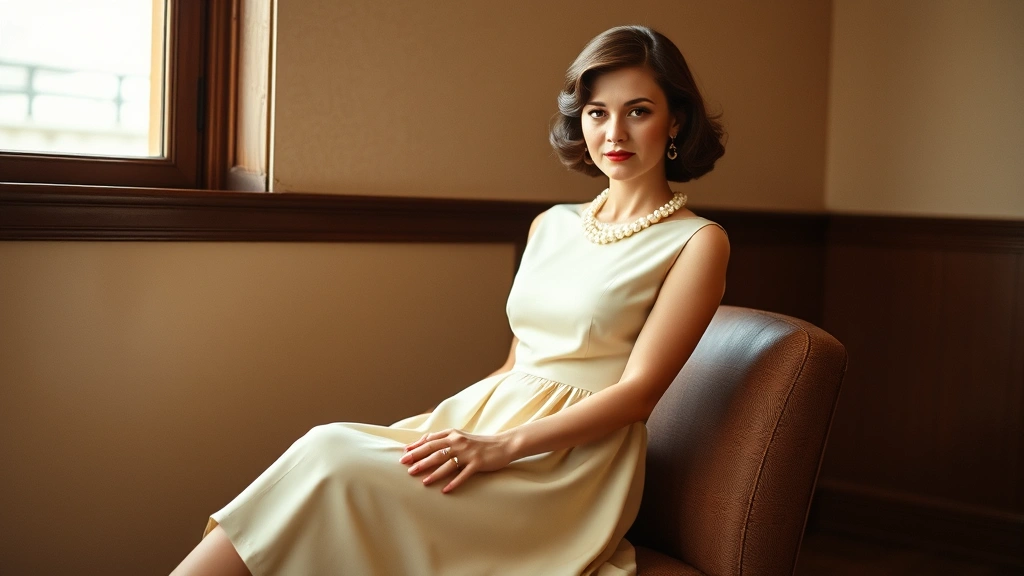
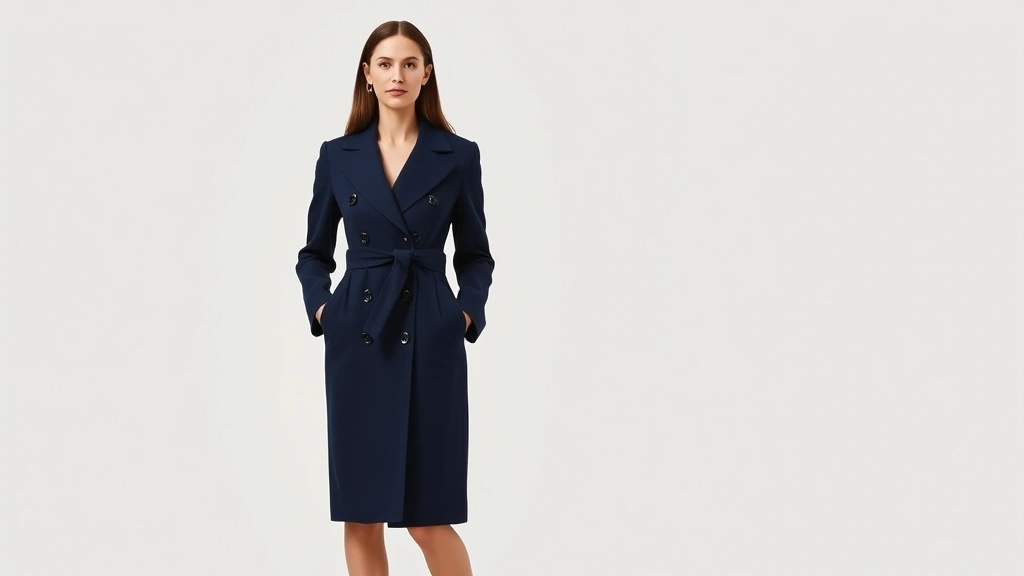
- The A-line silhouette: Jackie favored structured, A-line dresses and coats that provided both elegance and practicality, flattering various body types while maintaining sophistication
- Minimal jewelry: She believed in the power of restraint, often wearing simple pearl necklaces and understated accessories that complemented rather than competed with her outfits
- Neutral color palettes: While she occasionally wore bold colors, Jackie’s signature look incorporated creams, blacks, navies, and pastels that conveyed timeless elegance
- Tailored precision: Every garment was impeccably fitted, with seams aligned perfectly and proportions calculated to create a seamless silhouette
- Quality over quantity: Her wardrobe philosophy emphasized investing in exceptional pieces rather than accumulating trendy items
These elements weren’t random choices; they reflected a sophisticated understanding of how clothing could serve as a tool for communication and self-presentation. When exploring different types of fashion styles, Jackie’s approach stands out as a masterclass in creating a cohesive personal aesthetic that transcends individual trends.
Her Relationship with Designers
Jackie Kennedy’s collaborations with designers represent a fascinating case study in how public figures can shape fashion while remaining true to a personal vision. Her primary partnership with Oleg Cassini lasted throughout the Kennedy administration and beyond, creating a synergy that elevated both her profile and his design career. Cassini understood Jackie’s aesthetic preferences implicitly, creating pieces that balanced her desire for modernity with her appreciation for timeless elegance.
Beyond Cassini, Jackie worked with other renowned designers including Hubert de Givenchy and Chanel, each collaboration adding distinct elements to her evolving style. These partnerships weren’t about following designer trends; rather, they were about collaborating with artists who understood her vision and could execute it flawlessly. The relationship between Jackie and her designers demonstrates the importance of finding creative partners who align with your personal philosophy—a principle applicable whether you’re pursuing a career in fashion design or simply developing your personal style.
What made these collaborations particularly significant was Jackie’s active involvement in the design process. She didn’t simply wear what designers created; she provided direction, feedback, and vision. This collaborative approach resulted in pieces that felt authentically hers rather than simply showcasing a designer’s ego. The lesson here is powerful: true style emerges from the intersection of personal vision and expert execution.
The Pillbox Hat Phenomenon
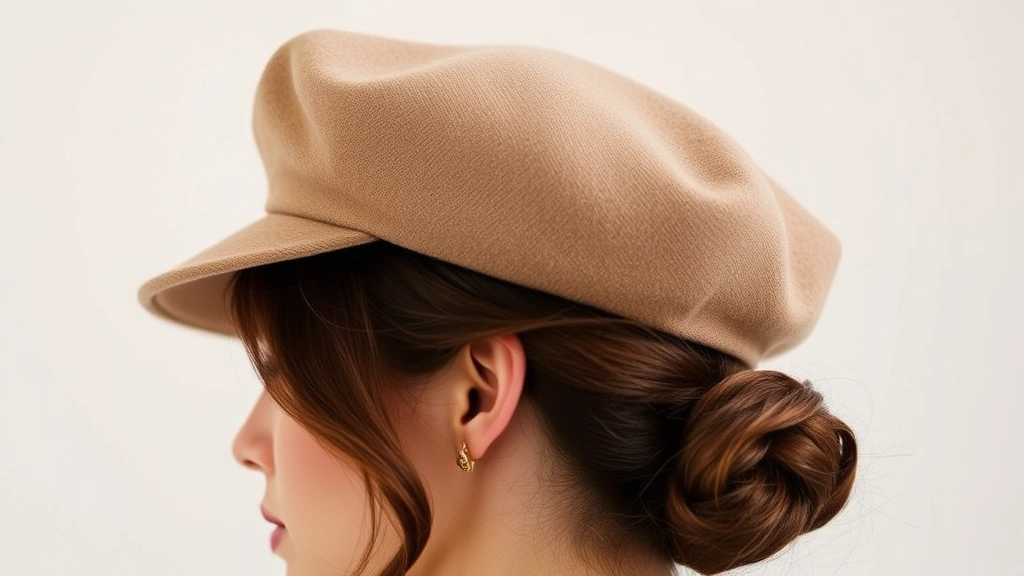
Perhaps no single item encapsulates Jackie Kennedy’s influence on fashion more completely than the pillbox hat. This seemingly simple accessory became so associated with her image that it fundamentally altered hat-wearing culture in America. The pillbox hat—a small, rounded, brimless hat typically worn toward the front of the head—became the defining accessory of the early 1960s, largely due to Jackie’s frequent use of it.
The iconic pillbox hat worn during President Kennedy’s inauguration in 1961 became instantly recognizable and widely copied. Millinery experienced a renaissance during the Kennedy years, with women across America seeking to replicate Jackie’s sophisticated accessory choices. The hat represented more than just fashion; it symbolized a return to formality and elegance during a period of rapid social change. Understanding the principles taught in fashion design education helps explain how a single accessory could have such profound cultural impact—it’s about proportion, placement, and how details can transform an entire silhouette.
The pillbox hat’s enduring association with Jackie Kennedy demonstrates how personal style choices can transcend the moment and become permanent cultural markers. Decades later, when contemporary designers reference or reinterpret the pillbox hat, they’re acknowledging Jackie’s transformative influence on fashion history. This phenomenon illustrates that true style impact isn’t measured in seasons; it’s measured in decades and generations.
Color Psychology in Jackie’s Wardrobe
While Jackie Kennedy is often remembered for her neutral color palette, a deeper examination of her wardrobe reveals a sophisticated understanding of color psychology and how specific hues could serve different purposes. Her color choices were never random; they were strategic selections that aligned with the message she wanted to communicate at any given moment.
Jackie’s preference for pastels—particularly pale pink, soft blue, and cream—conveyed approachability and femininity while maintaining the formality her position demanded. These colors appeared frequently in her daytime wear and less formal occasions, creating a visual softness that made her seem relatable despite her elevated status. Her use of bold colors was more selective and purposeful. When she wore vibrant red, emerald green, or deep purple, it was typically for significant occasions where she wanted to project confidence and authority.
Black held particular significance in her wardrobe, representing both elegance and mourning, formality and simplicity. Her mastery of black clothing—from black evening gowns to black day dresses—demonstrated how a single color could be infinitely versatile when paired with quality fabrics, impeccable tailoring, and thoughtful accessories. This understanding of color as a communication tool extends to contemporary fashion discussions, including how modern brands approach color selection in their collections.
Modern Designers Inspired by Jackie Kennedy
The influence of Jackie Kennedy on contemporary fashion remains remarkably strong, with designers across the luxury and contemporary segments drawing inspiration from her aesthetic principles. Fashion houses from Carolina Herrera to Ralph Lauren have explicitly referenced Jackie’s style in their collections, recognizing that her approach to elegance continues to resonate with modern consumers seeking timeless rather than trendy pieces.
Contemporary designers appreciate Jackie’s emphasis on craftsmanship, proportion, and the power of restraint. In an era of fast fashion and rapid trend cycles, her philosophy of investing in quality pieces feels increasingly relevant and revolutionary. Young designers studying fashion design degrees often examine Jackie Kennedy’s wardrobe as a case study in personal branding and the creation of an iconic aesthetic. Her approach demonstrates that true style transcends seasonal trends and personal fashion evolution while maintaining a coherent visual identity.
The resurgence of interest in vintage Kennedy-era fashion, the popularity of pillbox hats on contemporary runways, and the continued relevance of A-line silhouettes all testify to Jackie’s enduring influence. Modern celebrities and style icons frequently reference her aesthetic when discussing their own fashion philosophies, indicating that her impact has not diminished but rather has been integrated into the foundational principles of contemporary style.
Accessibility and Aspiration
One fascinating aspect of Jackie Kennedy’s fashion impact is how her style managed to be simultaneously aspirational and accessible. While she wore custom couture pieces designed specifically for her, the general silhouettes and principles of her style could be—and were—replicated at every price point. Department stores across America offered “Jackie-inspired” pieces, making her aesthetic available to women of varying economic circumstances.
This democratization of Jackie’s style is crucial to understanding her cultural impact. She didn’t create a fashion aesthetic that only the wealthy could access; instead, she established principles of good taste that anyone could apply to their own wardrobe. A woman without the resources for custom Cassini pieces could still adopt the A-line silhouette, invest in quality basics, and apply the principle of less-is-more to her personal style. This accessibility is a significant part of why her influence persists today.
The relationship between Jackie’s haute couture wardrobe and her influence on mass market fashion reveals important truths about style leadership. True fashion icons don’t hoard their aesthetic for the elite; they inspire a broad cultural shift in how people think about dressing. Whether you’re exploring different fashion eras and their characteristics or developing your personal style, understanding how Jackie made elegance feel achievable offers valuable lessons in creating fashion that resonates beyond a single demographic.
FAQ
What was Jackie Kennedy’s favorite designer?
While Jackie worked with several renowned designers, Oleg Cassini was her primary designer during the Kennedy administration and remained an important collaborator afterward. Cassini understood her vision for American elegance and created pieces that became synonymous with her style. However, she also worked with Hubert de Givenchy and occasionally wore Chanel, demonstrating her appreciation for multiple design perspectives.
How did Jackie Kennedy influence fashion in the 1960s?
Jackie’s influence on 1960s fashion was profound and multifaceted. She elevated the pillbox hat to iconic status, popularized A-line silhouettes, demonstrated the power of tailoring and proportion, and established that elegance didn’t require ornamentation. Her style choices were widely covered in media and immediately replicated by fashion designers and manufacturers, making her influence felt across all price points and demographics.
What are the key elements of Jackie Kennedy style?
The key elements include: A-line silhouettes, minimal jewelry, neutral color palettes with occasional bold accent colors, impeccable tailoring, quality fabrics, elegant simplicity, and a focus on proportion and fit. Her style emphasized timelessness over trendiness and believed that less is more in terms of accessories and ornamentation.
Why did Jackie Kennedy wear pillbox hats?
Jackie wore pillbox hats for both practical and aesthetic reasons. The hat was flattering to her face shape and complemented her overall silhouette. She also appreciated its formality and elegance. However, her frequent wearing of pillbox hats also made them fashionable, creating a trend that defined the early 1960s. The hat became so associated with her image that it remains iconic decades later.
How can I incorporate Jackie Kennedy style into my modern wardrobe?
You can incorporate Jackie’s style by focusing on quality basics in neutral colors, investing in well-tailored pieces that fit perfectly, keeping accessories minimal and elegant, choosing classic silhouettes over trendy ones, and building a cohesive wardrobe where pieces work together. Emphasize proportion, invest in quality fabrics, and remember that true style is about creating a personal aesthetic that transcends individual trends.
Did Jackie Kennedy shop at affordable stores?
While Jackie’s personal wardrobe consisted primarily of custom couture pieces, her influence extended to affordable fashion. Department stores and ready-to-wear manufacturers created Jackie-inspired pieces at various price points, making her aesthetic accessible to middle-class American women. This democratization of her style is part of what made her influence so broad and lasting.
What external fashion authorities have written about Jackie Kennedy’s influence?
Vogue has extensively documented Jackie Kennedy’s fashion legacy through numerous articles and retrospectives. Harper’s Bazaar frequently references her style in discussions of fashion history and contemporary trends. The Metropolitan Museum of Art has featured exhibitions examining her wardrobe and cultural impact. Fashion historians and style experts continue to analyze her influence through academic publications and fashion journalism.