Gala Fashion Tips: Expert Insights from the Master of Ceremonies
The gala season represents the pinnacle of formal fashion, where elegance meets sophistication and every detail matters. Whether you’re attending a charity ball, black-tie wedding, or prestigious awards ceremony, understanding gala fashion requires more than just picking an expensive outfit. It demands knowledge, finesse, and an appreciation for the traditions that make these events timeless. The role of the toastmaster or master of ceremonies—that distinguished gentleman who announces guests and guides the evening’s proceedings—exemplifies the polished aesthetic that gala attendees should aspire to achieve.
This comprehensive guide draws inspiration from the sartorial excellence displayed by formal event announcers and combines it with contemporary fashion wisdom to help you navigate gala season with confidence. From understanding dress codes to mastering the art of accessorizing, we’ll explore every facet of gala fashion that transforms an ordinary attendee into a true style icon. Let’s discover how to channel that authoritative elegance and commanding presence that defines formal event fashion.
Understanding Gala Dress Codes and Their Nuances
The foundation of successful gala fashion begins with deciphering dress codes. Unlike casual events, galas operate within a strict sartorial language that communicates respect, understanding, and cultural awareness. The most common gala dress code is black-tie, which demands tuxedos for men and formal gowns for women. However, variations exist that require careful attention.
Black-tie optional allows for slightly more flexibility, permitting elegant dark suits as alternatives to tuxedos. White-tie represents the most formal dress code, requiring tailcoats, white piqué waistcoats, and white bow ties—the uniform of choice for those distinguished announcers at state balls and royal galas. Understanding these distinctions prevents fashion faux pas that could undermine your presence at the event.
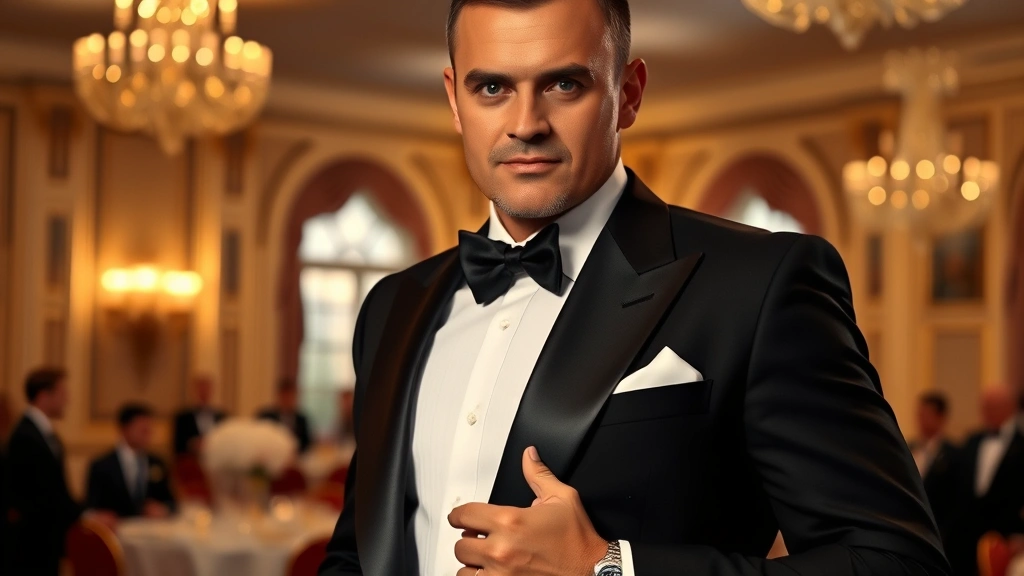
The master of ceremonies at traditional galas embodies the essence of formal dress code adherence. His impeccable presentation serves as a visual anchor for guests, setting the tone for the evening’s formality level. By studying how these event professionals dress, you gain insight into the precision and intentionality required for gala fashion success. Every element, from the crisp fold of a pocket square to the polish of dress shoes, communicates professionalism and respect for the occasion.
When you receive a gala invitation, always verify the specific dress code requirements. Some galas feature themed dress codes like black-tie tropical or cocktail attire, which blend formal expectations with creative expression. Consulting the Fashion Style Guide can help clarify expectations and inspire your approach to these variations.
The Anatomy of Perfect Formal Wear
Creating a flawless gala ensemble requires understanding the essential components that comprise formal wear. For men, the tuxedo remains the gold standard, consisting of a black or midnight blue jacket with satin lapels, matching trousers with satin side stripes, a white dress shirt, and a bow tie. Each element serves a purpose beyond aesthetics—it represents centuries of refined tradition and social understanding.
The tuxedo jacket’s construction differs significantly from business suits. The peak lapels or shawl lapels are typically faced with silk or satin, creating a subtle sheen that photographs beautifully under gala lighting. The jacket’s cut should be precise, hitting just below the hip and allowing approximately a half-inch of shirt cuff to show at the wrist. This proportion creates visual harmony and demonstrates sartorial knowledge.
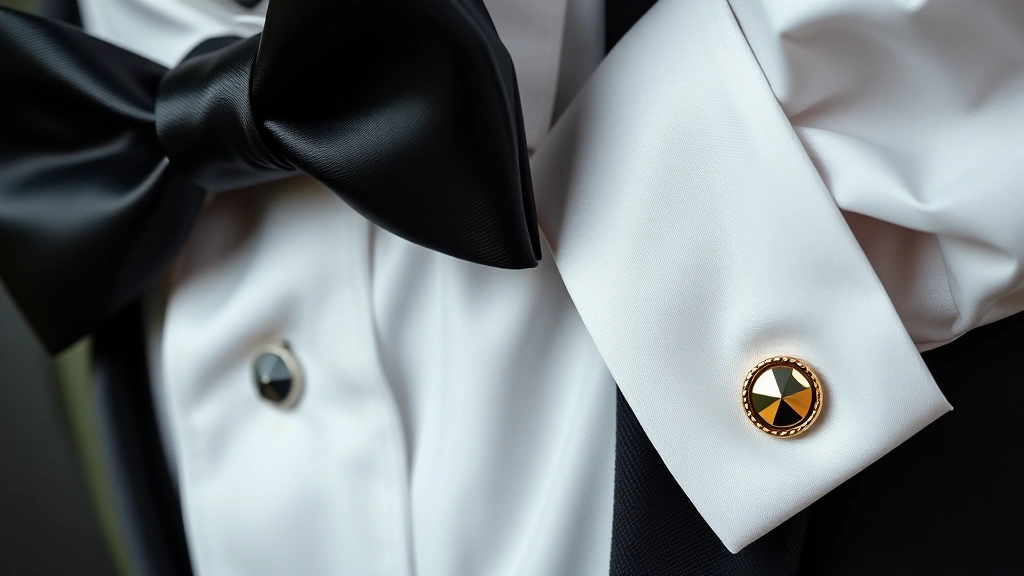
The dress shirt is equally critical. A proper formal shirt features a wing collar or standard collar with studs instead of buttons down the front, along with cufflinks at the wrists. The white piqué fabric provides structure and formality that regular cotton cannot achieve. Many formal occasions require a matching white waistcoat or cummerbund, items that the ceremonial announcers at prestigious galas always incorporate with precision.
Women’s formal gowns demand equal attention to construction and quality. A gala gown should feature excellent tailoring, premium fabric, and a silhouette that flatters your body while maintaining elegance. Whether you prefer classic ball gowns, sleek sheaths, or dramatic high-low designs, the key is selecting pieces that make you feel confident and beautiful. Exploring Fashion Nova Dresses can provide inspiration for contemporary formal styling options.
Color Psychology and Strategic Color Selection
Color choice at galas extends far beyond personal preference—it’s a strategic decision that influences how others perceive you and how you photograph in formal settings. Black remains the traditional choice for black-tie events, offering timeless elegance and a slimming silhouette. However, the fashion world has increasingly embraced alternatives like midnight blue, charcoal, and even deep jewel tones.
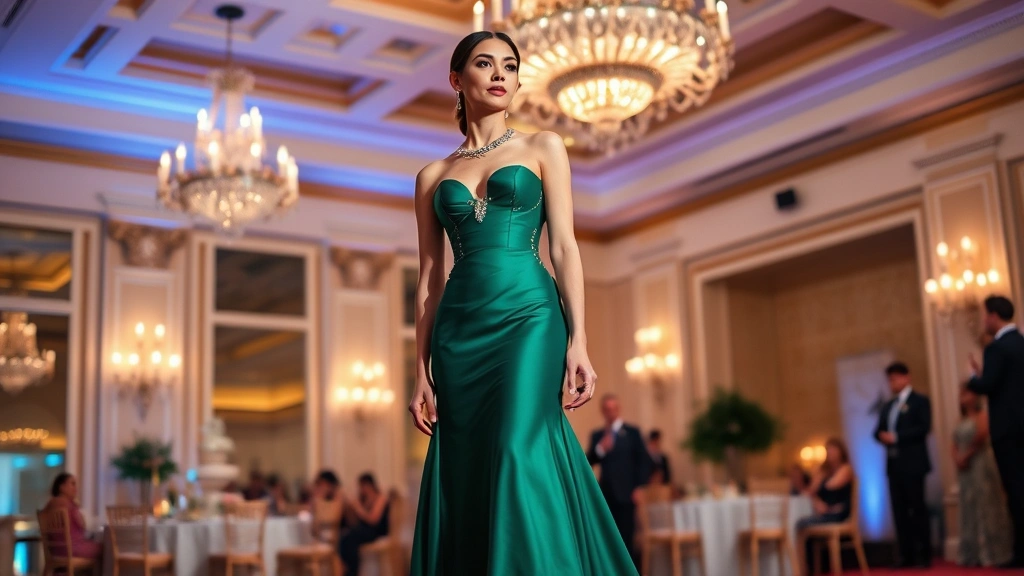
For women, color options expand dramatically. Deep burgundy, emerald green, and sapphire blue have become increasingly popular, offering sophistication while allowing personal expression. These jewel tones photograph beautifully and create striking visual impact under gala lighting. Classic choices like silver, gold, and champagne add luminosity and glamour.
The color of your gown should complement your skin tone, hair color, and personal undertones. Cool-toned individuals shine in silvers, blues, and purples, while warm-toned people radiate in golds, corals, and warm reds. Understanding your color palette—a concept explored in depth in our article on How to Find Your Personal Style—ensures your gala outfit feels authentically you while maintaining formal elegance.
The master of ceremonies traditionally wears black or white, colors that symbolize authority and formality. These neutral choices keep attention on the event and the guests, a valuable lesson for anyone attending a gala. Consider whether you want your color choice to make a statement or provide a sophisticated backdrop for jewelry and accessories.
Accessorizing Like a Master Presenter
Accessories elevate a gala outfit from adequate to exceptional. The formal event announcer understands that accessories are the final brushstrokes on a masterpiece, adding personality and polish without overwhelming the ensemble. Cufflinks serve as the male equivalent of jewelry at formal events, offering an opportunity to express subtle personality through design and material. Mother-of-pearl, onyx, or simple silver cufflinks all communicate refinement.
A quality pocket square adds dimension and visual interest to a tuxedo jacket. Unlike casual pocket squares, formal versions should be folded simply and feature subtle colors—white, silver, or matching the tie color. The width should barely extend above the jacket pocket opening, demonstrating restraint and formality.
The bow tie represents perhaps the most important accessory decision for men attending galas. Pre-tied bow ties, while convenient, lack the sophistication of properly tied versions. Learning to tie a bow tie is an investment in your formal fashion credibility. The knot should be symmetrical and sit snugly against the collar, neither too large nor too small.
Women’s accessory choices deserve equally thoughtful consideration. Statement earrings, necklaces, or bracelets can transform a simple gown into a show-stopping look. However, the principle of restraint applies here too. Choose either a dramatic necklace or dramatic earrings, not both. A clutch or small evening bag should coordinate with your gown and footwear, typically in metallic tones or matching colors.
A shawl, stole, or wrap serves both practical and aesthetic purposes, adding elegance while providing warmth. Luxurious materials like silk, cashmere, or faux fur elevate your entire presentation. The formal event presenter who guides your evening would approve of accessories that enhance rather than compete with your overall aesthetic.
Shoe Selection and Grooming Essentials
Gala footwear serves as the foundation for your entire look, both literally and figuratively. For men, black patent leather oxfords or black satin dress shoes are the standard. These shoes should be impeccably polished, with no scuffs or signs of wear. The sheen of patent leather adds formality and reflects light beautifully in gala settings. Some formal occasions permit black velvet slippers with embroidered details, a more daring choice that still maintains sophistication.
Women’s formal shoes offer more variety while maintaining elegance. Black heels remain the safest choice, but metallics, jewel tones, or even nude shades can work beautifully depending on your gown. The heel height should allow comfortable movement throughout the evening—remember, you may be standing, dancing, and navigating a crowd. A comfortable heel between two and four inches typically offers the best balance of elegance and practicality.
Grooming extends beyond clothing to personal presentation. Hair should be styled in an elegant updo, sleek ponytail, or polished waves. Avoid overly trendy hairstyles that might date your gala photos. Makeup for women should be refined and camera-ready, with emphasis on well-groomed eyebrows, defined eyes, and classic lip colors like deep reds or nudes. Men should be freshly shaved or sport a well-groomed beard, with neatly trimmed hair.
Nail care deserves mention as an often-overlooked detail. Clean, well-manicured nails—whether polished or natural—communicate attention to detail. Women might choose classic reds, deep wines, or neutral tones for formal events. Men should ensure nails are trimmed short and clean, as hands are visible during handshakes and dining.
Women’s Gala Fashion Excellence and Gown Selection
Women’s gala fashion offers incredible opportunity for elegance and personal expression within formal parameters. The classic ball gown silhouette remains eternally fashionable, featuring a fitted bodice and voluminous skirt that creates drama and sophistication. This style flatters many body types and photographs beautifully. Alternatively, sleek sheath gowns offer a modern, sophisticated aesthetic that emphasizes a streamlined silhouette.
Fabric selection profoundly impacts how your gown photographs and moves. Silk, satin, and crepe create elegant draping and luxurious appearance. Tulle and organza add volume and romantic appeal. Avoid synthetic fabrics that might look cheap or uncomfortable. Premium materials justify their cost through longevity and appearance.
The neckline of your gown sets the tone for your entire look. Sweetheart necklines offer classic femininity, V-necks create an elongating effect, halter necks provide dramatic flair, and off-shoulder designs add contemporary sophistication. Consider your comfort level, body type, and the specific gala’s formality when selecting neckline styles.
Embellishments should enhance rather than overwhelm. Beading, sequins, and embroidery add glamour and catch light beautifully in formal settings. However, balance ornate details with simpler elements. A heavily beaded bodice pairs well with a simple skirt, or vice versa. This principle of balance keeps your look refined rather than costume-like.
For those seeking inspiration on contemporary formal styling, exploring 90s Fashion trends reveals how classic formal elements can be interpreted through different eras. Vintage-inspired gowns and retro-modern combinations offer unique approaches to traditional gala dressing.
Tailoring and Fit Perfection
Perhaps the most critical factor in gala fashion success is proper tailoring. An expensive gown or tuxedo that fits poorly will always look less polished than a moderately priced piece tailored to perfection. Professional tailoring should be considered non-negotiable for formal wear, as off-the-rack pieces rarely fit all body types ideally.
For men’s tuxedos, critical tailoring adjustments include trouser length, jacket length, shoulder seams, and sleeve length. Trousers should break slightly on the shoe, creating a subtle fold at the ankle. The jacket should hit at the hip bone, with sleeves revealing approximately half an inch of shirt cuff. These precise measurements transform a good tuxedo into an exceptional one.
Women’s gowns require equally detailed attention. The dress should skim your body without clinging or pulling. The hem should either graze the floor or create a subtle train, depending on your style preference. Straps should sit comfortably without cutting into shoulders, and the bodice should provide proper support. A professional tailor can add boning, adjust seams, and modify lengths to create a perfectly customized fit.
Don’t underestimate the importance of undergarments in achieving proper fit. Quality shapewear for women creates smooth lines under gowns, while proper dress shirt fit for men ensures the tuxedo drapes correctly. These invisible elements significantly impact your overall appearance and comfort throughout the evening.
Modern Gala Trends for 2024 and Beyond
While gala fashion maintains timeless elements, contemporary trends continue to evolve and influence formal wear. The Style Loom Daily Blog regularly features cutting-edge insights on how traditional formal wear adapts to modern sensibilities.
Gender-fluid formal wear has become increasingly accepted at galas, with individuals mixing traditionally masculine and feminine elements. Women wear tailored tuxedos with statement jewelry, while men experiment with draping fabrics and unconventional silhouettes. This evolution reflects changing fashion attitudes while maintaining the formality gala occasions demand.
Sustainable luxury influences gala fashion as conscious consumers seek formal wear from ethical designers. Vintage couture gowns and rental services offer sustainable alternatives to fast fashion, allowing individuals to wear exceptional pieces without environmental guilt. Vogue frequently highlights designers leading this movement toward responsible luxury.
Bold color choices continue replacing the traditional all-black requirement. Deep jewel tones, rich burgundies, and even unexpected shades like terracotta and emerald appear at prestigious galas. This trend allows personal expression while maintaining formal elegance.
Minimalist accessories have replaced the more-is-more approach of previous decades. A single statement piece—whether dramatic earrings, a bold ring, or an ornate clutch—creates more impact than multiple accessories competing for attention. This refined restraint echoes the elegant simplicity demonstrated by formal event announcers who understand that less truly is more.
Technology influences gala fashion through innovative fabrics that offer stretch and comfort while maintaining formal appearance. Performance fabrics that resist wrinkles and maintain shape throughout long events appeal to modern attendees seeking practicality without sacrificing style.
Understanding The Complete Fashion History Timeline provides context for how gala fashion has evolved while maintaining core principles of elegance and formality that transcend trends.
Frequently Asked Questions
What’s the difference between black-tie and white-tie dress codes?
Black-tie requires a tuxedo with a black bow tie and black jacket, while white-tie is the most formal, requiring a tailcoat, white piqué waistcoat, and white bow tie. White-tie is typically reserved for state balls, royal events, and the most prestigious galas.
Can I wear a colored tuxedo to a gala?
While midnight blue and charcoal are increasingly acceptable alternatives to pure black, true formal galas typically require black or very dark colors. Always verify the specific dress code before choosing a colored tuxedo.
Is it appropriate to wear a gala dress from a previous year?
Absolutely. Gala fashion emphasizes timeless elegance over trends. A well-made gown from previous seasons will always be appropriate if it fits perfectly and remains in excellent condition.
What jewelry is appropriate for men at galas?
Men should limit jewelry to cufflinks, a watch, and a simple ring or two. Avoid overly flashy pieces. The focus should remain on the formal wear itself, with jewelry serving as subtle accents.
How much should I spend on gala attire?
Investment level depends on frequency of gala attendance. Those attending multiple events annually benefit from purchasing quality pieces, while occasional attendees might rent or borrow. Quality matters more than price—a well-made piece at any price point, properly tailored, will look exceptional.
Can I wear flat shoes to a gala?
While heels are traditional for women’s formal wear, flat elegant shoes or dressy sandals are acceptable if they coordinate with your gown. The key is that footwear appears intentional and elegant rather than casual.
What should I do about my hair and makeup for a gala?
Hair should be styled elegantly, either up or in polished waves. Makeup should be refined and camera-ready with classic colors. Avoid overly trendy styles that might look dated in photos. Consider hiring a professional stylist for important events.