How to Wear Vintage? Expert Vintage Guide
Vintage fashion has transcended the realm of thrift store finds and nostalgic nostalgia to become a legitimate style statement that fashion-forward individuals embrace with confidence and creativity. Whether you’re drawn to the elegant silhouettes of the 1950s, the rebellious spirit of the 1970s, or the minimalist charm of the 1990s, vintage clothing offers a unique opportunity to express your individuality while making a sustainable fashion choice. The art of wearing vintage isn’t about looking like you’ve stepped out of a time machine—it’s about curating pieces that resonate with your personal aesthetic and blending them seamlessly with contemporary fashion.
The beauty of vintage fashion lies in its authenticity and craftsmanship. Garments from previous decades were often constructed with superior materials and attention to detail that many modern fast-fashion pieces simply cannot replicate. When you invest in vintage, you’re not just acquiring clothing; you’re becoming a custodian of fashion history. This comprehensive guide will walk you through everything you need to know about incorporating vintage pieces into your wardrobe, from sourcing authentic items to styling them in ways that feel current and fresh.
Understanding Vintage Fashion Eras
Before you begin your vintage journey, it’s essential to understand the distinct characteristics of different fashion eras. Each decade has its own signature silhouettes, color palettes, and design philosophies that define its aesthetic. The 1940s brought structured tailoring and practical elegance born from wartime sensibilities, featuring high-waisted trousers, peplum tops, and A-line skirts. The 1950s elevated femininity with full skirts, cinched waists, and polished sophistication—think Grace Kelly and Audrey Hepburn. This era celebrated curves and elegance in ways that continue to inspire designers today.
The 1960s introduced mod silhouettes, bold geometric patterns, and the revolutionary mini skirt that challenged fashion conventions. If you’re interested in exploring how fashion continues to evolve, check out our article on 90s fashion trends that also revolutionized the industry. The 1970s embraced bohemian elements, earthy tones, and flowing fabrics that represented a cultural shift toward freedom and self-expression. The 1980s brought power dressing, bold shoulders, and maximalist aesthetics, while the 1990s introduced grunge minimalism and slip dresses that rejected the excess of the previous decade.
Understanding these eras helps you make informed choices about which vintage pieces align with your personal style sensibilities. You might find yourself drawn to the romantic femininity of the 1950s, the artistic rebellion of the 1970s, or the understated elegance of the early 2000s. Once you identify your preferred era, you can focus your hunting efforts and develop a cohesive vintage aesthetic that feels authentically you.
How to Identify Authentic Vintage Pieces
The vintage fashion market has exploded in recent years, which unfortunately means counterfeit and mislabeled items are increasingly common. Learning to identify authentic vintage pieces is crucial if you want to invest wisely in your wardrobe. True vintage is typically defined as clothing that is at least 20-30 years old, though some purists argue it should be even older. The first step in authentication is examining labels and tags carefully.
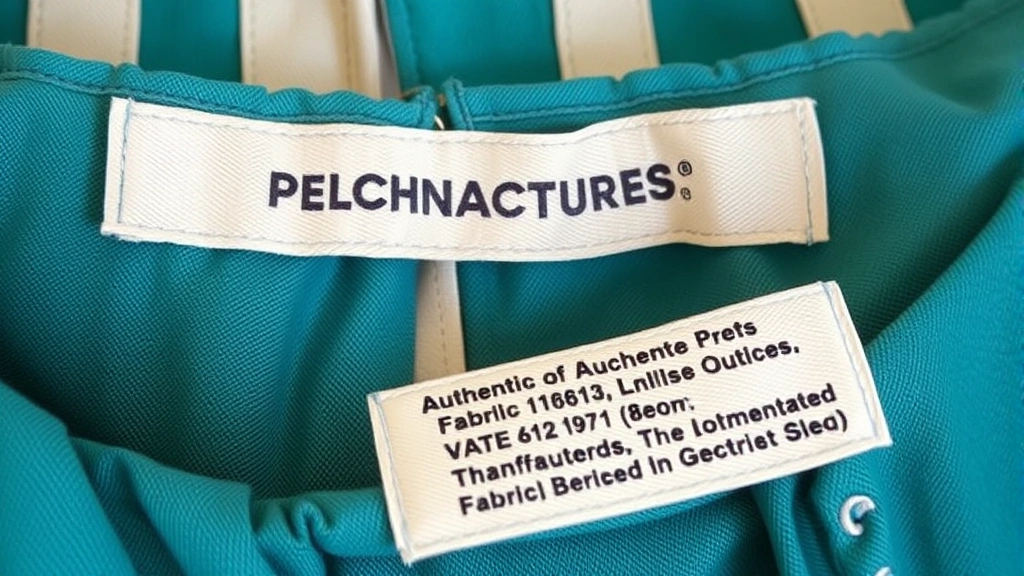
Authentic vintage pieces often feature labels that reflect the manufacturing standards and design practices of their era. Research the label—legitimate vintage items from reputable designers will have labels that match the brand’s historical design. Check the construction quality, fabric composition, and stitching patterns. Vintage garments typically showcase superior craftsmanship, with reinforced seams, quality linings, and attention to detail that modern mass production often overlooks.
Fabric content labels are another excellent authentication tool. Vintage items from the 1950s and 1960s might feature labels with percentages that seem unusual by today’s standards, reflecting the different fabric innovations of that era. Natural fibers like wool, silk, and cotton were more prevalent in authentic vintage pieces, though synthetics became increasingly common from the 1960s onward. Examine the condition realistically—authentic vintage shows appropriate signs of age without excessive damage.
Price can also be an indicator of authenticity. If a vintage piece from a prestigious designer is suspiciously cheap, it might be a reproduction or mislabeled item. Research comparable sales and understand the market value for specific eras and designers. Connect with vintage fashion communities online, visit reputable vintage boutiques, and consult resources from Vogue and other fashion authorities to educate yourself about authentic vintage markers.
Building Your Vintage Wardrobe Foundation
Rather than diving headfirst into vintage shopping and accumulating random pieces, approach building your vintage wardrobe strategically. Start by identifying your personal style preferences and color palette. Consider the silhouettes that make you feel confident and comfortable, then seek vintage pieces that align with those preferences. This foundational approach ensures your vintage acquisitions actually integrate into your existing wardrobe rather than becoming disconnected novelties.
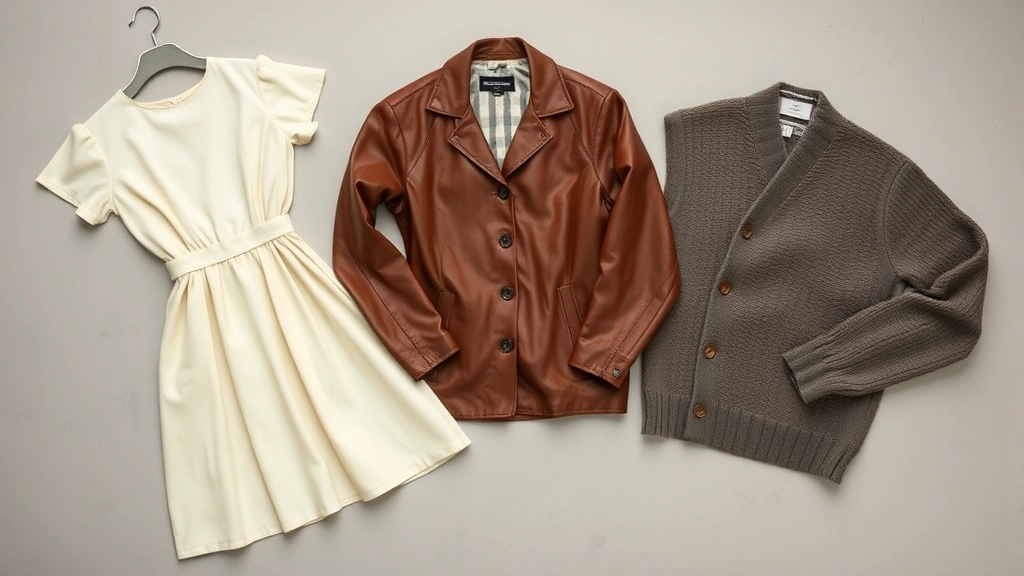
Begin with versatile basics that can be styled multiple ways. A well-fitted vintage blazer from the 1980s can become a power piece in your professional wardrobe, while a vintage white button-down shirt transcends eras and pairs beautifully with contemporary pieces. Classic denim from different decades offers unique washes and fits that modern manufacturers struggle to replicate authentically. When you’re learning how to find your personal style, vintage pieces can serve as anchors that define your aesthetic.
Invest in statement pieces that excite you and reflect your personality. A stunning vintage dress, a unique leather jacket, or an ornate beaded top can become the centerpiece of an outfit around which you build modern accessories and basics. These statement pieces are where vintage fashion truly shines, offering one-of-a-kind designs that no contemporary brand can replicate. Consider your lifestyle and choose vintage pieces that are practical for your daily life—there’s no point acquiring a delicate 1920s beaded gown if you have nowhere to wear it.
Prioritize quality over quantity in your vintage acquisitions. One beautifully constructed vintage coat in your favorite color will serve you far better than five mediocre pieces. Examine each potential purchase for wearability, asking yourself honestly whether you’ll actually incorporate it into your wardrobe or if it’s simply a nostalgic impulse buy.
Styling Vintage with Modern Pieces
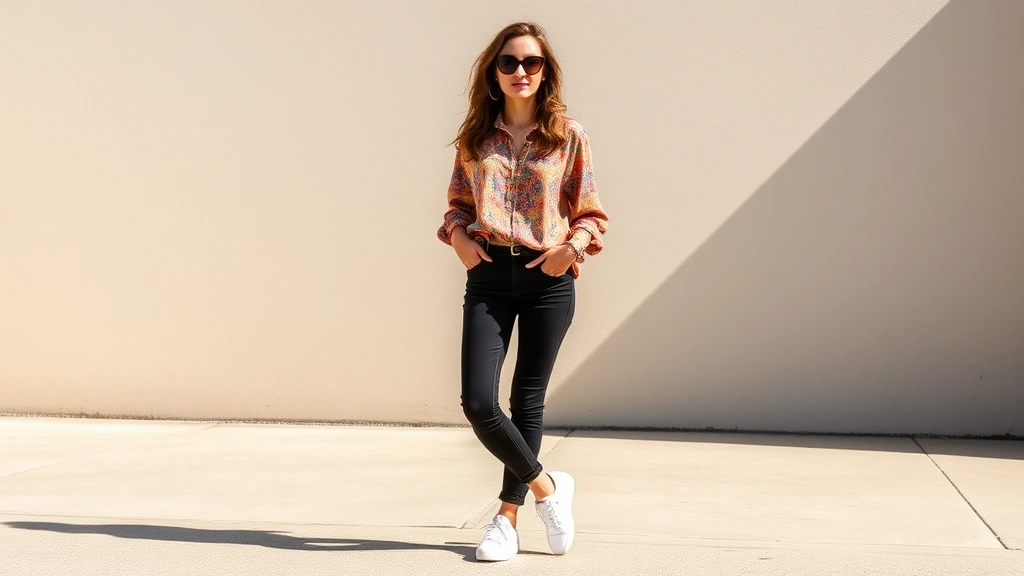
The secret to wearing vintage successfully is balancing it with contemporary pieces to create a cohesive, modern aesthetic. Pairing a 1970s bohemian blouse with current-season denim and minimalist sneakers prevents you from looking like you’re wearing a costume. This blending approach allows vintage pieces to enhance your style rather than dominate it or appear dated.
One effective strategy is the 70/30 rule: wear vintage pieces as 30% of your outfit while keeping 70% contemporary. This ensures your look feels current while still showcasing your vintage find. A vintage slip dress becomes fresh when styled with a modern oversized blazer, contemporary jewelry, and current footwear. A 1980s statement blouse pairs beautifully with straight-leg modern jeans and minimalist accessories.
Consider the color coordination between vintage and modern pieces. Vintage items often feature color palettes specific to their era—the burnt oranges and avocado greens of the 1970s, the pastels of the 1980s, or the earth tones of the 1990s. Grounding these colors with neutral modern basics prevents the overall look from feeling costume-like. A vintage patterned blouse in period-appropriate colors becomes wearable when paired with black or white modern pieces.
Footwear and accessories serve as crucial bridges between vintage and contemporary styling. Modern shoes, bags, and jewelry instantly update vintage pieces, signaling that you’re making an intentional style choice rather than accidentally looking outdated. A vintage 1950s dress gains contemporary edge when paired with modern ankle boots instead of period-appropriate heels. Vintage accessories like scarves and brooches can accent modern outfits, adding character without overwhelming the look.
Experiment with layering vintage pieces. A vintage slip dress over a contemporary long-sleeve tee creates a fresh silhouette that feels current. A vintage cardigan layered over modern basics adds texture and interest. This approach allows you to wear vintage pieces that might feel too bare or dated on their own while creating sophisticated, multidimensional outfits.
Where to Shop for Vintage Clothing
Finding quality vintage pieces requires knowing where to look and understanding the different shopping environments. Local thrift stores like Goodwill and Salvation Army offer affordable options, though they require patience and consistent hunting. Visit regularly, as inventory changes frequently, and you might discover incredible pieces if you’re willing to dig through less desirable items.
Specialized vintage boutiques curate selections and often provide authentication guarantees, though prices reflect this curation and expertise. These shops are excellent for learning about vintage fashion, as owners typically possess deep knowledge about eras, designers, and authentication. Support local vintage businesses in your community—these curators are preserving fashion history while helping you build a sustainable wardrobe.
Online platforms like Etsy, Vestiaire Collective, and Depop connect you with vintage sellers worldwide, offering unprecedented selection. These platforms include seller ratings and return policies that provide some protection, though you must examine photos carefully and ask detailed questions about condition and measurements. The Style Loom Daily Blog frequently features recommendations for online vintage resources and shopping guides.
Estate sales and auction houses occasionally offer vintage fashion treasures, particularly if the estate belonged to someone with refined taste. These venues require time investment but can yield exceptional finds. Attend local auctions, preview sales carefully, and set realistic budgets before bidding.
Fashion resale platforms like TheRealReal and Vestiaire Collective specialize in authenticated luxury vintage and contemporary pieces. While prices are higher, authentication guarantees and return policies justify the investment for significant purchases. Consult fashion authority Vogue’s guide to online vintage stores for additional curated recommendations.
Consider following vintage fashion influencers and stylists on social media—many offer styling services or direct followers to their favorite sources. Building relationships with trusted vintage sellers, whether online or in-person, helps you access new inventory and receive personalized recommendations aligned with your preferences.
Care and Maintenance Tips
Vintage clothing requires special care to preserve its condition and longevity. Many vintage pieces have survived decades through proper storage and handling—you should continue this tradition. Store vintage items in a cool, dry place away from direct sunlight, which fades fabrics over time. Use acid-free tissue paper when storing folded items, and avoid plastic bags that trap moisture and encourage mildew.
Hang delicate vintage pieces on padded hangers to prevent stretching and stress on shoulder seams. Heavier items like coats and sweaters should be folded and stored in drawers or shelves. Maintain consistent temperature and humidity levels—fluctuations cause fabrics to expand and contract, potentially damaging delicate materials.
Cleaning vintage clothing requires caution, as older fabrics may be fragile and dyes might not be colorfast. Spot-clean when possible, testing any cleaning solution on an inconspicuous area first. For delicate pieces, consider professional dry cleaning from specialists experienced with vintage garments. Always check care labels, though vintage labels might offer limited guidance by modern standards.
Address stains and damage promptly to prevent them from setting or worsening. However, avoid aggressive treatment that might compromise fabric integrity. Some vintage enthusiasts embrace minor imperfections as evidence of authenticity and history—a small stain or slight discoloration often adds character rather than detracting from the piece.
Repair vintage items thoughtfully, maintaining original construction when possible. A skilled tailor experienced with vintage garments can adjust fit while preserving the piece’s integrity and value. Avoid removing vintage seams or significantly altering construction, as this diminishes authenticity.
Common Vintage Fashion Mistakes
Even enthusiastic vintage fashion lovers make mistakes that undermine their efforts. One common error is wearing entire outfits from a single era, which creates a costume effect rather than a stylish ensemble. Mixing eras—pairing a 1970s top with 1990s denim and 2020s sneakers—creates a sophisticated, intentional aesthetic that reads as fashion-forward rather than confused.
Another mistake is acquiring vintage pieces that don’t fit properly, assuming you’ll alter them eventually. Vintage items should generally fit well immediately or require only minor adjustments. Significant alterations compromise the piece’s integrity and might not be possible given vintage construction methods. Be honest about your body and choose pieces that celebrate your current shape rather than forcing yourself into sizes that don’t work.
Ignoring condition issues is a costly mistake. Small stains, loose seams, or fabric deterioration might seem minor when purchasing, but they worsen with wear. Examine every piece thoroughly before committing to purchase, asking sellers about any damage and factoring repair costs into your decision.
Overpaying for vintage pieces due to emotional attachment or brand name is another common pitfall. Research comparable sales and understand market values before purchasing. Just because something is vintage doesn’t guarantee it’s worth the asking price—condition, rarity, and desirability all factor into appropriate pricing.
Many people make the mistake of not considering their actual lifestyle when purchasing vintage. That gorgeous 1950s dress might be beautiful, but if you work in a casual environment and spend weekends hiking, it won’t integrate into your life. Choose vintage pieces that align with how you actually spend your time.
Finally, avoid treating vintage as a trend rather than a genuine style commitment. Vintage fashion requires thoughtfulness and intentionality. Approach it as a way to express your authentic style and values, not as a passing fad. When you wear vintage, wear it with confidence, understanding that you’re making a statement about sustainability, individuality, and appreciation for fashion craftsmanship. Explore how fashion continues to evolve by reading about Grammys fashion to see how modern celebrities incorporate vintage elements into red carpet looks.
FAQ
What exactly qualifies as vintage fashion?
Vintage fashion typically refers to clothing that is at least 20-30 years old, though definitions vary. Some consider anything from the 1950s onward as vintage, while purists argue true vintage should be from the 1940s or earlier. The key distinction is that vintage items are original pieces from their era, not reproductions or inspired designs. Clothing from 1995-2000 is sometimes called “Y2K vintage” or “early 2000s vintage,” while items from 2000-2010 might be classified as “recent vintage.” The most important factor is that the piece is an authentic original from its time period.
How do I know if vintage clothing will actually fit me?
Vintage sizing differs significantly from modern sizing, as body standards and manufacturing practices have changed. Always ask sellers for detailed measurements rather than relying on labeled sizes. Request measurements for bust, waist, hip, length, and sleeve length if applicable. Compare these measurements to garments you currently own and fit well. Keep in mind that vintage items often featured more generous seam allowances, allowing some room for minor alterations. However, avoid purchasing pieces that require significant alterations, as vintage construction might not accommodate major changes.
Is vintage fashion sustainable?
Absolutely. Wearing vintage is one of the most sustainable fashion choices you can make. By purchasing secondhand clothing, you’re extending the garment’s lifecycle and preventing it from ending up in landfills. You’re also reducing demand for new production, which decreases the environmental impact associated with manufacturing, shipping, and packaging. Vintage shopping supports circular fashion principles and reduces your personal carbon footprint significantly compared to purchasing new items. Additionally, you’re supporting small businesses and local economies rather than contributing to fast-fashion corporations.
Can I wear vintage to professional settings?
Definitely. Many vintage pieces are appropriate for professional environments, particularly tailored items from the 1970s-1990s. A vintage blazer, structured dress, or crisp button-down shirt can work beautifully in corporate settings. The key is ensuring the piece fits well, is in good condition, and is styled professionally. Pair vintage professional pieces with contemporary accessories and grooming to signal intentionality. Avoid overly trendy or costume-like pieces in professional settings, focusing instead on classic silhouettes that were appropriate in their original era. Many style-conscious professionals use vintage to differentiate themselves while maintaining workplace appropriateness.
How much should I expect to spend on vintage clothing?
Vintage pricing varies dramatically depending on source, designer, condition, and rarity. Thrift stores typically offer pieces for $5-50, while specialized vintage boutiques charge $30-300+ for curated items. Designer vintage and rare pieces can cost significantly more, sometimes exceeding $1,000. Set a budget aligned with your financial situation and the piece’s importance to your wardrobe. Remember that investing in one quality vintage piece is preferable to accumulating many mediocre items. Research comparable sales and understand market values to avoid overpaying, but also recognize that exceptional pieces sometimes justify premium prices.
Where can I learn more about vintage fashion styling?
Numerous resources exist for deepening your vintage fashion knowledge. Follow vintage fashion influencers and stylists on social media for inspiration and styling ideas. Read books dedicated to vintage fashion history and styling. Consult fashion magazines and websites like Vogue for vintage styling features. Visit vintage boutiques and chat with knowledgeable owners who can teach you about eras and authentication. Join online vintage fashion communities on Reddit, Facebook, and specialized forums where enthusiasts share knowledge. Consider taking fashion design degree programs if you want formal education in fashion history and styling. Attend vintage fashion events, pop-ups, and markets in your community to connect with other enthusiasts and learn directly from curators.