Goth Fashion for Men: Expert Styling Tips
Gothic fashion has transcended its subcultural origins to become a legitimate and respected aesthetic choice for men worldwide. Far from being relegated to dark basement clubs or niche communities, goth fashion now appears on high-fashion runways, in celebrity streetwear, and as a genuine form of self-expression for those seeking to cultivate a distinctive personal style. For men interested in exploring this dramatic and compelling fashion movement, understanding the nuances of goth styling is essential to creating an authentic, cohesive look that reflects individual personality while honoring the aesthetic’s rich history.
Goth fashion for men is not simply about wearing black clothing and dark makeup. Rather, it represents a sophisticated approach to fashion that emphasizes drama, elegance, and intentionality. Whether you’re drawn to the romantic Victorian influences, the industrial edge of cybergoth, or the sleek minimalism of modern goth aesthetics, this comprehensive guide will provide you with expert styling tips to develop your own compelling goth wardrobe. From foundational pieces to accessory choices, we’ll explore how to build a cohesive look that commands attention and authentically expresses your personal style vision.
Understanding Goth Fashion Fundamentals
Before diving into specific styling tips, it’s crucial to understand what defines goth fashion and how it has evolved. Gothic fashion emerged in the 1980s as a response to post-punk music and aesthetics, drawing heavily from Victorian, Edwardian, and medieval influences. The aesthetic celebrates darkness, romance, and a certain theatrical quality that sets it apart from mainstream fashion. For men, this means embracing silhouettes and details that might traditionally be considered unconventional in contemporary menswear.
The beauty of goth fashion lies in its emphasis on individuality and creative expression. Unlike many fashion movements that dictate strict rules, goth styling encourages personal interpretation and innovation. A man can explore gothic aesthetics through various subgenres—from the romantic goth look inspired by Victorian literature to the aggressive industrial goth aesthetic influenced by bands and electronic music. Understanding these distinctions helps you identify which aspects of goth fashion resonate most deeply with your personal aesthetic vision.
When exploring how to find your personal style, goth fashion offers a compelling framework for self-discovery. The movement’s emphasis on authenticity means you’re encouraged to blend elements from different goth subgenres and combine them with your own unique sensibilities. This approach creates truly individualized looks that reflect your personality while maintaining the cohesion and intentionality that defines quality goth styling.
Essential Goth Wardrobe Pieces for Men
Building a functional goth wardrobe begins with investing in quality foundational pieces that serve as the backbone of your styling options. These essential items provide versatility while maintaining the aesthetic integrity that defines goth fashion. Understanding which pieces are truly essential allows you to build a wardrobe efficiently, ensuring maximum styling possibilities from a curated collection.
Black Tailored Shirts and Blouses represent the foundation of any respectable goth wardrobe. Look for pieces with interesting details—Victorian collars, billowing sleeves, button-front designs, or subtle texture variations. A well-fitted black dress shirt can be dressed up or down, layered or worn alone, making it one of the most versatile pieces you can own. Consider investing in both fitted and oversized silhouettes to expand your styling options.
Structured Jackets and Coats are absolutely essential for creating impactful goth looks. A tailored black blazer offers sophistication and structure, while longer coats—particularly Victorian-inspired greatcoats or modern floor-length dusters—create dramatic silhouettes that define the goth aesthetic. Leather jackets, particularly those with hardware details or unique cuts, add an edge to your overall presentation. Don’t limit yourself to black; deep purples, burgundies, and charcoal grays can work beautifully within goth styling parameters.
Fitted Black Trousers in various weights and finishes should form the core of your bottoms collection. Seek out pieces with interesting details like side straps, zipper accents, or subtle sheen finishes. Tapered silhouettes work particularly well for goth styling, emphasizing the vertical lines that create dramatic proportions. Consider pairing traditional black trousers with more adventurous tops to balance proportion and visual interest.
Alternative Bottoms expand your styling possibilities considerably. Cargo pants with multiple pockets, vinyl or leather pants for a more industrial aesthetic, and knee-length or longer skirts (yes, many goth men wear skirts as part of their aesthetic) offer visual interest while maintaining the dark, dramatic quality essential to goth fashion. Kilt-style pieces, particularly in black or dark tartan patterns, provide a distinctly goth-friendly option that bridges alternative and traditional menswear aesthetics.
Color Palettes and Fabric Choices
While black dominates goth fashion, understanding how to work with an expanded color palette elevates your styling game significantly. The most sophisticated goth looks incorporate secondary colors strategically, creating visual depth and preventing monotony while maintaining the aesthetic’s essential darkness and drama.
Primary Colors: Black remains the foundation of nearly every goth outfit. However, charcoal gray, deep navy, and dark brown provide excellent alternatives that still convey the required darkness while offering subtle variety. These neutral alternatives work particularly well for basics, allowing you to reserve pure black for statement pieces that command attention.
Secondary Colors: Deep jewel tones—burgundy, dark emerald, forest green, and midnight blue—integrate beautifully into goth palettes. These colors provide visual interest without compromising the aesthetic’s essential darkness. Deep purple, particularly in fabrics with sheen or texture, creates an elegant, romantic quality. Red, when used sparingly and in deep shades, adds drama and sophistication to goth compositions.
Accent Colors: Silver, white, and metallic accents provide contrast and visual interest. Lace details in ivory or cream create romantic elements, while silver jewelry and hardware details add glamour. Some goth stylists incorporate touches of gold for a more opulent, Victorian-inspired aesthetic. The key is restraint—these accents should enhance rather than dominate your overall look.
Fabric Selection: Texture plays a crucial role in goth styling. Cotton provides breathability and structure, while velvet creates luxury and romance. Lace, whether as overlays, panels, or full pieces, embodies the romantic goth aesthetic. Leather and vinyl offer industrial edge and visual interest. Satin and silk create elegant drape and subtle sheen. Combining different textures within a single outfit creates visual depth and prevents your look from appearing flat or one-dimensional.
Mastering Layering Techniques
Layering represents one of the most powerful tools in goth styling, allowing you to create complex, visually interesting silhouettes while maintaining functionality and versatility. Strategic layering adds dimension, creates proportion, and demonstrates sophisticated fashion understanding.
The Foundation Layer: Begin with a well-fitted base—typically a black fitted shirt, long-sleeved tee, or thermal. This foundation provides structure and sets the stage for additional layers. Ensure this layer is tailored appropriately to your body, as ill-fitting foundations undermine even the most carefully constructed outfits.
The Middle Layer: This is where visual interest develops. Consider a sheer black shirt worn over your fitted base, a mesh long-sleeve creating texture, or a patterned piece in dark colors. This layer should add dimension without overwhelming your silhouette. Vests, waistcoats, and corset-style pieces work beautifully as middle layers, creating structure and visual interest while maintaining the goth aesthetic’s dramatic quality.
The Outer Layer: Your jacket, coat, or cloak serves as the final statement. Choose pieces that complement your middle and base layers while commanding attention. A floor-length coat creates maximum drama, while a tailored jacket offers sophistication. The outer layer should feel intentional and considered, not like an afterthought added for warmth.
When layering, consider proportion carefully. If you’re wearing fitted base and middle layers, balance with a more voluminous outer piece. Conversely, oversized outer layers work beautifully with more structured underlayers. The interplay between fitted and loose silhouettes creates visual interest and prevents your outfit from appearing either too severe or too shapeless.
Accessorizing Like a Gothic Style Icon
Accessories elevate goth styling from basic black clothing to sophisticated, intentional fashion statements. Strategic accessorizing demonstrates understanding of the aesthetic while allowing personal expression and creativity.
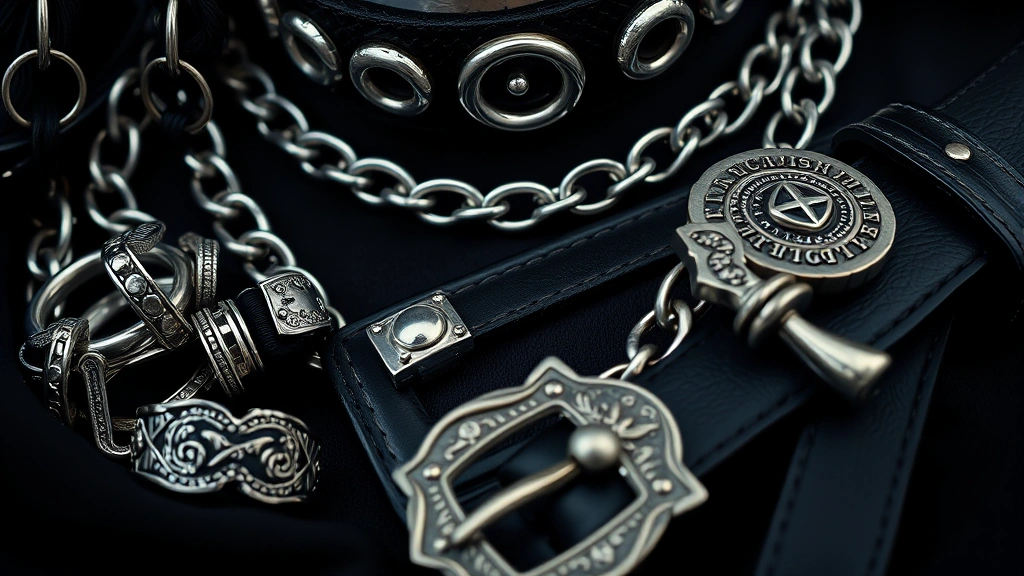
Jewelry: Silver dominates goth jewelry, though some stylists incorporate gold for a more opulent Victorian approach. Chunky rings, particularly those featuring skulls, crosses, or other gothic symbols, make powerful statements. Chokers—whether velvet, leather, or metal chain styles—create dramatic necklines and emphasize the theatrical quality of goth fashion. Pendant necklaces, particularly those with meaningful symbols or interesting designs, work beautifully over layered tops. Consider stacking multiple necklaces at varying lengths for added visual interest. Cuffs, bangles, and arm cuffs in metal or leather add edge and draw attention to your hands and forearms.
Belts and Harnesses: Beyond their functional purpose, belts become design elements in goth styling. Seek pieces with interesting buckles—ornate, skull-shaped, or industrial designs. Wide leather belts create definition and structure, while chain belts add edge. Harnesses and chest pieces create architectural interest and emphasize the theatrical, avant-garde qualities of goth fashion. These pieces work particularly well when worn over looser outer layers.
Bags and Carrying Pieces: Crossbody bags in black leather, chain-detailed designs, or structured silhouettes complement goth aesthetics. Vintage-inspired satchels, sleek modern backpacks, or ornate vintage pieces all work depending on your specific goth subgenre preference. Consider the proportions of your overall outfit when selecting a bag—oversized pieces balance fitted clothing, while smaller bags work with more voluminous silhouettes.
Hair Accessories: Chains, clips, and ornamental pieces integrated into hairstyles add sophistication and visual interest. Consider how accessories interact with your chosen hairstyle, ensuring they enhance rather than compete with your overall composition.
Footwear Selection and Styling
Footwear serves as both functional necessity and crucial style element in goth fashion. The right shoes anchor your entire outfit, creating visual completion while expressing your specific goth aesthetic interpretation.
Combat Boots: These represent the quintessential goth footwear choice. Black combat boots, whether classic military-inspired designs or more contemporary interpretations, work with virtually every goth outfit. Look for boots with interesting details—buckles, straps, or unique lacing systems. Height varies from ankle to knee-high; taller boots create dramatic lines and work beautifully with skirts or fitted trousers. Ensure proper fit and break-in time, as quality combat boots require patience but reward you with durability and timeless style.
Platform Shoes: Platforms add height and create dramatic silhouettes while providing practical comfort. Goth-appropriate platforms include creepers, platform boots, and chunky oxford shoes. These pieces work particularly well with shorter trousers or skirts, emphasizing leg lines while adding visual interest at the foundation of your outfit.
Dress Shoes: For more formal goth occasions, quality dress shoes in black leather provide sophistication. Consider shoes with interesting details—buckles, unusual stitching, or unique silhouettes—rather than strictly traditional designs. Pointed-toe shoes create elegant lines, while rounded toes offer a slightly softer aesthetic.
Specialty Footwear: Depending on your specific goth subgenre, consider exploring creepers, Victorian-style boots, or industrial-inspired footwear. Cyberpunk aesthetics might call for futuristic designs, while romantic goth might embrace more ornate, vintage-inspired pieces. The key is ensuring your footwear integrates cohesively with your overall aesthetic vision.
Grooming and Makeup for Goth Men
Personal grooming and makeup choices significantly impact your overall goth aesthetic. These elements deserve thoughtful consideration and experimentation to develop a look that feels authentically yours.
Hair: Hair styling offers tremendous opportunity for personal expression within goth aesthetics. Long hair, whether straight, curled, or crimped, creates dramatic silhouettes and embodies romantic goth sensibilities. Shorter, more structured cuts work beautifully for cyborgoth or industrial aesthetics. Color options include jet black (achieved through dye for most), deep purples, burgundies, or traditional colors with dramatic styling. Consider how your chosen hairstyle interacts with your clothing and overall aesthetic—proportions matter, and your hair should complement rather than overwhelm your silhouette.
Makeup: Goth makeup for men ranges from subtle to theatrical, depending on personal preference and context. Even minimal makeup—dark eyeliner creating definition around the eyes—significantly impacts your overall aesthetic. More dramatic approaches include full eye makeup with dark eyeshadow, kohl-lined eyes, and pale foundation creating contrast with dark elements. Some goth stylists incorporate nail polish, typically in black or deep colors, adding subtle but impactful details. The key is ensuring makeup looks intentional rather than accidental; quality products and proper application technique matter significantly.
Skincare: Regardless of makeup choices, proper skincare creates the foundation for any grooming routine. Pale skin, often associated with goth aesthetics, requires diligent sun protection and moisturization. Develop a consistent skincare routine addressing your specific skin type, ensuring healthy, clear skin that allows makeup to look its best.
Creating Your Signature Goth Look
Understanding individual goth subgenres helps you develop a cohesive personal aesthetic rather than simply assembling random dark clothing.
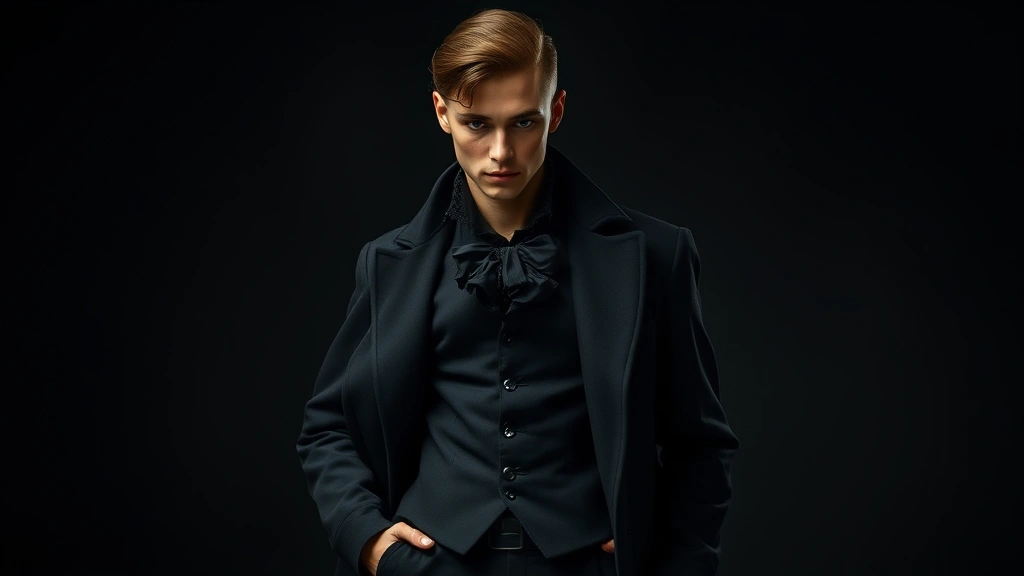
Romantic Goth: This aesthetic emphasizes Victorian and Edwardian influences, incorporating lace, velvet, and ornate details. Think flowing silhouettes, rich burgundies alongside black, and jewelry featuring romantic motifs. This style celebrates elegance and historical references, creating looks that feel literary and sophisticated. Pair billowing black shirts with fitted vests, add lace details, and incorporate vintage-inspired accessories for maximum romantic impact.
Cybergoth: This futuristic interpretation combines goth darkness with cyberpunk influences. Industrial elements—vinyl, PVC, metallic details—dominate this aesthetic. Geometric silhouettes, technological accessories, and bold color combinations (neon accents with black) characterize cybergoth styling. Platform boots, structured jackets, and statement jewelry create the distinctive cybergoth silhouette.
Deathrock Goth: Drawing from punk influences, deathrock emphasizes edge and attitude. Ripped fabrics, band merchandise, and more aggressive styling define this subgenre. Leather jackets, chains, studs, and darker makeup create the deathrock aesthetic. This style celebrates rebellion and raw authenticity, rejecting overly polished presentations.
Victorian Goth: This historically-inspired aesthetic recreates 19th-century silhouettes and details with a dark, gothic twist. Tailored jackets, structured trousers, ornate vests, and period-appropriate accessories create authentic Victorian compositions. Research historical menswear to ensure accuracy while maintaining the goth aesthetic’s essential darkness and drama.
As you explore the complete fashion history timeline, you’ll notice how goth fashion draws from multiple historical periods while remaining distinctly contemporary. Understanding these influences enriches your styling choices and helps you make intentional decisions about which elements resonate with your personal vision.
Remember that developing a signature goth look requires experimentation and patience. Start with foundational pieces and gradually introduce more distinctive elements as you develop confidence in your personal aesthetic. Visit StyleLoom Daily Blog for ongoing inspiration and style guidance as you develop your goth wardrobe. Don’t hesitate to blend elements from different goth subgenres—the most compelling goth looks often combine influences in unexpected, creative ways.
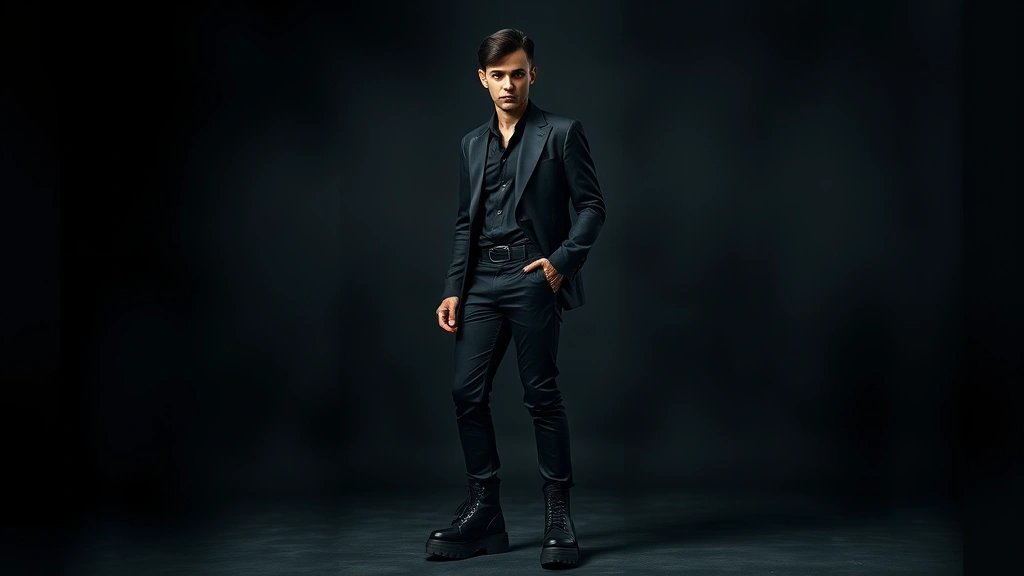
Goth fashion for men represents a powerful form of self-expression that celebrates individuality, creativity, and intentionality. By understanding fundamental aesthetic principles, investing in quality foundational pieces, and experimenting thoughtfully with colors, textures, and accessories, you can develop a signature goth look that feels authentically yours. Whether you’re drawn to romantic Victorian influences, aggressive industrial aesthetics, or contemporary cyberpunk interpretations, the goth fashion movement provides a framework for creating compelling, distinctive personal style that commands attention and respect. Embrace the darkness, celebrate the drama, and develop a goth aesthetic that reflects your unique personality and vision.
FAQ
What’s the difference between goth fashion and emo fashion?
While both aesthetics embrace darkness and alternative styling, goth fashion emphasizes historical influences, theatrical drama, and sophisticated silhouettes. Emo fashion, emerging from emotional hardcore music, focuses more on youth culture, band merchandise, and emotional expression. Goth fashion celebrates elegance and intentionality, while emo prioritizes emotional authenticity and accessibility. The two can overlap, but they represent distinct aesthetic philosophies.
Can I incorporate goth fashion into professional settings?
Absolutely. Goth styling principles—quality tailoring, sophisticated color palettes, intentional accessorizing—apply beautifully to professional contexts. Choose structured black suits, pair them with interesting textures, and incorporate subtle goth elements through jewelry or accessories. Many corporate environments now accept more individualized fashion expression, particularly if your styling remains polished and professional.
How do I start building a goth wardrobe on a budget?
Begin with foundational pieces: black fitted shirts, quality black trousers, and a tailored jacket. These basics form the foundation for endless outfit combinations. Gradually add texture through accessories, layering pieces, and secondary garments as budget allows. Thrift stores and online vintage retailers offer excellent options for unique pieces at reasonable prices. Quality matters more than quantity; invest in well-made basics that last rather than accumulating numerous low-quality items.
Is goth fashion only for people who listen to goth music?
No. While goth fashion emerged from goth music culture, the aesthetic has evolved into a legitimate fashion choice independent of musical preferences. Many people embrace goth styling purely for aesthetic reasons, without identifying with goth music or subculture. Fashion is about personal expression; enjoy goth aesthetics for whatever reasons resonate with you.
How do I balance goth fashion with contemporary trends?
Goth fashion’s emphasis on timeless silhouettes and quality pieces naturally resists trend-chasing. However, you can incorporate contemporary elements thoughtfully—updated proportions, modern fabrics, or current color combinations—while maintaining goth aesthetic integrity. The key is ensuring contemporary elements enhance rather than undermine your overall goth vision. Quality and intentionality always outweigh trendy details.
Where can I find quality goth fashion pieces?
Dedicated alternative fashion retailers offer extensive goth-specific collections. Vintage and thrift stores provide unique historical pieces and authentic designs. Contemporary fashion designers increasingly incorporate goth influences into mainline collections. Online communities and forums connect goth stylists with reliable retailers and designers. Don’t overlook traditional menswear retailers offering quality basics that work beautifully within goth styling frameworks. Investing in tailoring services ensures perfect fit regardless of where you source pieces.
How important is makeup in goth fashion for men?
Makeup remains optional. Many men embrace goth fashion without makeup, relying instead on clothing and styling choices to convey their aesthetic. However, even minimal makeup—eyeliner or subtle eyeshadow—significantly impacts your overall presentation. Experiment to determine what feels authentic and comfortable for you. The goth community celebrates personal expression; there’s no single correct approach.