Best Whiskey for Old Fashioned? Bartenders Recommend
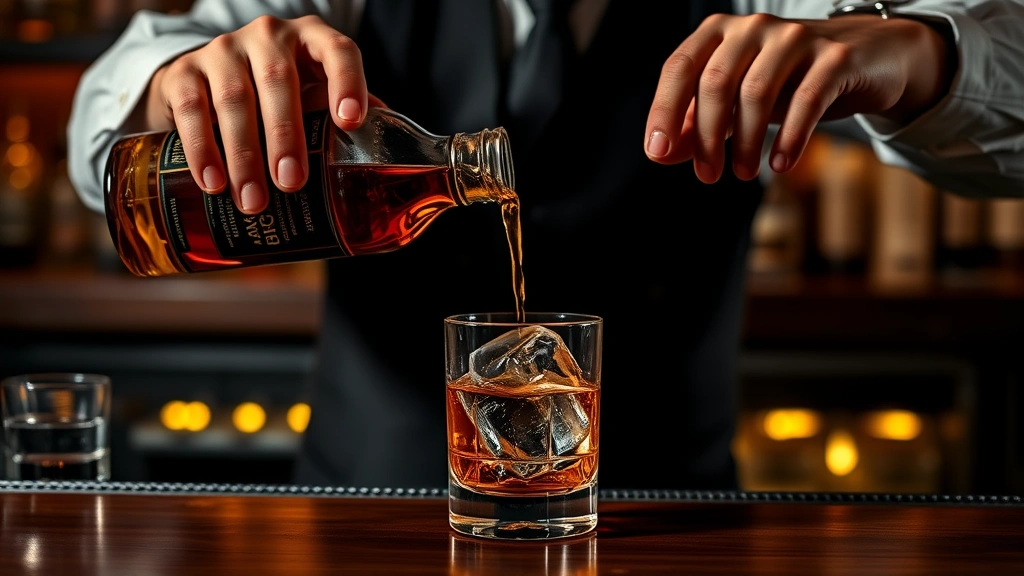
The Old Fashioned stands as one of cocktail culture’s most iconic and timeless drinks, much like how classic style transcends seasonal trends. This sophisticated whiskey cocktail demands precision, quality ingredients, and most importantly, the right whiskey selection. Whether you’re crafting cocktails at home or exploring the art of mixology, understanding which whiskeys elevate an Old Fashioned from ordinary to extraordinary is essential knowledge for any enthusiast.
Bartenders worldwide agree that whiskey selection makes or breaks this deceptively simple drink. With only four components—whiskey, sugar, bitters, and a citrus twist—there’s nowhere to hide inferior spirits. The whiskey becomes the star, and choosing wisely transforms your drinking experience into something truly memorable and refined.
What Makes a Great Old Fashioned Whiskey
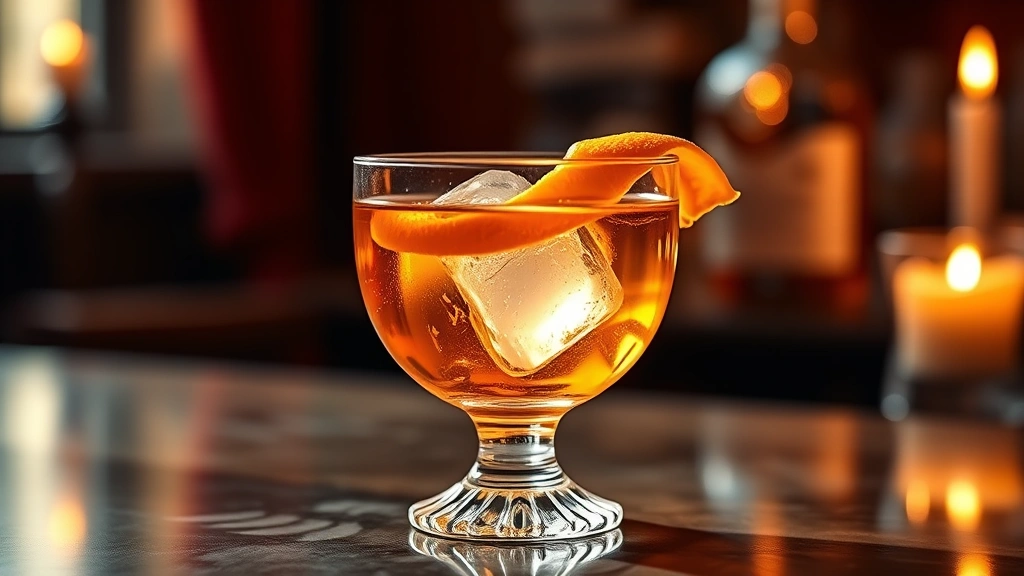
The foundation of an exceptional Old Fashioned lies in understanding whiskey characteristics that complement this cocktail’s minimalist approach. Unlike complex mixed drinks that mask whiskey imperfections, an Old Fashioned demands transparency. Every note, every flavor profile, and every subtle characteristic becomes apparent in your glass.
Professional bartenders prioritize several key qualities when selecting whiskey for this classic cocktail. Complexity stands paramount—the spirit should offer layered flavors that evolve from the first sip to the finish. A whiskey with depth reveals itself gradually, creating an engaging drinking experience rather than a one-dimensional taste.
Balance is equally critical. The whiskey shouldn’t be overly aggressive with alcohol burn, nor should it be so smooth that it lacks character. The sweet spot exists where warmth, flavor, and refinement coexist harmoniously. High-rye bourbons and rye whiskeys naturally provide this balance, delivering spice and complexity without overwhelming the palate.
Oak influence matters tremendously. Whiskeys aged in quality barrels develop vanilla, caramel, and wood notes that marry beautifully with sugar and bitters. However, over-oaking can create harshness that doesn’t complement the drink’s elegance. Bartenders seek whiskeys with sophisticated oak integration rather than oak dominance.
The proof of your chosen whiskey influences the final product significantly. Higher proof spirits (above 100 proof) maintain their character when diluted with ice and water, preventing the drink from becoming watered-down or losing its essential personality. Lower proof whiskeys risk becoming too soft and losing their defining characteristics in the cocktail.
Top Bartender Recommendations
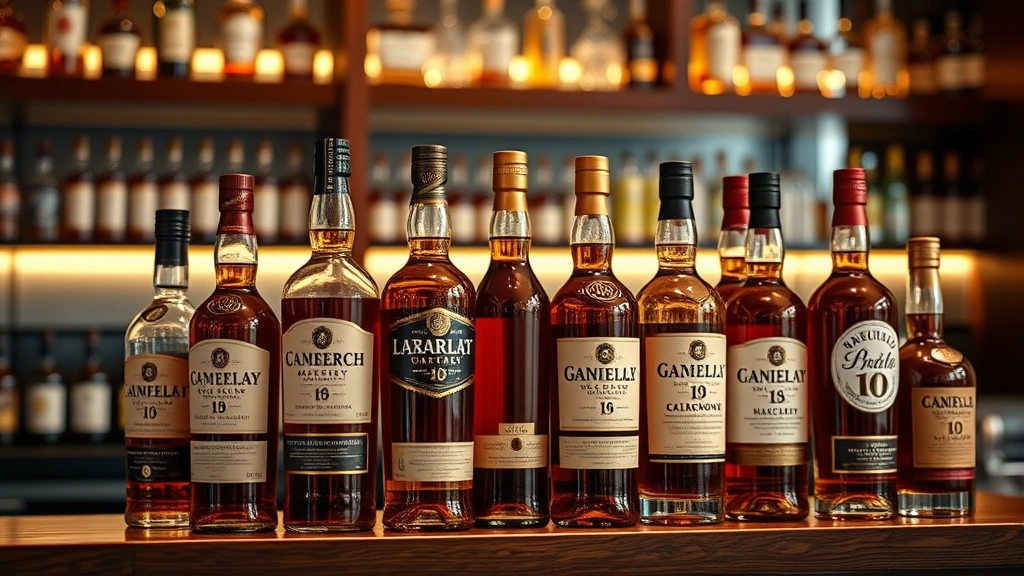
When surveying award-winning bartenders across prestigious establishments, certain whiskeys consistently emerge as favorites for crafting exceptional Old Fashioneds. These recommendations represent years of professional experience and thousands of cocktails crafted with precision.
Woodford Reserve dominates bartender recommendations for Old Fashioneds. This Kentucky bourbon offers remarkable balance with notes of dried fruit, vanilla, and spice that integrate seamlessly into the cocktail. Its 90.4 proof provides adequate strength without excessive alcohol presence, making it accessible yet sophisticated. Bartenders appreciate its consistency and the way it plays with bitters and sugar without overshadowing the drink’s elegant simplicity.
Four Roses Small Batch represents another bartender favorite, prized for its high rye content and floral notes. This bourbon brings complexity and subtle spice that elevates the Old Fashioned beyond basic execution. The whiskey’s proof of 90 allows for proper dilution while maintaining character, and its approachable price point appeals to bartenders seeking quality without excessive expense.
Buffalo Trace earns consistent praise for its versatility and depth. This wheated bourbon offers softer characteristics than rye-forward options, creating Old Fashioneds with rounder, more approachable profiles. The vanilla and caramel notes complement sugar beautifully, making it ideal for those preferring sweeter, more refined cocktails.
Rye whiskey selections have gained tremendous traction among craft cocktail bartenders. Rittenhouse Rye and Old Overholt deliver high-rye spice and character at reasonable price points. These whiskeys create Old Fashioneds with pronounced complexity and a pleasant bite that appeals to adventurous drinkers seeking something beyond standard bourbon versions.
For premium applications, bartenders frequently recommend Pappy Van Winkle expressions, though availability and cost limit accessibility. The exceptional quality and age produce Old Fashioneds of remarkable depth and smoothness, representing the pinnacle of what this cocktail can achieve with superior spirits.
Bourbon vs Rye: The Great Debate
The choice between bourbon and rye fundamentally shapes your Old Fashioned experience, and experienced bartenders navigate this decision based on desired outcomes and personal preference.
Bourbon Old Fashioneds tend toward sweetness and approachability. The grain bill in bourbon—primarily corn—contributes natural sweetness that harmonizes with the sugar cube and orange peel. This creates a more indulgent, rounded drinking experience that appeals to broader audiences. Bourbon’s vanilla and caramel notes from barrel aging add dimension without introducing sharp edges. When exploring fashion style parallels, bourbon Old Fashioneds represent classic elegance—timeless, refined, and universally appreciated.
Rye Old Fashioneds offer contrasting characteristics that appeal to those seeking bolder, more assertive flavor profiles. Rye’s spice and peppery notes create complexity and interest, making the drink feel more sophisticated and challenging. The higher rye content produces a drier finish and greater structural definition in the cocktail. This approach mirrors modern style innovation—pushing boundaries while maintaining respect for tradition.
Many professional bartenders recommend high-rye bourbons as compromise options. These spirits blend bourbon’s approachability with rye’s complexity, offering the best of both worlds. They provide sweetness without excessive softness, and character without overwhelming spice. This balanced approach has become increasingly popular among bartenders serving diverse clientele with varying taste preferences.
The choice ultimately depends on your palate and the impression you wish to create. Bourbon delivers comfort and familiarity; rye provides sophistication and challenge. Understanding this distinction helps you select whiskey aligned with your taste preferences and the experience you wish to craft.
Budget-Friendly Options
Exceptional Old Fashioneds don’t require premium price tags. Many excellent whiskeys deliver bartender-quality results at accessible price points, democratizing the craft cocktail experience.
Jim Beam represents the most budget-conscious option without sacrificing quality. At around twenty dollars per bottle, this bourbon offers surprising complexity and balance. Bartenders note that while it doesn’t match premium selections in refinement, it performs admirably in cocktails, providing adequate character and proof for proper Old Fashioned construction.
Maker’s Mark sits slightly higher in price but delivers exceptional value. This wheated bourbon’s smoothness and approachability make it ideal for those beginning their Old Fashioned journey. Its consistent quality ensures reliable results, and the bottle’s distinctive appearance adds visual appeal to home bar presentations.
Old Grand-Dad offers impressive performance for budget-conscious enthusiasts. This high-rye bourbon delivers spice and complexity typically found in more expensive selections. Bartenders appreciate its proof (114) and character, making it an excellent choice for those prioritizing quality over brand prestige.
Evan Williams provides another strong budget option, offering depth and character at minimal expense. This wheated bourbon works particularly well in Old Fashioneds, delivering sweetness and smoothness that appeal to broad audiences without demanding premium investment.
The key to budget whiskey selection involves prioritizing proof and production quality over age statements and brand recognition. Many excellent whiskeys priced under thirty dollars perform admirably in cocktails, allowing you to craft professional-quality drinks while maintaining responsible spending.
Premium Selections for Connoisseurs
For those pursuing Old Fashioned excellence without budget constraints, premium whiskey selections elevate the experience into something extraordinary and memorable.
Pappy Van Winkle 15 Year represents the aspirational standard for Old Fashioned enthusiasts. This wheated bourbon’s exceptional age and careful production create silky smoothness with remarkable complexity. The extended barrel time develops sophisticated vanilla, caramel, and oak notes that create Old Fashioneds of stunning depth and refinement. However, scarcity and cost (often exceeding two hundred dollars) limit accessibility for most drinkers.
Buffalo Trace Antique Collection selections, particularly George T. Stagg and William Larue Weller, represent pinnacle expressions of bourbon craftsmanship. These limited-release bourbons deliver complexity, age, and character that transform Old Fashioneds into meditative experiences. Bartenders reserve these expressions for special occasions and discerning patrons willing to invest in premium spirits.
Four Roses Limited Edition Small Batch offers premium quality at slightly more accessible price points than Pappy selections. These annual releases showcase the distillery’s best barrels and blending expertise, producing Old Fashioneds of remarkable balance and sophistication.
Japanese whiskeys have emerged as premium alternatives to traditional bourbon. Hibiki Harmony and Yamazaki 12 Year deliver distinctive flavor profiles with elegant restraint. These whiskeys create Old Fashioneds that feel refined and internationally sophisticated, appealing to adventurous drinkers exploring beyond conventional American whiskey.
Scotch whisky options deserve consideration for those willing to depart from traditional bourbon-based Old Fashioneds. Peated scotches create dramatically different flavor profiles, introducing smoke and complexity that transform the cocktail entirely. This approach parallels exploring different types of fashion styles—expanding your aesthetic horizons beyond conventional choices.
Premium selections shine when consumed thoughtfully, allowing time to appreciate subtle characteristics and flavor development. The investment in superior spirits rewards patience and attention, transforming Old Fashioneds from casual drinks into experiences worthy of contemplation.
How to Taste and Evaluate
Developing your ability to taste and evaluate whiskey enhances your appreciation and selection process. Professional bartenders employ systematic approaches to assess whiskey suitability for Old Fashioneds.
Begin with appearance. Hold your glass to light and observe color depth. Darker amber suggests extended barrel aging and potentially greater complexity, while lighter golden tones indicate shorter aging or different barrel types. This visual assessment provides initial clues about what you’ll experience.
Nose the whiskey carefully. Bring the glass close and breathe gently, allowing volatile compounds to reach your olfactory receptors. Professional tasters identify vanilla, caramel, oak, spice, and fruit notes. Don’t force deep inhalation—this overwhelms your senses and produces inaccurate assessments. Gentle, repeated nosing reveals layered aromas that suggest complexity.
Taste methodically. Take a small sip and let it coat your mouth before swallowing. Notice initial impressions, mid-palate development, and finish characteristics. Does sweetness emerge? Does spice develop? Does the whiskey feel balanced or does one characteristic dominate? Professional bartenders note how whiskey changes as it warms and opens in your mouth.
Consider water interaction. Since Old Fashioneds involve dilution, add a small amount of water to your tasting sample. Many whiskeys reveal additional complexity when slightly diluted, as water opens up the spirit and softens alcohol burn. This crucial step mimics the actual cocktail experience and reveals how your chosen whiskey will perform in the final drink.
Evaluate finish quality. Notice how long flavors linger after swallowing. Superior whiskeys maintain pleasant notes throughout the finish, while inferior spirits leave harsh or unpleasant aftertastes. A clean, evolving finish suggests quality worthy of cocktail application.
Systematic tasting develops your palate and builds confidence in selection decisions. Over time, you’ll recognize which characteristics appeal to your preferences and which whiskeys deliver optimal Old Fashioned results. This sensory education mirrors developing how to find your personal style—through careful observation and intentional exploration.
Pairing with Your Personal Style
Whiskey selection for Old Fashioneds extends beyond technical considerations into personal expression and lifestyle alignment. The drink you craft reflects your aesthetic preferences and drinking philosophy.
Classic traditionalists gravitate toward established bourbon selections like Woodford Reserve or Buffalo Trace. These whiskeys represent time-honored excellence and respect for cocktail heritage. If you appreciate Style Loom Daily Blog explorations of timeless elegance, classic bourbon Old Fashioneds align with your aesthetic values.
Modern innovators might explore rye-forward options or unconventional selections like Japanese whiskey. This approach mirrors contemporary style sensibilities that honor tradition while embracing evolution. These drinkers view the Old Fashioned as a canvas for creative expression rather than a fixed formula.
Budget-conscious enthusiasts demonstrate intelligence and practicality in their selection process. Choosing Jim Beam or Evan Williams reflects understanding that quality transcends price and that responsible consumption matters more than brand prestige. This mindset parallels sustainable fashion philosophy—valuing substance over status symbols.
Luxury-focused collectors pursue premium selections as expressions of refined taste and appreciation for craftsmanship. Investing in Pappy Van Winkle or premium Japanese whiskey reflects a philosophy that exceptional experiences justify premium investment. This approach resonates with those who view fashion nova dresses and high-quality pieces as lifestyle investments.
Adventurous explorers continuously experiment with different whiskeys, seeking new flavor combinations and experiences. This openness to exploration creates dynamic drinking experiences and prevents stagnation. These drinkers approach cocktails like art—constantly pushing boundaries and discovering new dimensions.
Your whiskey selection communicates something about your values and preferences. Whether you choose based on budget, quality, innovation, or tradition, the decision reflects your personal style and approach to life’s pleasures. The beauty of the Old Fashioned lies in its flexibility—it accommodates diverse preferences while maintaining integrity and elegance.
Consider how your whiskey selection aligns with your overall lifestyle aesthetic. Do you prefer timeless classics that transcend trends, or do you embrace modern innovation? Are you comfortable exploring unconventional options, or do you value established excellence? Your answers guide you toward whiskey selections that feel authentic and satisfying.
Exploring whiskey options for Old Fashioneds connects to broader style philosophy. Both involve understanding fundamentals, appreciating quality, making intentional choices, and expressing personal preferences through selection. Whether you’re developing your cocktail palate or refining your 90s fashion appreciation, the principles remain consistent: education, experimentation, and authentic expression create meaningful results.
FAQ
What proof whiskey is best for Old Fashioned?
Professional bartenders recommend whiskeys between 90 and 120 proof. This range ensures the spirit maintains character when diluted with ice and water. Lower proof whiskeys risk becoming too soft, while extremely high proof options may overwhelm the cocktail’s balance. Most classic recommendations cluster around 100 proof, offering optimal strength and flavor integration.
Can you use scotch for Old Fashioned?
Yes, though it creates a dramatically different drink. Peated scotches introduce smoke and complexity that transform the cocktail entirely. This approach appeals to adventurous drinkers but departs significantly from traditional Old Fashioned character. Unpeated scotches work better than heavily peated options, as they maintain the drink’s elegance while adding distinctive flavor dimensions.
Is bourbon or rye better for Old Fashioned?
This depends on personal preference. Bourbon delivers sweetness and approachability, while rye offers spice and complexity. Neither is objectively superior—both create excellent Old Fashioneds when quality whiskey is selected. High-rye bourbons provide compromise options, balancing bourbon’s approachability with rye’s character and sophistication.
Should I use expensive whiskey for Old Fashioned?
Not necessarily. While premium whiskeys can elevate the experience, excellent Old Fashioneds are crafted with mid-range selections. Whiskeys between thirty and fifty dollars often deliver superior performance than budget options without premium cost. Reserve expensive bottles for situations where their complexity can be properly appreciated, such as neat sipping or special occasions.
How much whiskey goes in an Old Fashioned?
Standard recipes call for 2 ounces of whiskey, though professional bartenders adjust based on personal preference and whiskey selection. Higher proof spirits may warrant 1.5 ounces, while lower proof options might benefit from 2.25 ounces. The goal involves balancing whiskey character with sugar, bitters, and citrus without creating excessive alcohol presence.
What’s the difference between Old Fashioned and Whiskey Sour?
Old Fashioneds use minimal ingredients—whiskey, sugar, bitters, and citrus—creating drinks that highlight whiskey character. Whiskey Sours add lemon juice and simple syrup, creating more sour, balanced drinks that mask whiskey imperfections. Old Fashioneds demand superior whiskey quality, while Whiskey Sours work with various spirits. Old Fashioneds suit contemplative sipping; Whiskey Sours function better as refreshing cocktails.