

Is Sustainable Fashion Worth It? Expert Insight on Fashionability and Responsibility
The sustainable fashion movement has evolved from a niche concern into a mainstream conversation that impacts how millions of people shop, dress, and express themselves through style. Today’s fashion-conscious consumers face a compelling question: Is investing in sustainable fashion genuinely worth the often-higher price tags and limited selections? This exploration goes beyond marketing buzzwords to examine the real value proposition of ethical fashion choices, examining everything from environmental impact to personal fashionability and long-term wardrobe investment.
Sustainable fashion represents a fundamental shift in how we approach clothing consumption. Rather than viewing garments as disposable commodities, sustainable fashion champions durability, ethical production, and environmental responsibility. Yet the movement intersects directly with fashionability—the quality of being stylish and appealing. The critical insight from industry experts is that sustainable fashion and fashionability are not mutually exclusive; in fact, they increasingly enhance one another. Understanding this relationship requires examining multiple dimensions: environmental impact, economic value, style longevity, and personal fulfillment.
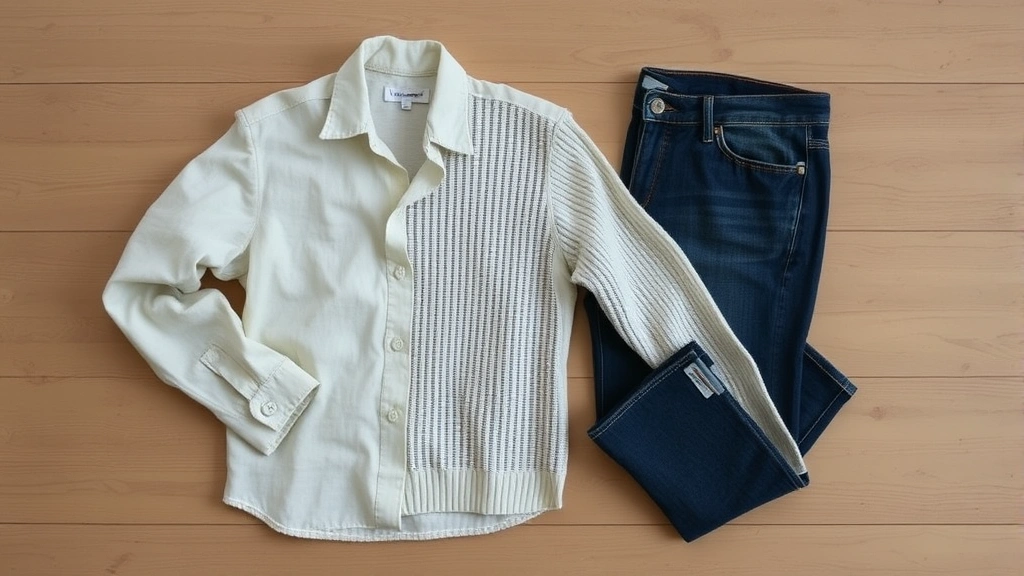
Understanding Sustainable Fashion in Today’s Market
Sustainable fashion encompasses several interconnected practices: ethical labor conditions, environmentally responsible manufacturing, use of natural or recycled materials, and designing for longevity rather than seasonal obsolescence. The fashion industry currently ranks among the world’s largest polluters, generating approximately 10% of global carbon emissions and producing 85% of textiles as waste annually. These sobering statistics have prompted both consumers and designers to reconsider their approach to clothing creation and consumption.
The market for sustainable fashion has experienced explosive growth, with the global sustainable fashion market valued at approximately $6.3 billion in 2023 and projected to reach $12.6 billion by 2030. This expansion reflects genuine consumer demand rather than mere trend-following. Designers and brands ranging from luxury houses to accessible price points now offer sustainable lines, making ethical fashion increasingly accessible. When exploring fashion style guides, you’ll notice sustainable options appearing alongside conventional choices, indicating the normalization of this approach.
What distinguishes modern sustainable fashion from earlier iterations is its integration with contemporary aesthetics. Early sustainable fashion often carried aesthetic compromises—limited color palettes, less refined designs, or outdated silhouettes. Today’s sustainable collections rival conventional fashion in visual appeal and design innovation. Brands like Vogue-featured designers demonstrate that environmental consciousness and cutting-edge style coexist beautifully.
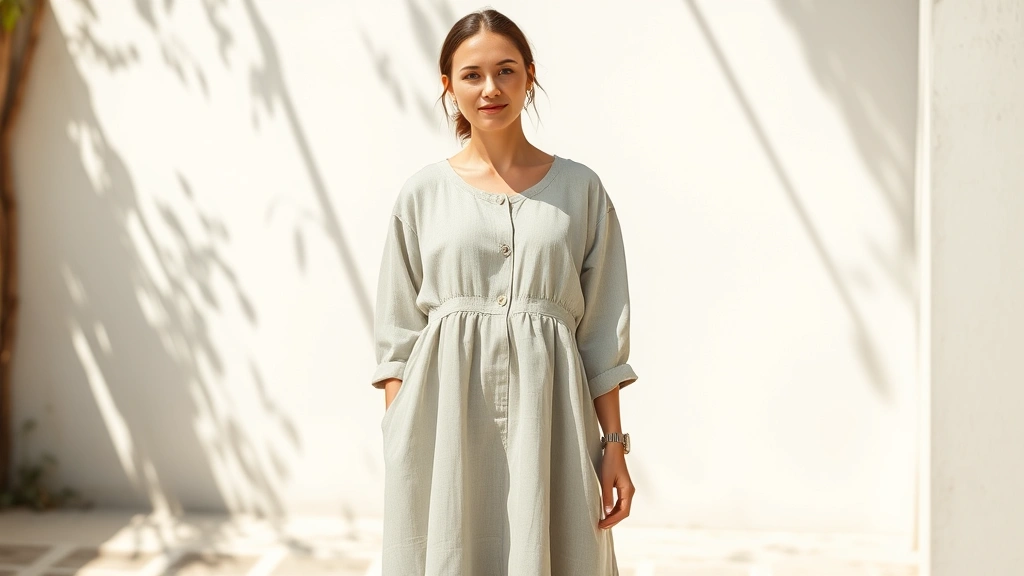
The Fashionability Factor: Style Meets Sustainability
Fashionability—the inherent stylishness and contemporary appeal of a garment—remains central to fashion decision-making. Sustainable fashion’s initial challenge was proving that ethical production didn’t necessitate aesthetic compromise. Today, this barrier has largely dissolved. Premium sustainable brands employ world-class designers, employ sophisticated production techniques, and create pieces that compete directly with conventional luxury fashion in terms of visual impact and design sophistication.
The intersection of fashionability and sustainability reveals an important truth: sustainable pieces often possess superior fashionability longevity. A well-designed sustainable garment, constructed from quality materials with attention to detail, remains stylish across multiple seasons. This contrasts with fast fashion, where designs quickly feel dated as new trends emerge. The classic, well-proportioned pieces favored by sustainable fashion naturally resist obsolescence, meaning your investment maintains its fashionable appeal longer. Understanding how to find your personal style becomes particularly valuable when investing in sustainable pieces, as personal style transcends seasonal trends.
Expert designers increasingly recognize that sustainability enhances rather than limits creative expression. Constraints around material sourcing and production methods often inspire innovative design solutions. Consider how luxury sustainable brands have revolutionized leather alternatives, creating materials with superior qualities to conventional leather while eliminating animal agriculture’s environmental burden. These innovations expand rather than restrict fashionability possibilities.
The psychological dimension of fashionability also shifts when wearing sustainable pieces. Many consumers report enhanced confidence and satisfaction when wearing ethically-produced clothing, knowing their fashion choices align with personal values. This psychological boost translates to increased fashionability—confidence itself is the ultimate style accessory. You’re not simply wearing a garment; you’re embodying values and making a statement about your relationship with consumption and environmental responsibility.
Economic Analysis: True Cost of Fashion
The financial argument for sustainable fashion requires examining the complete economic picture rather than focusing solely on retail price. Fast fashion’s seemingly lower prices obscure massive hidden costs: environmental cleanup expenses, healthcare costs from industrial pollution, and eventual landfill management. Sustainable fashion asks consumers to pay the true cost upfront rather than externalizing expenses to communities and ecosystems.
From a personal economics perspective, sustainable fashion represents superior long-term value. A $200 sustainable piece worn 100 times costs $2 per wear, while a $50 fast fashion item worn 10 times before disposal costs $5 per wear. This calculation becomes increasingly favorable as sustainable garments accumulate wears across multiple years. Quality construction means sustainable pieces withstand repeated washing, wearing, and styling without deterioration. Many sustainable brands offer repair services, further extending garment lifespan and improving cost-per-wear economics.
Investment in fashion accessories illustrates this principle clearly. A sustainable leather handbag, properly maintained, remains functional and fashionable for decades. Fast fashion alternatives require replacement every 1-2 years. Over a 20-year period, buying five sustainable bags versus purchasing twenty disposable alternatives demonstrates both environmental and economic superiority of the sustainable approach.
Additionally, sustainable fashion pieces often appreciate in cultural value. Vintage sustainable garments from respected designers command premium prices in secondhand markets, reflecting their enduring desirability and quality. This contrasts sharply with fast fashion, which holds virtually no resale value. Savvy consumers recognize that sustainable fashion can function as a partial investment, with certain pieces retaining or gaining value over time.
Environmental Impact and Personal Values
The environmental case for sustainable fashion extends beyond abstract statistics. Conventional textile production consumes vast quantities of water—approximately 2,700 liters per cotton t-shirt. Synthetic dyes pollute waterways, affecting millions of people in textile-producing regions. Microfiber shedding from synthetic fabrics contaminates oceans, accumulating in marine ecosystems and food chains. These impacts aren’t distant abstractions; they affect real communities and ecosystems in measurable ways.
Sustainable fashion addresses these harms through multiple mechanisms: organic fiber cultivation that eliminates synthetic pesticides, natural dyes that biodegrade harmlessly, and production processes designed to minimize water consumption and pollution. Brands certified by organizations like Fair Trade International, Global Organic Textile Standard, and the Textile Exchange demonstrate measurable environmental improvements over conventional production.
For many consumers, the environmental dimension of sustainable fashion creates alignment between personal values and consumer behavior. This alignment generates psychological benefits beyond the garment itself. Research in behavioral economics demonstrates that purchases aligned with personal values generate greater satisfaction and reduced cognitive dissonance. When you wear sustainable fashion, you’re not compromising your environmental values; you’re expressing them. This value alignment enhances the overall satisfaction and fashionability of your wardrobe choices.
Understanding the complete fashion history timeline reveals that sustainability isn’t a modern invention—it’s a return to historical practices. Before industrial fast fashion, clothing was precious, well-maintained, and passed through generations. Sustainable fashion restores this relationship with garments, creating psychological benefits that align with how humans evolved to relate to possessions.
Building a Sustainable Wardrobe Strategy
Transitioning to sustainable fashion doesn’t require wholesale wardrobe replacement. Strategic, gradual shifts prove more economically feasible and psychologically sustainable than dramatic overhauls. Begin by identifying your personal style preferences and investment pieces—items you wear repeatedly and genuinely love. These candidates deserve sustainable investment because they maximize cost-per-wear efficiency.
Successful sustainable wardrobe building emphasizes versatility and capsule wardrobe principles. Rather than pursuing trend-driven pieces, focus on foundational items that coordinate across multiple outfits: well-fitting jeans, neutral blazers, quality white shirts, and classic sweaters. These staples form the backbone of sustainable wardrobes because they transcend seasonal trends and support countless outfit combinations. When exploring types of fashion, you’ll discover that classic styles and timeless pieces naturally align with sustainable fashion principles.
Color palette coordination becomes increasingly important in sustainable wardrobes. Rather than purchasing items impulsively, thoughtfully select pieces that harmonize with existing garments. A strategic color palette—perhaps neutrals with one accent color—dramatically increases outfit combinations possible from fewer total pieces. This approach simultaneously improves fashionability (coordinated, intentional outfits) and sustainability (fewer total items purchased).
Secondhand shopping represents an underutilized sustainable fashion strategy. Vintage and pre-owned garments offer immediate sustainability benefits—no new production required—while often providing superior quality and unique fashionability. Vintage designer pieces frequently offer better construction and materials than contemporary equivalents, making secondhand shopping economically and aesthetically advantageous.
Quality assessment skills become essential when building sustainable wardrobes. Learn to evaluate fabric weight, seam construction, hem quality, and material composition. These technical details predict garment longevity and washability. Sustainable brands typically provide detailed material information and care instructions, reflecting confidence in their products’ durability. Taking time to understand these details prevents costly mistakes and ensures your sustainable investments deliver promised value.
Expert Recommendations and Best Practices
Leading fashion industry experts increasingly affirm sustainable fashion’s viability and desirability. Business of Fashion regularly features sustainable brands and practices, indicating mainstream industry recognition. Design schools worldwide now emphasize sustainable practices, indicating that the next generation of designers will approach fashion with environmental consciousness as default rather than exception.
Experts recommend starting with certifications when evaluating sustainable brands. Organizations like Fair Trade International, GOTS (Global Organic Textile Standard), and B Corp certification provide third-party verification of sustainability claims. These certifications eliminate greenwashing—misleading environmental claims—and ensure genuine commitment to ethical practices. When shopping, prioritize certified brands over those making unsubstantiated sustainability claims.
Transparency represents another key indicator of authentic sustainable fashion brands. Reputable companies provide detailed information about production locations, labor practices, material sourcing, and environmental impact. Brands hesitant to share such information likely have something to hide. The most fashionable sustainable brands recognize that transparency builds trust and differentiates them in an increasingly conscious market.
Fashion investment experts recommend viewing sustainable purchases as investments in personal style and values rather than mere transactions. This psychological reframing elevates the decision-making process, encouraging thoughtful selection rather than impulse buying. When you view a purchase as an investment, you naturally become more selective, choosing pieces that genuinely serve your style needs and personal aesthetic.
Care and maintenance practices dramatically impact sustainable fashion’s value proposition. Proper washing techniques—cold water, gentle cycles, air drying—extend garment lifespan significantly. Learning these practices transforms sustainable fashion from a purchase decision into a lifestyle commitment that amplifies benefits. Many sustainable brands provide detailed care information recognizing that proper maintenance maximizes their products’ environmental and economic advantages.
Consulting StyleLoom Daily Blog for contemporary style guidance helps integrate sustainable pieces into current fashion contexts. Sustainable fashion shouldn’t feel dated or disconnected from contemporary aesthetics. Modern styling advice ensures your sustainable pieces feel current and fashionable, maximizing the psychological satisfaction and practical utility of your investment.
The expert consensus increasingly affirms that sustainable fashion represents not a sacrifice but an enhancement to personal style and satisfaction. As production techniques improve and designer talent concentrates on sustainable brands, the gap between sustainable and conventional fashion narrows. Soon, the distinction may become irrelevant—all quality fashion will be sustainable by default.
FAQ
Is sustainable fashion actually more expensive?
Sustainable fashion typically costs more initially, but cost-per-wear calculations often favor sustainable pieces due to superior durability and timeless design. When considering long-term value, maintenance costs, and resale potential, sustainable fashion frequently proves more economical than fast fashion.
Will sustainable fashion pieces go out of style?
Quality sustainable pieces, designed with timeless proportions and classic aesthetics, resist obsolescence better than trend-driven fast fashion. While fashion evolves, well-designed sustainable garments remain stylistically relevant across multiple years and seasons.
Where can I find fashionable sustainable fashion brands?
Numerous sustainable brands now offer fashionable collections across all price points. Look for certified brands, check reviews on sustainable fashion platforms, and explore vintage luxury options. Many conventional luxury brands now offer sustainable lines alongside traditional collections.
How do I know if a brand is genuinely sustainable?
Verify certifications from recognized organizations like Fair Trade International or GOTS. Research the brand’s transparency regarding production practices, labor conditions, and material sourcing. Genuine sustainable brands proudly share detailed information about their operations.
Can I build a completely sustainable wardrobe gradually?
Absolutely. Strategic replacement of worn items with sustainable alternatives allows gradual wardrobe transformation without financial strain. Focus on investment pieces and staples first, then gradually expand as budget permits.
Is secondhand shopping truly sustainable?
Yes. Purchasing pre-owned garments eliminates new production requirements and extends existing garments’ lifespans. Secondhand shopping represents one of the most environmentally beneficial fashion choices available.