Upgrade Your Fashion Sense: Expert Advice for Timeless Style
Your fashion sense is more than just the clothes you wear—it’s a reflection of your personality, confidence, and understanding of style principles that work harmoniously together. Whether you’re looking to refine your existing wardrobe or completely transform your aesthetic, upgrading your fashion sense is an achievable goal that requires intentional choices and a willingness to explore what resonates with your unique identity. The journey toward elevated style begins with understanding the fundamentals and building upon them with confidence.
In today’s fast-paced fashion landscape, developing a strong sense of style means staying informed about current trends while maintaining authenticity. It’s about knowing which pieces work for your body type, understanding color theory, and curating a cohesive wardrobe that tells your story. This comprehensive guide will walk you through expert strategies to enhance your fashion style and develop the confidence to express yourself through clothing with intention and sophistication.

Understanding Your Personal Style Foundation
Before you can upgrade your fashion sense, you must first understand what your personal style actually is. This foundational step involves honest self-reflection about your lifestyle, values, and the image you want to project to the world. Consider the activities that dominate your schedule—are you in a corporate environment, creative field, or hybrid setting? Your daily life should inform your wardrobe choices, ensuring that your style is both aspirational and practical.
Fashion experts recommend creating a mood board using Pinterest, Instagram, or physical clippings from magazines. Collect images of outfits and individual pieces that genuinely appeal to you, then analyze the patterns that emerge. Do you gravitate toward minimalist silhouettes or maximalist patterns? Are you drawn to classic pieces or bold statement items? These patterns reveal your authentic preferences and serve as your personal style compass. Understanding these preferences prevents impulse purchases that don’t align with your vision.
Your body type and natural features should also inform your style foundation. Different silhouettes, necklines, and proportions flatter different body shapes. Rather than following trends blindly, select pieces that enhance your best features while making you feel confident and comfortable. This approach ensures that every item in your wardrobe serves you well and contributes to a cohesive overall aesthetic.
Additionally, consider your lifestyle budget and how much time you’re willing to invest in fashion. A sustainable approach to upgrading your fashion sense means choosing quality over quantity and investing in pieces you’ll wear repeatedly. Explore different types of fashion styles to identify which aesthetic resonates most deeply with your personality and circumstances.
Building a Capsule Wardrobe That Works
A capsule wardrobe is the foundation of elevated fashion sense. This curated collection of versatile, high-quality pieces can be mixed and matched to create numerous outfits. The traditional capsule wardrobe contains 30-40 pieces including basics, layering items, and statement pieces that work together cohesively. This approach eliminates decision fatigue and ensures you always have something appropriate to wear.
Start with neutral basics that serve as your wardrobe backbone: well-fitting white and black t-shirts, neutral trousers, a crisp white button-down shirt, and classic jeans. These foundational pieces pair with almost everything and should be made from quality fabrics that withstand regular wear. Invest in basics because they’re worn frequently and visible in nearly every outfit.
Next, add layering pieces that extend the versatility of your basics. A structured blazer instantly elevates casual outfits and works for professional settings. Cardigans, sweaters, and lightweight knits provide warmth while maintaining a polished appearance. These layering pieces should coordinate with your basic color palette and allow for easy mixing and matching.
Include 4-6 bottoms in your capsule that work with multiple tops: neutral trousers, quality denim, a skirt or two, and perhaps tailored shorts. Choose cuts and colors that flatter your body and coordinate with your existing pieces. The goal is to maximize outfit combinations while maintaining visual coherence.
Add 3-4 statement pieces that reflect your personality and current style preferences. These might be a patterned blouse, a textured sweater, or an interesting jacket. Statement pieces prevent your wardrobe from feeling boring while remaining versatile enough to wear frequently. Rotate these pieces seasonally to keep your wardrobe fresh without constantly purchasing new items.
Mastering Color Theory and Coordination
Understanding color theory dramatically improves your ability to create cohesive, flattering outfits. Begin by identifying your undertone—whether your skin has warm, cool, or neutral undertones. This determines which colors genuinely complement your complexion and make you appear healthier and more vibrant. Warm undertones are flattered by earthy colors like warm browns, terracotta, and golden yellows. Cool undertones shine in jewel tones, silvers, and cool blues. Neutral undertones have flexibility with most colors.
Once you understand your undertone, identify your personal color palette. Rather than limiting yourself to one season’s colors, select a range of colors that genuinely flatter you and that you enjoy wearing. Your palette might include three neutral colors (like navy, white, and gray), 2-3 accent colors that appear frequently in your wardrobe, and several secondary colors that work well with your primary palette.
Learn basic color combinations that always work: monochromatic outfits using different shades of the same color create visual interest while appearing intentional; complementary colors (opposite on the color wheel) create bold, striking combinations; analogous colors (neighbors on the color wheel) create harmonious, cohesive looks. Understanding these combinations helps you put together outfits confidently.
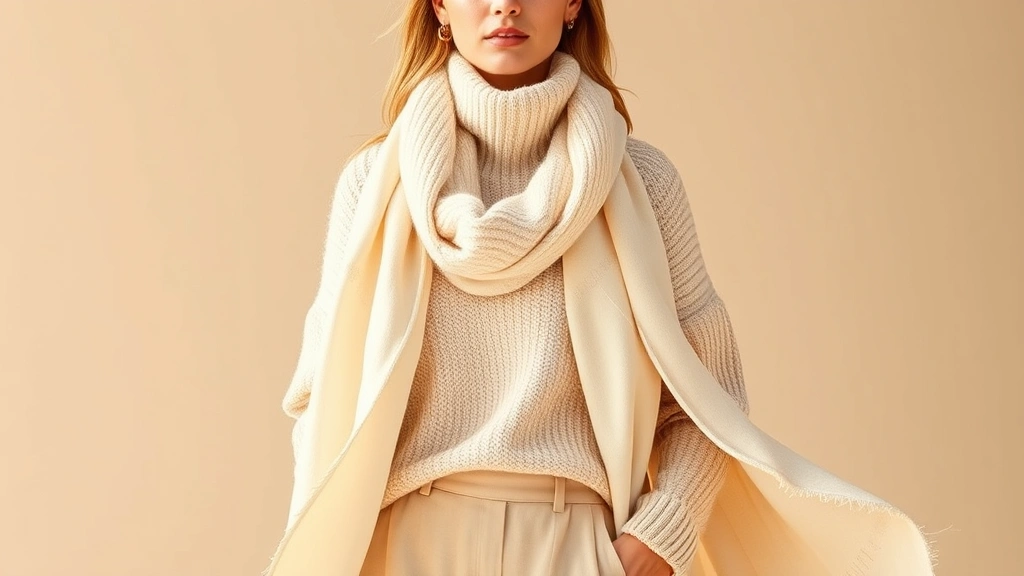
Develop a color strategy for your wardrobe by ensuring your neutrals coordinate well together. If you choose warm neutrals like camel and cream, avoid cool neutrals like cool gray and black. This coordination ensures that pieces work together even when you’re not thinking consciously about color combinations. Keep a small color swatch or photo of your primary colors on your phone for reference when shopping.
The Role of Fit and Proportion
Fit is arguably the most important element of elevated fashion sense. Expensive designer pieces look mediocre when poorly fitted, while affordable basics look expensive and intentional when they fit perfectly. Understanding fit means knowing your measurements and how different silhouettes work with your body proportions.
Invest in tailoring for key pieces that you wear frequently. A simple hem adjustment, taking in shoulders, or adjusting sleeve length transforms a piece from “close enough” to “perfect.” Many dry cleaners offer tailoring services at reasonable prices. Consider tailoring a priority investment for pieces in your capsule wardrobe that you’ll wear hundreds of times.
Understand proportion balancing: if you wear a fitted top, pair it with looser bottoms; if you wear voluminous bottoms, balance with a fitted or tucked top. This principle prevents outfits from appearing shapeless or unintentionally unflattering. Cropped pieces work well with high-waisted bottoms, while longer tops work with lower-rise styles.
Pay attention to length proportions as well. Midi skirts require different shoe choices and silhouettes than mini skirts. Cropped pants and jackets have specific proportional requirements. Understanding how different lengths interact with your height and proportions helps you select pieces that work specifically for your body.
The rise of your jeans and trousers significantly impacts how your entire outfit appears. High-rise styles elongate legs and suit many body types, while mid-rise and low-rise styles offer different benefits. Experiment with different rises to discover which feels most flattering and comfortable for your body.
Accessorizing with Purpose and Impact
Fashion accessories are powerful tools for upgrading your style without replacing entire outfits. The right accessories transform a basic outfit into something polished and intentional. Strategic accessorizing allows you to extend your wardrobe’s versatility and adapt pieces for different occasions and seasons.
Invest in quality basics in accessories: a structured handbag in a neutral color, a belt in black and tan, classic jewelry in your preferred metal (gold, silver, or rose gold), and comfortable shoes in neutral colors. These foundational accessories work with countless outfits and justify investment in higher quality.
Scarves are underutilized accessories that add color, pattern, and dimension to outfits. They work as neck scarves, headwear, bag charms, or even waist belts. A quality silk scarf in your color palette creates endless styling possibilities and photographs beautifully.
Jewelry tells a story about your style. Rather than wearing many delicate pieces simultaneously, consider the impact of fewer, more intentional pieces. A statement necklace works beautifully with a simple outfit, while stacked rings and bracelets create visual interest on minimalist days. Develop a jewelry style that reflects your personality.
Shoes anchor outfits and communicate style intention. Invest in quality basics: neutral flats, white sneakers, classic heels, and comfortable everyday shoes. Add a few statement shoes that reflect your style personality—perhaps bold colors, interesting textures, or unique silhouettes. Shoes are one of the easiest ways to signal that you’ve put thought into your appearance.
Bags serve both functional and aesthetic purposes. A structured handbag works for professional settings, while a crossbody bag suits casual days. A clutch works for evening events. Rather than constantly purchasing new bags, select versatile styles in neutral colors that coordinate with your entire wardrobe.
Staying Fashion Forward Without Losing Authenticity
Being fashion forward doesn’t mean chasing every trend or constantly refreshing your wardrobe. Instead, it means understanding current trends and thoughtfully incorporating elements that align with your personal style and values. This balanced approach keeps your style contemporary without sacrificing authenticity or creating unsustainable consumption patterns.
Follow fashion authority sources like Vogue and trend forecasters to understand emerging trends. Notice which trends genuinely excite you versus those that feel forced or inauthentic. It’s perfectly acceptable to skip trends that don’t resonate with your aesthetic.
Incorporate trends through accessories and secondary pieces rather than major wardrobe investments. If a color trend appeals to you, add it through a scarf or shoes. If a silhouette trend interests you, try it in an affordable piece before investing in a quality version. This approach allows trend exploration without financial risk.
Quality transcends trends. Timeless silhouettes in quality fabrics remain stylish regardless of seasonal trends. Balance trend pieces with timeless basics to create a wardrobe that feels current without constantly requiring updates. Invest heavily in timeless pieces and use trend items more sparingly.
Consider the sustainability implications of trend-chasing. Fast fashion creates environmental and ethical concerns. Instead, purchase fewer pieces of higher quality, care for them properly, and wear them for years. This approach saves money long-term while reducing your environmental impact and supporting ethical fashion practices.
Developing Your Signature Look
The most stylish people have recognizable signature elements that make their aesthetic instantly identifiable. This might be a consistent silhouette preference, a signature color, a particular accessory, or a distinctive styling approach. Developing your signature look requires understanding what genuinely resonates with you and committing to it.
Your signature might be a particular style of glasses, a consistent lipstick color, a preference for certain jewelry styles, or a silhouette that you wear repeatedly. These elements become part of your visual identity and make you memorable. Rather than constantly changing your approach, refine and deepen your signature elements over time.
Study fashion icons and designers whose aesthetic resonates with you. Notice their consistent elements and how they interpret trends within their personal style framework. The Guardian’s Fashion section regularly features designer interviews and style analyses that offer inspiration and insight.
Document your personal style evolution through photos. Take outfit photos regularly and review them periodically to identify patterns in what you wear and what makes you feel confident. This visual documentation helps you refine your signature aesthetic and identify gaps in your wardrobe.
Remember that developing signature style takes time. You don’t need to figure everything out immediately. Give yourself permission to experiment, make mistakes, and evolve. Fashion is a form of self-expression that deepens and matures as you develop greater self-awareness.
Consult with fashion professionals when you want objective feedback. Fashion stylists can provide personalized recommendations based on your body, coloring, lifestyle, and aesthetic preferences. Many offer virtual consultations, making professional guidance more accessible than ever. Investment in professional styling often saves money by preventing poor purchases and maximizing wardrobe versatility.
Consider exploring StyleLoom Daily Blog for ongoing inspiration and expert advice on fashion topics. The fashion sense section provides regular updates on developing and refining your personal style. These resources offer continuous education as you upgrade your fashion sense.
FAQ
How long does it take to develop better fashion sense?
Developing improved fashion sense is an ongoing journey rather than a destination. You might notice improvements in your outfit coordination within weeks of implementing these principles, but truly refined style typically develops over months and years. Consistency matters more than speed—regularly applying these principles yields better results than sporadic efforts.
Can I upgrade my fashion sense on a budget?
Absolutely. Fashion sense is about understanding principles and making intentional choices, not spending money. Focus on fit and proportion first, which costs nothing. Thrift stores, consignment shops, and sales offer quality pieces at reduced prices. Invest in basics from affordable retailers and allocate your budget toward one or two quality statement pieces annually.
What if I don’t know my personal style?
Start with a mood board and collect images of outfits you genuinely love, regardless of whether you think you could wear them. Analyze patterns in colors, silhouettes, and styling approaches. Pay attention to compliments you receive about your appearance—these often indicate when you’re dressing authentically. Give yourself permission to experiment and evolve as you discover your preferences.
Should I follow all fashion trends?
No. Follow trends selectively and only when they genuinely appeal to you and align with your personal style. The most stylish people curate their trend adoption carefully rather than adopting everything. You’ll feel more confident and authentic when your fashion choices reflect your genuine preferences.
How often should I update my wardrobe?
Rather than complete wardrobe overhauls, add pieces seasonally or when you identify gaps in your capsule wardrobe. Quality pieces last years when cared for properly. Aim to purchase intentionally rather than frequently. Most people benefit from adding 5-10 pieces annually rather than constantly refreshing their entire wardrobe.
What role does confidence play in fashion sense?
Confidence is absolutely essential. The most expensive outfit looks mediocre if worn without conviction, while a simple outfit radiates style when worn confidently. Developing fashion sense includes building confidence through understanding your style, investing in pieces that fit well, and practicing styling intentionally. Confidence grows as you make deliberate choices and receive positive feedback.