Boost Your Fashion Sense: Expert Advice for Developing Timeless Personal Style
Fashion sense isn’t something you’re born with—it’s a skill you cultivate through observation, experimentation, and intentional choices. Whether you’re looking to elevate your everyday wardrobe or discover your signature aesthetic, developing a strong fashion sense transforms how you present yourself to the world. This comprehensive guide reveals expert strategies to sharpen your style instincts and build confidence in every outfit you wear.
The journey to impeccable fashion sense begins with understanding your body, lifestyle, and personal values. From color theory to fabric selection, from accessory styling to trend integration, we’ll explore actionable techniques that fashion professionals use to create cohesive, memorable looks. Let’s unlock your potential to become a style authority.
Understand Your Personal Style Foundation
Before you can boost your fashion sense, you need clarity on who you are as a style person. This foundational work separates those who follow trends blindly from those who curate intentional wardrobes reflecting their authentic selves. Begin by analyzing your lifestyle: Do you work in a corporate environment, creative field, or hybrid setting? Your daily activities dictate what styles serve you practically and professionally.
Consider exploring different fashion styles for women over 50 even if you’re younger—this resource showcases how seasoned style experts approach timeless dressing. Next, identify your aesthetic preferences by creating a mood board. Collect images from Vogue, Pinterest, and Instagram that resonate with you. Look for patterns: Do you gravitate toward minimalism or maximalism? Classic elegance or edgy rebellion? Romantic femininity or androgynous sophistication?
Your personal style foundation also includes understanding your body type and proportions. Are you petite, tall, curvy, athletic, or somewhere in between? Rather than following arbitrary rules, learn what silhouettes and cuts flatter your unique frame. The most stylish people dress in alignment with their body’s natural lines, not against them. This knowledge becomes invaluable when you’re shopping or getting dressed, as you’ll immediately recognize pieces that will work beautifully for you.
Additionally, examine your lifestyle constraints and opportunities. If you have young children, you need pieces that withstand activity and frequent washing. If you travel extensively, versatile items that transition between climates become essential. Conversely, if you attend formal events regularly, investing in quality evening wear makes sense. Your fashion sense must harmonize with your actual life, not an idealized version of it.
Master Color Theory and Coordination
Color is the most powerful tool in your fashion arsenal. While trends come and go, understanding color principles remains eternally relevant. Begin by determining your undertone—whether you have warm, cool, or neutral undertones. This single discovery eliminates colors that drain you and highlights those that make you glow. Warm undertones typically look best in gold, warm reds, oranges, and warm earth tones. Cool undertones shine in silver, jewel tones, and cool reds. Neutral undertones have flexibility with both warm and cool palettes.
Next, study the color wheel and basic coordination principles. Complementary colors sit opposite each other and create vibrant, high-impact combinations. Analogous colors sit adjacent and create harmonious, cohesive looks. Monochromatic schemes use varying shades of a single color for sophisticated, elongating effects. Triadic color schemes use three colors equally spaced on the wheel for balanced, dynamic outfits.
Once you understand theory, develop a personal color palette of 5-8 core colors that flatter you and work together. These become your wardrobe anchors—neutrals like black, navy, gray, white, cream, or beige, plus 2-3 accent colors that make you feel confident. When you build outfits from this coordinated palette, everything works together seamlessly, maximizing outfit combinations from fewer pieces. This is how professional stylists create capsule wardrobes.
Learn to use color strategically. Lighter colors draw attention and expand areas; darker colors recede and slim. Placing your best color near your face highlights your complexion. Repeating a color in different pieces creates visual cohesion. Understanding these principles transforms your ability to create intentional, flattering combinations. Explore how 90s fashion used color blocking and unexpected combinations to revolutionize style norms.
Beyond theory, develop color confidence through experimentation. Try colors you’ve avoided. Wear that emerald green or coral that initially intimidates you. Notice how different shades affect your mood and how others respond. This experiential learning deepens your color sense more than any article could.
” alt=”Woman wearing coordinated neutral and accent color outfit demonstrating color theory principles, sitting in modern minimalist interior space with natural lighting highlighting skin tone”>
Build a Strategic Capsule Wardrobe
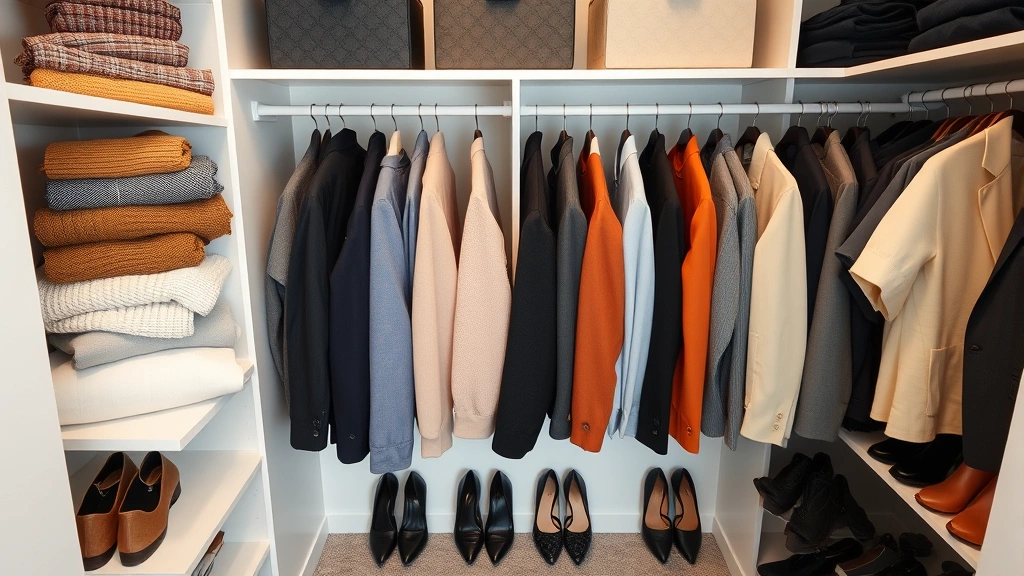
A capsule wardrobe is a curated collection of versatile, complementary pieces that work together to create numerous outfits. Rather than overflowing closets filled with pieces you never wear, strategic capsule building ensures every item earns its place. Begin with essential basics: well-fitting white t-shirt, black t-shirt, neutral button-down, quality denim, neutral trousers, and a blazer. These foundational pieces combine endlessly.
Next, add layering pieces: cardigans, sweaters, and lightweight jackets in your core colors. Layer strategically to create visual interest and adapt to temperature changes. Then introduce 3-5 statement pieces—items that reflect your personality and make you feel distinctive. These might include a patterned blouse, colorful sweater, or textured jacket. Finally, add bottoms in varying silhouettes: straight-leg pants, wide-leg pants, pencil skirt, and mini skirt in your palette.
When building your capsule, prioritize quality over quantity. One well-made blazer serves you better than three poorly constructed ones. Invest in natural fabrics—cotton, linen, wool, silk—that age beautifully and feel luxurious. Check seams, zippers, and hems. Quality construction lasts years, making your per-wear cost actually lower than cheaper alternatives.
Consider checking out Fashion Nova dresses for contemporary silhouettes and trend-forward styles to incorporate into your capsule. You might also explore Fashion Nova coupon code options to build your wardrobe affordably while maintaining quality standards.
A strategic capsule wardrobe includes 30-50 pieces maximum—everything coordinates in your chosen palette. This limitation forces intentionality and prevents impulse purchases. When you know every item works together, getting dressed becomes effortless, and you always feel put-together. Your capsule should evolve seasonally, with lighter fabrics for summer and heavier layers for winter, but core pieces remain consistent.
Learn Proportion and Fit Principles
Even beautiful, expensive pieces look mediocre on a poorly fitted body. Conversely, modest pieces look exceptional when fit perfectly. Proportion is about balancing visual weight and creating flattering silhouettes. If you wear a voluminous top, balance it with fitted bottoms. If you choose fitted tops, you can wear wider-leg pants. Create visual interest through contrast rather than competing volumes.
Length is critical to proportion. Hemlines should hit at points that elongate your leg—typically just above the knee or at the ankle for most people. Cropped pants and shorter hemlines work beautifully on taller frames; longer hemlines flatter petite figures. Sleeve length matters too; sleeves should hit at your wrist bone, and shirt lengths should reach your hip. Oversized pieces work when balanced with fitted pieces; oversized everything creates a shapeless, unintentional appearance.
Vertical lines elongate; horizontal lines widen. Patterns and textures draw attention; solid colors recede. Use these principles strategically. If you want to emphasize your shoulders, wear horizontal stripes or wide necklines. If you want to lengthen your torso, wear vertical lines or open cardigans. If you want to minimize a particular area, choose solid colors and avoid patterns there.
Fit is non-negotiable. A perfectly proportioned outfit in the wrong size looks terrible. Invest in tailoring—it’s the secret weapon of well-dressed people everywhere. A $40 dress becomes a $100 dress with proper tailoring. Hemming, taking in seams, and adjusting sleeves transform fit from mediocre to magnificent. Many alterations cost $15-40 and make dramatic differences. When you wear properly fitted clothes, confidence radiates naturally.
Understanding how different silhouettes work on your body prevents costly mistakes. Try on pieces before buying. Move in them. Sit, bend, and reach. A beautiful silhouette that restricts movement won’t become a favorite piece. Similarly, fabric weight matters—lightweight fabrics drape differently than structured ones. Experiment to understand what works for your body and lifestyle.
Develop Your Accessory Arsenal
Accessories are where fashion sense truly shines. They’re the difference between boring and brilliant, between forgettable and memorable. Accessories cost less than clothing but create exponential outfit variations. Begin with investment pieces: a quality leather handbag in a neutral color, a structured belt, classic jewelry in your preferred metal (gold, silver, or rose gold), and versatile scarves.
Scarves deserve special mention as transformation tools. A simple outfit becomes instantly elevated with a silk scarf worn as a neckpiece, headwrap, or bag accent. Different tying techniques create entirely different vibes. Invest in 3-5 scarves in complementary colors and patterns—they weigh nothing, pack easily, and create endless styling possibilities.
Jewelry tells your style story powerfully. Decide whether you prefer delicate or bold pieces, minimal or layered, classic or trendy. Build a collection around your preference: perhaps gold stacking rings, meaningful necklaces, and statement earrings. Mix metals confidently—gold and silver together is modern and sophisticated when done intentionally. Layering necklaces of different lengths creates visual interest and dimension.
Footwear completes every outfit. Every person needs: neutral flats (ballet flats, loafers, or sneakers), neutral heels (pumps or block heels in black or nude), neutral boots, and 2-3 statement shoes that reflect your personality. Shoes should be comfortable enough to wear for entire days—painful shoes undermine even the most perfect outfit. Invest in quality shoes from reputable brands that prioritize both style and comfort.
Bags are both functional and stylistic. A quality everyday bag should fit your essentials, feel comfortable to carry, and coordinate with most outfits. Then add a formal bag for special occasions and a structured bag for professional settings. Bags are where you can play with color and texture since they’re less permanent than clothing.
Don’t underestimate belts, hats, and sunglasses. Belts define waistlines and add visual interest. Hats make statements and frame your face. Quality sunglasses protect your eyes while adding sophistication. These small accessories create significant style impact when chosen intentionally.
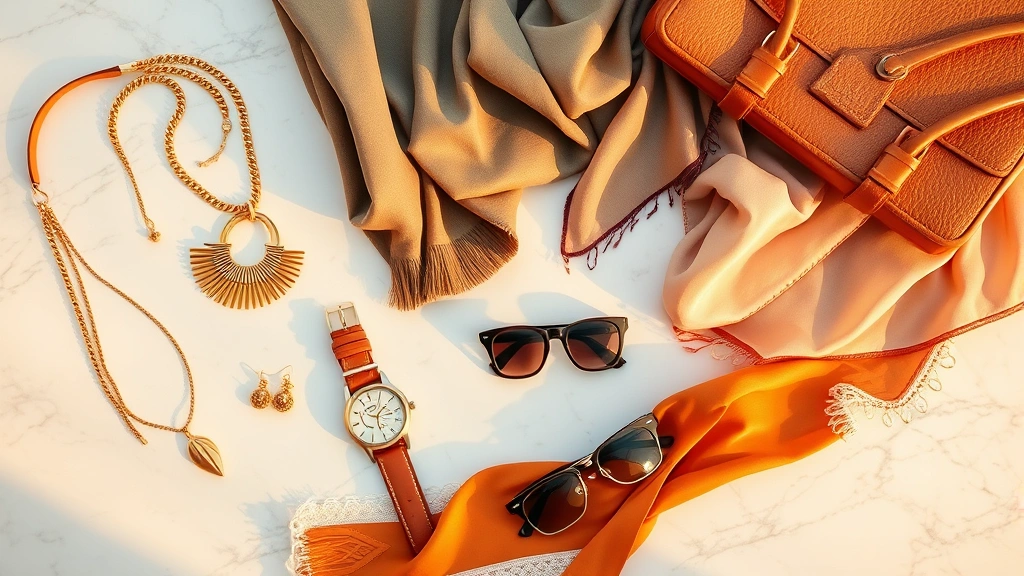
” alt=”Close-up flatlay of luxury accessories including gold jewelry, silk scarf, leather handbag, and classic watches arranged on neutral marble surface with soft natural lighting”>
Stay Informed About Fashion Trends
While building your personal style, staying aware of trends helps you integrate contemporary elements without losing authenticity. The most stylish people aren’t slaves to trends; they’re aware of them and selectively incorporate pieces that align with their aesthetic. Check Harper’s Bazaar and fashion blogs regularly to understand what’s emerging.
Not every trend suits every person. Evaluate trends through your personal style lens: Does this align with my aesthetic? Will this work with my existing wardrobe? Can I see myself wearing this in a year? If the answer is yes to all three, it’s worth exploring. If not, skip it confidently. You never need to wear something just because it’s trending.
Trends cycle through fashion every 20-30 years. Understanding this helps you avoid regrettable purchases. The micro-trends of fast fashion—extremely short hemlines, extreme oversizing, very specific color combinations—often look dated within months. Classic trends that have cyclical appeal—like blazers, leather jackets, and white sneakers—remain relevant through trend cycles.
For deeper fashion education, explore fashion design degree resources to understand how garments are constructed and why certain designs endure. Understanding design principles helps you recognize quality and appreciate craftsmanship. Follow fashion designers whose work resonates with you on social media and through Vogue Fashion coverage.
Attend fashion events if possible—trunk shows, pop-ups, and fashion weeks offer direct exposure to emerging designers and trends. Even virtual fashion weeks provide inspiration. Reading fashion publications trains your eye to recognize quality, proportion, and innovation. The more you immerse yourself in fashion, the more naturally you develop fashion sense.
Practice Intentional Shopping Habits
How you shop determines whether your wardrobe evolves positively or chaotically. Intentional shopping means making conscious decisions aligned with your style foundation and capsule wardrobe. Before shopping, always ask: Does this fit my color palette? Does this work with pieces I already own? Will I wear this at least 30 times? If you hesitate, don’t buy it.
Shop your closet first. Before purchasing anything new, wear everything you own. You might discover forgotten pieces that work beautifully with new items you’re considering. This practice prevents redundant purchases and maximizes your existing wardrobe. Take photos of your favorite outfits—these become style references for future shopping.
Create a wishlist rather than impulse buying. When you see something appealing, add it to a list and wait two weeks. Often, the urge passes. If you still want it after two weeks, it’s probably worth purchasing. This prevents buyer’s remorse and ensures you’re making deliberate choices. Check the Style Loom Daily Blog regularly for style inspiration and shopping guides that align with intentional fashion practices.
Shop sales strategically. Buy basics and neutrals on sale since you’ll wear them frequently. For trendy pieces or items you’re uncertain about, full price is too risky. Conversely, investment pieces like quality coats and blazers are worth full price since you’ll wear them for years. This approach balances budget with quality.
Avoid shopping when emotional. Don’t shop when sad, angry, or bored—you’ll make regrettable purchases. Shop when calm and centered, with clear intention. Bring a trusted friend whose style you respect for honest feedback. Online shopping should include easy return policies; if you’re uncertain, order multiple sizes and return what doesn’t work.
Keep a style journal documenting what works and what doesn’t. Note which pieces you reach for repeatedly and which hang unworn. Over time, patterns emerge showing your true preferences versus aspirational purchases. This data prevents future mistakes and clarifies your authentic style.
FAQ
How long does it take to develop strong fashion sense?
Fashion sense develops gradually through consistent observation and practice. Most people notice significant improvement within 3-6 months of intentional work. However, style continues evolving throughout your life as your preferences, body, and lifestyle change. The key is consistent engagement with fashion through shopping, outfit creation, and reflection.
Can you develop fashion sense if you don’t have much money?
Absolutely. Fashion sense is about understanding principles and making intentional choices, not spending money. Thrift stores, vintage shops, and affordable brands offer quality pieces when you know what to look for. Focus on fit, color coordination, and proportion rather than price tags. Some of the most stylish people work within tight budgets through strategic shopping and creative styling.
Is it okay to follow fashion trends if I have personal style?
Yes, when done intentionally. The most stylish people selectively incorporate trends that align with their aesthetic and lifestyle. The key is choosing trends that enhance your style rather than dictate it. If a trend doesn’t resonate with you, skip it confidently. Your personal style is the foundation; trends are optional enhancements.
How do I know if something is actually flattering or if I’m just used to wearing it?
Ask trusted friends whose style you respect for honest feedback. Take photos in different lighting and from multiple angles. Notice how you feel wearing the piece—confidence is telling. Compare how you look in the piece versus similar pieces in different colors, sizes, or cuts. If you look noticeably better in alternatives, the original piece probably isn’t optimal.
Should I buy trendy pieces or stick exclusively to classics?
Balance both. Classics form your foundation—these pieces remain relevant for years. Trendy pieces add personality and keep your wardrobe feeling current. A good ratio is approximately 80% classics and 20% trendy pieces. This ensures you always have wearable options while allowing fashion expression through contemporary elements.
How do I find my personal style if I’m confused about what I like?
Create a mood board with images that appeal to you without overthinking. Look for patterns in the images you collect. Notice colors, silhouettes, and overall vibes. Try on pieces in those styles to see how they feel on your body. Personal style emerges through experimentation and reflection rather than intellectual analysis. Give yourself permission to try things and change your mind.