Paris Chic: Fashion Photographer’s Insider Guide
Paris isn’t just a city—it’s a living, breathing muse for fashion photographers worldwide. The cobblestone streets, architectural grandeur, and effortless elegance of Parisians create an unparalleled backdrop for capturing style. Whether you’re a seasoned fashion photographer in Paris or aspiring to master the craft in the world’s fashion capital, this insider’s guide reveals the secrets to creating iconic imagery that transcends trends and resonates with the essence of Parisian sophistication.
The art of fashion photography in Paris requires more than technical prowess—it demands an understanding of light, location, culture, and the intangible magic that makes the City of Light irresistible. From scouting hidden gems in Marais to understanding how to work with local talent and navigating the competitive creative landscape, we’ll explore everything you need to know to establish yourself as a fashion photographer who truly captures Paris’s spirit.
Understanding Paris as a Fashion Photography Canvas
Paris holds an unmatched position in the fashion world, and this distinction profoundly impacts how you approach photography here. The city’s aesthetic—refined, timeless, and inherently stylish—demands that your work matches its caliber. Every photograph should tell a story rooted in Parisian elegance, whether you’re shooting contemporary fashion pieces or timeless classics.
The Parisian approach to style emphasizes quality over quantity, understated luxury, and an almost invisible perfection. This philosophy should permeate your photography. Your images shouldn’t scream; they should whisper sophistication. Understanding this cultural nuance is crucial for any fashion photographer working in Paris. The city rewards subtlety, authenticity, and respect for fashion history.
Paris has served as the muse for countless legendary photographers—from Patrick Demarchelier to Annie Leibovitz. Their work teaches us that Parisian fashion photography succeeds when it balances contemporary vision with respect for tradition. The Seine, the Eiffel Tower, historic boutiques, and charming cafés aren’t just scenic backdrops; they’re integral characters in your visual narrative.
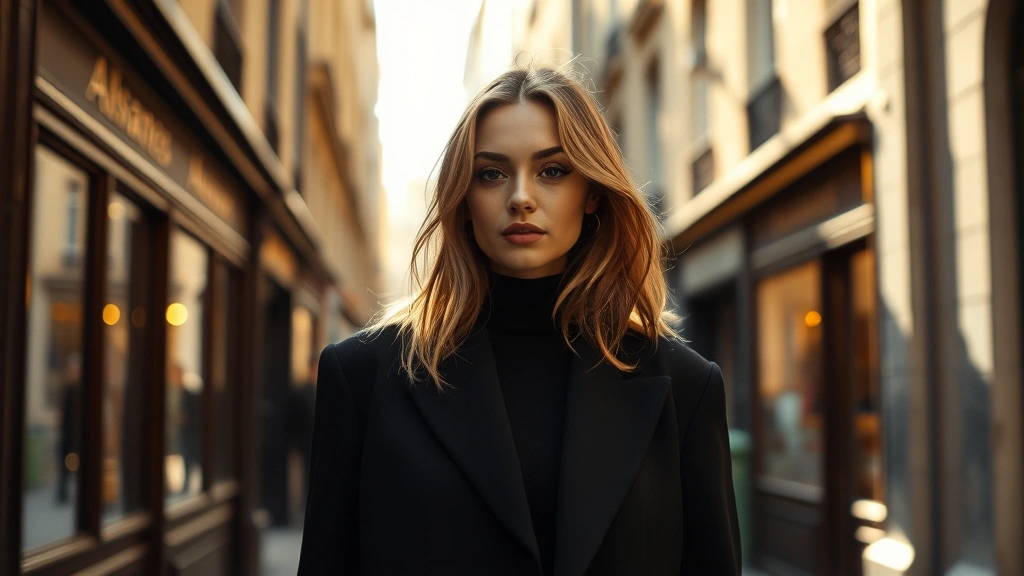
Consider how iconic fashion moments have been captured here: a model walking past a vintage storefront in Le Marais, sunlight filtering through Haussmann windows, the geometric perfection of classical architecture framing a styled subject. These aren’t accidents—they’re the result of intentional location scouting, timing, and deep understanding of Paris’s visual language.
Essential Locations for Iconic Fashion Shoots
Location selection separates amateur work from professional-grade fashion photography. Paris offers infinite possibilities, but certain neighborhoods and landmarks consistently deliver exceptional results. The key is knowing where to find untouched spaces and how to maximize their potential.
Marais District remains the gold standard for fashion shoots. Its narrow streets, vintage boutiques, and Renaissance architecture create naturally composed frames. The area’s diverse lighting conditions—from shadowed alleyways to sun-drenched courtyards—offer flexibility throughout the day. Shooting here early morning (before 8 AM) grants you near-empty streets and soft, directional light.
Canal Saint-Martin provides urban sophistication with romantic undertones. The waterside location offers reflective surfaces that multiply your lighting options. The tree-lined pathways and industrial-meets-charming aesthetic appeal to contemporary fashion brands. This location works particularly well for editorial spreads exploring personal style narratives.
The Latin Quarter combines intellectual heritage with artistic energy. Winding streets, hidden courtyards, and the geometric beauty of Notre-Dame create dramatic backdrops. The student population and bohemian atmosphere lend authenticity to fashion narratives centered on youthful energy or creative rebellion.
Montmartre offers cinematic potential, particularly around Sacré-Cœur and the residential streets below. The elevation provides city views, and the neighborhood’s artistic legacy adds cultural depth to your imagery. However, this area attracts significant tourist traffic, so timing is critical.
Lesser-known gems include passages couverts (covered arcades) like Galerie Vivienne and Passage des Panoramas. These 19th-century shopping galleries feature glass skylights, ornate tilework, and intimate proportions perfect for close-up fashion details and full-body editorial shots.
The Tuileries Garden and Palais Royal provide classical elegance. Their formal geometry and manicured landscapes work beautifully for high-fashion editorials emphasizing luxury and refinement. The arcaded galleries of Palais Royal offer covered shooting options during inclement weather.
Mastering Light and Natural Elements
Light is the photographer’s primary tool, and Paris’s light has a distinctive quality that experienced photographers spend years learning to harness. The city’s northern European latitude creates soft, diffused light that’s exceptionally flattering for fashion work. Unlike harsh Mediterranean sun, Parisian light wraps around subjects with natural fill, reducing unflattering shadows.
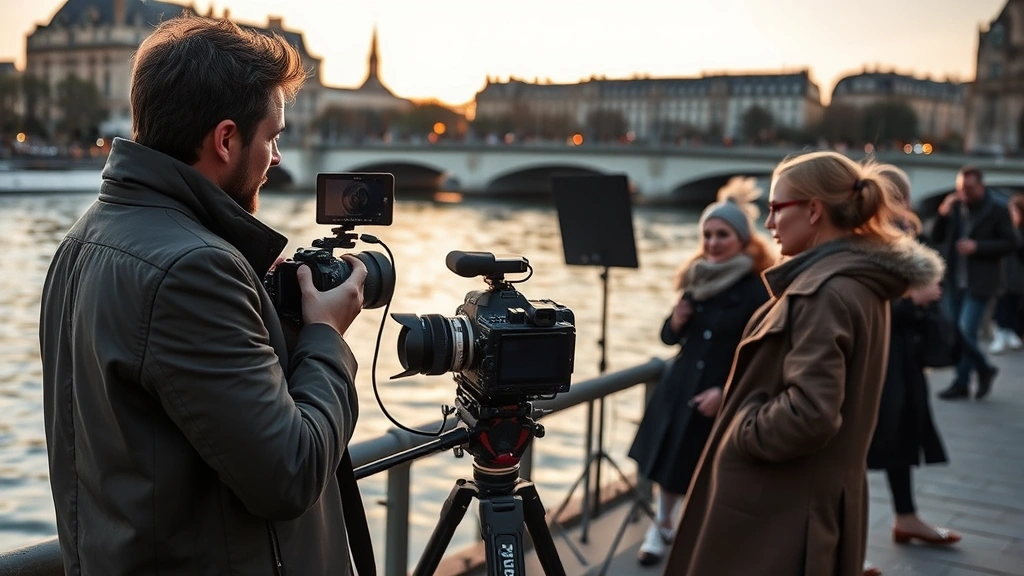
Golden hour in Paris—roughly one to two hours before sunset—produces magical, warm tones that enhance skin and fabric textures. The low angle creates dimensional shadows that add depth to compositions. Shooting during these windows requires planning and coordination, but the results justify the effort. Spring and fall offer extended golden hours due to atmospheric conditions and lower sun angles.
Overcast days, often dismissed by casual photographers, are goldmines for fashion work. Clouds act as natural diffusers, eliminating harsh shadows and providing even skin tones. This consistent, flattering light is why many professional fashion photographers actually prefer cloudy Parisian days.
Reflective surfaces amplify your lighting options. The Seine’s water, polished Haussmann facades, and wet cobblestones after rain create natural fill light and compositional interest. Puddles become mirrors, architectural elements become light sources, and ordinary streets transform into sophisticated sets.
Understanding seasonal light variations is essential. Winter light is lower and warmer, creating dramatic angles but shorter shooting windows. Summer light is higher and cooler, offering longer days but harsher midday conditions. Spring and fall provide ideal balance—warm but diffused light with reasonable shooting hours.
Weather can be your collaborator rather than obstacle. Rain adds texture, drama, and reflective surfaces. Mist softens backgrounds and creates atmospheric depth. Wind animates fabric and hair, adding movement and vitality to static compositions. Professional fashion photographers in Paris embrace unpredictable weather as creative opportunity.
Working with Models and Talent in Paris
Paris hosts exceptional modeling talent through agencies like Elite Paris, IMG Models, and Marilyn Agency. However, securing talent requires understanding local protocols and building professional relationships. Unlike some cities, Paris’s modeling community is relatively small and interconnected—reputation matters tremendously.
When casting, consider whether you want established models with fashion industry credentials or fresh faces embodying Parisian street style. Both approaches work; your choice depends on your project’s vision. Established models bring professionalism and experience; emerging talent often brings authenticity and hunger.
Communication is paramount. Confirm all details in writing: shoot date, location, duration, compensation, usage rights, and deliverables. French labor laws protect models, and respecting these protections builds trust and professionalism. Provide clear creative direction and mood boards so talent understands your vision.
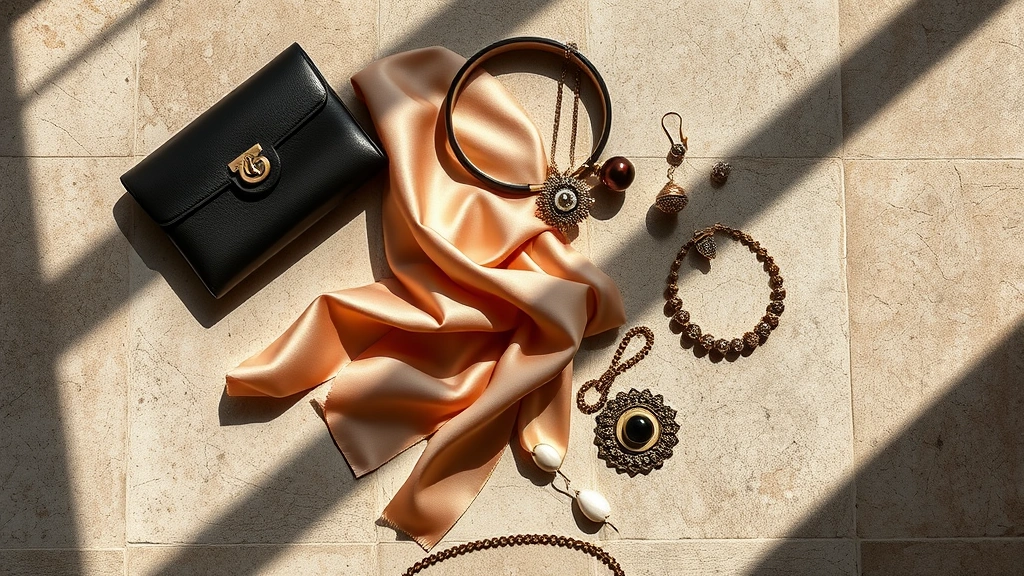
Styling partnerships elevate your work significantly. Paris has exceptional stylists who understand how to dress bodies for photography and how garments interact with light and movement. A skilled stylist transforms good shoots into exceptional ones by ensuring every element—from fabric choice to accessory placement—serves your visual narrative.
Hair and makeup artists in Paris maintain high standards. Booking professionals who understand fashion photography’s technical requirements prevents on-set complications. Discuss your aesthetic preferences in advance: natural versus dramatic makeup, sleek versus textured hair, timeless versus trendy approaches.
Building a reliable team—models, stylists, makeup artists, assistants—creates efficiency and consistency. Repeat collaborations develop shorthand and understanding that translates to better work. Many successful fashion photographers in Paris maintain core teams they work with repeatedly.
Building Your Fashion Photography Portfolio
Your portfolio is your professional currency. In fashion photography, portfolio strength directly correlates with client caliber and project opportunities. For aspiring professionals in fashion, portfolio development requires strategic thinking and consistent execution.
Begin with self-directed projects that demonstrate your unique perspective. These personal projects—shot without commercial constraints—showcase your creative vision and technical mastery. Themes might explore seasonal aesthetics, specific neighborhoods, fashion subcultures, or conceptual ideas. Self-directed work proves you can conceptualize, execute, and deliver professional-quality imagery independently.
Collaborate with emerging designers and brands. These partnerships benefit both parties: designers gain professional imagery for marketing and portfolio development, while you expand your portfolio with diverse projects. These collaborations often lead to references and recommendations within the fashion community.
Document street style and fashion culture. Paris’s fashion-forward population provides endless inspiration. Respectful street photography—with subject consent—captures authentic style and creates compelling editorial content. This work demonstrates your eye for fashion and understanding of contemporary trends.
Create themed editorial series that tell cohesive stories. Fashion publications and brands respond to photographers who demonstrate conceptual thinking and narrative ability. A series exploring fashion aesthetics across different eras or investigating how architecture influences personal style showcases depth beyond technical proficiency.
Pursue internships or assistant positions with established fashion photographers. Direct mentorship accelerates learning and provides portfolio opportunities. Many successful photographers in Paris began as assistants, learning workflows, client management, and professional standards through hands-on experience.
Maintain an organized digital portfolio accessible online. Your website should feature high-quality images, clear navigation, and information about your services. Consider creating separate sections for different work types: editorial, commercial, personal projects. Include behind-the-scenes content that humanizes your process.
Navigating the Parisian Fashion Community
Paris’s fashion industry operates through networks and relationships. Success requires strategic community engagement and professional visibility. The community includes designers, stylists, editors, brand representatives, and fellow photographers—understanding these dynamics helps you position yourself effectively.
Attend fashion events and industry gatherings. Paris Fashion Week (January and September) attracts global industry professionals. While not exclusively for photographers, these events offer networking opportunities and exposure to current trends. Smaller brand launches, exhibition openings, and industry panels provide more intimate networking possibilities.
Build relationships with fashion publications. Vogue France, L’Officiel, and Numéro shape French fashion discourse. While direct submissions are competitive, establishing relationships with editors and contributing to smaller publications builds credibility and visibility.
Engage on social media strategically. Instagram is essential for fashion photographers. Share your best work consistently, engage authentically with the community, and use location tags to increase visibility in Paris-focused searches. Consistent, high-quality content attracts clients, collaborators, and followers organically.
Join professional organizations. The Union Française de Photographes and similar professional bodies offer networking, education, and industry credibility. These memberships signal professionalism and commitment to your craft.
Mentor emerging photographers. Sharing knowledge and supporting newer photographers builds community goodwill and positions you as an established professional. Many successful photographers maintain this practice throughout their careers.
Technical Equipment and Gear Essentials
Fashion photography demands reliable, professional-grade equipment. Your gear should support consistent image quality and enable creative flexibility. While equipment doesn’t create great photography, appropriate tools prevent technical limitations from compromising your vision.
Camera Body: Full-frame DSLRs or mirrorless cameras (Canon 5D Mark IV, Nikon Z6, Sony A7 series) provide excellent image quality and autofocus systems. Mirrorless cameras offer advantages in video capability and real-time exposure feedback—increasingly important as fashion photography expands into multimedia content.
Lenses: A versatile lens collection serves different scenarios. 35mm or 50mm primes excel for environmental portraits and lifestyle fashion work. 85mm or 105mm focal lengths flatter facial features and isolate subjects from backgrounds. 24-70mm zoom lenses provide flexibility for location work. Wider lenses (16-35mm) work for architectural and environmental compositions.
Lighting Equipment: While natural light dominates Parisian fashion photography, supplemental lighting extends creative possibilities. Portable LED panels offer adjustable color temperature and intensity. Reflectors and diffusers manipulate available light without requiring power. A compact lighting kit provides options for challenging conditions or controlled studio environments.
Tripods and Stabilization: Sturdy tripods enable precise composition and hands-free shooting. Gimbals and stabilizers are less essential for fashion work than for video, but useful for video content increasingly expected in modern fashion projects.
Backup Systems: Redundancy prevents disasters. Multiple memory cards, spare batteries, backup camera bodies, and reliable external hard drives protect your work and ensure you’re never sidelined by equipment failure.
Portable Studio Kit: A collapsible backdrop system, basic lighting stands, and grip equipment enable impromptu studio setups in various locations. This flexibility distinguishes adaptable professionals from those limited to specific environments.
Seasonal Considerations and Timing
Paris transforms seasonally, and each season offers distinct photographic opportunities and challenges. Strategic planning around seasonal characteristics optimizes your shooting calendar and project outcomes.
Spring (April-May) brings renewal, blooming gardens, and soft, warm light. Trees along the Seine leaf out, adding texture to backgrounds. The season’s energy resonates with fashion narratives about fresh starts and new collections. Weather is unpredictable but generally favorable for outdoor work.
Summer (June-August) offers longest daylight hours and warmest weather, but also peak tourism and harsh midday light. Early morning and evening shoots avoid crowds and leverage golden hour. Many Parisians vacation during August, making the city quieter but potentially affecting crew availability.
Autumn (September-October) produces dramatic light, warm tones, and romantic atmosphere. Fashion weeks happen in September, energizing the industry. Fall colors add visual richness, though weather becomes increasingly unpredictable. The season’s melancholy suits editorial work exploring sophisticated, complex emotions.
Winter (November-February) offers dramatic skies, cool tones, and reduced tourist presence. Shorter days limit shooting windows but create intimate, moody atmospheres. Christmas decorations and festive aesthetics work for commercial projects. Challenging weather requires flexibility and backup plans.
Plan major projects around seasonal advantages. Spring and fall suit extensive location work with favorable light. Summer works for high-energy, vibrant narratives. Winter suits moody, introspective editorial work. Understanding these rhythms helps you schedule projects strategically and manage client expectations around seasonal constraints.
Fashion calendar considerations matter too. Designers release collections seasonally; planning shoots around these releases creates timely, relevant content. Paris Fashion Week in January and September creates industry energy but also increased competition for locations, talent, and crew availability.
FAQ
What’s the best time of day to shoot fashion photography in Paris?
Golden hour—one to two hours before sunset—produces exceptional warm light flattering to skin and fabrics. Early morning (6-8 AM) offers soft, directional light with minimal crowds. Overcast days provide consistent, flattering light ideal for fashion work. Avoid harsh midday sun unless specifically creating dramatic shadows.
Do I need permission to photograph in Paris locations?
Commercial photography typically requires permits from local authorities. Public spaces allow personal photography, but commercial shoots need formal permission. Contact the mairie (town hall) in your arrondissement for permit information. Many photographers work with location scouts familiar with permit processes.
How much does it cost to hire models in Paris?
Model rates vary significantly based on experience and project type. Emerging models might charge €50-150 per hour; established professionals command €200-500+ hourly. Agency models require booking through agencies with their commission structures. Student models or collaborative projects may reduce costs significantly.
What’s the fashion photography style most valued in Paris?
Parisian fashion photography emphasizes elegance, refinement, and understated sophistication. Editorial work values conceptual depth and narrative. Commercial work prioritizes clean, professional presentation of garments. Street style and lifestyle photography celebrating authentic Parisian aesthetics remain consistently relevant.
How do I get my work seen by French fashion publications?
Build a strong portfolio and website demonstrating your unique perspective. Follow publications on social media and engage thoughtfully with their content. Attend industry events and network with editors. Submit work to smaller publications initially to build credits and visibility. Consider fashion blogs and online publications as stepping stones to established magazines.
Is it necessary to live in Paris to work as a fashion photographer there?
Not strictly necessary, but living in Paris significantly facilitates relationship-building, location scouting, and spontaneous opportunities. Many photographers base themselves in Paris seasonally or maintain regular presence while living elsewhere. Remote collaboration enables some work without full-time residence.
What’s the biggest challenge for fashion photographers in Paris?
Competition is intense, with countless skilled photographers pursuing similar projects. Distinguishing yourself requires developing a distinctive perspective and building authentic relationships within the community. Tourist-heavy locations and unpredictable weather present logistical challenges requiring flexibility and planning.