1700s Fashion Trends: A Historian’s Comprehensive Insight into Eighteenth Century Style
The 1700s represent one of fashion history’s most transformative centuries, a period where clothing became a sophisticated language of social status, artistic expression, and cultural identity. From the opulent courts of Versailles to the bustling streets of London, the fashion of the 1700s reflected the era’s intellectual enlightenment, economic prosperity, and growing global trade networks. This century witnessed dramatic silhouettes, revolutionary textile innovations, and the emergence of fashion as a deliberate industry that would shape modern style conventions for centuries to come.
Understanding eighteenth-century fashion requires examining the intricate relationship between politics, commerce, and personal presentation. The 1700s saw the rise of the middle class, the expansion of colonial trade, and the beginning of industrialization—all factors that democratized fashion and made stylish dressing accessible beyond the aristocracy. Whether you’re researching historical costume, exploring how fashion style has evolved, or simply fascinated by the aesthetics of this remarkable period, understanding 1700s fashion provides invaluable context for contemporary trends and timeless elegance.
Women’s Silhouettes and Structural Innovation
The female silhouette of the 1700s underwent remarkable transformations throughout the century, reflecting shifting aesthetic values and technological advances in garment construction. The century opened with the continuation of the late seventeenth-century style: the mantua, a loose gown that draped elegantly over a structured underbody, remained popular among wealthy women. However, as the century progressed, fashion became increasingly structured and architecturally complex.
By the 1720s and 1730s, the sack-back gown emerged as the dominant silhouette among European aristocracy. This garment featured deep box pleats falling from the shoulders down the back, creating a distinctive silhouette that required no visible corsetry at the back while maintaining a fitted front. The sack-back represented a fascinating paradox: appearing loose and comfortable while actually requiring sophisticated engineering beneath the surface. The front of these gowns remained tightly fitted, achieved through boning and careful seaming, while the back allowed unprecedented freedom of movement.
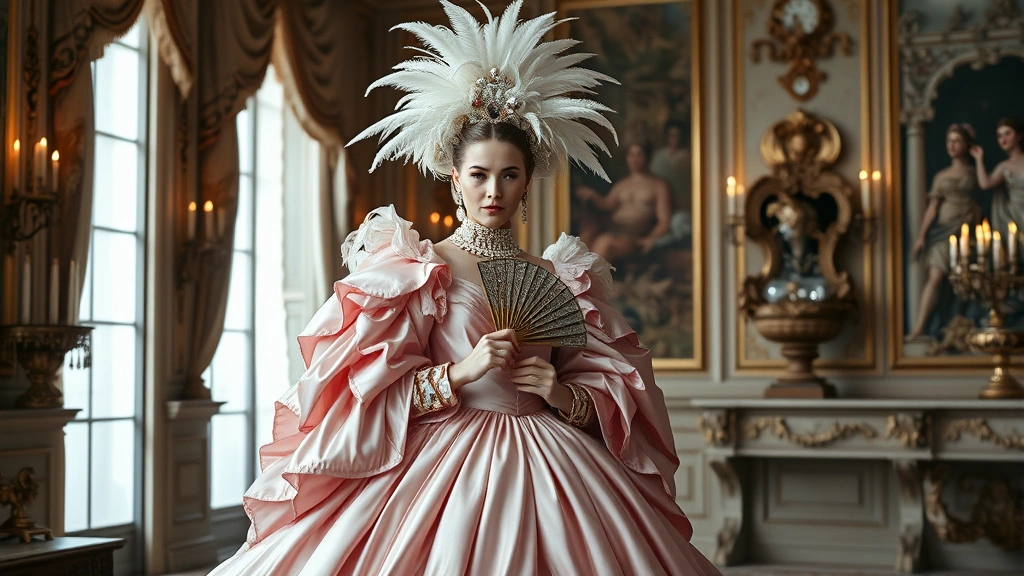
The mid-century witnessed the rise of the robe à l’anglaise, a gown that fit closely through the bodice and back before flaring into voluminous skirts supported by panniers—side hoops that extended the silhouette horizontally at hip level. These panniers sometimes extended three feet on either side, creating dramatic, theatrical proportions that dominated formal court dress. The width of panniers became a status symbol; only the wealthiest and highest-ranking women could afford to wear the most extreme versions, which restricted movement through doorways and required special etiquette considerations.
Toward the 1760s and beyond, silhouettes began narrowing, and panniers gradually diminished in size, though they persisted in formal court dress well into the 1780s. The robe à la française and its variations dominated this later period, featuring fitted bodices with the characteristic sack-back construction. Understanding these silhouette changes helps context historical costume and shows how the fashion trends for women have evolved from structured elegance to modern interpretations of historical aesthetics.
Men’s Fashion and Masculine Elegance
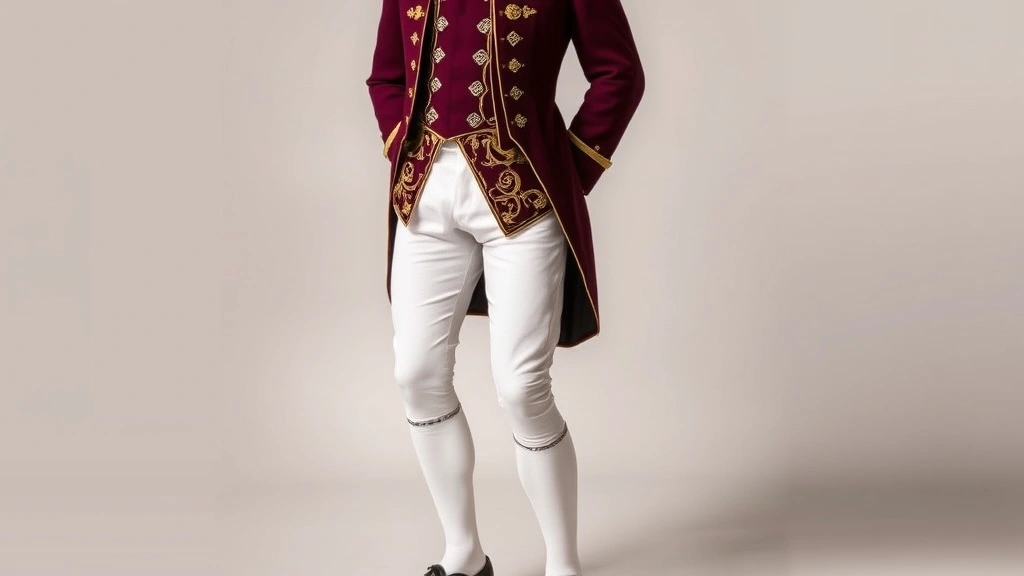
While women’s fashion captured attention through dramatic silhouettes, men’s fashion of the 1700s revealed equally profound transformations in how masculinity, refinement, and social status were expressed through clothing. The century began with men wearing knee-length coats, waistcoats, and breeches—a basic structure that remained consistent throughout the century while details underwent significant evolution.
The early 1700s featured coats with large, flared skirts, wide cuffs, and abundant decorative elements. Men of wealth displayed their status through richly embroidered coats, often featuring elaborate gold or silver threadwork, jeweled buttons, and precious materials. The waistcoat, worn beneath the coat, provided another canvas for artistic expression, frequently featuring bold patterns, contrasting fabrics, and meticulous embroidery. These waistcoats sometimes extended below the coat, becoming a dominant visual element of the ensemble.
Throughout the 1700s, men’s coat silhouettes gradually became more tailored and fitted, with the skirts shortening incrementally. The decorative embroidery that characterized early-century gentlemen’s wear gradually diminished, replaced by subtle refinement and superior tailoring. By mid-century, the distinction between a well-dressed gentleman and a fashionable woman lay not in ornamentation but in the precision of fit and the quality of materials. This shift reflected Enlightenment values emphasizing reason and restraint over baroque excess.
The three-piece suit—coat, waistcoat, and breeches—became the foundation of masculine dress, a combination that would eventually evolve into the modern business suit. Breeches, typically ending at the knee with buckles or buttons, were worn with stockings that extended to just below the knee. The silhouette emphasized a narrow waist, achieved through the coat’s construction rather than undergarments, creating an elegant, elongated line that represented masculine refinement and breeding.
Textiles, Colors, and Material Innovation
The 1700s experienced unprecedented access to exotic textiles and innovative manufacturing techniques, fundamentally transforming the material foundation of fashion. The expansion of colonial trade routes brought silks from China, India, and the Levant into European markets with increasing regularity. These imports included not just finished fabrics but also techniques and dyes that revolutionized European textile production.
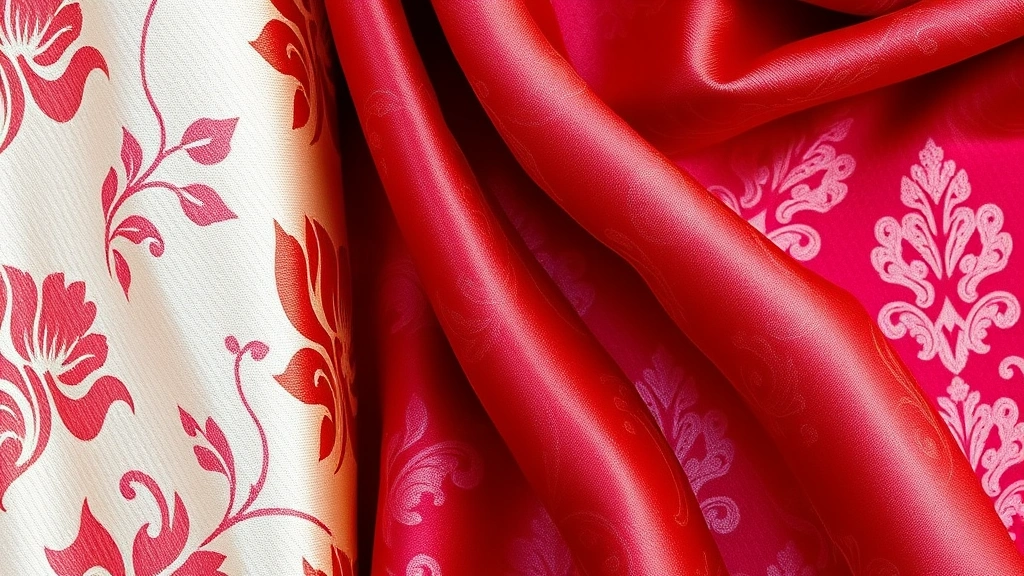
Silk remained the ultimate luxury fabric throughout the century, with damask, brocade, taffeta, and watered silk commanding premium prices. The distinctive water-marked effect in watered silk, created through heat and pressure application, created shimmering patterns that caught light dramatically—perfect for formal court wear. Brocades featuring elaborate floral and ornamental designs represented the height of luxury, often requiring months of labor to produce a single length of fabric.
Linen and cotton gained importance as the century progressed, particularly for undergarments, chemises, and day wear. Indian cotton prints, called chintz or calico, became wildly fashionable despite periodic bans by European governments attempting to protect domestic textile industries. These printed cottons featured vibrant colors and exotic motifs that captured the imagination of European consumers and influenced design aesthetics across all fabric types.
Color palettes shifted throughout the century. Early 1700s fashion embraced rich, saturated colors—deep crimsons, brilliant blues, vibrant greens—made possible by traditional dyes and the prestige associated with expensive pigments. As the century progressed and synthetic dyes improved, color became more democratic, though pale, delicate hues associated with expensive dyes (particularly purples and certain reds) remained status markers. The Rococo period, roughly 1730-1760, celebrated pastel colors—soft pinks, pale blues, pale yellows—reflecting the aesthetic preference for delicacy and ornamental refinement.
Accessories and Personal Adornment
Accessories in the 1700s transcended mere functionality, becoming essential elements of fashionable presentation and personal expression. Fans, particularly folding fans, represented indispensable accessories for women, serving practical purposes while allowing for flirtation and nonverbal communication in formal social settings. Expensive fans featured painted scenes, intricate lacework, carved ivory, and jeweled embellishments, with fashion historians noting that fan design often reflected broader artistic movements and cultural preoccupations.
Jewelry played a crucial role in demonstrating wealth and refinement. Diamonds, emeralds, rubies, and pearls adorned earrings, necklaces, bracelets, and rings, with the 1700s seeing increasing sophistication in gemstone cutting and setting techniques. Men wore rings, buckles, watch chains, and decorative buttons as expressions of masculine refinement. The shoe buckle evolved into a significant status symbol, with wealthy men sporting enormous silver or jeweled buckles that could cost more than the shoes themselves.
Hats and headwear communicated social status and fashion awareness. Women wore increasingly elaborate caps, bonnets, and towering structures decorated with ribbons, feathers, lace, and artificial flowers. The coiffure, or hairstyle, became an architectural marvel, particularly in the second half of the century, with hair piled high and decorated with jewels, feathers, and ornamental devices. Men’s tricorn hats, initially functional and practical, evolved into fashionable statements through the quality of materials, decorative trim, and the skill involved in their construction.
Stockings, gloves, and handkerchiefs represented additional accessories through which individuals could express fashion consciousness. Silk stockings in colors coordinating with or contrasting against the dress provided visual interest to the lower leg. Long kid gloves, essential for formal occasions, came in white, pale yellow, or colors matching the ensemble. Embroidered handkerchiefs served both practical and decorative purposes, often featuring monograms or elaborate needlework that demonstrated the owner’s refinement and resources.
Regional Variations and National Styles
While French fashion dominated European taste throughout the 1700s, distinct regional and national variations provided fascinating alternatives and reflected local traditions, available materials, and cultural values. Understanding these variations enriches our appreciation of how the fashion reviews of different regions documented style preferences and how historical context shaped aesthetic choices.
French fashion set the standard for European courts and wealthy elites, with Paris emerging as the undisputed fashion capital. French designers and fashion journalists, particularly through publications like Mercure Galant, established trends that other nations eagerly adopted. The elegance, refinement, and artistic sophistication of French design reflected the cultural prestige of the French court and the nation’s position as a dominant European power.
English fashion developed distinctive characteristics, particularly as the century progressed. English gentlemen gained a reputation for practical tailoring and refined simplicity, with less ornamentation and greater emphasis on superior construction. English women, while following French silhouettes, often favored slightly more modest proportions and incorporated English textiles, particularly fine woolens and printed cottons from English manufacturers. The concept of English style as representing understated elegance and quality craftsmanship began crystallizing in the 1700s.
Spanish and Portuguese fashion retained baroque influences longer than other European centers, with darker colors and heavier fabrics reflecting climate and cultural conservatism. Italian fashion, particularly in Venice and Rome, blended French influences with local traditions and the availability of Mediterranean fabrics and dyes. German and Scandinavian fashion incorporated French silhouettes while reflecting local materials and practical considerations for colder climates.
Colonial American fashion followed European, particularly English, styles with a time lag, though wealthy colonists increasingly imported fashionable goods directly from London and Paris. As the century progressed and colonial economies strengthened, American fashion became more sophisticated, though distinctly provincial compared to European centers. This colonial fashion heritage would eventually contribute to distinctive American style preferences that emerged after independence.
Footwear and Legwear
Shoes and stockings received careful attention from fashionable individuals throughout the 1700s, with these elements contributing significantly to overall silhouette and presentation. Women’s shoes featured heeled designs that elongated the leg line and emphasized the arch of the foot. Heeled slippers and mules, often featuring decorative embroidery, ribbon trim, or jeweled ornaments, represented luxury items accessible primarily to the wealthy. Heel heights varied throughout the century, with heels reaching dramatic proportions in the mid-1700s before gradually moderating toward century’s end.
Men’s shoes, typically featuring buckles rather than laces by the 1700s, underwent similar evolution. Early-century shoes featured rounded toes and modest heels, gradually becoming more refined and delicate as the century progressed. The enormous buckles adorning men’s shoes represented one of fashion’s most distinctive elements, with wealthy men owning multiple pairs of shoes with different buckles to coordinate with various ensembles. These buckles, sometimes measuring six inches across, were fashioned from silver, cut steel, or decorated with precious stones.
Stockings occupied an important place in fashionable dress for both men and women. Women’s stockings, typically white, pale pink, or pale blue, were often elaborately decorated with clocking (decorative stitching along the ankle and lower leg) or embroidery. Men’s stockings, worn visible below the knee breeches, were typically black, white, or flesh-colored, with decorative clocking or embroidery indicating quality and fashion awareness. The visibility of stockings meant they required careful selection to coordinate with breeches and shoes.
Children’s Fashion and Social Status
The 1700s witnessed evolving attitudes toward childhood reflected in children’s fashion. Early in the century, young children, particularly girls, wore simplified versions of adult dress, though with less ornamentation and more practical construction. Boys typically wore dress-like garments until around age five or six, when they transitioned to miniature versions of men’s coats, breeches, and stockings. This transition, called breeching, represented a significant milestone in a boy’s development and was often marked by celebration.
As the century progressed, children’s fashion gradually became more specialized and distinct from adult styles. Enlightenment ideas about childhood and education influenced thinking about appropriate children’s dress, with reformers advocating for clothing that allowed freedom of movement and physical activity. Simpler, less restrictive garments became more acceptable for children, particularly for informal occasions and play, though formal children’s wear remained quite elaborate for wealthy families.
The clothing of children, like that of adults, communicated family status and resources. Wealthy children wore silk, fine linen, and expensive trims, while middle-class children wore cotton and linen. The quality of children’s garments, the materials employed, and the decorative elements indicated family position within the social hierarchy. Parents invested significantly in fine clothing for children to wear for formal occasions, portraits, and public appearances.
FAQ
What were the main fashion silhouettes for women in the 1700s?
Women’s fashion evolved through several dominant silhouettes: the mantua and underbody of the early 1700s, the sack-back gown of the 1720s-1730s, and the robe à l’anglaise with panniers (side hoops) dominating mid-century. Silhouettes gradually narrowed after the 1760s, though panniers persisted in formal court wear. Each silhouette required sophisticated internal construction to achieve the desired shape, often involving extensive boning, padding, and specialized undergarments.
How did men’s fashion differ from women’s fashion in the 1700s?
While women’s fashion emphasized dramatic silhouettes achieved through structural elements and side hoops, men’s fashion focused on tailored coats, waistcoats, and breeches with gradually increasing refinement and decreasing ornamentation throughout the century. Men’s fashion emphasized superior tailoring and quality materials rather than dramatic silhouettes, with the three-piece suit becoming the foundational masculine ensemble. Both men and women used clothing to communicate status, but through different aesthetic strategies.
What materials were most fashionable in 1700s clothing?
Silk represented the ultimate luxury fabric, with damask, brocade, taffeta, and watered silk commanding premium prices. Linen and cotton gained importance, particularly for undergarments and day wear. Indian cotton prints (chintz and calico) became wildly fashionable despite periodic bans. The availability of exotic textiles through expanded colonial trade routes revolutionized European fashion and made previously inaccessible materials more widely available.
How did fashion differ between early and late 1700s?
Early 1700s fashion featured bold ornamentation, rich saturated colors, and baroque influences carried over from the previous century. Mid-century saw the peak of Rococo aesthetics with pastel colors, delicate ornaments, and architectural silhouettes. Late-century fashion moved toward greater simplicity, narrower silhouettes, and less ornamentation, reflecting Enlightenment values and the emergence of neoclassical aesthetics that would dominate the early 1800s.
Were there class distinctions in 1700s fashion?
Absolutely. Fashion strictly communicated social status. Wealthy aristocrats and upper-middle-class individuals wore expensive fabrics (silk, fine linens), elaborate ornamentation, and fashionable silhouettes. Middle-class individuals wore cotton and linen with modest decoration. Working-class people wore sturdy, practical garments in neutral colors with minimal ornamentation. Sumptuary laws in some regions legally restricted certain fabrics and decorative elements to specific social classes, though enforcement varied. Even within the wealthy classes, the expense and exclusivity of certain styles communicated precise social positioning. Understanding this social dimension enriches appreciation of how fashion dresses and garments served as social documents.
How did colonial American fashion relate to European fashion?
Colonial Americans, particularly the wealthy, eagerly adopted European styles with a time lag of several months to a few years. Wealthy colonists imported fashionable goods from London and Paris, while others copied styles from imported fashion dolls or descriptions in letters. Colonial tailors and seamstresses adapted European patterns to local materials and preferences. As the century progressed and colonial economies strengthened, American fashion became more sophisticated, though it remained somewhat provincial compared to European centers. This colonial relationship to European fashion established patterns that would continue to influence American fashion preferences long after independence.
What role did fashion publications play in the 1700s?
Fashion publications, particularly Mercure Galant in France and similar periodicals in other countries, played crucial roles in disseminating fashion information. These publications featured illustrations, descriptions, and commentary on fashionable dress, allowing individuals without direct access to fashion centers to learn about current trends. Fashion dolls, dressed in miniature versions of fashionable garments, were sent between courts and to wealthy individuals, serving as three-dimensional fashion publications. These publications and dolls democratized fashion information, though access remained limited to literate, wealthy individuals.
How did the fashion industry develop during the 1700s?
The 1700s witnessed the emergence of fashion as a deliberate industry. Fashion designers, tailors, and dressmakers gained professional status and reputation. Fashion merchants, fabric traders, and accessory makers proliferated. Publications dedicated to fashion emerged. Wealthy individuals employed personal tailors and seamstresses or patronized fashionable makers in urban centers. The expansion of international trade networks created supply chains for exotic fabrics and materials. By century’s end, fashion had become an organized industry with professionals, publications, and commercial structures that would continue developing throughout subsequent centuries.