Is Monochrome Fashion In? Expert Insight on This Timeless Trend
Monochrome fashion has experienced a remarkable resurgence in recent years, captivating designers, fashion influencers, and style enthusiasts worldwide. The concept of dressing in a single color or varying shades of one hue isn’t merely a passing trend—it’s a sophisticated approach to personal style that combines elegance, versatility, and visual impact. From high-fashion runways to everyday street style, monochromatic outfits continue to dominate the fashion landscape, proving that sometimes less truly is more.
The beauty of monochrome fashion lies in its inherent simplicity and transformative power. Whether you’re drawn to all-black ensembles, pristine whites, or rich jewel tones, monochromatic dressing offers a fashion-forward approach to creating cohesive, polished looks. This styling philosophy allows you to focus on texture, silhouette, and fabric quality—elements that truly distinguish exceptional outfits from ordinary ones. As we navigate an increasingly complex fashion world, monochrome styling provides a refreshing anchor point for building a versatile and intentional wardrobe.
The Monochrome Movement: Why It’s Here to Stay
The monochrome fashion trend isn’t new—it’s cyclical, returning with renewed vigor every few decades. However, what makes the current iteration of monochrome styling particularly compelling is its intersection with modern lifestyle needs and sustainability concerns. Today’s fashion-conscious consumers are increasingly seeking ways to build more intentional wardrobes that transcend seasonal whims and fleeting trends.
According to Vogue, monochromatic dressing has become synonymous with contemporary luxury and sophisticated minimalism. The trend appeals to a diverse demographic—from minimalist professionals to avant-garde artists—because it offers a universal language of style. When you commit to a monochromatic palette, you’re making a statement about your values: intentionality, confidence, and a focus on quality over quantity.
The resurgence of monochrome fashion also reflects broader cultural shifts toward individuality expressed through subtle means rather than loud proclamations. In an era of information overload and visual noise, the clean lines and unified color schemes of monochromatic outfits offer a meditative quality. They allow your personality and presence to shine without relying on pattern or color contrast to capture attention.
Expert Perspectives on Color Psychology in Fashion
Color psychology plays a fundamental role in understanding why monochromatic fashion resonates so deeply with style-savvy individuals. Each color carries psychological associations that influence not only how others perceive us but also how we feel about ourselves. Fashion psychologists have long recognized that limiting your palette to a single color creates a cohesive psychological effect that extends beyond mere aesthetics.
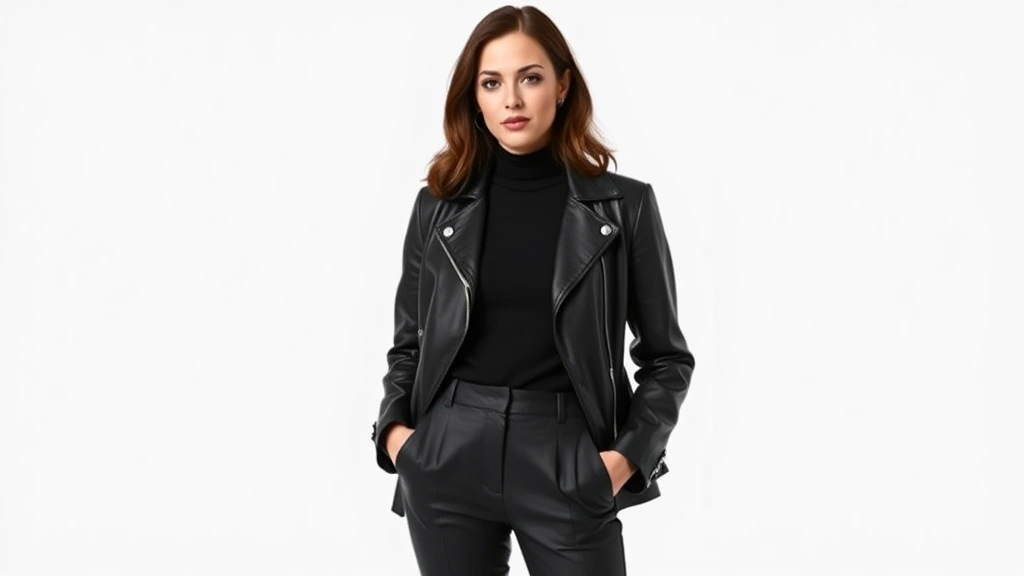
Black monochromatic outfits, for instance, convey sophistication, authority, and timelessness. This is why black remains the uniform of choice for designers, artists, and professionals in creative industries. According to Harper’s Bazaar, black monochromatic styling has transcended its association with formality to become the ultimate casual-luxury statement. A black-on-black ensemble can be dressed up or down, making it exceptionally versatile for anyone building a diverse fashion types collection.
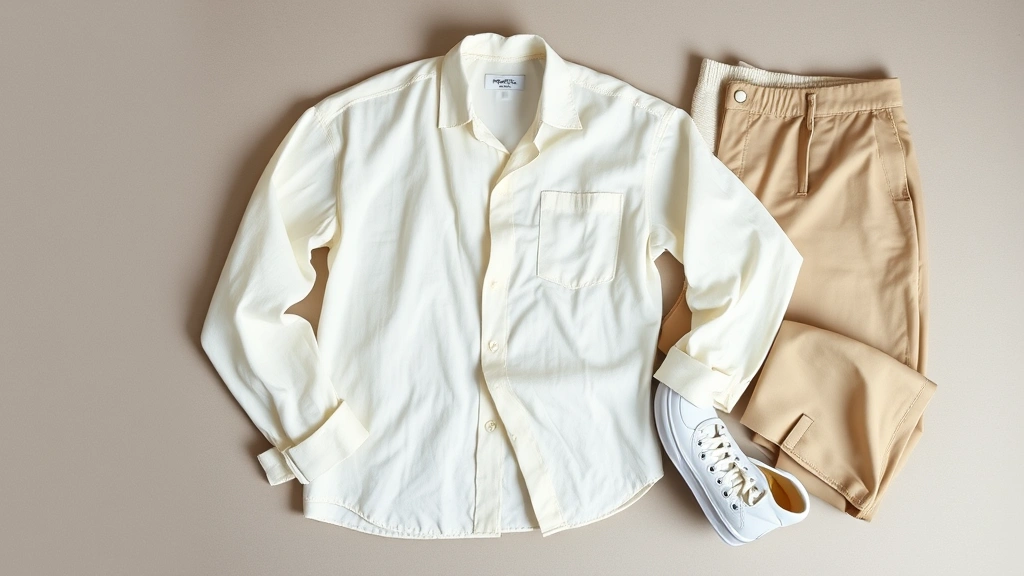
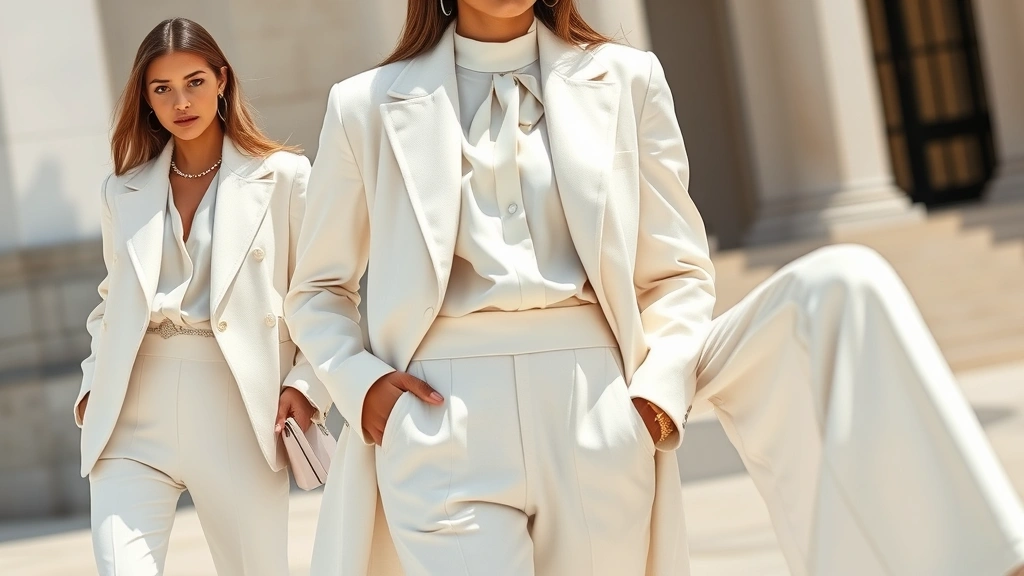
White and cream monochromatic palettes, conversely, evoke purity, cleanliness, and freshness. These lighter tones create an impression of openness and approachability while maintaining an air of elegance. Neutral monochromatic looks in beige, gray, and taupe offer warmth and sophistication without the starkness of black and white extremes. For those seeking to develop their personal style foundation, understanding color psychology is essential.
Jewel-tone monochromatic dressing—think deep emerald, sapphire, or burgundy—combines the psychological benefits of color with the visual cohesion of monochromatic styling. These richer tones convey luxury, creativity, and confidence. Fashion experts increasingly recommend exploring monochromatic looks in unexpected colors to stand out while maintaining the sophisticated simplicity that makes this trend so appealing.
Building Your Monochromatic Wardrobe
Creating a functional monochromatic wardrobe requires strategic thinking and an understanding of your lifestyle needs. The foundation of any successful monochromatic approach involves selecting a core color that resonates with your skin tone, personality, and daily activities. Whether you’re exploring fashion careers in NYC or simply want to elevate your personal style, monochromatic dressing offers a professional and polished foundation.
Start by investing in quality basics in your chosen color:
- Structured blazers that provide professional polish for work environments
- Fitted t-shirts and tops in various weights for layering versatility
- Well-tailored trousers and jeans that fit your body perfectly
- Comfortable sweaters in different knits for seasonal variation
- Dresses and skirts that work across multiple occasions
- Outerwear such as coats and jackets in your monochromatic color
The key to monochromatic success is investing in pieces with varying textures and finishes. A matte cotton shirt, a silky blouse, a textured knit sweater, and a structured blazer—all in the same color—create visual interest and dimension without relying on color contrast. This approach allows you to build numerous outfit combinations from a relatively small number of pieces, making it ideal for anyone interested in staying updated on fashion trends.
Accessories become particularly important in monochromatic styling. Belts, shoes, bags, and jewelry should either match your monochromatic color or serve as neutral anchors in black, white, or metallics. Many style experts recommend maintaining a consistent metallic tone—either gold or silver—throughout your accessories to create additional visual cohesion.
Texture and Layering: The Secret to Monochrome Success
The most compelling monochromatic outfits succeed because of their masterful use of texture and layering. When color is removed from the equation, texture becomes your primary tool for creating visual interest and preventing your outfit from appearing flat or one-dimensional. This principle is crucial for anyone pursuing formal fashion design education or simply aiming to develop more sophisticated personal style.
Layering in monochromatic fashion isn’t just about functionality—it’s an art form. Consider these textural combinations:
- Knit + Leather: A chunky wool sweater layered under a sleek leather jacket creates dynamic visual interest
- Silk + Denim: A silk camisole paired with structured denim provides elegant contrast
- Cashmere + Linen: Luxurious cashmere over crisp linen creates sophisticated texture play
- Mesh + Wool: Sheer mesh details peeking through wool creates modern edge
- Satin + Cotton: The interplay between matte and lustrous finishes adds depth
Fabric weight also plays a crucial role in successful monochromatic styling. Pairing lightweight and heavy fabrics creates visual movement and prevents your outfit from feeling heavy or monotonous. A lightweight linen shirt layered under a wool coat, for example, creates sophisticated dimension while maintaining perfect color harmony.
Professional stylists recommend paying particular attention to fabric sheen and finish. Combining matte and shiny finishes—such as a matte wool blazer with a satin camisole—creates visual complexity that keeps monochromatic outfits from appearing boring. This attention to detail distinguishes fashion-forward monochromatic styling from basic, one-note looks.
Monochrome Across Different Seasons
Monochromatic fashion proves particularly versatile across seasonal transitions, allowing you to maintain color consistency while adapting to temperature and daylight changes. Each season presents unique opportunities for exploring different depths and tones within your chosen monochromatic palette.
Spring Monochromatic Styling: Spring calls for lighter, more delicate shades within your chosen color family. Pale pastels, soft neutrals, and bright jewel tones in lighter saturation work beautifully. Lightweight fabrics like cotton, linen, and silk allow for breathability while maintaining monochromatic cohesion. This season is ideal for experimenting with unexpected colors like soft sage, pale lavender, or creamy ivory.
Summer Monochromatic Styling: Summer demands breathable fabrics and strategic layering to manage heat while maintaining style. White and cream monochromatic looks dominate summer fashion for good reason—they reflect light and heat while providing sophisticated elegance. Linen, cotton, and lightweight blends become your best friends. Incorporate sheer layers, loose silhouettes, and strategic cutouts to stay cool without sacrificing monochromatic integrity.
Fall Monochromatic Styling: Autumn is prime time for richer, deeper monochromatic palettes. Burgundy, chocolate brown, deep gray, and forest green monochromatic outfits embrace the season’s natural color shifts. Layer lightweight knits over silk bases, incorporate suede and corduroy textures, and embrace longer hemlines and structured silhouettes.
Winter Monochromatic Styling: Winter offers opportunities for luxurious texture play and layering. Black monochromatic styling dominates winter runways and street style, but don’t overlook crisp whites, deep navies, and rich charcoals. Incorporate wool, cashmere, leather, and faux fur to create dimensional winter outfits that celebrate monochromatic sophistication.
Celebrity and Designer Endorsements
The fashion world’s most influential voices have embraced monochromatic styling as a cornerstone of contemporary luxury fashion. From high fashion houses to celebrity style icons, monochromatic dressing receives consistent endorsement from industry leaders, reinforcing its position as a timeless, fashion-forward approach to personal style.
Luxury fashion houses like The Row, founded by the Olsen twins, have built entire collections around monochromatic principles. Their designs emphasize quality, simplicity, and the beauty of single-color narratives. Similarly, designers like Jil Sander and Helmut Lang have long championed minimalist monochromatic aesthetics as the pinnacle of sophisticated design.
Celebrity adoption of monochromatic styling extends across diverse personalities and styles. From minimalist actresses who favor all-black ensembles to musicians who experiment with bold monochromatic color statements, Hollywood consistently validates this trend. Fashion influencers with millions of followers regularly showcase monochromatic outfit inspiration, demonstrating that this approach works across various body types, ages, and personal aesthetics.
According to Business of Fashion, monochromatic styling has become particularly popular among fashion-forward professionals who recognize its time-saving benefits and sophisticated impact. The trend transcends fashion industry insiders to appeal to busy professionals, parents, and anyone seeking to build a more intentional, functional wardrobe.
Sustainable Fashion and Monochromatic Styling
One of the most compelling arguments for monochromatic fashion’s continued relevance is its alignment with sustainable fashion principles. By committing to a monochromatic palette, you naturally reduce the number of pieces you need to purchase while maximizing outfit combinations—a core principle of sustainable wardrobe building.
Monochromatic styling encourages investment in quality basics that transcend seasonal trends. Rather than chasing fast fashion’s constant color and pattern changes, you’re building a durable foundation of versatile pieces. This approach reduces consumption, minimizes waste, and supports the growing movement toward conscious fashion consumption.
The monochromatic approach also facilitates capsule wardrobe building, a sustainable fashion strategy that emphasizes owning fewer, higher-quality pieces that work together cohesively. When all your pieces exist within a single color family, every item becomes more versatile. A piece purchased years ago seamlessly integrates with new acquisitions, extending garment lifespans and reducing the pressure to constantly update your wardrobe.
Fashion brands increasingly recognize this sustainable dimension of monochromatic styling. Companies focused on ethical production and environmental responsibility often emphasize monochromatic collections, positioning themselves as alternatives to fast fashion’s disposable aesthetic. This alignment between monochromatic fashion and sustainability values suggests the trend will continue gaining momentum among conscientious consumers.
FAQ
Is monochromatic fashion actually in style right now?
Absolutely. Monochromatic fashion is experiencing a significant moment in contemporary style, endorsed by major designers, fashion publications, and style influencers. Its timeless appeal combined with modern sustainability values ensures its continued relevance. Whether you’re following recent fashion trends or building a lasting personal style, monochromatic dressing remains firmly in fashion.
Can I make monochromatic fashion work for casual everyday wear?
Yes, monochromatic styling works beautifully for casual wear. An all-black jeans-and-t-shirt outfit, a cream linen ensemble, or a gray sweatshirt-and-joggers combination all qualify as monochromatic casual looks. The key is focusing on comfortable fabrics and relaxed silhouettes while maintaining color harmony.
What’s the best monochromatic color for a professional environment?
Black remains the ultimate professional monochromatic choice, conveying authority and sophistication. However, navy, charcoal gray, and even white can work beautifully in professional settings depending on your industry. Consider your workplace culture and personal coloring when selecting your professional monochromatic palette.
How do I prevent monochromatic outfits from looking boring?
Texture and layering are your secret weapons. Combine different fabric weights and finishes, incorporate varied silhouettes, and use strategic accessories to create visual interest. Quality fabrics with interesting textures—chunky knits, structured wool, silky blouses—prevent monochromatic looks from appearing flat.
Can I mix different shades within one color for monochromatic styling?
Yes, this is not only acceptable but encouraged. Monochromatic styling means staying within one color family, not necessarily wearing identical shades. Pairing light gray with charcoal, cream with ivory, or navy with black creates dimensional interest while maintaining monochromatic cohesion.
What accessories work best with monochromatic outfits?
Neutral accessories in black, white, metallics, or natural materials like wood and leather complement monochromatic outfits beautifully. You can also choose accessories that match your monochromatic color for a seamless look, or use contrasting neutrals to add subtle visual interest.
Is monochromatic fashion flattering for all body types?
Yes, monochromatic fashion can be incredibly flattering for all body types when styled thoughtfully. The unbroken color line created by monochromatic dressing can elongate the silhouette and create a streamlined appearance. Focus on well-fitting pieces and strategic layering to enhance your unique body shape.