How to Elevate Basics: Eva’s Expert Guide to Timeless Style
The secret to looking effortlessly chic isn’t about owning a closet overflowing with statement pieces or trending items. Instead, it’s about mastering the art of elevating basics—those foundational wardrobe staples that form the backbone of every stylish person’s collection. As someone who has spent years studying fashion trends and personal style development, I can confidently say that the difference between looking ordinary and extraordinary often comes down to how you style your basics.
Whether you’re working with a white t-shirt, classic denim, a neutral blazer, or simple sneakers, the magic happens when you know how to layer, accessorize, and combine these pieces strategically. In this comprehensive guide, I’ll share my expert strategies for transforming basic wardrobe essentials into show-stopping outfits that reflect your personality and fashion sensibility. These techniques have been tested across countless styling scenarios and work whether you’re heading to the office, meeting friends for brunch, or preparing for a special event.
Understanding the Power of Basics
Basics are the unsung heroes of fashion. They’re the pieces that never go out of style, that work across seasons, and that provide the perfect canvas for creative expression. When you understand the psychology behind why basics work so well, you unlock the ability to build countless outfits from a minimal wardrobe. This concept aligns perfectly with the principles of finding your personal style, which is ultimately about recognizing what makes you feel confident and beautiful.
The true power of basics lies in their versatility. A simple white button-down shirt can be worn as a standalone piece, tied at the waist, oversized as a beach cover-up, or layered under sweaters and dresses. The same applies to well-fitted jeans, neutral cardigans, and plain tees. When you invest in quality basics, you’re not just buying clothing—you’re investing in a foundation that will support countless outfit combinations throughout your life.
Understanding different types of fashion styles helps you determine which basics will work best for your aesthetic. Whether you lean toward minimalist, classic, contemporary, or eclectic styling, your basics should reflect and support your chosen aesthetic direction.
Essential Basics Every Wardrobe Needs
Before we dive into elevation techniques, let’s establish which basics form the non-negotiable foundation of a versatile wardrobe. These pieces should be neutral, high-quality, and timeless in design. Consider investing in:
- White t-shirts in various fits (fitted, oversized, cropped, boyfriend cut)
- Neutral button-down shirts in white, cream, and light blue
- Well-fitting jeans in classic blue denim, black, and white
- Neutral sweaters in cream, gray, black, and camel
- Simple tank tops in white, black, and neutral tones
- Neutral trousers in tailored cuts for professional settings
- Basic cardigans that layer seamlessly over other pieces
- Neutral slip dresses that work under sheer tops and sweaters
Each of these pieces should be made from quality materials that will last through multiple washes and wears. The investment in premium basics pays dividends because you’ll be wearing them constantly, combining them in different ways, and relying on them as the foundation for more creative outfits.
Layering Techniques for Maximum Impact
Layering is perhaps the most powerful tool in the basic-elevation arsenal. Strategic layering transforms a simple outfit into something visually interesting and dimensionally complex. The key is understanding proportion, texture, and how different pieces interact with one another.
The Classic Trio Layer: Start with a fitted basic (white tee or tank), add a lightweight sweater or cardigan, and top with a structured jacket or blazer. This creates visual interest through silhouette variation while maintaining a cohesive, polished appearance. The fitted base prevents the outfit from appearing bulky, while the structured outer layer adds sophistication.
Texture Contrast Layering: Combine basics made from different materials to create visual depth. A smooth cotton tee under a chunky knit cardigan, paired with a silk slip dress, creates multiple texture dimensions that make the outfit feel more intentional and fashion-forward. This technique works because the eye naturally appreciates the interplay between different textile qualities.
Length Variation: Use layering to play with proportions by pairing pieces of different lengths. A cropped sweater over a longer tank top, or a long cardigan over a shorter dress, creates visual lines that make your silhouette appear more intentional and styled. This approach also allows you to show skin strategically, which adds sophistication to otherwise covered-up basics.
The fashion style guide on our site provides additional insights into how layering relates to overall aesthetic development. Understanding your personal style makes it easier to layer in ways that feel authentic to your fashion identity.
Accessory Styling Secrets
Accessories are where basics truly come alive. The right accessory can completely transform a basic outfit from forgettable to unforgettable. This is where your personal creativity shines and where you can take risks without committing to expensive statement pieces.
Statement Jewelry: A simple white tee and jeans becomes instantly elevated with a bold gold chain necklace, chunky cocktail ring, or dramatic chandelier earrings. The contrast between the simplicity of the basics and the boldness of the jewelry creates visual intrigue. Choose one statement piece per outfit to maintain balance—if you’re wearing a bold necklace, opt for simpler earrings and rings.
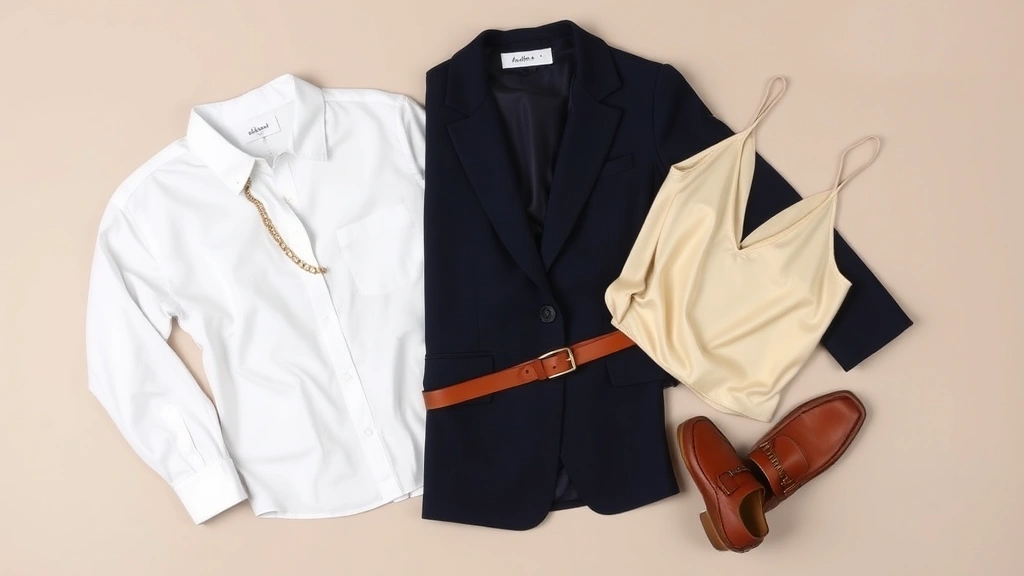
Belting Techniques: Belts aren’t just functional; they’re transformative styling tools. Cinch a simple dress or oversized shirt at the waist with a quality belt to create definition and change the silhouette entirely. Wide belts add drama and structure, while delicate belts add subtle sophistication. Belting can also be playful—wrap a chain belt over a sweater or use a fabric belt to add color to a neutral outfit.
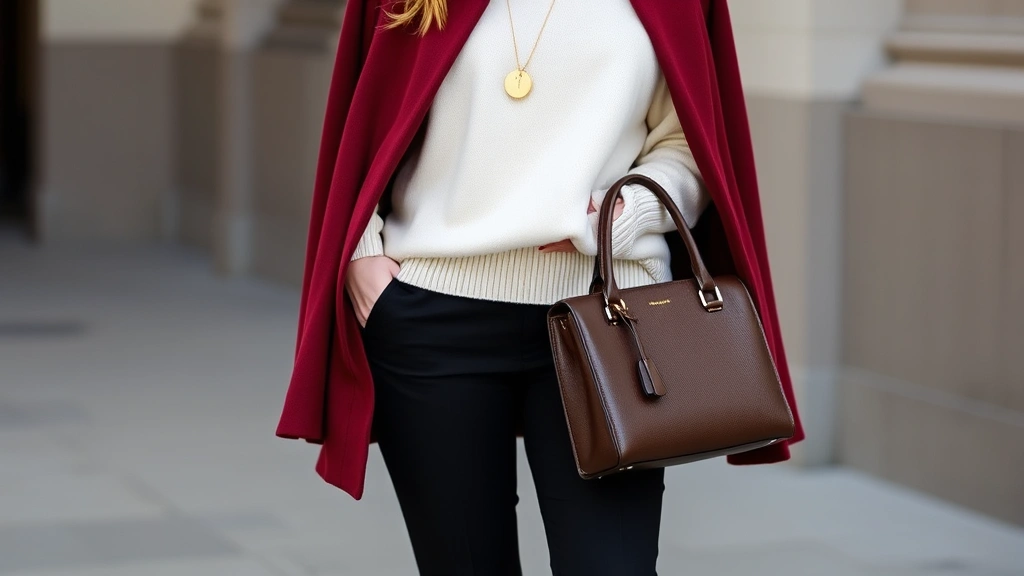
Bag Selection: Your bag is one of the largest accessories you wear, making it crucial for elevation. A structured leather handbag instantly makes basics look more polished and professional. A designer-inspired bag (or investment designer piece if budget allows) elevates even the simplest outfit. Consider how your bag relates to your overall outfit in terms of color, texture, and formality level.
Scarf Styling: Scarves are incredibly versatile elevation tools. Wear them around your neck for added color and texture, tie them as headbands, wrap them around your waist, or even style them as belts. A silk scarf adds instant luxury to a basic outfit, while patterned scarves introduce visual interest without requiring you to invest in patterned basics.
Explore our StyleLoom Daily blog for detailed accessory styling guides and seasonal recommendations.
Color Blocking and Pattern Mixing
While basics are typically neutral, elevating them often involves strategic color introduction. Color blocking—the practice of pairing solid colors in complementary or contrasting ways—creates visual impact without relying on patterns or prints.
Monochromatic Elevation: Wearing different shades of the same color (all whites, all grays, all blacks) creates a sophisticated, elongated silhouette. The key is varying the textures and saturation levels. Pair a cream silk camisole under a charcoal gray sweater with black tailored trousers for a monochromatic look that’s visually interesting despite the limited color palette.
Complementary Color Pairings: Introduce color through basics in complementary shades. A cream sweater with burgundy trousers, or a white shirt with navy pants, creates visual harmony that feels intentional and elevated. These pairings work because they’re rooted in color theory, making them inherently pleasing to the eye.
Strategic Pattern Introduction: Once you’ve mastered solid basics, introduce patterns strategically. A patterned scarf, printed blouse, or textured sweater works best when paired with solid basics. The rule of thumb is to keep patterns to one or two pieces per outfit, allowing each pattern to be noticed and appreciated rather than creating visual chaos.
Unexpected Color Combinations: Fashion-forward styling often involves pairing colors that seem unconventional but work beautifully together. A burgundy cardigan over a rust-colored tee, or a sage green blazer over a cream slip dress, creates visual interest that makes basics feel fresh and intentional.
Footwear as Your Style Statement
Shoes have the power to completely transform an outfit’s vibe and formality level. The same basic jeans and white tee looks entirely different when paired with sneakers versus heels versus loafers. This is why developing a diverse shoe collection is crucial for anyone serious about elevating basics.
The Power of Heel Height: A simple dress or outfit becomes instantly more formal and elevated when worn with heels. Conversely, the same outfit becomes casual and approachable in sneakers. Understanding how heel height affects overall outfit perception allows you to intentionally adjust your look’s formality level. Even a modest heel (2-3 inches) can elevate basics significantly.
Statement Footwear: Invest in shoes that make visual statements—bold colors, interesting textures, unique designs. A pair of red leather loafers, snakeskin boots, or metallic sneakers instantly elevates even the most basic outfit. The shoe becomes the focal point, allowing your top and bottom to remain simple and neutral.
Texture and Material Choices: The material of your shoes affects how elevated your overall look appears. Leather shoes feel more sophisticated than canvas, suede feels more luxe than cotton, and metallics feel more fashion-forward than matte finishes. Consider how your shoe material relates to the rest of your outfit’s texture palette.
Proportion and Proportion Play: Oversized shoes (chunky loafers, oversized sneakers) create an interesting silhouette contrast with fitted basics. Delicate, minimal shoes (ballet flats, thin-strapped heels) create an elongated line with looser basics. Understanding these proportion relationships helps you create visually balanced, intentional outfits.
Creating Elevated Everyday Looks
Elevation doesn’t require special occasions or elaborate styling. The most impressive styling happens in everyday looks—when you transform basics into outfits that make people wonder if you’re naturally gifted at fashion or have simply figured out the formula.
The Elevated Casual Look: Start with basics (white tee, blue jeans) and add elevation through accessories (structured blazer, gold jewelry, quality handbag) and footwear (pointed-toe flats or heeled loafers). The result is an outfit that’s casual enough for running errands but polished enough for lunch with friends or a casual work meeting.
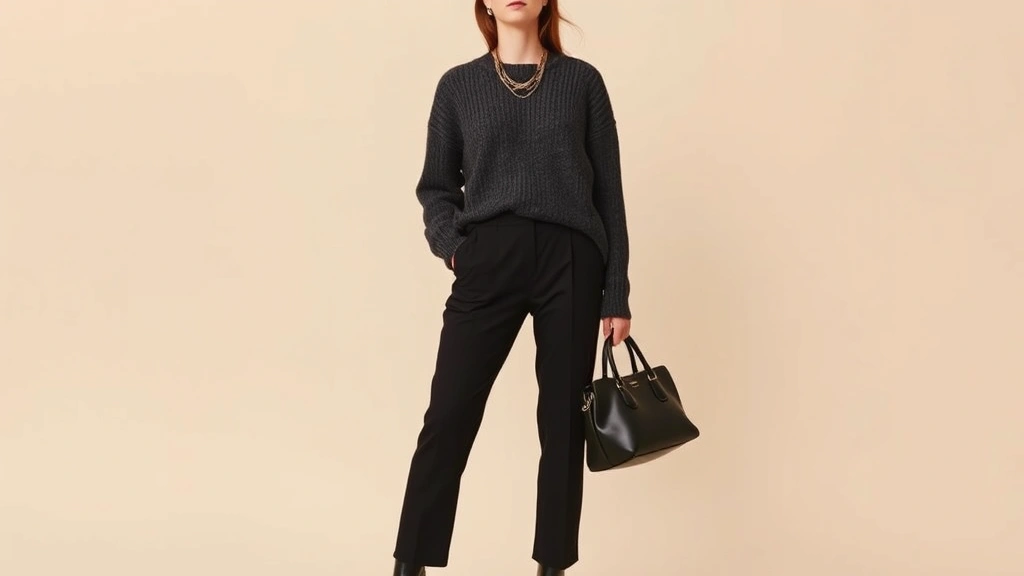
The Effortlessly Chic Formula: Combine oversized basics with fitted pieces to create intentional silhouettes. An oversized cream sweater paired with fitted black trousers and pointed-toe flats feels editorial and fashion-forward. The key is the contrast between loose and fitted pieces, creating visual interest through proportion play.
The Minimalist Approach: Sometimes elevation comes from restraint. A perfectly fitted white tee, tailored black trousers, quality white sneakers, and a structured handbag creates an outfit that feels intentionally minimal and sophisticated. This approach requires that each piece be of exceptional quality, as there’s nowhere to hide.
Understanding 90s fashion trends can provide inspiration for elevated basics styling, as the 90s aesthetic emphasized quality basics paired with intentional accessories and shoes.
Professional Styling for Work
Professional environments require a specific approach to elevating basics. The goal is to look polished, competent, and fashion-forward while respecting workplace norms and expectations. This is where quality basics truly shine, as they form the foundation of a professional wardrobe that works across seasons and trends.
The Power Blazer: A well-fitted blazer instantly elevates any basic outfit to professional status. Wear it over a simple tee and trousers, or layer it over a dress. The structured shoulders and tailored fit communicate competence and intentionality. Invest in blazers in neutral colors (black, navy, camel) that will work across your entire professional wardrobe.
Tailoring and Fit: Professional elevation depends heavily on fit. Basics that are tailored specifically to your body look infinitely more expensive and intentional than off-the-rack pieces. Consider having key pieces tailored—hemming trousers to the right length, taking in sweaters at the sides, or adjusting sleeve lengths on shirts.
Elevated Basics Combinations: A white button-down shirt tucked into tailored black trousers with a structured handbag and simple jewelry creates a professional look that feels intentional. Layer in a cardigan for additional visual interest. These pieces work together to communicate professionalism while allowing your personal style to shine through.
Shoe Selection for Professional Settings: Professional footwear should be polished and intentional. Invest in quality heels, loafers, or ballet flats in neutral colors. A point-toe heel instantly elevates basics, while quality loafers create a more casual-professional vibe. Ensure your shoes are well-maintained and polished—professional elevation depends on attention to detail.
Seasonal Elevation Strategies
Elevation techniques shift across seasons as your basics naturally transition. Understanding how to adapt your styling approach to seasonal changes ensures your basics remain elevated and relevant throughout the year.
Spring Elevation: Introduce lighter layers and pastels to your basics. A crisp white button-down over a pale pink or lavender tee creates a fresh, elevated spring look. Pair with tailored trousers and minimal jewelry. Scarves in silk or lightweight fabrics add color and texture without overwhelming spring’s lighter aesthetic.
Summer Elevation: Keep basics minimal and focus on footwear and accessories. A white linen shirt, cream linen trousers, and strappy sandals create an elevated summer look. Layer with a lightweight cardigan or linen jacket. Introduce color through accessories—a patterned scarf, colorful jewelry, or a bold bag breaks up the neutral palette.
Fall Elevation: Layer basics with richer textures and deeper colors. A cream sweater under a burgundy cardigan with dark jeans and ankle boots creates an elevated fall look. Add a structured handbag and gold jewelry. Scarves in heavier fabrics like wool add both warmth and visual interest.
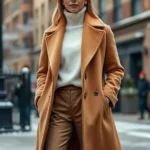
Winter Elevation: Invest in a quality coat that elevates your entire basic wardrobe. A tailored wool coat instantly makes basics look intentional and expensive. Layer basics under the coat for warmth while maintaining silhouette clarity. Focus on rich textures—chunky knits, suede, leather—that add visual depth to winter outfits. Quality boots become crucial for winter elevation, as they’re one of the most visible elements of your outfit.
The Fashion Nova dress collection offers inspiration for seasonal styling, demonstrating how basics can be elevated for different seasons and occasions.
FAQ
What’s the difference between basics and statement pieces?
Basics are timeless, neutral pieces that form your wardrobe foundation—white tees, jeans, neutral sweaters, simple button-downs. Statement pieces are bold, noticeable items designed to be the focal point of an outfit—bold colors, patterns, unique designs, or eye-catching details. Elevation involves using statement pieces strategically to enhance basics rather than overwhelming them.
How many basics should I own?
Quality matters more than quantity. Invest in 2-3 white tees in different fits, 2-3 pairs of jeans in different washes, 2-3 neutral sweaters in different textures, and 1-2 button-down shirts. Ensure each piece is high-quality so you can wear them frequently. It’s better to have fewer, well-made basics than numerous lower-quality pieces.
Can I elevate basics on a budget?
Absolutely. Focus your budget on basics themselves, ensuring they’re high-quality and well-fitting. Elevate them through strategic accessory shopping at affordable retailers, thrift stores, and online marketplaces. A $10 thrifted silk scarf or vintage belt can elevate $50 basics beautifully. The key is understanding that elevation comes from styling strategy, not necessarily from expensive pieces.
How do I know if my basics are truly elevated?
Ask yourself: Does this outfit feel intentional? Are the proportions interesting? Do the pieces work together harmoniously? Is there visual interest through layering, accessories, or footwear? If you answer yes to these questions, you’ve successfully elevated your basics. Additionally, if people compliment your outfit without realizing you’re wearing simple basics, you’ve achieved the ultimate elevation—making ordinary pieces feel extraordinary.
What role does confidence play in elevating basics?
Confidence is perhaps the most important elevation tool. The same outfit looks exponentially better when worn with confidence and intention. When you understand why you’ve chosen each piece and how it contributes to your overall look, that intentionality radiates. Wear your elevated basics with the confidence of someone who has carefully considered every element, and people will perceive them as far more sophisticated than they actually are.
How can I develop my personal elevation style?
Spend time observing fashion you admire—in magazines, on social media, on people you see daily. Notice which elevation techniques resonate with you. Experiment with different layering combinations, accessory choices, and footwear pairings. Keep a style journal documenting outfits you feel good in and why. Over time, you’ll develop an intuitive understanding of what works for your body, lifestyle, and aesthetic preferences, allowing you to elevate basics in ways that feel authentically yours.