90s Fashion Revival: Expert Tips to Rock the Look
The 1990s have made an undeniable comeback in contemporary fashion, captivating a new generation of style enthusiasts while nostalgic millennials embrace the trends that defined their youth. From slip dresses and oversized blazers to cargo pants and baby tees, 90s fashion represents a perfect blend of minimalism, rebellion, and effortless cool that resonates with today’s fashion-forward culture. This revival isn’t merely about recreating vintage looks; it’s about understanding the ethos behind the aesthetic and translating it into modern-day styling that feels authentic and personal.
Whether you’re completely new to 90s style or looking to refine your existing wardrobe, this comprehensive guide will equip you with expert insights on how to dress in 90s fashion authentically. We’ll explore the key pieces that define the era, styling techniques from fashion professionals, and practical tips for incorporating this iconic aesthetic into your daily life. The beauty of 90s fashion lies in its versatility—you can go full-on nostalgic or blend subtle 90s elements with contemporary pieces to create a look that’s uniquely yours.
Essential 90s Fashion Pieces to Build Your Wardrobe
To authentically dress in 90s fashion, you need to understand the foundational pieces that made this decade iconic. The slip dress represents perhaps the most quintessential 90s garment—a delicate, bias-cut dress that exudes sophistication and sensuality in equal measure. Originally designed as an undergarment, fashion designers elevated it to a statement piece, often worn over t-shirts or with chunky sweaters layered on top. This versatility makes the slip dress an excellent investment piece for anyone serious about mastering the 90s aesthetic.
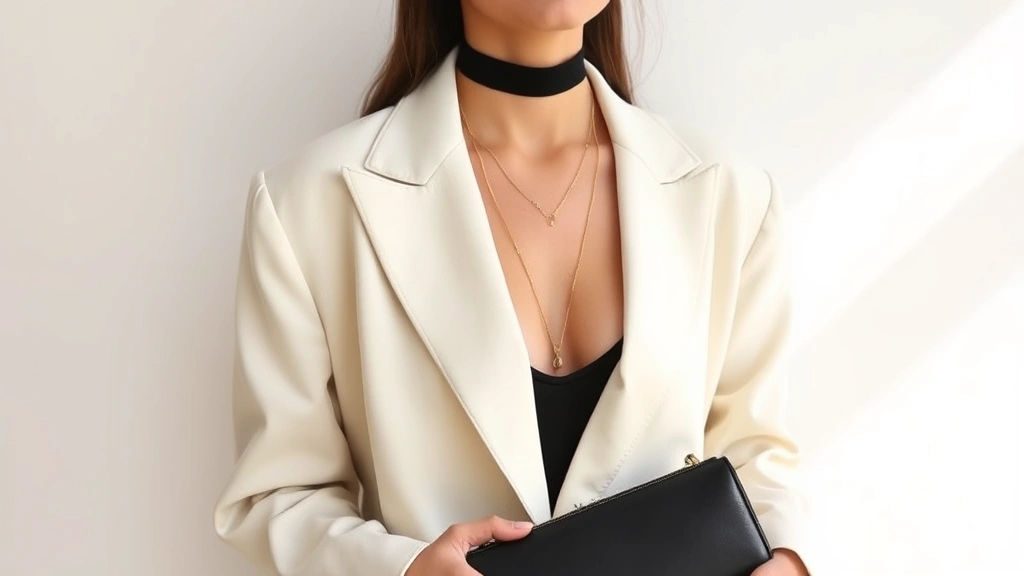
Oversized blazers are another cornerstone of 90s fashion. Unlike the tailored, structured blazers of previous decades, 90s versions prioritize comfort and attitude. Look for neutral tones like black, brown, or grey, or embrace bold colors if you’re feeling adventurous. Pair them with anything from slip dresses to simple jeans for an instantly elevated look. When exploring different types of fashion styles, you’ll notice how the oversized blazer bridges multiple aesthetic categories.
Cargo pants and low-rise jeans are essential components of the 90s wardrobe. Cargo pants, with their utilitarian pockets and relaxed fit, embody the casual rebellion of the era. Low-rise jeans, while somewhat controversial, remain iconic to 90s fashion and have been reintroduced by contemporary designers with modern proportions. Baby tees—fitted, often cropped t-shirts typically featuring band logos or minimalist graphics—provide the perfect counterpoint to oversized silhouettes. These pieces work beautifully together or separately, depending on your mood and the occasion.
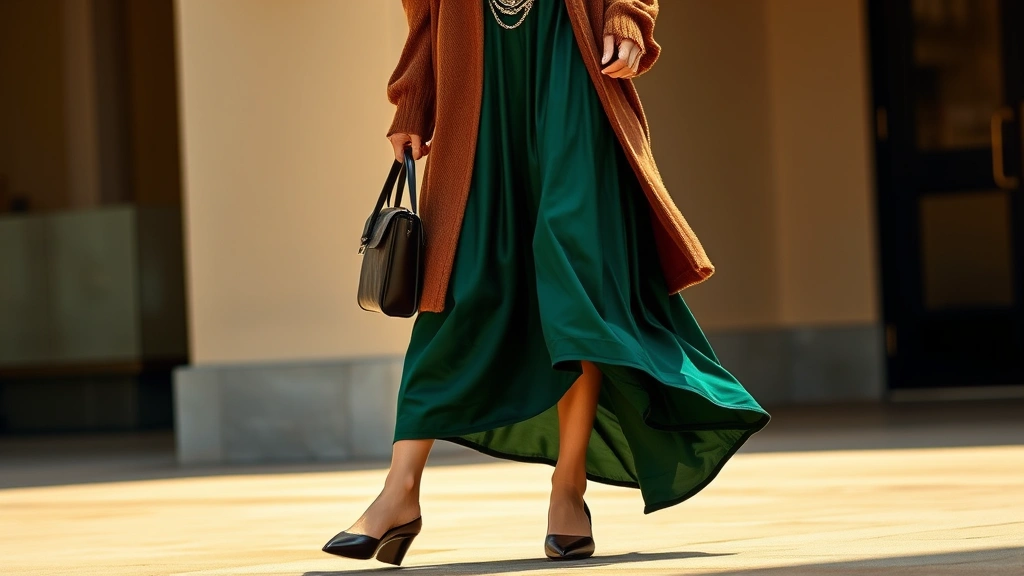
Maxi skirts in slip or satin fabrics offer a more feminine approach to 90s styling. Often worn with strappy sandals or chunky boots, these skirts balance sophistication with casual ease. Choker necklaces, though technically an accessory, were so integral to 90s fashion that they deserve mention here. Velvet chokers, tattoo-style designs, and delicate pendant versions each carried different style messages within the broader 90s aesthetic.
Styling Techniques from Fashion Experts
Fashion experts emphasize that successful 90s styling relies on understanding the principle of contrast. The decade was all about mixing unexpected elements—pairing delicate with structured, fitted with oversized, minimal with maximalist. According to Vogue, one of the most important rules of 90s fashion is that there are no rules. This liberating approach allows you to experiment with combinations that might seem unconventional but ultimately create compelling visual interest.
Layering was fundamental to 90s style, and it remains one of the most effective techniques for modern interpretation. A classic combination involves wearing a slip dress over a long-sleeve fitted tee, adding an oversized cardigan or blazer, and finishing with chunky boots. This creates visual depth while showcasing multiple textures and silhouettes. The key is ensuring each layer has distinct proportions—if your dress is fitted, your outer layer should be oversized, and vice versa.
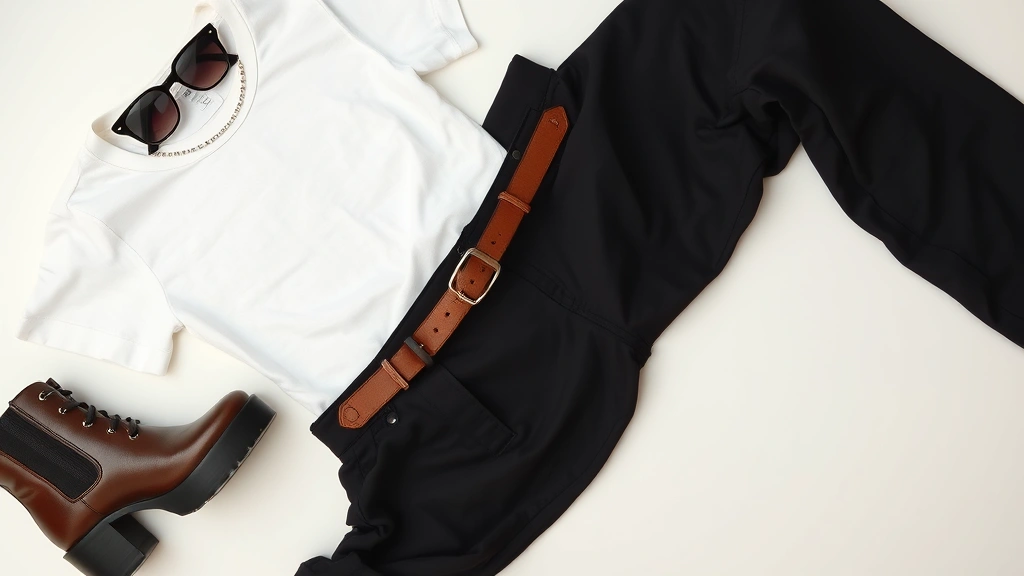
When considering types of fashion styles, the 90s aesthetic stands out for its emphasis on individuality within a cohesive framework. Fashion stylists recommend starting with neutral basics and building outfits around statement pieces. This approach prevents the look from feeling costume-like while maintaining authenticity. A simple white t-shirt paired with vintage-inspired jeans and a bold accessory can effectively capture the 90s spirit without requiring an entire closet overhaul.
Proportion plays a critical role in 90s styling. The general rule involves balancing tight and loose pieces strategically. If you’re wearing fitted bottoms, opt for a looser top, and vice versa. This creates visual harmony while maintaining the effortless aesthetic the 90s are famous for. Experts from Vogue Runway frequently showcase how contemporary designers interpret these proportional relationships in their collections.
Color Palettes and Textures That Define the Era
The 90s color palette was remarkably diverse, ranging from moody earth tones to vibrant jewel tones and everything in between. Neutral shades like black, white, grey, brown, and beige formed the foundation of most 90s outfits, providing versatile bases for experimentation. These neutrals were often paired with accent colors that ranged from subdued to striking, depending on personal preference and occasion.
Jewel tones—emerald green, sapphire blue, deep purple, and rich burgundy—represented the more luxurious side of 90s fashion. These colors appeared in slip dresses, velvet pieces, and accessories, often chosen for evening wear or fashion-forward statements. Simultaneously, the decade embraced earthy tones including olive, rust, terracotta, and mustard, which created a grounded, natural aesthetic that contrasted beautifully with sleek, minimalist pieces.
Texture was equally important as color in defining 90s fashion. Velvet, satin, silk, leather, and denim each contributed distinct qualities to outfits. Mixing textures—pairing a silky slip dress with a leather jacket, or combining a velvet choker with a linen shirt—created visual and tactile interest. Sheer fabrics, particularly in black or neutral tones, added an element of sensuality while maintaining sophistication. Understanding how to find your personal style includes recognizing which color palettes and textures resonate with your aesthetic preferences.
The 90s also embraced patterns, though selectively. Minimalist geometric designs, subtle animal prints, and small-scale florals appeared frequently without overwhelming the overall aesthetic. Plaid patterns, particularly in flannel shirts, represented the grunge-influenced segment of 90s fashion. The key to successful pattern mixing in 90s style involves pairing one patterned piece with solid, neutral companions to prevent visual chaos.
Accessories: The Final Touch
Accessories transformed 90s outfits from simple to spectacular, serving as the perfect vehicle for personal expression. Choker necklaces, as mentioned, were absolutely essential. Velvet chokers in black, deep colors, or metallics paired beautifully with slip dresses. Tattoo-style chokers—thin, stretchy bands that mimicked the appearance of tattoos—offered an edgier alternative. Pearl chokers provided delicate sophistication, while shiny, metallic versions introduced playful glamour.
Sunglasses were another crucial accessory category. Tiny, rectangular shades, oversized square frames, and tinted lenses in brown, pink, or blue all represented authentic 90s style. These weren’t merely functional; they were statement pieces that communicated attitude and aesthetic alignment. Layered necklaces, featuring delicate chains at varying lengths with small pendants, created visual interest without requiring bold statement jewelry.
Bags in the 90s ranged from small, structured shoulder bags to slouchy, oversized totes and tiny crossbody bags. Baguette bags—small, curved shoulder bags popularized by celebrities—became iconic symbols of 90s luxury. Backpacks, particularly nylon styles in neutral tones, represented the casual, utilitarian side of the aesthetic. Metallic and holographic bags added futuristic flair, reflecting the decade’s technological optimism.
Footwear choices significantly impacted overall 90s styling. Chunky platform boots, including combat boots and Doc Martens, grounded outfits with attitude and edge. Strappy sandals in metallic or neutral tones provided lighter alternatives for warmer weather or more feminine styling. Loafers, Mary Janes, and simple slip-on sneakers offered preppy or casual interpretations. Pointed-toe mules and minimalist kitten heels brought sophistication to 90s looks, while sneakers—particularly minimalist styles from brands like Adidas and Puma—represented the athletic-inspired trend that dominated casual wear.
Modern Interpretation: Blending 90s with Contemporary
While pure 90s styling appeals to enthusiasts, most people benefit from blending vintage elements with modern pieces, creating a look that feels current rather than costume-like. This approach involves selecting 1-3 quintessential 90s pieces and pairing them with contemporary basics and accessories. For example, combine a vintage slip dress with modern sneakers and a current-season blazer. This creates visual interest while keeping the overall aesthetic grounded in present-day fashion.
When exploring fashion style options, consider how 90s elements can enhance your existing wardrobe rather than requiring a complete overhaul. A single oversized blazer can transform multiple outfits, while a well-chosen pair of low-rise jeans offers endless styling possibilities. Mixing vintage 90s pieces with contemporary items from current collections creates a sophisticated, intentional aesthetic that appeals to style-conscious individuals.
Fashion forecasters note that the most successful modern 90s styling incorporates the era’s philosophy rather than merely copying its appearance. The 90s valued individuality, comfort, and authenticity—values that remain relevant today. This means choosing pieces that genuinely resonate with you, regardless of current trends, and styling them in ways that feel natural and confident. Consulting resources about fashion types can help you understand how 90s aesthetics fit within broader style categories.
The key to contemporary 90s styling involves proportion, quality, and intentionality. Invest in well-made basics and statement pieces rather than fast-fashion interpretations. Choose fabrics that feel luxurious and move beautifully on your body. Style outfits with purpose, considering how each element contributes to the overall aesthetic. This thoughtful approach ensures your 90s-inspired looks feel fresh, modern, and authentically you.
Celebrity Inspiration and Trend Forecasting
Contemporary celebrities have embraced 90s fashion with enthusiasm, providing endless inspiration for those wanting to dress in the era’s aesthetic. Stars like Bella Hadid, Hailey Bieber, and Timothée Chalamet frequently incorporate 90s elements into their public appearances, demonstrating how vintage inspiration translates to modern styling. Their approach typically involves balancing statement 90s pieces with current accessories and silhouettes, creating looks that honor the era while feeling thoroughly contemporary.
Fashion institutes and trend forecasting agencies have extensively analyzed the 90s revival, identifying it as a significant cultural movement rather than a fleeting trend. According to fashion institutes, the resurgence reflects broader cultural shifts toward authenticity, sustainability, and individual expression. This makes 90s fashion a particularly meaningful aesthetic choice, connected to values beyond mere aesthetics.
Trend forecasters predict the 90s influence will continue shaping fashion for years to come, with different elements gaining prominence as the broader fashion cycle evolves. Currently, we’re seeing increased emphasis on minimalist 90s styling—clean lines, neutral palettes, and carefully curated pieces—rather than the more maximalist interpretations of recent years. This evolution suggests that understanding foundational 90s principles remains valuable for staying fashion-forward.
Luxury fashion designers including Alexander McQueen and contemporary brands continue referencing 90s aesthetics in their collections, validating the era’s enduring influence. These designer interpretations offer inspiration for elevated 90s styling, demonstrating how vintage influences can be translated into luxury pieces. Following designer collections provides insight into how fashion professionals approach 90s revival, offering guidance for personal styling choices.
FAQ
What are the most important pieces for dressing in 90s fashion?
The foundational pieces include slip dresses, oversized blazers, low-rise jeans, cargo pants, baby tees, and maxi skirts. Choker necklaces and platform boots are essential accessories that complete the aesthetic. Starting with these pieces provides a solid foundation for building authentic 90s outfits.
How can I incorporate 90s fashion into my current wardrobe without completely changing my style?
Begin by selecting 1-3 quintessential 90s pieces that resonate with your personal aesthetic. Pair these with contemporary basics and accessories you already own. This approach allows gradual integration of 90s elements while maintaining your existing style identity. Quality basics and statement pieces work best for this blended approach.
Are low-rise jeans really coming back in 90s fashion?
Yes, low-rise jeans have returned, though contemporary versions often feature more comfortable proportions than extreme 90s styles. Modern interpretations balance the iconic silhouette with wearability, making them accessible to a broader audience. Start with mid-rise versions if you prefer more coverage while still capturing the 90s aesthetic.
What colors should I focus on when dressing in 90s fashion?
Neutral tones including black, white, grey, brown, and beige form the foundation of 90s styling. Accent these with jewel tones like emerald, sapphire, and burgundy, or earthy shades including olive, rust, and mustard. The key is using color intentionally rather than defaulting to multiple bright hues simultaneously.
How do I style 90s fashion for professional or formal occasions?
Opt for slip dresses in neutral or jewel tones, pair them with structured blazers, and choose sophisticated accessories like delicate necklaces and minimalist shoes. This approach maintains the 90s aesthetic while ensuring appropriateness for professional settings. Avoid overly casual pieces like cargo pants for formal occasions.
Can I mix 90s fashion with other style aesthetics?
Absolutely. The 90s aesthetic blends beautifully with minimalist, grunge, preppy, and contemporary styles. Understanding foundational principles of proportion, texture, and color allows creative combination with other fashion approaches. The key is maintaining intentionality so the overall look feels cohesive rather than confused.