Explore Fashion Styles: Designer Insights Into Every Aesthetic
Fashion is a dynamic language of self-expression, and understanding the different types of fashion styles available to you is the first step toward building a wardrobe that truly reflects your personality. From timeless classics to cutting-edge contemporary looks, the world of fashion style encompasses an incredible spectrum of aesthetics, each with its own history, philosophy, and devoted followers. Whether you’re drawn to minimalist elegance, bohemian freedom, or avant-garde experimentation, there’s a style waiting to be discovered.
The journey to understanding fashion goes beyond simply following trends. It’s about recognizing the principles that define each style category and learning how to adapt these aesthetics to suit your lifestyle, body type, and personal values. By exploring the nuances of various fashion movements and designer philosophies, you’ll gain the confidence to make intentional style choices that elevate your everyday appearance and special occasions alike.
Classic and Timeless Style: The Foundation of Elegant Dressing
The classic fashion style represents the epitome of sophistication and longevity. This aesthetic draws inspiration from mid-century elegance and emphasizes clean lines, neutral color palettes, and investment-quality pieces that transcend seasonal trends. Classic style is characterized by tailored silhouettes, premium fabrics, and a preference for quality over quantity.
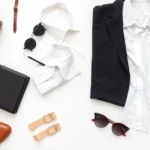
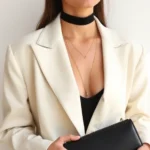
Designers like Chanel revolutionized the concept of timeless fashion by introducing the little black dress and establishing that true luxury lies in simplicity and refinement. Classic dressing incorporates essential pieces such as well-fitted blazers, crisp white shirts, tailored trousers, and elegant leather accessories. The color palette typically includes blacks, whites, navies, grays, and earth tones that provide versatile foundations for building a cohesive wardrobe.
What makes classic style particularly appealing is its versatility and sustainability. These pieces remain relevant year after year, reducing the need for constant wardrobe overhauls. A classic white button-down shirt, for instance, can be dressed up with a pencil skirt and heels or dressed down with jeans and sneakers. This adaptability makes classic style an excellent investment for professionals and anyone seeking a refined, put-together appearance.
Minimalist and Contemporary: Less Is More Philosophy
Minimalist fashion takes the concept of classic elegance and distills it further, embracing a philosophy where every piece serves a purpose and nothing is superfluous. This style celebrates the beauty of negative space, geometric shapes, and a deliberately restrained color scheme. Contemporary minimalism represents a modern interpretation of this aesthetic, often incorporating unexpected textures and subtle details that prevent the look from feeling austere.
The minimalist approach involves carefully curating a capsule wardrobe of neutral, high-quality basics that can be mixed and matched effortlessly. Think monochromatic outfits, oversized silhouettes, and an emphasis on fabric texture rather than pattern or embellishment. Designers like Helmut Lang and brands focused on slow fashion have championed this aesthetic, proving that restraint can be extraordinarily powerful.
When exploring types of fashion, minimalism stands out for its environmental consciousness and psychological benefits. By owning fewer pieces that you genuinely love, you reduce decision fatigue, minimize waste, and create outfits more easily. The minimalist wardrobe typically features neutral backgrounds with occasional pops of color, clean-cut silhouettes, and an almost meditative approach to getting dressed each morning.
Bohemian and Eclectic: Free-Spirited Expression
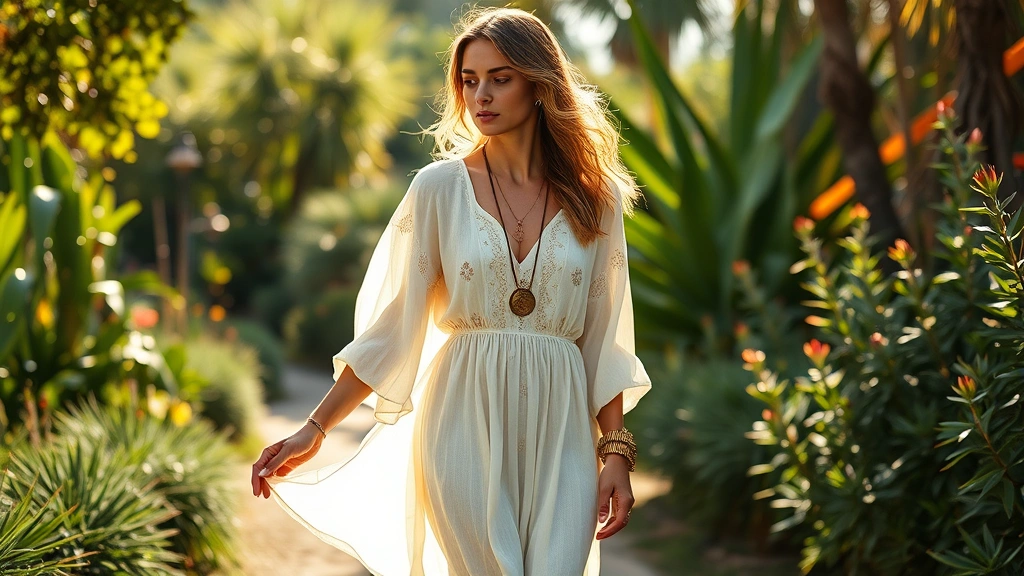
Bohemian fashion celebrates individuality, artistic expression, and a carefree attitude toward style conventions. This aesthetic draws inspiration from various cultures, eras, and artistic movements, resulting in a beautifully eclectic mix of patterns, textures, and colors. Bohemian style embraces flowing fabrics, layered jewelry, vintage pieces, and a general sense of wanderlust and creative freedom.
The bohemian aesthetic emerged from counterculture movements and has evolved into a sophisticated style choice that appeals to creative individuals and those seeking to make unique fashion statements. Key elements include maxi dresses, fringed accessories, embroidered details, natural fibers like linen and cotton, and an appreciation for handcrafted items. This style often incorporates ethnic-inspired prints, macramé details, and earthy color palettes reminiscent of nature and global travel.
What distinguishes bohemian style is its emphasis on authenticity and personal meaning. Rather than following rigid fashion rules, bohemian dressers select pieces that resonate with their values, travels, and artistic sensibilities. Layering is crucial to this aesthetic, whether combining delicate gold chains or mixing multiple patterned garments in complementary color families. This approach to fashion celebrates individuality and encourages self-expression without concern for mainstream approval.
Vintage and Retro Aesthetics: Celebrating Fashion History
Vintage and retro styles represent a deep appreciation for fashion history and the craftsmanship of previous decades. While these terms are sometimes used interchangeably, vintage typically refers to authentic pieces from past eras (usually 20+ years old), whereas retro describes modern pieces inspired by past decades. Both aesthetics celebrate the design principles, silhouettes, and details that defined specific periods.
The 1950s vintage aesthetic, for example, emphasizes feminine silhouettes with full skirts, cinched waists, and polished accessories. The 1970s retro movement celebrates bohemian influences, bold patterns, and disco-inspired glamour. Each decade carries its own design language, and enthusiasts of vintage and retro fashion develop expertise in recognizing quality pieces, understanding construction techniques, and sourcing authentic items that represent their chosen era.
Incorporating vintage elements into your wardrobe offers numerous advantages beyond the aesthetic appeal. Vintage shopping supports sustainable fashion practices by extending the lifecycle of existing garments and reducing demand for new production. Additionally, vintage pieces often feature superior construction and materials compared to fast-fashion alternatives, making them worthwhile investments. Whether you’re drawn to the structured elegance of 1960s mod fashion or the romantic femininity of Victorian-inspired pieces, vintage and retro styles offer endless opportunities for distinctive, conversation-starting outfits.
Streetwear and Urban Fashion: Contemporary Cool
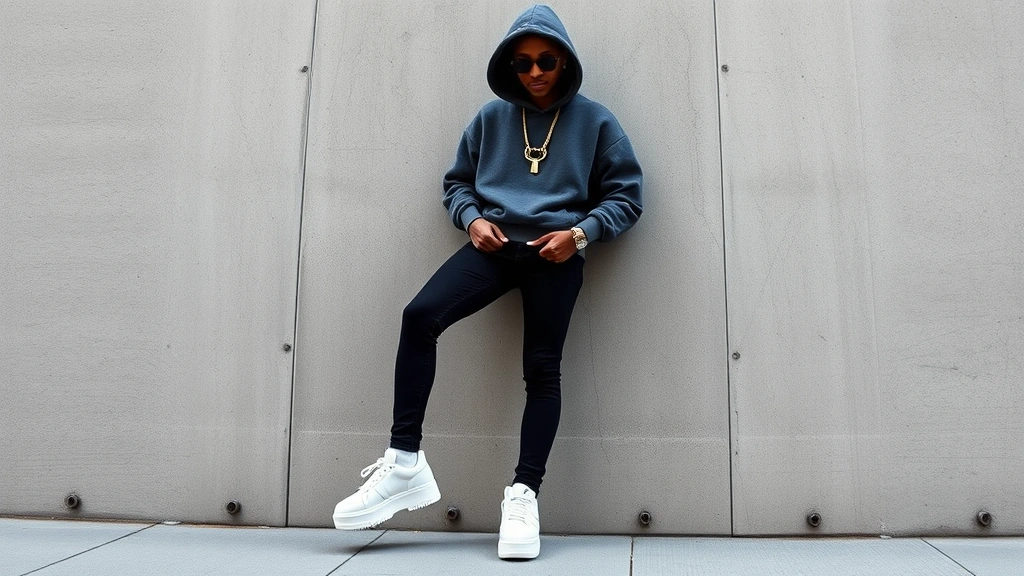
Streetwear represents one of the most influential contemporary fashion movements, originating from urban cultures and now dominating high fashion runways worldwide. This aesthetic celebrates comfort, functionality, and a deliberately casual attitude that paradoxically requires sophisticated styling knowledge. Streetwear incorporates elements like oversized silhouettes, sneakers, graphic tees, hoodies, and statement accessories that reference music, art, and youth culture.
The beauty of streetwear lies in its democratic approach to fashion. Rather than requiring expensive designer pieces, authentic streetwear emphasizes creativity, attitude, and the ability to mix vintage finds with contemporary basics. Key elements include well-fitted denim, technical fabrics, logo-forward accessories, and an understanding of how to layer pieces for visual interest. Brands have recognized the cultural significance of streetwear, with luxury designers increasingly incorporating street-inspired elements into their collections.
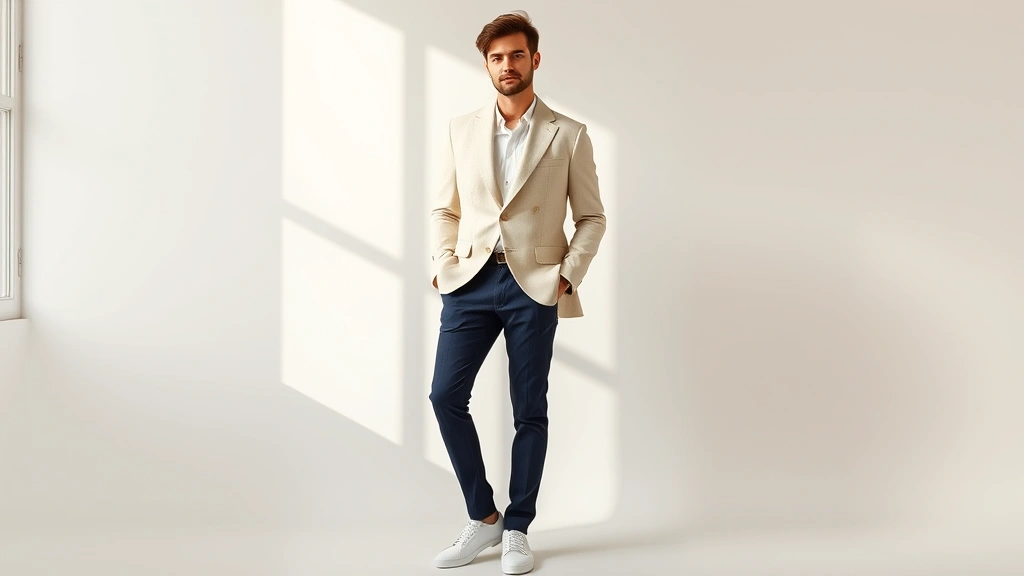
Streetwear styling requires attention to proportions and balance. An oversized hoodie might be paired with fitted trousers and elevated sneakers, or a graphic tee could be layered under a tailored blazer. This style celebrates contradiction and juxtaposition, allowing wearers to express personality and cultural affiliations through their clothing choices. Understanding streetwear means recognizing the cultural context and history behind specific brands, symbols, and styling conventions.
Romantic and Feminine Styles: Soft Elegance
Romantic fashion celebrates femininity through soft fabrics, delicate details, and an appreciation for traditional beauty standards reimagined for modern contexts. This aesthetic emphasizes lace, silk, flowing silhouettes, and romantic color palettes featuring blushes, creams, pastels, and jewel tones. Romantic style incorporates elements like ruffles, bows, embroidery, and vintage-inspired details that create an ethereal, dreamy quality.
The romantic aesthetic appeals to those who appreciate vintage glamour and classic beauty ideals. Key pieces include silk blouses, lace-trimmed lingerie-inspired tops, A-line skirts, and delicate jewelry. Color choices tend toward soft, muted tones that evoke femininity without aggression. This style celebrates the beauty of traditionally feminine elements while allowing modern women to define femininity on their own terms.
When exploring how to find your personal style, consider whether romantic aesthetics resonate with you. Modern romantic dressing avoids saccharine excess by balancing delicate pieces with structured silhouettes and contemporary accessories. A romantic vintage slip dress becomes contemporary when paired with a leather jacket and statement boots, demonstrating how classic romantic elements can be adapted to suit modern lifestyles and personal aesthetics.
Avant-Garde and Experimental: Pushing Boundaries
Avant-garde fashion represents the cutting edge of design innovation, where designers challenge conventions and explore new possibilities in silhouette, material, and concept. This aesthetic rejects mainstream fashion rules, embracing asymmetry, unconventional proportions, experimental textiles, and conceptual approaches to clothing. Avant-garde fashion is fundamentally about artistic expression and pushing the boundaries of what fashion can be.
Designers like Issey Miyake and Comme des Garçons have pioneered avant-garde approaches through innovative construction techniques, unexpected fabric combinations, and silhouettes that challenge traditional notions of wearability. Avant-garde pieces often feature exaggerated proportions, unconventional closures, and materials that question what clothing should be.
For those interested in avant-garde style, understanding the conceptual basis behind pieces enhances appreciation. Many avant-garde designs function as wearable art, making statements about society, identity, or aesthetic philosophy. Incorporating avant-garde elements into everyday style might involve selecting a single statement piece—perhaps an unusually constructed jacket or innovative accessory—and balancing it with more conventional items to create an intriguing, thought-provoking look.
Finding Your Personal Aesthetic: A Practical Guide
Understanding the spectrum of fashion style options is the first step toward developing your authentic personal aesthetic. Rather than adopting a single style wholesale, most people create unique combinations that reflect their personality, lifestyle, values, and body type. This process requires honest self-reflection and experimentation.
Start by examining your daily life and practical requirements. A corporate professional might draw from classic and minimalist aesthetics, while a creative professional could embrace bohemian and avant-garde elements. Consider your climate, work environment, and social activities—these practical factors significantly influence which styles work best for your lifestyle. Try taking our fashion style quiz to gain additional insights into your aesthetic preferences.
Next, gather inspiration from various sources. Create mood boards featuring images that appeal to you, whether from magazines, social media, or street style photography. Look for patterns in your selections—do certain colors, silhouettes, or design elements appear repeatedly? These patterns reveal your authentic preferences and can guide your style development. Pay attention to how different styles make you feel when you wear them, as emotional resonance is crucial to sustainable style choices.
Experiment with mixing elements from different aesthetic categories. You might combine the tailored elegance of classic style with the comfort and attitude of streetwear, or blend romantic femininity with minimalist simplicity. The most interesting personal styles often emerge from thoughtful combinations that reflect your unique personality and circumstances. Visit our style loom daily blog for ongoing inspiration and guidance as you develop your aesthetic.
Remember that personal style evolves over time. Your aesthetic at twenty might differ significantly from your style at forty, and that’s perfectly natural. Fashion should enhance your life and reflect who you are at each stage of your journey. Rather than viewing style as a fixed destination, embrace it as an ongoing creative practice that grows and changes alongside you.
Building a cohesive wardrobe around your chosen aesthetic involves strategic investment in foundational pieces and thoughtful addition of statement items. Quality basics in neutral colors provide versatility, while carefully selected statement pieces express your unique personality. This balanced approach ensures your wardrobe remains functional while allowing for creative self-expression and style evolution.
FAQ
What are the main fashion style categories?
The primary fashion style categories include classic and timeless, minimalist and contemporary, bohemian and eclectic, vintage and retro, streetwear and urban, romantic and feminine, and avant-garde and experimental styles. Each category encompasses distinct design philosophies, color palettes, silhouettes, and attitudes toward fashion. Most people develop personal styles by combining elements from multiple categories rather than adhering strictly to one aesthetic.
How do I determine my personal fashion style?
Begin by examining your lifestyle requirements, examining inspiration sources, and noticing patterns in your preferences. Consider which colors, silhouettes, and design elements consistently appeal to you. Pay attention to how different styles make you feel emotionally and physically. Experiment with mixing elements from various aesthetic categories to discover combinations that resonate with your personality. Your personal style should reflect your authentic self while being practical for your daily life.
Can I mix different fashion styles together?
Absolutely. In fact, the most interesting personal styles often emerge from thoughtful combinations of different aesthetic categories. You might blend classic tailoring with bohemian accessories, or pair minimalist basics with romantic details. The key is ensuring visual cohesion through color coordination, proportion balance, and intentional mixing. Experimenting with style combinations helps you discover your unique aesthetic voice.
What’s the difference between vintage and retro fashion?
Vintage fashion refers to authentic pieces from previous decades (typically 20+ years old), while retro describes modern pieces inspired by past eras. Vintage shopping involves sourcing original garments from specific periods, whereas retro fashion allows you to capture the aesthetic of past decades using contemporary pieces. Both approaches celebrate fashion history and offer sustainable alternatives to fast fashion.
How do I build a wardrobe around my chosen style?
Start by identifying foundational pieces that represent your aesthetic—classic white button-downs, minimalist basics, or vintage-inspired dresses, depending on your style. Invest in quality basics in neutral colors that can be mixed and matched easily. Add statement pieces that express your personality and allow for creative combinations. Ensure adequate footwear options and accessories that complement your chosen aesthetic. Build gradually, purchasing pieces intentionally rather than impulsively.
Is one fashion style better than another?
No single fashion style is objectively better than others. Each aesthetic serves different purposes and appeals to different personalities, lifestyles, and values. Classic style offers timeless elegance and versatility, while bohemian style celebrates individuality and artistic expression. The best style is the one that makes you feel confident, authentic, and comfortable in your own skin. Fashion should be a source of joy and self-expression rather than stress or obligation.