Explore Fashion Styles: Expert Insights into Every Aesthetic
Fashion is far more than simply wearing clothes—it’s a powerful form of self-expression that tells the world who you are without uttering a single word. Whether you’re drawn to timeless elegance, edgy rebellion, or bohemian freedom, understanding different types of fashion styles empowers you to curate a wardrobe that authentically reflects your personality and lifestyle. In today’s diverse fashion landscape, there are countless aesthetic categories, each with its own distinct characteristics, color palettes, silhouettes, and cultural significance.
The beauty of modern fashion lies in its inclusivity and fluidity. You’re no longer confined to a single style category—many fashion enthusiasts blend multiple aesthetics to create their own unique hybrid look. This comprehensive guide explores the most influential and wearable types of fashion styles, providing expert insights to help you navigate the world of fashion with confidence and creativity. From classic minimalism to maximalist maximalism, we’ll break down each style’s defining elements, key pieces, and how to incorporate them into your personal wardrobe.
Minimalist Chic: The Power of Less
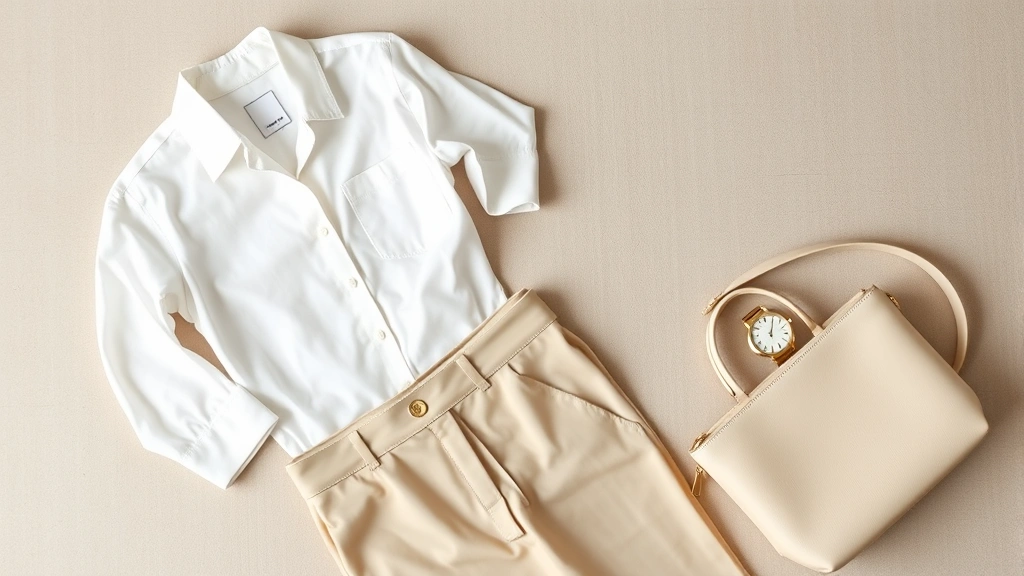
Minimalism in fashion represents the philosophy that quality trumps quantity. This approach to fashion style emphasizes clean lines, neutral color palettes, and essential pieces that work seamlessly together. Minimalist fashion typically features a limited color scheme—think black, white, beige, gray, and navy—allowing each piece to shine without competing for attention.
The foundation of a minimalist wardrobe consists of perfectly-fitted basics: crisp white button-ups, tailored trousers, simple t-shirts, and timeless blazers. These versatile pieces form the backbone of countless outfit combinations. Minimalist fashion celebrates quality fabrics, impeccable tailoring, and the art of sophisticated simplicity. This style appeals to those who value functionality, intentionality, and the elegance of restraint.
Key characteristics of minimalist style include:
- Neutral color palette: Predominantly blacks, whites, grays, and earth tones
- Clean silhouettes: Well-fitted without excessive ornamentation or embellishment
- Quality over quantity: Investment pieces that last for years
- Functional design: Every item serves a purpose and works with multiple pieces
- Minimal accessories: Strategic, understated jewelry and simple bags
Classic Preppy: Timeless Elegance
Preppy style draws inspiration from elite preparatory schools and country clubs, featuring polished sophistication and heritage aesthetics. This fashion type embraces structured silhouettes, traditional patterns, and refined details that convey timeless elegance and cultivated taste.
Preppy fashion incorporates classic pieces like polo shirts, cable-knit sweaters, pleated skirts, and loafers. The color palette typically includes crisp whites, navy blues, pastels, and rich jewel tones, often combined in coordinated outfits. Patterns such as argyle, gingham, and houndstooth are preppy staples that add visual interest while maintaining an air of refined restraint.
Essential preppy wardrobe items include:
- Polo shirts in classic colors
- Tailored blazers with structured shoulders
- Pleated or A-line skirts
- Cashmere cardigans
- Loafers and boat shoes
- Structured handbags in leather
- Pearl jewelry and classic watches
Bohemian: Free-Spirited Romance
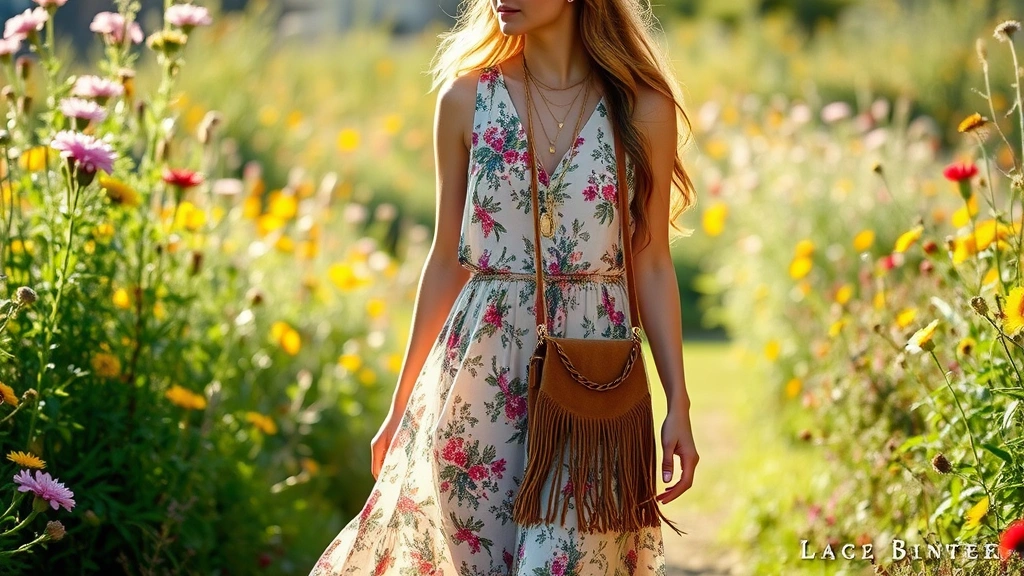
Bohemian fashion celebrates artistic expression, cultural diversity, and a carefree approach to dressing. This romantic aesthetic draws from various global influences, featuring flowing fabrics, earthy tones, layered textures, and eclectic accessories that tell a story of adventure and creative spirit.
Boho style embraces natural fibers, floral prints, fringe details, and handcrafted accessories. The silhouettes are intentionally loose and comfortable, allowing freedom of movement and rejecting rigid structure. Bohemian enthusiasts often incorporate vintage finds, artisanal pieces, and globally-inspired elements into their wardrobes, creating looks that feel personal and authentically individual.
Bohemian style essentials include:
- Flowing maxi skirts and dresses
- Embroidered blouses and tunics
- Layered necklaces and statement earrings
- Fringed bags and leather accessories
- Headbands and hair accessories
- Suede jackets and vests
- Sandals and boots in natural materials
Streetwear: Urban Edge
Streetwear emerged from urban culture, skateboarding communities, and hip-hop aesthetics, representing a bold, contemporary approach to fashion. This style prioritizes comfort, attitude, and cultural relevance, blending high-end design with casual, accessible pieces.
Streetwear features oversized silhouettes, graphic t-shirts, sneakers, and utilitarian pieces that make strong visual statements. The aesthetic values authenticity and self-expression, often incorporating brand logos, graphic prints, and statement accessories. Modern streetwear has evolved to include collaborations between luxury designers and street brands, creating a dynamic intersection of high fashion and urban culture.
Key streetwear elements:
- Oversized hoodies and sweatshirts
- Graphic and logo t-shirts
- Baggy jeans and cargo pants
- High-top and chunky sneakers
- Baseball caps and beanies
- Crossbody bags and backpacks
- Layered accessories and chains
Vintage & Retro: Nostalgic Treasures
Vintage and retro styles celebrate fashion from previous decades, allowing wearers to channel the spirit of iconic eras. While vintage refers to authentic pieces from specific time periods, retro fashion reinterprets those aesthetics with modern sensibilities. This approach to personal style appeals to those who appreciate history, craftsmanship, and the unique character of pre-loved garments.
Popular vintage eras include the 1920s flapper era, 1950s Americana, 1970s bohemian, and 1990s grunge. Each period offers distinct silhouettes, color palettes, and design details. Vintage fashion enthusiasts often source pieces from thrift stores, vintage boutiques, and online marketplaces, creating curated collections that reflect their personal aesthetic preferences.
Iconic vintage fashion periods:
- 1920s: Dropped waistlines, beaded dresses, cloche hats
- 1950s: Structured dresses, full skirts, polka dots, and pastels
- 1970s: Wide collars, bell bottoms, earthy tones, and disco glamour
- 1990s: Slip dresses, minimalist pieces, grunge aesthetics
Romantic: Feminine Elegance
Romantic fashion celebrates femininity through delicate fabrics, soft silhouettes, and ethereal details. This aesthetic emphasizes beauty, grace, and a distinctly feminine approach to dressing that feels both timeless and contemporary.
The romantic style incorporates flowing fabrics like silk and chiffon, lace details, floral prints, and soft color palettes featuring blush, cream, pastels, and rose tones. Romantic silhouettes often include wrap dresses, A-line skirts, and fitted bodices that celebrate the female form with elegance rather than explicit sexuality. This style appeals to those who embrace traditional femininity while maintaining modern sensibilities.
Romantic fashion staples:
- Lace blouses and delicate tops
- Floral print dresses
- Wrap dresses in soft fabrics
- Pearl jewelry and delicate accessories
- Ballet flats and feminine heels
- Structured handbags in soft colors
- Ribbons and feminine details
Edgy & Alternative: Bold Statements
Edgy and alternative fashion represents rebellion against mainstream aesthetics, celebrating individuality through bold choices, unconventional silhouettes, and statement-making pieces. This style encompasses goth, punk, and contemporary edge, appealing to fashion-forward individuals who refuse to blend in.
Alternative fashion often features dark color palettes, leather, metal accessories, and dramatic silhouettes. The aesthetic values authenticity and self-expression above conformity, often incorporating band tees, vintage band merchandise, and pieces that challenge conventional beauty standards. This style celebrates the power of fashion to communicate attitude and individuality.
Edgy fashion essentials:
- Leather jackets and vests
- Dark, form-fitting clothing
- Combat boots and platform shoes
- Silver and chain jewelry
- Band tees and graphic prints
- Fishnet stockings and unconventional hosiery
- Statement makeup and bold colors
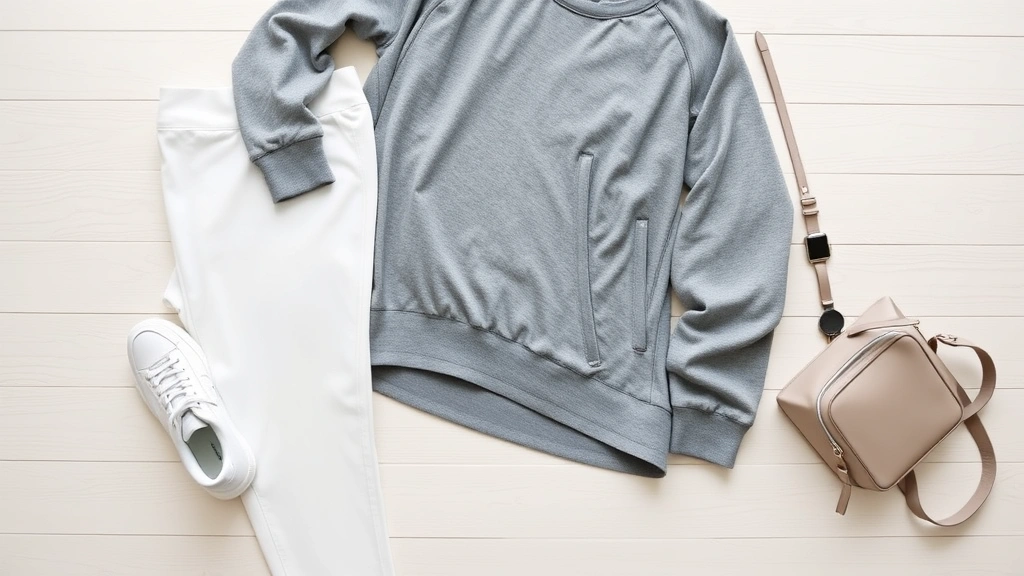
Sporty & Athleisure: Active Sophistication
Athleisure represents the modern fusion of athletic wear and everyday fashion, celebrating comfort without sacrificing style. This contemporary trend reflects changing lifestyles where people move seamlessly between workout sessions and social activities, demanding clothing that performs while looking polished.
Athleisure features technical fabrics, streamlined silhouettes, and pieces designed for movement that transition effortlessly from gym to street. This style includes high-waisted leggings, sports bras worn as tops, oversized athletic jackets, and premium sneakers. The aesthetic values functionality while embracing fashion-forward design, proving that comfort and style aren’t mutually exclusive.
Athleisure wardrobe essentials:
- High-waisted leggings in neutral and bold colors
- Oversized athletic jackets
- Sports bras and fitted tanks
- Premium white sneakers
- Structured athletic bags
- Minimalist watches and sporty accessories
- Moisture-wicking fabrics in contemporary silhouettes
Maximalist: Fearless Expression
Maximalist fashion represents the complete opposite of minimalism—celebrating abundance, color, pattern mixing, and bold self-expression. This aesthetic embraces more is more, encouraging wearers to layer patterns, colors, and textures in unexpected combinations that create visually striking, personality-filled looks.
Maximalist style encourages bold color choices, mixed patterns, statement jewelry, and unconventional combinations that conventional fashion wisdom might discourage. This approach celebrates individuality and creative risk-taking, appealing to those who view fashion as artistic expression rather than rules-based dressing. Maximalist fashion is inherently confident and unapologetic.
Maximalist fashion characteristics:
- Bold, saturated color combinations
- Pattern mixing (stripes with florals, checks with geometric prints)
- Layered accessories and statement jewelry
- Oversized and unexpected silhouettes
- Textural variety and contrasting fabrics
- Bold makeup and hair choices
- Fearless, unconventional styling
Finding Your Personal Fashion Style
Discovering your authentic fashion style is a personal journey that requires self-reflection, experimentation, and confidence in your choices. Rather than rigidly adhering to a single category, many style-conscious individuals create hybrid aesthetics that blend multiple influences into a cohesive personal aesthetic.
Start by examining what naturally draws your eye—which colors make you feel alive? Which silhouettes make you feel confident? Which fabrics feel good against your skin? Pay attention to the styles you admire on others, noting common threads that resonate with you. Consider your lifestyle, climate, and daily activities—your personal style should work practically within your life while expressing your authentic self.
According to Vogue, the most impactful personal style emerges when you understand your body, your values, and your lifestyle, then make intentional choices that reflect all three. Fashion stylists recommend creating a mood board of inspiration images, identifying recurring color themes, silhouettes, and accessories that consistently appeal to you.
Steps to discover your personal style:
- Assess your lifestyle: Consider your daily activities, climate, and professional environment
- Identify your color palette: Determine which colors make you feel confident and healthy
- Understand your body: Learn which silhouettes and proportions flatter your unique frame
- Curate inspiration: Gather images of outfits and styles that resonate with you
- Invest in basics: Build a foundation of quality pieces in your preferred colors and silhouettes
- Experiment fearlessly: Try new combinations and styles without fear of judgment
- Trust your instincts: Wear what makes you feel authentically yourself
Fashion experts from Elle Magazine emphasize that your personal style should evolve as you grow. What resonates with you at twenty may shift by thirty, and that’s perfectly natural. The key is maintaining a foundation of pieces you love while allowing room for growth and experimentation.
Remember that fashion should serve you, not control you. The most stylish people aren’t those who follow trends blindly, but rather those who understand their aesthetic preferences and have the confidence to express themselves authentically. Whether you gravitate toward minimalist simplicity or maximalist abundance, classic preppy elegance or edgy alternative rebellion, your fashion style should feel like an extension of your personality and values.
Consider consulting professional style guides or taking a fashion style quiz to gain additional insights into your aesthetic preferences. Many fashion platforms and personal stylists offer tools and resources to help you navigate the vast world of fashion and identify the styles that genuinely resonate with you.
FAQ
What are the main types of fashion styles?
The primary fashion styles include minimalist, preppy, bohemian, streetwear, vintage, romantic, edgy/alternative, athleisure, and maximalist. However, many people blend multiple styles to create their unique aesthetic. Understanding different types of fashion styles helps you identify what resonates with your personality and lifestyle.
How do I determine my personal fashion style?
Start by observing which colors, silhouettes, and aesthetics naturally draw your attention. Consider your lifestyle, climate, and daily activities. Create a mood board of inspiring outfits, identify recurring themes, and invest in quality basics that align with your preferences. Your personal style should authentically reflect who you are while being practical for your life.
Can I mix different fashion styles together?
Absolutely! In fact, many of today’s most stylish individuals create hybrid aesthetics by blending elements from multiple fashion styles. Mixing preppy basics with bohemian accessories, or combining minimalist silhouettes with edgy details, creates unique, personalized looks that feel authentic to your individual taste.
What’s the difference between vintage and retro fashion?
Vintage fashion refers to authentic clothing pieces from specific past decades, typically at least twenty years old. Retro fashion reinterprets aesthetics from previous eras using modern pieces and contemporary sensibilities. Both celebrate nostalgic elements but in different ways.
How can I start building a cohesive wardrobe?
Begin by selecting a consistent color palette of two to three neutral base colors, then add accent colors that complement them. Invest in quality basics that work together, then gradually add pieces that reflect your preferred style aesthetic. Focus on versatile items that mix and match easily, ensuring maximum outfit combinations from fewer pieces.
Is athleisure considered a legitimate fashion style?
Yes, athleisure has evolved into a significant fashion movement that reflects modern lifestyles. It represents the successful fusion of comfort and style, proving that functional clothing can be fashion-forward. Many luxury designers now incorporate athleisure elements into their collections.
Where can I find pieces for different fashion styles?
Department stores, specialty boutiques, vintage shops, and online retailers offer pieces for every style aesthetic. For vintage pieces, explore thrift stores and dedicated vintage boutiques. For contemporary pieces, check established fashion retailers and emerging designers. Don’t overlook online platforms that curate styles by aesthetic category.