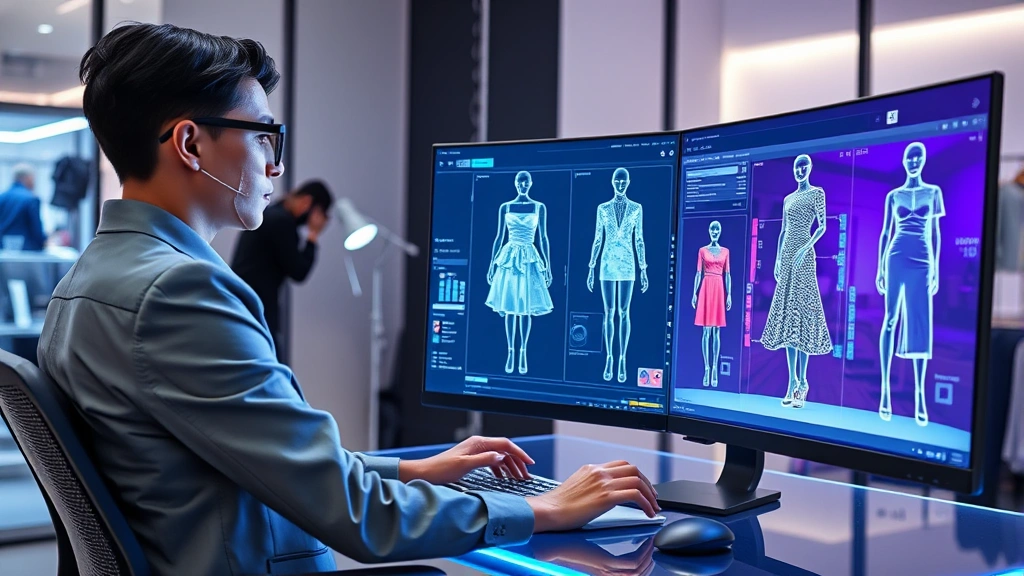
Fashion Technology Courses: Essential Skills Guide for the Digital Fashion Era
The fashion industry is undergoing a technological revolution, and professionals who master courses in fashion technology are positioning themselves at the forefront of this transformation. From artificial intelligence-driven design tools to sustainable manufacturing innovations, the intersection of fashion and technology has created unprecedented career opportunities. Whether you’re a designer, entrepreneur, or fashion enthusiast looking to upgrade your skill set, understanding what these courses offer is essential for staying competitive in an increasingly digital landscape.
Fashion technology isn’t just about learning software—it’s about understanding how digital innovation reshapes design, production, sustainability, and consumer engagement. The professionals who excel in this space combine creative vision with technical expertise, making them invaluable assets to fashion brands and startups alike. This comprehensive guide explores the essential skills, course types, and learning pathways that will propel your career in fashion technology.

What Are Fashion Technology Courses?
Courses in fashion technology represent a dynamic intersection of creative design and digital innovation. These educational programs equip students with practical skills in emerging technologies that are reshaping how fashion is conceptualized, produced, marketed, and consumed. Unlike traditional fashion design courses, technology-focused programs emphasize hands-on experience with cutting-edge tools and platforms.
Fashion technology encompasses multiple disciplines: digital design software, virtual prototyping, e-commerce platforms, supply chain management systems, artificial intelligence applications, augmented reality experiences, and sustainable production technologies. A quality course will introduce you to real-world applications that major fashion houses like Vogue’s industry leaders and innovative startups are currently implementing.
The scope of these courses varies significantly. Some focus narrowly on specific software like CLO 3D or Adobe Creative Suite, while comprehensive programs cover the entire fashion technology ecosystem. Many courses also integrate business strategy, teaching students how to leverage technology for competitive advantage. If you’re interested in understanding fashion more broadly, exploring fashion style guide fundamentals provides valuable context before diving into technical specialization.
What makes fashion technology courses particularly valuable is their emphasis on solving real industry challenges: reducing waste through digital sampling, accelerating design-to-market timelines, personalizing customer experiences, and implementing ethical supply chain transparency. These aren’t theoretical exercises—they’re skills that directly impact business outcomes.
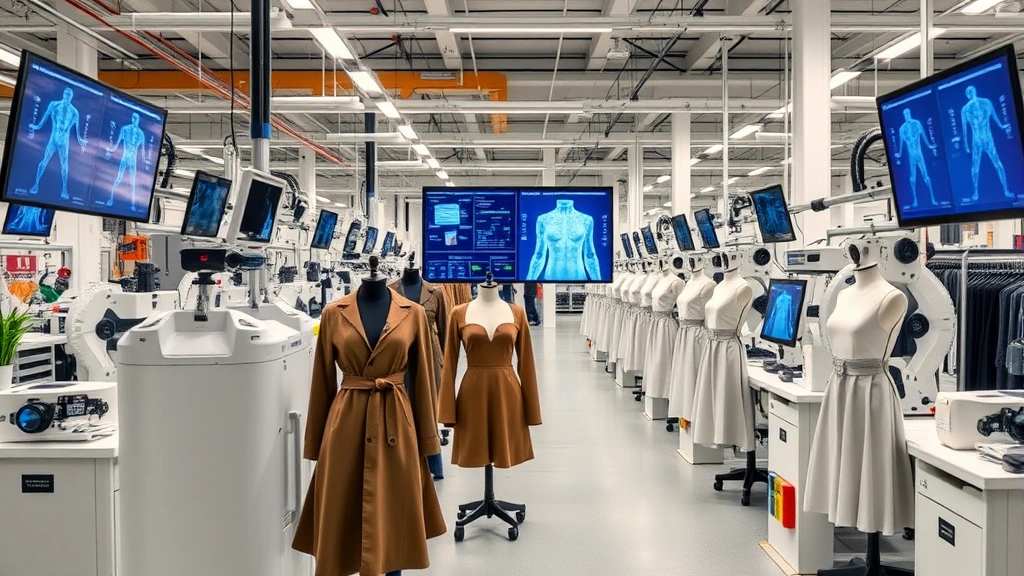
Core Technical Skills You’ll Master
The foundation of any respectable fashion technology course includes proficiency with industry-standard software and digital tools. Here are the essential technical competencies you should expect to develop:
- 3D Design and Visualization: Software like CLO 3D, Marvelous Designer, and Browzwear allow designers to create digital prototypes before physical sampling. These tools reduce production costs, accelerate iteration cycles, and minimize waste—a critical advantage in modern fashion.
- Pattern Making Software: Digital pattern-making platforms enable precise grading and marker making, essential for scaling designs across sizes. Understanding pattern engineering is fundamental to technical design roles.
- Adobe Creative Suite Mastery: Photoshop, Illustrator, and InDesign remain industry staples for mood boards, technical flats, and presentation materials. Proficiency here is non-negotiable for design-adjacent roles.
- CAD Systems: Computer-aided design platforms streamline the technical design process, enabling better communication between designers, manufacturers, and quality teams.
- E-Commerce Platforms: Understanding Shopify, WooCommerce, and enterprise solutions like SAP is crucial for professionals involved in digital retail strategy.
- Data Analytics: Learning to interpret consumer behavior data, sales analytics, and trend forecasting tools helps fashion professionals make data-informed design and merchandising decisions.
- Blockchain and Supply Chain Technology: Emerging courses introduce students to transparency solutions that verify authenticity and track product journeys from production to consumer.
Beyond software proficiency, you’ll develop conceptual understanding of how these tools integrate into broader fashion workflows. The best courses teach not just the mechanics of using software, but strategic thinking about when and why to deploy specific technologies. This knowledge differentiates professionals who simply know how to click buttons from those who drive meaningful innovation.
Popular Course Formats and Platforms
Fashion technology education is delivered through diverse formats, each offering distinct advantages:
University Degree Programs: Traditional four-year degrees or master’s programs in fashion technology, fashion business, or digital fashion design provide comprehensive education with accreditation. Universities like FIT (Fashion Institute of Technology), Parsons, and LCF (London College of Fashion) offer specialized fashion technology programs. These programs combine technical training with business acumen and cultural understanding essential for industry leadership.
Online Learning Platforms: Platforms like Coursera, Udemy, and Skillshare offer flexible, affordable courses ranging from beginner to advanced. These are ideal for working professionals seeking skill enhancement without full-time commitment. Many fashion brands and educators offer proprietary courses through these platforms.
Industry-Specific Bootcamps: Intensive programs lasting 8-12 weeks focus on practical, job-ready skills. These bootcamps often partner with fashion companies to ensure curriculum relevance and frequently include job placement assistance. They’re particularly valuable for career changers seeking rapid skill development.
Certification Programs: Software manufacturers like CLO and Adobe offer official certification programs that validate expertise. These credentials carry weight with employers and often command salary premiums.
Workshop Series and Masterclasses: Short-form educational experiences from industry experts provide deep dives into specific topics. Many are offered by fashion institutes, design schools, and professional organizations. When building your skill stack, these complement longer courses effectively.
The choice between formats depends on your current situation, learning style, and career timeline. Full-time students benefit from comprehensive degree programs, while working professionals often prefer flexible online options or intensive bootcamps. Consider your financial situation, geographic location, and desired depth of knowledge when selecting a format.
Specialized Learning Paths
Fashion technology is broad enough to support specialized career trajectories. Understanding these paths helps you select courses aligned with your professional aspirations:
Digital Fashion Design Path: Aspiring designers focus on 3D visualization, virtual prototyping, and digital design tools. This path emphasizes creative application of technology, allowing designers to explore concepts rapidly and reduce physical sampling. If you’re passionate about the creative aspects of fashion, explore how cottagecore fashion aesthetics or 90s fashion trends translate to digital design—understanding historical and contemporary style movements informs design innovation.
E-Commerce and Digital Retail Path: Professionals in this track learn platform management, digital marketing integration, user experience optimization, and conversion rate optimization. This path suits those interested in the customer-facing digital experience and retail strategy. Courses cover merchandising algorithms, personalization engines, and omnichannel integration.
Supply Chain and Production Technology Path: This specialization focuses on manufacturing innovation, inventory management systems, sustainability technologies, and quality assurance tools. It appeals to professionals interested in operations, sustainability, and supply chain optimization. Understanding how technology improves ethical production is increasingly important to conscious consumers and brands.
Fashion Analytics and Business Intelligence Path: Data-driven professionals learn to extract insights from consumer behavior, sales trends, and market data. This path combines fashion knowledge with data science, creating professionals who bridge creative and analytical domains. Courses include trend forecasting, predictive analytics, and market research methodologies.
Sustainable Fashion Technology Path: As sustainability becomes non-negotiable, specialized courses focus on technologies reducing environmental impact: digital sampling, sustainable material innovations, circular economy platforms, and waste reduction systems. This emerging specialization reflects industry-wide commitment to responsible fashion.
Your specialization should align with your interests and market demand. Research job postings in your target market to understand which skills command premium salaries and have strong employment growth.
Career Outcomes and Industry Demand
The fashion industry actively recruits professionals with technology expertise. Career outcomes from quality fashion technology courses are compelling:
Emerging Role Demand: Positions like Digital Fashion Designer, 3D Pattern Maker, E-Commerce Manager, Fashion Data Analyst, and Sustainability Technology Specialist are in high demand. Many fashion companies struggle to find qualified professionals, creating competitive salary opportunities and advancement pathways.
Salary Premiums: Professionals with fashion technology skills command 15-30% salary premiums compared to traditional fashion roles without technical expertise. This premium reflects both scarcity and business value these professionals deliver.
Entrepreneurial Opportunities: Fashion technology knowledge enables launching fashion tech startups, consulting practices, or digital fashion services. Many successful fashion tech companies were founded by individuals who recognized problems through their industry experience and solved them with technology.
Global Mobility: Technology skills are internationally transferable, creating opportunities to work for global fashion brands, tech companies, or remote positions. This mobility is particularly valuable in an increasingly distributed work environment.
Career Acceleration: In competitive fashion environments, technology skills differentiate professionals for promotion. Designers who understand 3D tools, merchandisers who can analyze data, and managers who understand supply chain technology advance faster than peers without these competencies.
To maximize career outcomes, combine technical skills with fashion industry knowledge. Understanding types of fashion and fashion icons who shaped style provides cultural context that technical professionals sometimes lack, making you more valuable in creative environments.
Choosing the Right Course for Your Goals
With countless options available, selecting the right fashion technology course requires strategic consideration:
Assess Your Starting Point: Honestly evaluate your current skills. Are you a designer needing technical tools? A technologist entering fashion? A career-changer starting from scratch? Your baseline determines whether you need foundational courses or advanced specializations.
Define Your Goals Clearly: Are you seeking employment, career advancement, entrepreneurship, or skill enhancement? Different goals suit different course types. Career changers benefit from comprehensive bootcamps with job placement, while established professionals might prefer specialized certifications.
Evaluate Curriculum Relevance: Review course content against current industry practices. The best courses are updated regularly to reflect emerging technologies. Check instructor credentials—courses taught by industry practitioners carry more weight than purely academic instruction.
Consider Learning Environment: Some people thrive in structured classroom settings, others prefer self-paced online learning. Consider your schedule, learning style, and need for community. Many programs offer hybrid approaches combining flexibility with structured guidance.
Research Outcomes and Alumni Success: Investigate where graduates work and what they’re earning. Quality programs track this data and share it transparently. Alumni networks can provide mentorship and career opportunities beyond the course itself.
Check Industry Recognition: Are certifications recognized by employers in your target market? Do universities have partnerships with fashion brands? Industry connections increase course value substantially.
Evaluate Cost-Benefit: Compare course costs against expected salary increases and career impact. An expensive degree with strong outcomes may provide better ROI than a cheap course that doesn’t advance your career. However, the highest-priced option isn’t always best—value matters more than cost.
Before committing, explore whether your target companies hire from specific programs. Many fashion brands actively recruit from particular schools and bootcamps, making these programs particularly valuable entry points.
FAQ
How long does it take to become proficient in fashion technology?
Timeline varies significantly by specialization and prior experience. Basic software proficiency (3-6 months) is achievable through intensive bootcamps or dedicated self-study. Comprehensive expertise (2-4 years) typically requires degree programs or extended professional experience. Most professionals reach job-ready competency in 6-12 months of focused study.
Do I need a fashion background to study fashion technology?
Not necessarily. Many successful fashion tech professionals come from computer science, engineering, or business backgrounds. However, understanding fashion industry context, design principles, and consumer preferences accelerates learning. If you lack fashion background, consider supplementary reading about style loom daily blog content to build cultural knowledge alongside technical skills.
Which software is most important to learn first?
Start with Adobe Creative Suite (Photoshop, Illustrator) as these are universal across fashion roles. Then specialize based on your path: 3D design tools (CLO, Marvelous Designer) for designers, e-commerce platforms for retail professionals, or data analytics tools for business-focused professionals. Your course should guide this progression logically.
Are online fashion technology courses as valuable as in-person programs?
Quality matters more than format. Excellent online courses from reputable institutions or industry experts rival in-person programs. However, in-person programs offer networking benefits and hands-on lab access that online courses can’t replicate. Hybrid programs increasingly offer the best of both worlds.
What’s the job market outlook for fashion technology professionals?
Outlook is excellent. Fashion brands increasingly invest in technology, creating strong demand for skilled professionals. The Bureau of Labor Statistics projects growth in related fields, and industry surveys consistently identify technology talent as a top hiring priority. This demand is expected to accelerate as sustainability and digital transformation reshape fashion.
Can I specialize in fashion technology without living in a fashion hub?
Absolutely. Remote work is increasingly common in fashion technology roles, and online education makes learning accessible globally. However, internships and entry-level positions may require relocation to major fashion centers. Once established, remote opportunities expand significantly.
How do I stay current with rapidly evolving fashion technology?
Commit to continuous learning through professional development courses, industry conferences, and following fashion tech thought leaders. Many professionals dedicate 5-10 hours monthly to skill updates. Joining professional organizations and online communities keeps you connected to emerging trends and best practices.