How to Rock African Dresses? Designer Insights and Style Mastery
African fashion has transcended continental boundaries to become a global phenomenon, captivating style enthusiasts worldwide with its vibrant colors, intricate patterns, and bold silhouettes. The artistry embedded in African dresses represents centuries of cultural heritage, craftsmanship, and contemporary innovation. From the runways of Paris to the streets of Lagos, these garments tell stories of identity, pride, and artistic expression. Whether you’re attending a cultural celebration, seeking to expand your wardrobe, or simply embracing a more authentic style narrative, mastering the art of wearing African fashion requires understanding its essence and knowing how to integrate these pieces into your personal aesthetic.
This comprehensive guide draws insights from leading African fashion designers, style experts, and trend forecasters to help you confidently wear African dresses with sophistication and respect. We’ll explore the nuances of fabric selection, styling techniques, color coordination, and cultural appreciation that transform these beautiful garments from mere clothing into powerful statements of style and identity.
Understanding African Fashion Heritage
African fashion is not monolithic; it represents the diverse traditions, aesthetics, and innovations of over 50 countries across the continent. Each region, ethnic group, and community has developed distinctive dress codes, weaving techniques, and styling philosophies that reflect their unique cultural identity. The resurgence of African fashion on the global stage represents a reclamation of cultural pride and a celebration of African artistry that was historically marginalized by Western fashion standards.
Understanding the cultural significance of types of fashion within African contexts is crucial before wearing these pieces. Many traditional African dresses carry ceremonial importance, social status markers, and spiritual significance. When you wear an African dress, you’re not just making a fashion statement—you’re honoring generations of craftsmanship and cultural wisdom. Leading fashion institutions like the Fashion Round Table emphasize the importance of cultural education in fashion consumption.
The contemporary African fashion movement has been amplified by talented designers who blend traditional techniques with modern aesthetics. These visionaries have elevated African dresses from regional wear to haute couture, earning recognition at international fashion weeks and collaborations with global luxury brands. Their work demonstrates that African fashion is not about nostalgia—it’s about innovation, quality, and timeless elegance.
Iconic African Dress Styles Explained
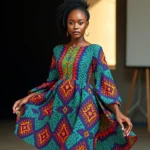
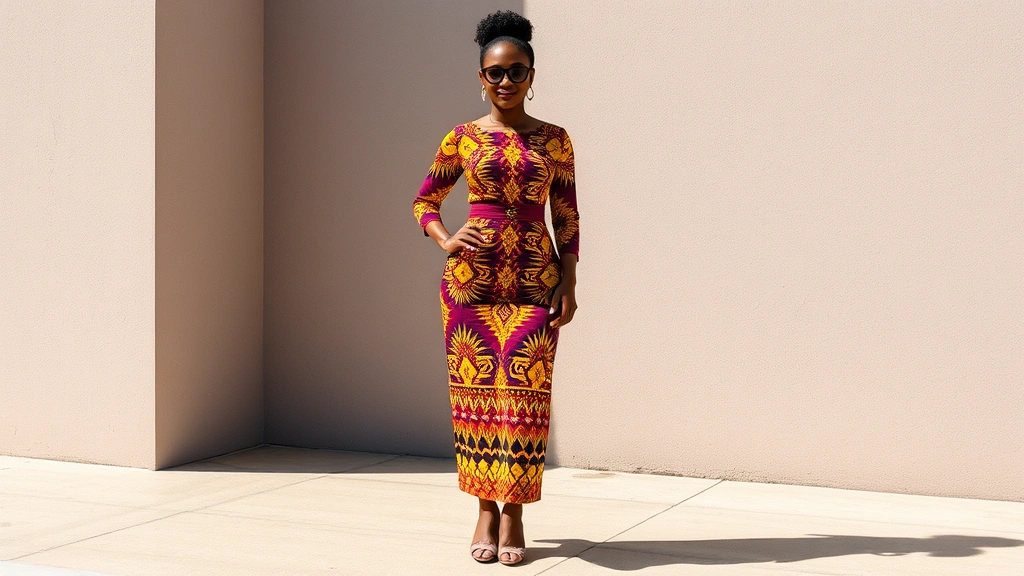
Ankara Dresses represent perhaps the most recognizable African fashion statement globally. These vibrant, patterned cotton fabrics originate from Indonesian batik traditions but have been adopted and adapted across West Africa, particularly in Nigeria and Ghana. Ankara dresses range from casual day wear to elaborate evening gowns, featuring bold geometric patterns and rich color palettes. The versatility of Ankara makes it perfect for creating both traditional and contemporary looks.
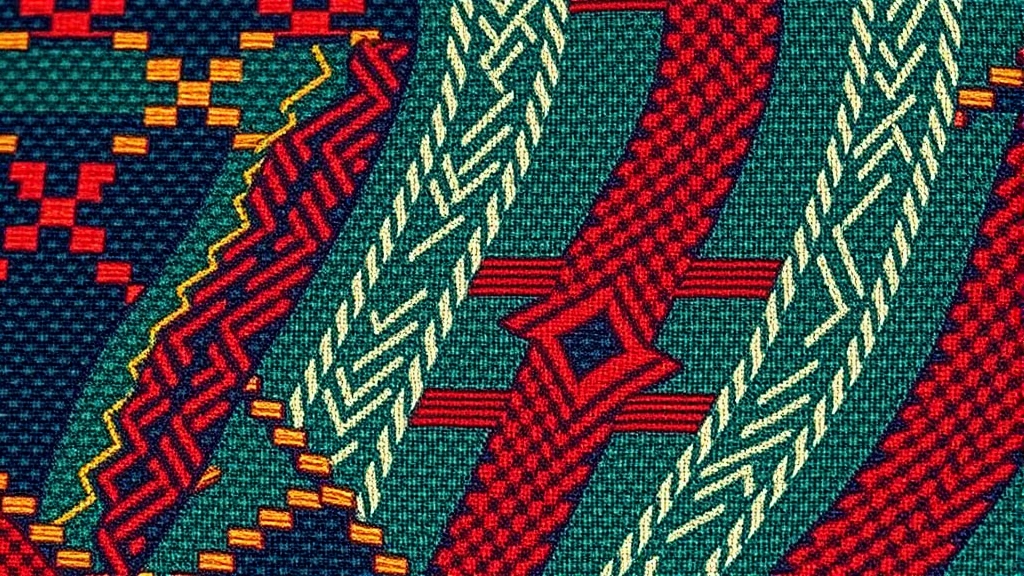
Kente Cloth Dresses originate from Ghana and feature intricate hand-woven patterns with symbolic meanings. Each color and design element carries specific significance, making Kente dresses particularly appropriate for ceremonial occasions. The fabric’s luxurious texture and limited production make Kente pieces investment-worthy additions to any wardrobe. Wearing Kente demonstrates respect for Ghanaian heritage and craftsmanship.
Dashiki Dresses are loose-fitting, colorful garments that originated in West Africa and have become iconic symbols of African pride and cultural consciousness. The relaxed silhouette makes Dashikis comfortable for everyday wear while their striking patterns command attention. When exploring how to find your personal style, Dashikis offer an excellent entry point for those new to African fashion.
Boubou and Caftan Dresses are flowing, elegant garments popular across West and North Africa. These traditionally unisex robes feature luxurious draping and are often embellished with intricate embroidery. Modern interpretations have transformed Boobus and Caftans into sophisticated evening wear that rivals haute couture gowns in elegance and impact.
Shweshwe Dresses come from South Africa and feature distinctive geometric patterns in deep jewel tones. These dresses are particularly popular for weddings and celebrations. The fabric’s structured nature creates flattering silhouettes that work beautifully across different body types.
Selecting the Perfect Fabric
Fabric quality dramatically impacts how African dresses look and feel on your body. Premium African fabrics elevate your entire look and ensure longevity of your investment pieces. Understanding different fabric types helps you make informed purchasing decisions that align with your style goals and lifestyle needs.
High-Quality Ankara fabrics feature tightly woven cotton with vibrant, fade-resistant dyes. Authentic Ankara from reputable suppliers maintains its color and integrity through multiple washes. Look for fabrics with a smooth, slightly stiff hand-feel that indicates proper sizing and quality production. When shopping, examine the reverse side of the fabric—quality Ankara shows consistent pattern and color on both sides.
Authentic Kente Cloth is hand-woven on traditional looms, making each piece unique. The weaving process is labor-intensive and time-consuming, which justifies the higher price point. Machine-made Kente imitations exist but lack the authentic texture and prestige of genuine hand-woven cloth. Invest in authentic Kente for special occasions where the quality and cultural authenticity matter most.
Mudcloth (Bogolanfini) originates from Mali and features earth-toned patterns created through traditional dyeing and painting techniques. This fabric works beautifully for creating bohemian-inspired looks that bridge African heritage with contemporary styling. The natural, organic aesthetic of mudcloth appeals to fashion-conscious individuals seeking sustainable, artisanal pieces.
Adire Fabric comes from Nigeria and features intricate indigo-dyed patterns created through resist-dyeing techniques. The deep blue tones and detailed patterns create sophisticated, timeless looks suitable for various occasions. Adire’s versatility makes it excellent for both traditional and modern styling approaches.
Quality fabrics from ethical suppliers support African artisans and ensure you’re wearing authentic, responsibly-produced pieces. Many contemporary African fashion brands now offer certified organic and sustainably-sourced fabrics, allowing you to make fashion choices aligned with your values.
Styling Techniques from Designers
Leading African fashion designers have developed innovative styling techniques that maximize the impact of traditional fabrics while creating modern, wearable silhouettes. Learning these professional approaches elevates your personal styling and helps you create cohesive, intentional looks.
The Fit and Proportion Strategy involves understanding how fabric drapes on your body and choosing silhouettes that complement your frame. Many African dresses feature generous proportions—designers recommend pairing voluminous skirts with fitted bodices, or flowing fabrics with structured shoulders to create balanced, flattering silhouettes. This approach differs from Western sizing conventions, so proper tailoring is essential for achieving a polished appearance.
Monochromatic Styling leverages the visual impact of bold African patterns by pairing them with solid-colored basics. Wearing an Ankara dress with neutral shoes and minimal jewelry allows the fabric’s artistry to shine without visual competition. This technique works particularly well for making strong style statements in professional or formal settings.
Layering Techniques add sophistication and versatility to your African wardrobe. Designers frequently layer Ankara pieces over neutral slip dresses, pair Boubous with tailored trousers, or combine Dashikis with structured blazers. Layering extends the wearability of pieces across seasons and occasions while creating visually interesting silhouettes.
The Peplum and Ruching Method adds contemporary dimension to traditional fabrics. Modern African designers incorporate peplum details, strategic ruching, and asymmetrical hemlines into classic dress forms, creating pieces that honor tradition while embracing current fashion trends. These techniques flatter diverse body types and add movement to your silhouette.
Renowned designer Stella McCartney has collaborated with African artisans, highlighting how global designers recognize the sophistication and market value of African fashion craftsmanship. Such collaborations demonstrate that African dresses belong in high-fashion conversations alongside European and American design houses.
Mastering Colors and Patterns
African fabrics are celebrated for their bold, vibrant colors and intricate patterns. Mastering color coordination and pattern mixing transforms you from someone wearing African clothes to someone who truly rocks African fashion with confidence and style.
Color Psychology in African Fashion extends beyond personal preference—many colors carry cultural significance. Red represents power and vitality, gold symbolizes wealth and prosperity, green connects to nature and growth, while blue denotes harmony and wisdom. Understanding these associations helps you choose colors that align with your intended message and the occasion’s cultural context.
Pattern Mixing Principles allow you to combine multiple African prints in single outfits. The key is varying pattern scale—pair large geometric prints with smaller, more delicate patterns. Ensure colors overlap between prints to create visual cohesion. Professional stylists recommend limiting pattern mixing to two prints maximum until you develop confidence with this technique.
Neutral Grounding prevents pattern-heavy looks from appearing chaotic. When wearing bold Ankara or Kente dresses, balance with neutral accessories, shoes, and minimal jewelry. This approach keeps focus on the dress’s artistry while maintaining sophisticated restraint. Neutral colors also increase the versatility of your pieces across multiple occasions.
Seasonal Color Adaptation involves adjusting your African wardrobe to reflect seasonal color palettes. Warm jewel tones work beautifully in autumn and winter, while bright, fresh colors suit spring and summer. Mudcloth and Adire naturally align with cooler, earth-toned palettes, while Ankara offers year-round versatility through its diverse color options.
Fashion forecasters at Vogue consistently highlight African fashion’s color innovation as a trend-driving force. The bold palettes and pattern complexity found in African dresses influence global fashion color forecasting and inspire designers worldwide.
Dressing for Different Occasions
African dresses offer remarkable versatility across different settings and occasions. Understanding how to adapt your styling ensures you always look appropriate while maintaining your authentic style expression.
Professional and Corporate Settings require refined, understated African fashion choices. Opt for Ankara dresses in solid, sophisticated color palettes with minimal pattern. Pair with tailored blazers, structured handbags, and professional footwear. The Style Loom Daily Blog offers extensive guidance on professional style integration. Consider monochromatic Adire dresses or solid-colored Boubous as excellent corporate wardrobe foundations.
Casual and Social Occasions celebrate African fashion’s playful, vibrant nature. Dashikis paired with denim, Ankara dresses with sneakers, or Kente-inspired pieces with relaxed accessories create approachable, stylish looks. These settings allow for bolder pattern choices and more expressive styling without formality constraints.
Formal Events and Celebrations demand elevated African fashion statements. Invest in premium fabrics, intricate embellishments, and tailored silhouettes. Boubous and Caftans in luxury fabrics, hand-beaded Ankara gowns, or ceremonial Kente cloth create showstopping formal looks. These pieces often become heirloom-quality wardrobe investments worn repeatedly across years.
Cultural and Ceremonial Occasions require respectful, authentic African dress choices. If attending weddings, naming ceremonies, or cultural celebrations, research appropriate dress codes specific to that culture. When uncertain, consulting with community members or experienced cultural advisors ensures you honor the occasion appropriately while celebrating your connection to African heritage.
Date Night and Intimate Occasions benefit from African fashion’s inherent sensuality and elegance. Form-fitting Ankara dresses, flowing Boubous with strategic layering, or Shweshwe dresses in jewel tones create romantic, confident looks. African fashion celebrates femininity and body confidence in ways that feel empowering rather than objectifying.
Accessorizing African Dresses
Accessories make or break African fashion looks. Strategic accessorizing amplifies your dress’s impact while creating cohesive, intentional styling that demonstrates fashion sophistication.
Statement Jewelry complements rather than competes with bold African patterns. Choose gold or bronze metallic jewelry that echoes the warmth in your dress. Oversized earrings, layered necklaces, and stacked bracelets work beautifully with African fashion’s confident aesthetic. Many contemporary African designers create jewelry specifically designed to coordinate with their clothing collections.
Footwear Selection significantly impacts your overall look. Neutral leather shoes work universally with African dresses, while metallic heels add glamour for formal occasions. Flat sandals, traditional beaded shoes, or contemporary sneakers create different styling moods. Ensure footwear quality matches your dress’s investment level—cheap shoes undermine beautiful fabric.
Bag Choices should balance your dress’s visual weight. Structured handbags work well with fitted dresses, while slouchy bags complement flowing silhouettes. Consider incorporating African-made leather goods or woven bags that echo your dress’s artisanal quality. Matching your bag’s color to your shoes creates visual grounding in busier outfits.
Headwraps and Head Pieces add authentic cultural dimension when worn respectfully. Traditional head wrapping techniques vary by culture—research appropriate methods for your heritage or consult with experienced practitioners. Modern interpretations include stylized headwraps that complement contemporary African dresses without requiring traditional wrapping expertise.
Scarf and Shawl Integration adds versatility and sophistication. Lightweight scarves coordinate with Ankara dresses while adding layering options for temperature control. Complementary patterned scarves create intentional pattern mixing when chosen with care.
Modern Fusion and Contemporary Styling
Contemporary African fashion increasingly blends traditional elements with modern design principles, creating hybrid styles that feel current while honoring cultural heritage. This fusion approach offers exciting possibilities for fashion-forward individuals seeking authentic yet innovative style.
African-Inspired Contemporary Pieces take traditional fabric and silhouette elements and reinterpret them through modern design lenses. Designers create tailored Ankara blazers, structured Kente-inspired jackets, and minimalist Dashiki-influenced pieces that work seamlessly in contemporary wardrobes. These pieces bridge the gap between traditional and modern styling, offering accessibility for those new to African fashion.
Luxury African Fashion Collaborations elevate African designers to international recognition. Brands like Dolce & Gabbana and emerging collaborations with African design houses demonstrate that African fashion belongs in luxury conversations. Supporting these collaborations and purchasing from African-owned luxury brands ensures your fashion choices support African economic growth and creative recognition.
Sustainable African Fashion emphasizes ethical production, fair wages, and environmental responsibility. Many contemporary African designers prioritize sustainable practices, using organic fabrics, natural dyes, and ethical labor standards. Choosing sustainable African fashion aligns your wardrobe with values of social responsibility and environmental consciousness. When exploring 90s fashion nostalgia and 80s fashion trends, you’ll notice African fashion elements influencing contemporary designers’ sustainability narratives.
Gender-Neutral African Fashion challenges traditional dress codes by creating androgynous silhouettes in traditional fabrics. Contemporary designers offer Boubous, Dashikis, and tailored Ankara pieces in non-binary fits, allowing diverse gender expressions through African fashion. This evolution honors African fashion’s historical fluidity while embracing contemporary inclusivity.
Digital-Age African Fashion leverages social media and online platforms to democratize African fashion knowledge. Fashion influencers, designers, and style educators share styling tips, cultural context, and trend forecasting through accessible digital channels. Following African fashion content creators provides real-time inspiration and education about wearing African dresses with authenticity and style.
Leading fashion institutions like the Sotheby’s African Art and Contemporary Design divisions increasingly recognize African fashion as investment-worthy art forms, elevating designer pieces to collectible status alongside fine art.
FAQ
Can I wear African dresses if I’m not African?
Yes, absolutely. African fashion is a global phenomenon celebrating artistry, craftsmanship, and beauty. Wearing African dresses respectfully—understanding their cultural significance, supporting African designers, and avoiding appropriative styling—demonstrates appreciation for African creativity. Fashion transcends geographic boundaries; what matters is approaching African fashion with genuine interest and respect rather than treating it as a costume or trend.
How do I find authentic African dresses?
Purchase directly from African designers, established African fashion retailers, and certified suppliers who prioritize authentic fabrics and ethical production. Research designer backgrounds, ask about fabric sourcing, and verify authenticity claims. Supporting independent African designers through online platforms ensures you receive genuine pieces while contributing to African economic empowerment. Avoid fast-fashion retailers selling cheap African-inspired knockoffs that undermine authentic designers.
What’s the difference between African fashion and African-inspired fashion?
African fashion refers to garments created by African designers using traditional or contemporary techniques specific to African cultural contexts. African-inspired fashion borrows aesthetic elements but originates from non-African designers. Both have merit—authentic African fashion supports African creators, while African-inspired pieces sometimes introduce African aesthetics to broader audiences. Ideally, prioritize supporting authentic African designers while appreciating respectful cross-cultural design dialogue.
How do I style African dresses for work environments?
Choose African dresses in sophisticated colors and minimal patterns. Pair with tailored blazers, structured accessories, and professional footwear. Monochromatic Adire or solid-colored Boubous work beautifully in corporate settings. Consider fit and silhouette—ensure dresses are appropriately proportioned for professional contexts. Many workplaces increasingly celebrate cultural fashion expression; wearing African dresses professionally demonstrates confidence, cultural pride, and fashion sophistication that distinguishes your professional presence.
What’s appropriate for wearing African dresses to cultural events?
Research the specific cultural context and ask community members about appropriate dress codes. Different African cultures have distinct dress traditions—what’s appropriate for a Nigerian wedding differs from a Ghanaian naming ceremony or South African celebration. When in doubt, err toward formal, traditional interpretations. Invest in quality fabrics and proper tailoring that demonstrate respect for the occasion. Avoid treating cultural events as costume opportunities; approach with genuine respect and cultural humility.
How do I care for African dresses?
Hand-wash or use gentle machine cycles with cool water to preserve colors and fabric integrity. Use mild detergents and avoid harsh chemicals that fade traditional dyes. Air-dry away from direct sunlight to prevent color fading. Store in cool, dry spaces protected from moisture and pests. Proper care extends your pieces’ longevity, making them true investments rather than disposable fashion. Many African fabrics improve with age, developing character and patina that enhance their beauty.
Are African dresses appropriate for everyday wear?
Absolutely. Many African dresses feature comfortable, practical designs perfect for daily wear. Dashikis, casual Ankara dresses, and flowing Boubous work beautifully for everyday styling when paired with appropriate footwear and accessories. Making African fashion part of your daily wardrobe rather than reserving it for special occasions normalizes African aesthetic beauty in mainstream fashion conversations and demonstrates your authentic style commitment.
How do I find my personal African fashion style?
Explore different dress styles, fabrics, and silhouettes to understand what resonates with your aesthetic. Consider how finding your personal style integrates with African fashion by experimenting with various color palettes and pattern combinations. Follow African fashion influencers and designers to gather inspiration. Invest in quality basics in your preferred African fabrics, then build outfits around these foundation pieces. Your authentic African fashion style emerges through consistent exploration and intentional choices reflecting your personality and values.