Best African Dresses? Designer Picks for Authentic Style
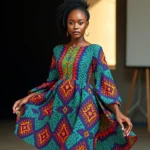
African fashion has transcended continental boundaries to become a global phenomenon, captivating style enthusiasts and fashion capitals worldwide. The diversity of African dresses reflects centuries of cultural heritage, artistic expression, and contemporary innovation. From vibrant kente cloth to elegant ankara prints, African fashion dresses represent more than garments—they embody stories, traditions, and the creative vision of talented designers who are reshaping the global fashion landscape.
Whether you’re exploring how to find your personal style or seeking to expand your wardrobe with meaningful pieces, understanding the best African dresses requires knowledge of key designers, fabric traditions, and styling approaches. This comprehensive guide celebrates the most influential African dress designers and styles that are defining contemporary fashion.
Understanding African Dress Heritage
African dresses carry profound cultural significance that extends far beyond aesthetic appeal. Each region of Africa—from West Africa to East Africa, Southern Africa to North Africa—possesses distinct dress traditions that reflect local customs, climate considerations, and artistic philosophies. The richness of fashion history timeline shows how African dress traditions have influenced global fashion for generations.
The evolution of African dresses demonstrates how traditional garments have adapted to contemporary contexts while maintaining cultural authenticity. Modern African fashion designers honor ancestral techniques while incorporating modern silhouettes, sustainable practices, and innovative construction methods. This fusion creates dresses that resonate with both traditionalists and fashion-forward individuals seeking authentic cultural expression.
Understanding types of fashion helps contextualize why African dresses occupy such an important position in the global style conversation. These pieces challenge conventional beauty standards and celebrate diversity, making them essential for anyone committed to mindful fashion consumption.
Top African Fashion Designers
Stella Jean, a Haitian-Italian designer based in Rome, has become synonymous with celebrating African textiles and craftsmanship. Her collections seamlessly blend African prints with contemporary silhouettes, creating dresses that honor heritage while embracing modernity. Jean’s work demonstrates how fashion trends and style guides increasingly prioritize cultural authenticity and sustainable production.
Vlisco, the legendary Dutch-African brand, revolutionized African fashion by creating premium wax prints that became synonymous with African identity. Their collections feature stunning dresses that range from traditional wraps to contemporary structured pieces. Vlisco’s influence on African fashion cannot be overstated—they’ve trained generations of seamstresses and inspired countless designers.
Ozwald Boateng, the British-Ghanaian designer, brings sophisticated tailoring to African fashion. His dresses combine precision cutting with luxurious fabrics, creating pieces that work equally well at formal events and contemporary settings. Boateng’s approach proves that African dresses can achieve high fashion prestige while celebrating cultural roots.
Yinka Shonibare, a British-Nigerian artist and designer, uses African textiles in provocative, avant-garde ways. His dresses challenge conventional thinking about African fashion, often featuring bold prints in unexpected silhouettes. Shonibare’s work appears in major museums worldwide, elevating African dress to fine art status.
Adire Kilo, founded by Nigerian designer Adebayo Oke-Lawal, specializes in sustainable African fashion. The brand’s dresses feature traditional indigo dyeing techniques combined with modern design principles. This approach connects contemporary fashion consumers with ancestral practices, making each piece a statement about sustainability and cultural pride.
Myriam Fares, a Lebanese-African designer, creates elegant dresses that celebrate African beauty standards. Her collections feature flowing silhouettes, rich colors, and intricate beadwork that appeal to customers seeking sophisticated, wearable pieces for everyday and special occasions.
Visit Vogue for the latest coverage on these designers and emerging African fashion talent shaping the industry.
Essential Fabric Traditions
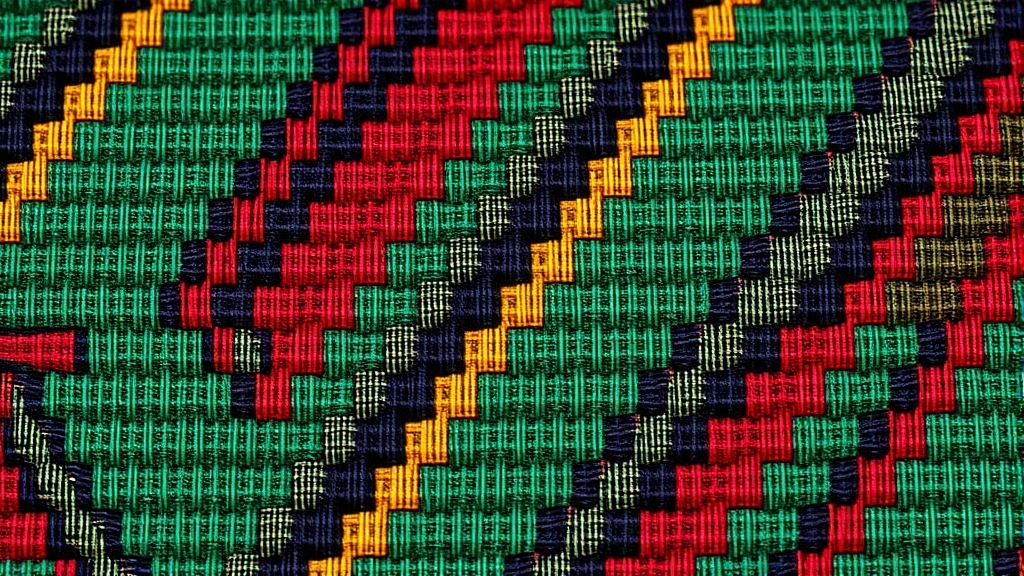
Kente Cloth originates from Ghana and represents one of Africa’s most prestigious textile traditions. This handwoven fabric features intricate geometric patterns and vibrant colors, traditionally reserved for royalty and important ceremonies. Modern kente dresses range from traditional wraps to contemporary structured designs, making this heritage fabric accessible for various occasions.
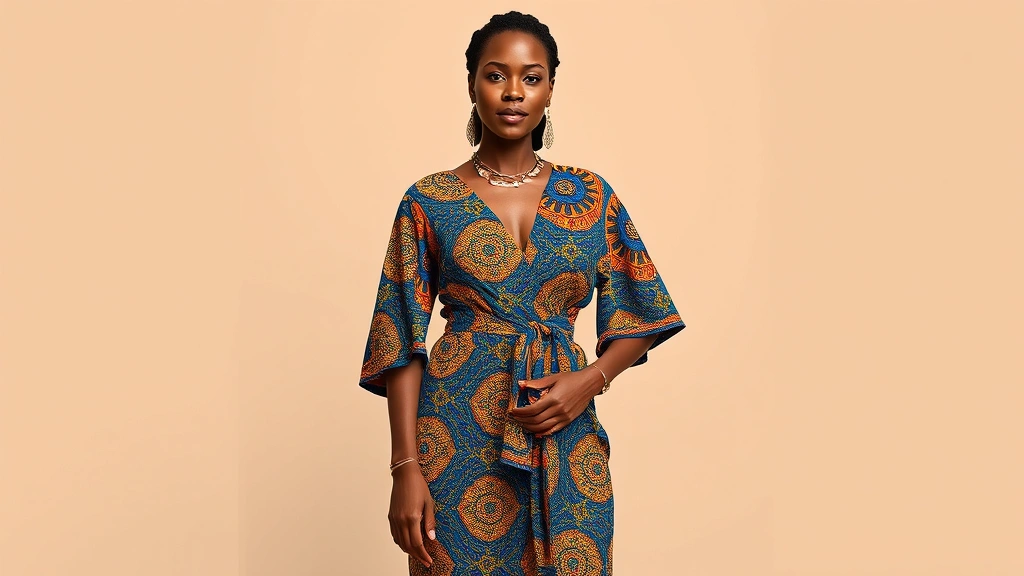
Ankara Prints have become synonymous with contemporary African fashion. These bold, colorful cotton prints originated in Indonesia but became deeply embedded in African fashion culture. Ankara dresses offer endless styling possibilities, from casual day dresses to glamorous evening wear. The fabric’s versatility and affordability make it a staple in African fashion.
Adire Indigo represents Nigeria’s ancient dyeing tradition, creating beautiful blue-patterned fabrics through resist-dyeing techniques. Adire dresses possess understated elegance and cultural depth, appealing to customers seeking meaningful fashion with historical significance. The sustainable nature of traditional indigo production adds contemporary appeal.
Mudcloth (Bogolanfini) from Mali features striking geometric patterns created through mud-dyeing processes. These earthy-toned dresses represent artistic mastery and cultural identity. Mudcloth dresses work beautifully for creating distinctive, conversation-starting looks that celebrate African artistic traditions.
Shweshwe Fabric from South Africa features intricate patterns and rich colors. This cotton fabric has deep historical roots and remains central to South African fashion culture. Shweshwe dresses are particularly popular for celebrations and traditional events.
Wax Prints represent the most commercially successful African textile tradition globally. These machine-printed fabrics mimic traditional batik techniques and feature bold, repeating patterns. Wax print dresses range from affordable everyday pieces to designer collections, making African fashion accessible across price points.
Styling African Dresses for Modern Life
Contemporary African dresses offer remarkable versatility when styled thoughtfully. A traditional ankara wrap dress transforms from casual weekend wear with sneakers to elegant evening attire when paired with heels and statement jewelry. This adaptability makes African dresses smart investments for anyone building a functional, stylish wardrobe.
For professional settings, tailored African dresses in solid colors or subtle prints project confidence and cultural pride. Pair a structured kente dress with neutral accessories and minimalist jewelry for boardroom-appropriate elegance. The key is letting the beautiful fabric and craftsmanship speak for itself without overwhelming your professional presentation.
Casual styling embraces the bold, joyful nature of African prints. Layer an oversized ankara shirt over basics, or pair a printed A-line dress with simple sandals and a crossbody bag for effortless weekend style. This approach celebrates African fashion’s inherent vibrancy while maintaining practical, wearable aesthetics.
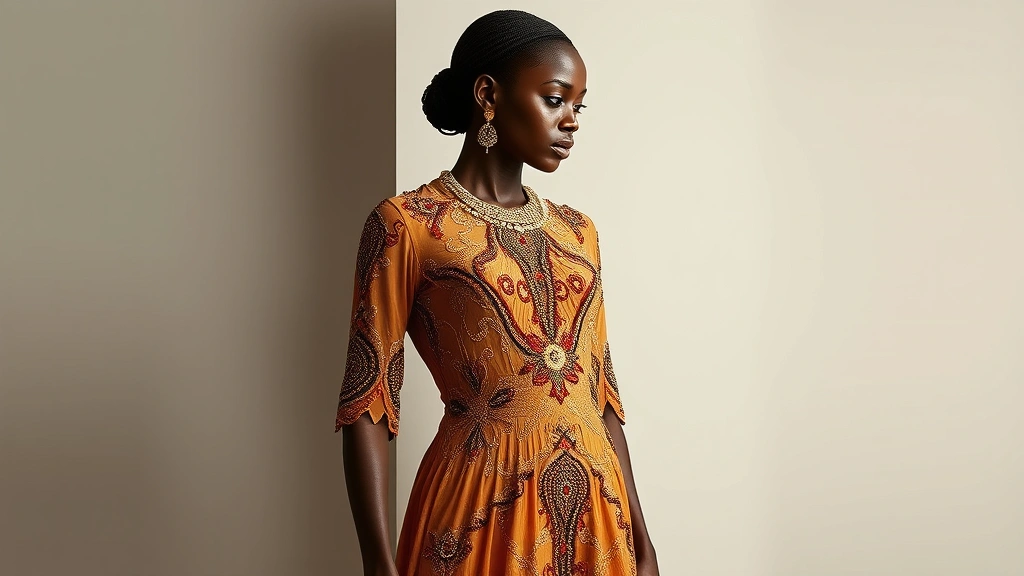
For special occasions, consider statement African dresses that showcase intricate beadwork, embroidery, or complex weaving. These pieces deserve to be the focal point of your outfit—keep accessories minimal and let the dress’s artistry dominate. Understanding 90s fashion influences can help you create modern-retro combinations with African pieces, blending nostalgic elements with contemporary style.
Color coordination with African prints requires confidence. Don’t shy away from bold color combinations—African design traditions celebrate color abundance. A printed dress with multiple colors pairs beautifully with solid-colored accessories in one of the dress’s dominant hues, creating cohesive, intentional styling.
Investment Pieces Worth Owning
Quality African dresses represent exceptional value as investment pieces. Unlike fast fashion that deteriorates quickly, well-made African dresses improve with age, developing beautiful patinas and soft textures. Investing in pieces from established designers ensures longevity and timeless style appeal.
Handwoven Kente Pieces from Ghanaian artisans represent heirloom-quality investments. These dresses take weeks to produce and feature intricate patterns that tell specific stories. Owning a genuine kente dress connects you to centuries of cultural tradition while supporting skilled artisans.
Designer Ankara Collections from brands like Stella Jean or Vlisco offer investment potential through exceptional design and construction. These pieces transcend seasonal trends, remaining stylish and relevant for years. The craftsmanship justifies premium pricing and ensures your investment maintains value.
Beaded and Embellished Pieces for special occasions represent investment-worthy purchases. Hand-beaded African dresses require extensive labor and skill, making each piece unique. These dresses work for multiple occasions throughout your life, making cost-per-wear calculations highly favorable.
Sustainable African Brands like Adire Kilo combine investment quality with ethical production. Supporting designers committed to traditional techniques and fair labor practices means your investment benefits entire communities, not just individual designers.
Emerging Designers to Watch
The African fashion landscape continues evolving with exciting emerging talent pushing creative boundaries. Amina Taaki from Nigeria creates stunning dresses that blend traditional motifs with contemporary silhouettes, appealing to younger fashion consumers seeking authentic African style. Her work demonstrates how emerging designers are making African fashion accessible and relevant to global audiences.
Rich Mnisi, a South African designer, creates bold, architectural dresses that challenge conventional African fashion aesthetics. His innovative approach to print placement and silhouette construction proves African fashion’s limitless creative potential.
Deola Sagoe from Nigeria specializes in luxury African dresses featuring exquisite beadwork and embroidery. Her pieces represent the highest level of craftsmanship and appeal to customers seeking museum-quality wearable art.
Tsitsi Barbie creates contemporary African dresses that celebrate femininity and cultural pride. Her collections feature innovative fabric combinations and unexpected color palettes that attract fashion-forward consumers.
Telfar Clemens, though known for accessories, increasingly collaborates with African textile producers on dress collections that bridge luxury fashion and cultural authenticity. His work demonstrates how established designers are incorporating African traditions into global fashion.
Check Vogue Business for industry insights on emerging African designers and market trends shaping the future of African fashion.
Understanding 80s fashion influences helps contextualize how African designers draw inspiration from various eras while creating distinctly contemporary pieces. This cross-pollination of influences creates dynamic, innovative African dress designs.
FAQ
What makes African dresses special compared to other fashion?
African dresses combine artistic heritage, cultural significance, and contemporary design innovation. Each piece often tells stories through patterns and colors, while supporting skilled artisans and traditional techniques. This cultural depth, combined with exceptional craftsmanship, distinguishes African dresses in global fashion.
How do I choose the right African dress for my body type?
African dresses come in diverse silhouettes—from fitted to flowing. Consider your body type preferences: A-line cuts flatter most figures, wrap dresses offer customizable fit, and structured pieces create definition. Bold prints work beautifully at any size when the fit is correct. Don’t hesitate to try multiple styles before purchasing.
Are African dresses appropriate for professional settings?
Absolutely. Choose solid-colored African dresses or subtle prints in professional fabrics for work settings. Pair with neutral accessories and minimal jewelry. Many African designers create sophisticated collections specifically designed for professional environments. African dresses represent cultural pride in any setting.
How do I care for African dresses to ensure longevity?
Hand wash or use gentle machine cycles with cold water to preserve colors and fabric integrity. Avoid harsh detergents that fade prints. Air dry rather than using heat. For handwoven pieces, professional dry cleaning ensures proper care. Proper maintenance helps African dresses improve with age.
Where can I purchase authentic African dresses?
Purchase directly from designer websites, established African fashion retailers, and reputable online platforms specializing in African fashion. Research designer credentials and production practices. Supporting authentic designers ensures you receive quality pieces while benefiting African artisans and communities.
What’s the difference between authentic African prints and imitations?
Authentic African prints feature consistent color quality, precise pattern registration, and superior fabric weight. Research fabric origins and designer sourcing practices. Authentic pieces from established brands like Vlisco or independent African designers offer genuine quality and cultural authenticity.
Can I wear African dresses year-round?
Yes. Choose lighter fabrics and breathable weaves for warm seasons, and layer heavier pieces with jackets or cardigans for cooler months. African textile traditions developed across diverse climates, ensuring options for every season. Styling adaptability makes African dresses genuine year-round wardrobe staples.
How do African dresses fit into sustainable fashion?
Many African designers prioritize sustainable practices through traditional techniques, natural dyes, and ethical labor. Supporting African fashion supports communities maintaining ancestral skills while creating livelihoods. Investing in quality pieces that last years aligns perfectly with sustainable fashion principles.
Explore more about African Fashion Guide for comprehensive resources on designers, techniques, and styling inspiration.
Visit The African Exponent for contemporary coverage of African fashion trends and designer features.
Discover more on Fashion Ethnique for curated African fashion collections and styling guides.