Retro Urban Style: 80s Fashion Comeback? Expert Insights
The 1980s were undeniably bold. Neon colors blazed across city streets, oversized silhouettes dominated runways, and attitude-driven fashion became the ultimate status symbol. Today, decades later, we’re witnessing an undeniable resurgence of 80s urban fashion—a movement that’s capturing the hearts of Gen Z, fashion-forward millennials, and style enthusiasts worldwide. But is this simply nostalgia, or does the 80s aesthetic offer something genuinely transformative for contemporary wardrobes?
The answer is nuanced. Fashion historians and contemporary designers are increasingly recognizing that 80s urban style represents more than mere retro revival. It embodies a philosophy of self-expression, confidence, and boundary-pushing creativity that resonates deeply with today’s cultural moment. From streetwear collaborations featuring vintage-inspired silhouettes to high-fashion runways reimagining power dressing, the influence of this iconic decade is undeniable and evolving.
In this comprehensive guide, we explore the multifaceted comeback of 80s urban fashion through expert analysis, trend forecasting, and practical styling advice. Whether you’re curious about how to authentically incorporate these elements into your wardrobe or simply want to understand why this era continues to captivate the fashion world, you’ll discover insights from industry leaders and actionable inspiration throughout.
Understanding the 80s Urban Fashion Foundation
The 1980s represented a pivotal moment in fashion history when urban environments became the primary inspiration for style innovation. Unlike previous decades where high fashion filtered down to the streets, the 80s witnessed the inverse: street culture and youth movements directly influenced haute couture. Hip-hop culture emerging from New York, the punk and new wave scenes of London and Los Angeles, and the disco-to-dance evolution all converged to create a uniquely rebellious aesthetic.
Urban fashion during this era was inherently democratic. You didn’t need designer labels to look fashionable—you needed attitude, creativity, and the confidence to break conventional rules. Teenagers mixed thrifted leather jackets with fluorescent accessories, paired athletic wear with formal pieces, and treated fashion as a form of personal rebellion. This democratization of style is crucial to understanding why 80s urban fashion continues to resonate today.
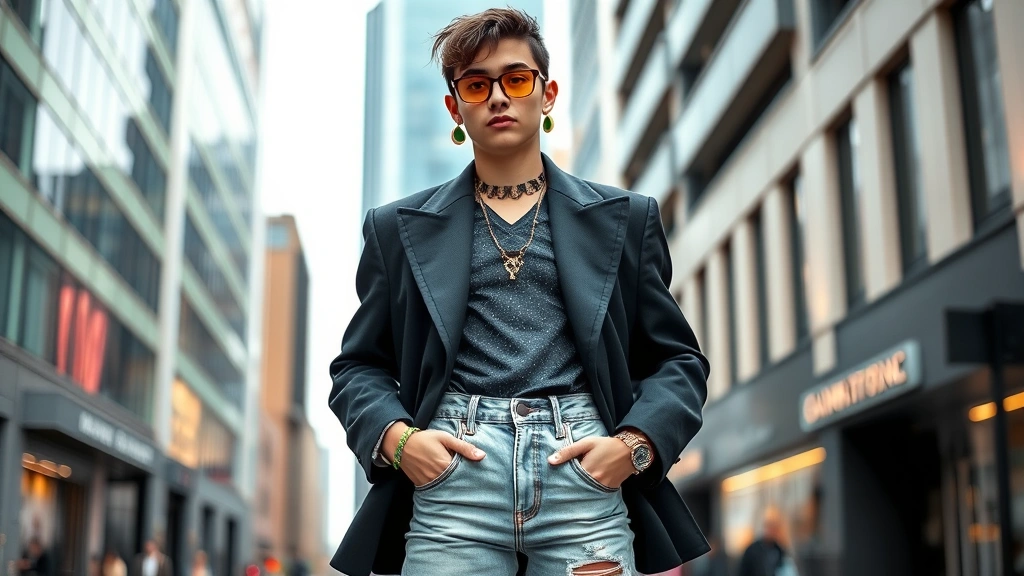
The silhouette was distinctly structured yet exaggerated. Power shoulders dominated both menswear and womenswear, creating an imposing, confident presence. Oversized blazers, often rolled at the sleeves to reveal colorful accessories underneath, became iconic. Simultaneously, fitted elements—like slim-waisted pants, cropped tops, and body-conscious leggings—created dramatic contrast. This interplay between volume and fitted pieces remains one of the most recognizable aspects of authentic 80s style.
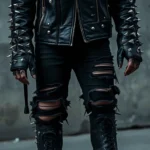
Explore more about 80s punk rock fashion to understand the rebellious undercurrents that shaped the era’s aesthetic.
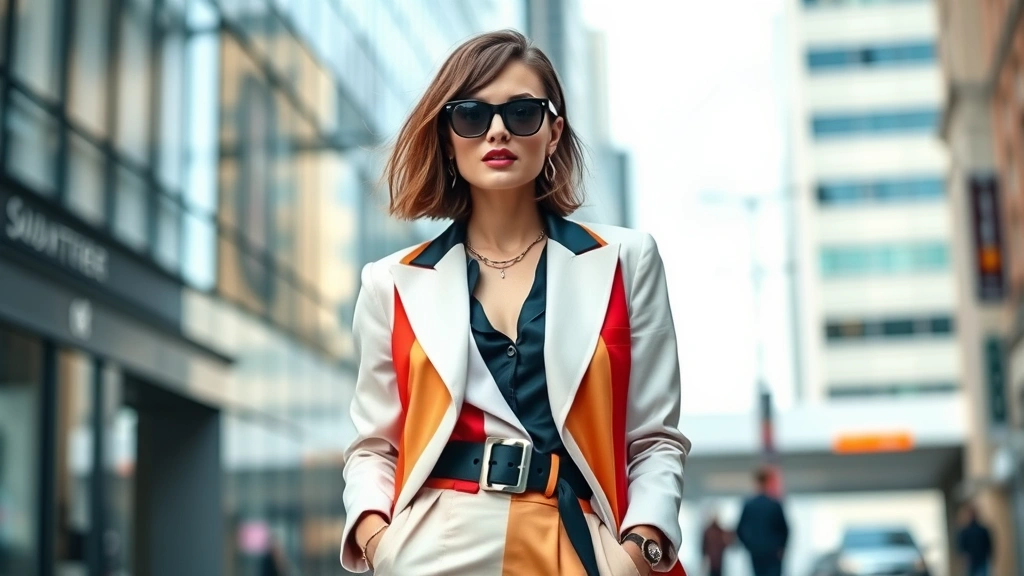
Why the 80s Are Making a Comeback Now
Fashion operates in cyclical patterns, but the current 80s revival isn’t simply following the traditional 20-30 year nostalgia cycle. Industry experts point to several interconnected cultural and economic factors driving this resurgence. According to Vogue, contemporary fashion’s embrace of maximalism and self-expression directly parallels 80s philosophy—a stark contrast to the minimalism that dominated the 2010s.
Social media platforms, particularly TikTok and Instagram, have accelerated the 80s comeback by democratizing trend-setting. Users worldwide are discovering, reinterpreting, and celebrating 80s aesthetics without gatekeeping, creating organic viral moments that traditional fashion institutions cannot ignore. A teenager in Tokyo can inspire a designer in Milan through a single post featuring a perfectly styled 80s-inspired outfit.
Additionally, contemporary concerns about sustainability and consumer culture have renewed interest in vintage fashion. The 80s, with its bold statement pieces and timeless silhouettes, offers excellent vintage investment opportunities. Young consumers increasingly view thrifted 80s pieces not as dated relics but as sustainable luxury items with built-in character and authenticity.
The economic landscape also plays a role. As younger generations navigate uncertain futures, the aspirational confidence embodied by 80s fashion provides psychological comfort. There’s something deeply reassuring about an aesthetic that celebrates abundance, joy, and uncompromising self-expression during times of genuine anxiety.
Learn more about how this fits into broader fashion history and cyclical trends.
Key Elements of Authentic 80s Urban Style
Authenticity matters when navigating retro fashion. Wearing 80s-inspired pieces without understanding their context can result in costumey, inauthentic looks. Here are the essential elements that define genuine 80s urban fashion:
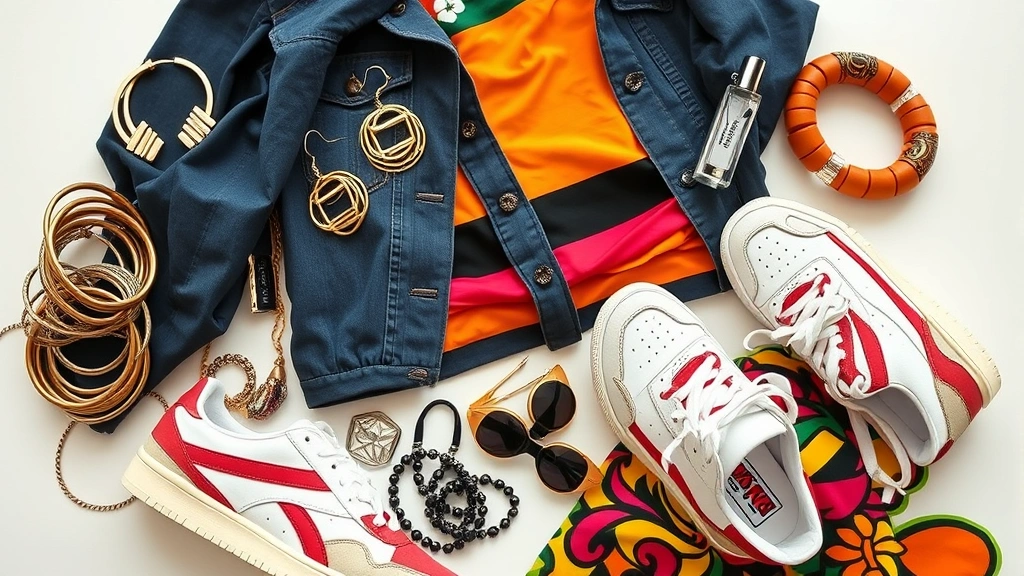
- Power Shoulders and Structured Blazers: Whether oversized or fitted, shoulder emphasis defined the silhouette. Blazers featured exaggerated shoulder pads, often paired with pushed-up sleeves revealing multiple bangles or watches underneath.
- Color Blocking and Neon Accents: Rather than monochromatic outfits, 80s fashion celebrated bold color combinations. Neon and metallic elements added energy without overwhelming the entire outfit. Discover 80s neon fashion for comprehensive color guidance.
- Athletic-Inspired Pieces: Leg warmers, tracksuits, sneakers, and athletic wear were integrated into everyday outfits. This wasn’t activewear as we know it today—it was fashion wear inspired by athletic culture.
- Denim Everything: Acid-washed denim, stone-washed variants, and denim jackets with graphic t-shirts underneath became uniform staples. Denim was treated as a versatile canvas for self-expression.
- Layering and Mixing Textures: Leather, metallics, lace, and matte fabrics were intentionally mixed. Sheer materials were layered over solid pieces, creating visual depth and complexity.
- Statement Accessories: Chunky jewelry, geometric earrings, multiple chains, and decorative belts elevated even simple outfits. Accessories weren’t afterthoughts—they were the primary styling focus.
- Bold Prints and Patterns: Geometric patterns, animal prints, stripes, and abstract designs were mixed fearlessly. Clashing patterns were actually celebrated as indicators of individual style.
- Footwear Diversity: Sneakers, boots, heels, and athletic shoes were all acceptable in any context. Footwear choice was more about personal expression than formal appropriateness.
Modern Interpretations and Designer Perspectives
Contemporary designers aren’t simply reproducing 80s looks—they’re reinterpreting foundational principles through modern sensibilities. This distinction is crucial for understanding why the 80s comeback feels fresh rather than derivative.
Luxury brands like contemporary design houses are incorporating power shoulders into refined silhouettes, creating pieces that honor 80s structure while maintaining modern minimalist aesthetics. The result is sophisticated rather than costume-like. A blazer might feature subtle shoulder emphasis paired with contemporary fabric technology and streamlined proportions.
Streetwear brands have embraced 80s nostalgia more overtly, collaborating with vintage fashion archives and creating deliberately retro pieces. However, the most successful collaborations add contemporary elements—sustainable materials, inclusive sizing, and modern color palettes—that prevent pure replication.
Fashion institutes and trend forecasting agencies increasingly emphasize that the 80s comeback represents a shift in fashion philosophy rather than simple aesthetic revival. The emphasis on individual expression over conformity, boldness over subtlety, and joy over restraint challenges the previous decade’s aesthetic minimalism and offers psychological relief during culturally turbulent times.
Understanding different fashion styles helps contextualize where 80s urban fashion fits within the broader style landscape.
Building Your 80s-Inspired Wardrobe
The key to successfully incorporating 80s elements into contemporary wardrobes is balance. You needn’t wear head-to-toe 80s looks to capture the era’s spirit. Strategic integration of key pieces creates authentic style that feels personally relevant.
Start with Foundation Pieces: Invest in quality basics that serve as anchors for 80s-inspired styling. A well-fitted black blazer with subtle shoulder emphasis works with contemporary pieces while honoring 80s silhouettes. Neutral-colored denim in both fitted and relaxed cuts provides versatile foundations.
Add Statement Pieces Gradually: Rather than purchasing an entire 80s wardrobe simultaneously, add pieces intentionally. A colorful oversized blazer, metallic accessories, or a vintage band t-shirt can transform contemporary outfits. This approach prevents your style from feeling costume-like while allowing experimentation.
Embrace Layering: Modern wardrobes often favor minimalist layering, but 80s-inspired styling celebrates visible texture and material mixing. Layer a sheer top over a solid tank, pair a leather jacket with a patterned shirt, or combine metallics with matte finishes. Each layer should be intentional and visible.
Accessorize Boldly: This is where 80s influence becomes most apparent and most affordable. Chunky jewelry, statement belts, decorative scarves, and bold eyewear instantly elevate contemporary pieces. You can achieve an 80s-inspired look with minimal clothing changes and maximum accessory investment.
Color Fearlessly: Don’t shy away from bold color combinations. Pair unexpected hues, mix warm and cool tones, and embrace color-blocking. The 80s celebrated color as an emotional tool—use it similarly in your contemporary wardrobe.
Choose Quality Vintage: When possible, invest in authentic vintage 80s pieces rather than contemporary reproductions. Vintage items carry genuine era authenticity while supporting sustainable fashion practices. Explore our fashion blog for vintage shopping guides and authentication tips.
Avoiding Common 80s Fashion Mistakes
While embracing 80s fashion is exciting, certain pitfalls can undermine your styling efforts. Understanding these common mistakes helps ensure your 80s-inspired looks feel intentional and contemporary rather than accidental or dated.
Mistake 1: Overdoing Everything Simultaneously The temptation to wear maximum color, maximum volume, and maximum accessories all at once can result in visually chaotic outfits. Successful 80s styling requires strategic emphasis—if your top is a bold statement piece, let your bottom be more neutral. If you’re showcasing multiple accessories, keep your clothing relatively simple.
Mistake 2: Ignoring Fit and Proportion 80s fashion celebrated exaggeration, but poor fit creates sloppy rather than stylish silhouettes. Even oversized pieces should be intentionally oversized with purpose. A baggy t-shirt that doesn’t fit properly differs dramatically from a strategically oversized blazer styled with fitted pants.
Mistake 3: Treating It as Costume Rather Than Style The most common error involves approaching 80s fashion as a novelty costume rather than a legitimate style choice. Authenticity requires understanding the philosophy behind the aesthetic, not simply collecting random items from the era.
Mistake 4: Using Only Neon Colors While neon is iconic to the 80s, authentic styling uses neon strategically as an accent rather than the primary palette. The most sophisticated 80s looks combine neon with neutrals, allowing the bright color to pop without overwhelming the entire outfit.
Mistake 5: Ignoring Modern Comfort and Practicality Some 80s pieces are genuinely uncomfortable by contemporary standards. You needn’t sacrifice comfort for style authenticity. Modern fabrics and construction can provide 80s silhouettes with contemporary wearability.
The Psychology Behind Retro Fashion Trends
Fashion historians and psychologists increasingly recognize that retro trends aren’t merely aesthetic cycles—they reflect deeper cultural and psychological needs. The current 80s revival offers fascinating insights into contemporary consciousness.
The 1980s represented a period of relative economic optimism, technological excitement, and cultural confidence in many Western nations. During uncertain contemporary times, the aesthetic associated with that era provides psychological comfort and aspirational inspiration. Wearing 80s-influenced fashion becomes a form of emotional expression—claiming confidence, joy, and optimism.
Additionally, the 80s celebrated individuality and self-expression in ways that challenged previous aesthetic conventions. For contemporary consumers fatigued by minimalism and aesthetic homogeneity, the 80s offer permission to be bold, visible, and unapologetically oneself. This psychological permission is remarkably powerful.
The democratization of trend-setting through social media has also transformed how retro trends function. Rather than waiting for fashion institutions to validate retro aesthetics, consumers actively participate in reviving and reinterpreting them. This agency—the ability to influence fashion rather than simply consume it—resonates deeply with contemporary values around authenticity and individual voice.
According to The Fashion Spot, trend forecasters increasingly view retro fashion not as cyclical nostalgia but as active dialogue between past and present. Each generation reinterprets historical aesthetics through contemporary values, creating genuinely new styles that honor their origins while remaining distinctly modern.
Learn more about finding your personal style to understand how 80s elements might authentically integrate with your aesthetic preferences.
FAQ
Is the 80s fashion comeback just a trend, or will it last?
Fashion cycles typically last 5-10 years before shifting focus. The current 80s revival has been building steadily since approximately 2015 and shows no signs of disappearing. However, rather than remaining static, the aesthetic will likely continue evolving. Future iterations will probably become more refined and less overtly nostalgic, with 80s principles integrated into broader contemporary aesthetics.
How can I wear 80s fashion without looking like I’m in costume?
The key distinction between costume and authentic style lies in intentionality and understanding. Study 80s fashion philosophy, invest in quality pieces, and integrate elements strategically rather than adopting entire looks. Mixing 80s pieces with contemporary items prevents costume-like appearance while maintaining style authenticity.
What’s the difference between 80s punk fashion and 80s urban fashion?
While related, they’re distinct movements. Punk fashion emphasized rebellion through DIY aesthetics, safety pins, and deliberate anti-fashion statements. Urban fashion was broader, encompassing hip-hop, new wave, and general city culture. Urban fashion was more mainstream and commercially viable, while punk remained more subcultural and confrontational.
Can I wear 80s fashion if I’m not young?
Absolutely. Age shouldn’t restrict your fashion choices. In fact, many fashion-forward individuals across all age groups are embracing 80s elements with sophisticated styling. The key is adapting 80s principles (bold color, structured silhouettes, statement accessories) to contemporary fashion sensibilities and personal comfort levels.
Where should I shop for authentic 80s pieces?
Vintage shops, online secondhand platforms, and curated vintage retailers offer authentic pieces. Contemporary brands also offer 80s-inspired pieces that provide easier sizing and fit. For budget-conscious styling, thrift stores often contain genuine vintage pieces at minimal cost. Combine vintage finds with contemporary basics for balanced styling.
How do I style 80s pieces for professional settings?
Incorporate subtle 80s elements through structured blazers with slight shoulder emphasis, minimal metallic accessories, and strategic color choices. Pair an 80s-inspired blazer with contemporary neutral pants, or add a statement belt to simple pieces. The goal is honoring 80s aesthetics while maintaining professional appropriateness.
What’s the relationship between 80s fashion and sustainability?
The 80s emphasis on statement pieces and timeless silhouettes aligns perfectly with sustainable fashion principles. Investing in quality vintage 80s pieces reduces consumption, supports circular fashion economies, and provides genuine character that fast fashion cannot replicate. Wearing 80s pieces is inherently more sustainable than constantly purchasing new trends.