50s Fashion Dresses: Vintage Revamp Guide
The 1950s remain one of the most iconic decades in fashion history, a time when elegance, femininity, and meticulous tailoring defined women’s style. 50s fashion dresses represent more than just vintage clothing; they embody a transformative era when post-war optimism translated into glamorous silhouettes, bold colors, and revolutionary design philosophies. From the full-skirted circle dresses that dominated dance halls to the sophisticated sheath dresses worn by Hollywood icons, the 1950s established aesthetic principles that continue to influence contemporary fashion designers and style enthusiasts worldwide.
Today, revamping vintage 50s dresses has become an art form embraced by fashion-forward individuals seeking authenticity and timeless sophistication. Whether you’re discovering these treasures at vintage boutiques, inheriting them from family collections, or shopping curated online platforms, understanding how to modernize and style these pieces unlocks endless possibilities for your wardrobe. This comprehensive guide explores the essential elements of 50s fashion dresses, styling techniques, shopping strategies, and creative ways to incorporate these vintage gems into your contemporary lifestyle.
The Golden Era: Understanding 50s Fashion Dresses
The 1950s fashion landscape was shaped by significant cultural and economic shifts. Following World War II, American prosperity surged, and women’s fashion reflected newfound confidence and optimism. Vogue magazine consistently promoted the “New Look” introduced by Christian Dior in 1947, which revolutionized silhouettes with cinched waists, full skirts, and structured bodices. This aesthetic became the defining characteristic of 50s fashion dresses, emphasizing femininity through exaggerated proportions and meticulous construction.
The decade celebrated women’s roles as homemakers while simultaneously showcasing their sophistication and style consciousness. 50s fashion dresses were not merely clothing; they were statements of identity, social status, and personal aspiration. Hollywood played an instrumental role in popularizing these styles, with actresses like Audrey Hepburn, Grace Kelly, and Marilyn Monroe becoming style icons whose wardrobes influenced millions of women worldwide. The dresses worn in films became templates that everyday women aspired to recreate, democratizing high fashion through accessible ready-to-wear interpretations.
Understanding the complete fashion history timeline provides context for appreciating how the 50s emerged as a transformative period. The decade represented a deliberate departure from the utilitarian styles of the war years, embracing ornamentation, color, and feminine expression as never before.
Iconic Silhouettes That Defined the Decade
Circle Dresses and Full Skirts
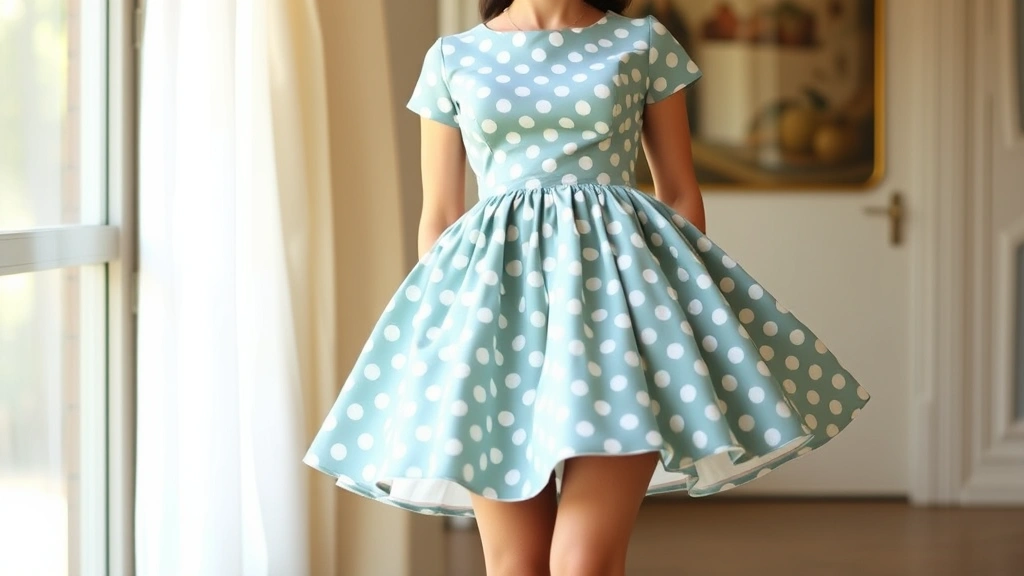
Perhaps the most recognizable silhouette of the 1950s, circle dresses featured voluminous skirts that required substantial petticoats to achieve their characteristic bell shape. These dresses typically fell to the knee or mid-calf, creating an hourglass figure that emphasized the waistline. The full skirt allowed for movement and playfulness, making them popular for casual occasions, dates, and social gatherings. Circle dresses often featured printed fabrics, bright colors, and whimsical patterns that reflected the decade’s optimistic spirit.
Sheath Dresses and Pencil Silhouettes
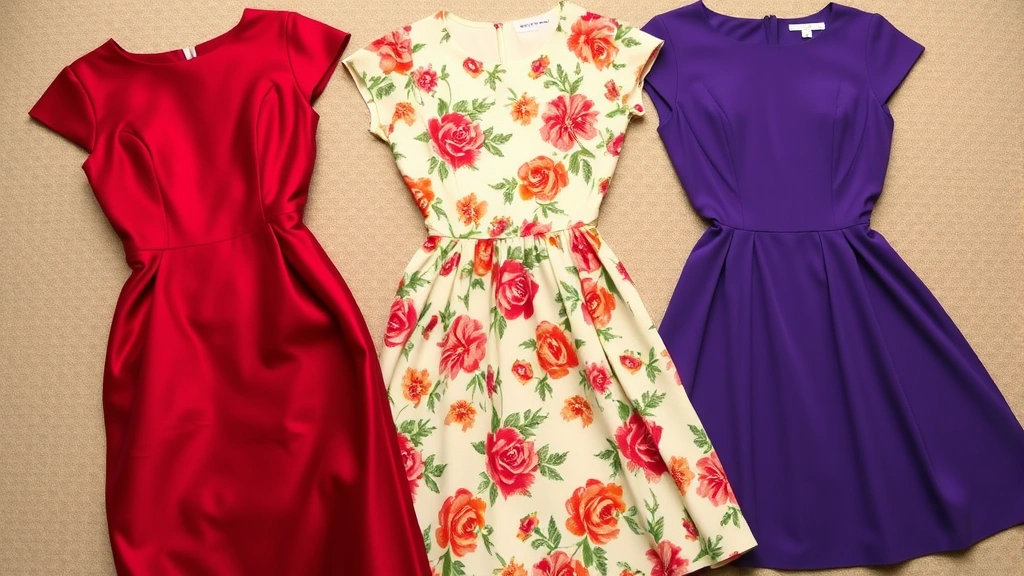
Contrasting the dramatic fullness of circle dresses, sheath and pencil dresses offered a sleek, sophisticated alternative. These form-fitting styles hugged the body’s natural contours, often featuring modest slits or pleats for movement. Sheath dresses represented a more mature, elegant aesthetic, favored for evening wear, professional settings, and upscale occasions. They typically featured simpler construction but impeccable tailoring, with attention to seaming and fit that created flattering proportions.
Fit-and-Flare Designs
The fit-and-flare silhouette combined the best of both worlds: a fitted bodice that emphasized the bust and waist, transitioning into a flared skirt. This versatile silhouette worked for numerous occasions and body types, making it one of the most commercially successful designs of the era. The fitted portion often featured darts, seaming, or ruching to create definition, while the flared skirt provided movement and visual interest.
Strapless and Sweetheart Necklines
Neckline treatments were crucial design elements in 50s fashion dresses. Strapless designs showcased the shoulders and décolletage, conveying elegance and femininity. Sweetheart necklines—featuring a curved, heart-shaped edge—became iconic through their association with romantic and feminine aesthetics. These neckline styles often appeared on both casual and formal dresses, always paired with structured bodices that provided support and flattering silhouettes.
Fabrics, Colors, and Design Details
Premium Fabric Choices
1950s fashion dresses were constructed from high-quality materials that contributed to their durability and elegant appearance. Cotton prints were popular for day dresses, featuring novelty patterns like polka dots, fruit motifs, and geometric designs. Silk taffeta and dupioni created crisp, structured garments that held their shape beautifully. Tulle and organza were layered for evening wear, creating ethereal, romantic effects. Velvet provided luxurious texture for holiday and formal occasions, while linen offered breathable comfort for warm-weather dressing.
Color Palettes and Pattern Trends
The 1950s embraced bold, saturated colors that reflected post-war optimism. Jewel tones like emerald, sapphire, and ruby dominated evening wear, while pastels—soft pink, mint green, butter yellow, and powder blue—characterized casual daywear. Prints were equally distinctive: polka dots represented playful femininity, while floral patterns suggested romance and natural beauty. Gingham and checked patterns offered a wholesome, girl-next-door aesthetic, while abstract and geometric prints provided modern sophistication.
Embellishments and Decorative Details
Ornamentation was essential to 50s fashion dresses. Beading and sequins adorned evening wear, creating glamorous effects that caught light and drew attention. Embroidery—particularly floral motifs—decorated both casual and formal pieces. Lace overlays, appliqués, and ribbons added romantic details, while buttons, often oversized or decorative, served both functional and aesthetic purposes. Peter Pan collars, puffed sleeves, and structured waistbands with decorative buckles provided distinctive silhouettes that remain instantly recognizable today.
Styling Your Vintage 50s Dresses for Modern Life
Revamping vintage 50s fashion dresses for contemporary wear requires thoughtful consideration of modern aesthetics while respecting the integrity of these classic pieces. Finding your personal style becomes especially important when integrating vintage pieces into a modern wardrobe, as authenticity and personal confidence enhance any outfit.
Casual Day Styling
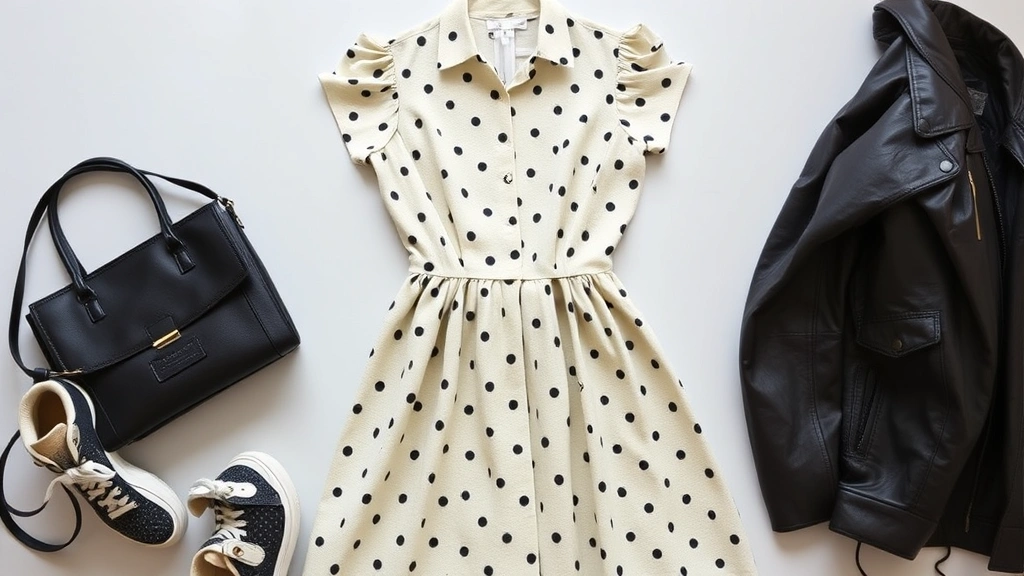
Transform a vintage circle dress into a contemporary casual look by pairing it with modern accessories. Flat shoes—including sneakers, loafers, or ballet flats—ground the feminine silhouette in contemporary reality. A denim or leather jacket adds edge and modernity, while a structured tote or minimalist handbag provides practical sophistication. Minimal jewelry and a sleek ponytail complete the look, allowing the dress to shine while maintaining current sensibilities.
Professional and Business Casual
A vintage sheath or fit-and-flare dress becomes office-appropriate when styled with tailored blazers, pointed-toe pumps, or sophisticated loafers. Add a structured handbag and classic jewelry—pearl earrings, a delicate watch, or understated necklace. This approach honors the dress’s elegance while meeting contemporary professional standards. The 50s emphasis on polished presentation aligns naturally with professional environments, making vintage dresses particularly suitable for business settings.
Evening and Special Occasions
Vintage 50s evening dresses require minimal styling intervention. Pair them with classic heels, a structured clutch, and statement jewelry that complements rather than competes with the dress. Consider your hair and makeup as integral components of the look—channel vintage glamour through victory rolls, cat-eye liner, or red lipstick if these elements align with your personal style. Alternatively, pair the dress with modern hair and makeup for an intriguing juxtaposition of eras.
Seasonal Adaptations
Layer vintage dresses seasonally to extend their wearability. Pair sleeveless summer dresses with cardigans, boleros, or shrugs during cooler months. Sheer stockings or tights can be added for warmth and visual interest. Consider the dress’s weight and fabric when determining appropriate seasons; cotton prints suit warm weather, while velvet and heavier fabrics transition naturally to fall and winter.
Where to Find Authentic 50s Fashion Dresses
Vintage Boutiques and Consignment Shops
Specialized vintage retailers curate selections of authentic 50s fashion dresses, often providing expert knowledge about authenticity, sizing, and condition. These establishments typically authenticate pieces, clean garments professionally, and offer reasonable pricing structures. Building relationships with local vintage shop owners provides access to new inventory before general public availability and potential discounts for regular customers.
Online Vintage Marketplaces
Platforms like Etsy, Vestiaire Collective, and Depop connect buyers with vintage sellers worldwide, offering unprecedented selection and competitive pricing. However, online shopping requires careful attention to measurements, detailed photographs, and seller ratings. Request additional images, measurements, and condition information before purchasing, and verify return policies thoroughly.
Estate Sales and Auctions
Estate sales, auctions, and antique fairs offer opportunities to discover exceptional vintage finds at potentially lower prices than specialized boutiques. These venues require patience, research, and sometimes attendance at inconvenient times and locations, but rewards can include unique pieces and exceptional values. Understanding 50s fashion dresses enables you to recognize quality and authenticity when examining pieces in person.
Family Collections and Inheritance
Many individuals possess vintage 50s dresses through family inheritance. These pieces carry personal history and significance beyond their fashion value. If you’re inheriting or gifted a vintage dress, research its provenance, condition, and styling possibilities to honor its history while incorporating it into contemporary life.
Restoration and Care for Vintage Pieces
Professional Cleaning
Before wearing or storing vintage 50s fashion dresses, professional dry cleaning by specialists experienced with delicate vintage garments is essential. Improper cleaning can damage fabrics, fade colors, or compromise structural integrity. Request hand-pressing rather than machine pressing to protect delicate details. Inform cleaners about specific concerns—beading, embroidery, or fragile seams—to ensure appropriate handling.
Repair and Alteration Considerations
Minor repairs may be necessary for vintage dresses, including reattaching buttons, mending small tears, or reinforcing seams. However, significant alterations should be approached cautiously. Modifying a vintage piece diminishes its authenticity and potential value. Consider whether the dress serves your needs in its current form before undertaking major alterations. If modifications are necessary, work with tailors experienced in vintage clothing who understand appropriate techniques and materials.
Storage Best Practices
Proper storage preserves vintage dresses for years of enjoyment. Store garments in acid-free tissue paper within breathable garment bags—never plastic, which traps moisture and encourages deterioration. Avoid direct sunlight, excessive heat, and humidity fluctuations. Hang dresses on padded hangers or fold them carefully, placing tissue paper between folds to prevent creasing. Regular inspection for moths, mildew, or other damage ensures early intervention if problems develop.
Stain Removal and Maintenance
Address stains promptly but gently. Test any cleaning solution on inconspicuous areas first. For most stains, cold water and mild soap suffice, applied gently with a soft cloth. Avoid harsh chemicals, bleach, or vigorous scrubbing. When in doubt, consult professional cleaners rather than risk damaging valuable vintage pieces.
Mixing Decades: Pairing 50s Dresses with Modern Accessories
The art of styling vintage 50s fashion dresses involves thoughtful integration with contemporary accessories that create intentional juxtapositions rather than incongruous clashing.
Footwear Choices
While vintage heels complement 50s dresses beautifully, modern footwear options provide versatility. Contemporary sneakers—particularly minimalist or classic styles—create interesting contrasts with feminine vintage silhouettes. Pointed-toe flats, loafers, and ankle boots offer sophisticated alternatives to traditional pumps. The key lies in intentionality: pair modern shoes with vintage dresses deliberately, creating a curated aesthetic rather than appearing accidentally mismatched.
Handbag and Accessory Pairing
Modern structured handbags complement vintage dresses effectively, particularly minimalist designs in neutral colors or bold contemporary styles. Avoid overstuffing vintage dresses with contemporary accessories; instead, select one or two statement pieces that anchor the look. A single bold necklace, substantial earrings, or structured handbag provides focal points without overwhelming the dress’s inherent elegance.
Jewelry Approach
Contemporary jewelry styles can enhance vintage dresses when chosen thoughtfully. Minimalist geometric pieces provide modern contrast to ornate vintage details, while delicate contemporary jewelry complements simpler dress designs. Mixing vintage and modern jewelry—such as a vintage brooch with contemporary earrings—creates intentional eclecticism that feels sophisticated rather than confused.
Outerwear Integration
Modern outerwear dramatically impacts how vintage dresses read in contemporary contexts. A leather biker jacket instantly modernizes a feminine 50s dress, while a tailored blazer maintains elegance. Oversized cardigans, denim jackets, or contemporary coats provide layering solutions that feel current while respecting the dress’s vintage roots. Explore different fashion types and styles to understand how various outerwear choices create distinct aesthetic effects.
Hairstyle and Makeup Considerations
Your hair and makeup choices significantly influence how vintage dresses read in modern contexts. Authentic 50s styling—victory rolls, cat-eye liner, red lipstick—creates cohesive vintage aesthetics, while contemporary hairstyles and makeup provide interesting contrasts. Contemporary messy buns, sleek ponytails, or modern makeup techniques paired with vintage dresses create intentional anachronisms that feel fashion-forward rather than costume-like. Choose approaches that align with your personal comfort and style preferences.
Explore 90s fashion trends to understand how different eras approach vintage styling, recognizing that each decade brings unique perspectives to incorporating historical pieces into contemporary wardrobes. The 90s grunge movement, for instance, pioneered pairing vintage pieces with modern styling in ways that influenced contemporary fashion approaches.
Consider consulting Harper’s Bazaar and other fashion publications for contemporary styling inspiration that demonstrates how current fashion editors approach vintage integration. These resources provide valuable examples of how professional stylists balance vintage authenticity with modern sensibilities.
Creating Intentional Style Narratives
The most successful vintage styling creates intentional narratives rather than accidental mismatches. Decide whether you’re presenting an entirely vintage aesthetic, a contemporary look featuring a vintage statement piece, or an eclectic mix of eras. This intentionality communicates confidence and style awareness, transforming vintage pieces from costumes into sophisticated wardrobe components. Your choices signal that you’ve thoughtfully curated your appearance rather than randomly combining pieces.
Visit Style Loom Daily Blog for ongoing fashion articles and trends that provide context for contemporary styling approaches. Understanding current fashion discourse helps vintage pieces feel integrated rather than anachronistic.
FAQ
What size should I expect when purchasing vintage 50s fashion dresses?
Vintage sizing differs significantly from contemporary standards. A 1950s size 8 typically corresponds to modern sizes 0-2, as women’s sizing has shifted dramatically. Always request detailed measurements from sellers—bust, waist, hip, and length—rather than relying on labeled sizes. Remember that vintage dresses often featured structured undergarments and different fit expectations than modern clothing.
How can I authenticate a vintage 50s dress?
Authentic 50s dresses feature period-appropriate labels, construction techniques, and fabrics. Examine seams, hems, and closures for hand-stitching or construction methods specific to the era. Research the label—many 50s manufacturers no longer exist, while others continue operating. Fabric content, printing techniques, and dye methods reflect era-specific technology. When purchasing from reputable vintage retailers, authentication becomes less crucial, as dealers stake their reputations on authenticity.
Can I wear a vintage 50s dress to modern events?
Absolutely. Vintage 50s dresses work beautifully for numerous contemporary occasions. Casual circle dresses suit informal gatherings, while sheath and formal styles transition seamlessly to weddings, cocktail parties, and evening events. The key lies in styling them appropriately for specific occasions and contexts, ensuring they read as intentional style choices rather than costume pieces.
What should I do if a vintage 50s dress doesn’t fit perfectly?
Minor alterations—hemming, taking in seams slightly, or adjusting shoulder seams—are acceptable for vintage dresses you plan to wear regularly. However, significant modifications diminish authenticity and value. If a dress doesn’t fit well, consider whether it suits your lifestyle or whether you should seek alternative pieces. Remember that vintage dresses often featured different fit expectations than contemporary clothing, so trying different undergarments or styling approaches might improve fit without alterations.
Are vintage 50s dresses suitable for everyday wear?
Yes, many vintage 50s dresses function beautifully for everyday wear. Casual printed dresses, particularly cotton circle dresses, offer comfort and practicality for daily activities. However, some pieces—particularly those featuring delicate beading, extensive embroidery, or fragile fabrics—suit special occasions better. Choose pieces based on your lifestyle and wear them confidently, understanding that well-maintained vintage clothing becomes more beautiful and character-filled with appropriate use.
Where can I learn more about 50s fashion history?
Fashion history resources, museum exhibitions, and dedicated websites provide comprehensive information about 1950s fashion. The Metropolitan Museum of Art offers online collections and articles examining 50s fashion in historical context. Fashion history books, documentaries, and podcasts provide accessible education about the era’s cultural and aesthetic significance. Understanding historical context enriches appreciation for vintage pieces and informs styling choices.
How do I style a vintage 50s dress for a professional environment?
Choose simpler designs—sheath dresses or fit-and-flare styles without excessive embellishment—for professional settings. Pair them with tailored blazers, pointed-toe pumps or sophisticated flats, and structured handbags. Minimize jewelry to professional-appropriate levels, maintain polished grooming standards, and ensure the dress’s condition appears pristine. The 50s emphasis on polish and professionalism aligns naturally with business environments, making appropriately styled vintage dresses excellent professional wardrobe choices.