
2000s Mens Fashion Trends: Expert Insights into the Decade That Defined Modern Style
The 2000s represented a transformative era for men’s fashion, where bold experimentation met street-level authenticity. This decade witnessed an unprecedented collision of high fashion, hip-hop culture, athletic wear, and minimalist design principles that continue to influence contemporary menswear today. From oversized silhouettes to skinny jeans, from trucker hats to designer hoodies, the 2000s gave us a diverse fashion landscape that celebrated individuality while establishing trends that would dominate wardrobes for years to come. Understanding fashion types and categories helps us appreciate how the 2000s bridged multiple style movements into one cohesive decade.
What made 2000s fashion trends for men particularly influential was their democratic nature. Unlike previous decades where fashion hierarchies were strictly defined, the 2000s allowed men from all walks of life to participate in trend-setting. Whether you were influenced by skate culture, hip-hop, luxury fashion houses, or Japanese minimalism, there was a space for your aesthetic. This era fundamentally changed how men approached personal style, introducing concepts that remain relevant in our current fashion landscape. By exploring how to find your personal style, modern men can trace their aesthetic choices back to these foundational 2000s movements.
Early 2000s Maximalism and Logomania
The early years of the 2000s were characterized by an unapologetic celebration of luxury branding and visible logos. Men’s fashion embraced what became known as “logomania,” where designer insignias, monograms, and brand names were displayed prominently across clothing and accessories. This wasn’t about subtle sophistication; it was about making a statement through recognizable brand markers. Designers like Louis Vuitton, Gucci, and Fendi created pieces where the logo was the focal point, not an afterthought. Oversized silhouettes paired with chunky accessories created a maximalist aesthetic that dominated fashion magazines and red carpets alike.
This logomania era reflected broader cultural attitudes about status and consumption in the early 2000s. Men who could afford luxury brands weren’t shy about displaying their purchases. Monogrammed tracksuits, logo-emblazoned belts, and branded baseball caps became status symbols that transcended traditional class boundaries. The rise of hip-hop culture amplified this trend, as rappers and musicians celebrated material success through their fashion choices. Understanding this period helps contextualize how fashion articles and guides discuss brand consciousness in modern menswear.
However, this maximalist approach also spawned criticism. Fashion critics questioned whether visible logos represented authentic style or merely reflected consumer culture. This debate would eventually lead to a countermove toward minimalism and logo-free aesthetics by the mid-2000s. Yet the logomania era established important precedents: it democratized luxury, making designer pieces aspirational for broader audiences, and it proved that men’s fashion could be playful, bold, and unapologetically decorative.
Hip-Hop Culture’s Fashion Dominance
No discussion of 2000s men’s fashion trends is complete without acknowledging hip-hop’s profound influence. Artists like Jay-Z, Kanye West, 50 Cent, and Nelly didn’t just wear clothes; they created cultural movements through their sartorial choices. Hip-hop fashion in the 2000s was characterized by oversized silhouettes, baggy jeans, Timberland boots, and designer brands like Rocawear, Ecko, and Sean John. These artists transformed streetwear into high fashion, proving that style emerging from urban communities deserved recognition on the same level as traditional luxury fashion houses.
The hip-hop influence extended beyond casual wear. Oversized polo shirts, Nautica jackets, and Carhartt pieces became status symbols within hip-hop culture, despite their humble working-class origins. This cultural reclamation of utilitarian clothing represented a significant shift in menswear philosophy. Men could now wear work boots and baggy jeans and be considered fashionable, not just practical. This democratization of style opened doors for other subcultures to assert their aesthetic values. When exploring 90s fashion trends, we can trace how 2000s hip-hop built upon and transformed 1990s foundations.
Kanye West’s collaboration with Nike on the Air Force 1, his work with luxury brands, and his eventual fashion line demonstrated that hip-hop artists could transcend the role of trend-followers and become legitimate fashion designers. This shift elevated streetwear from subculture to mainstream fashion, a transformation that accelerated throughout the decade and continues today. The 2000s proved that authentic street style, rooted in real communities and genuine cultural expression, possessed more lasting power than manufactured luxury trends.
The Streetwear Revolution
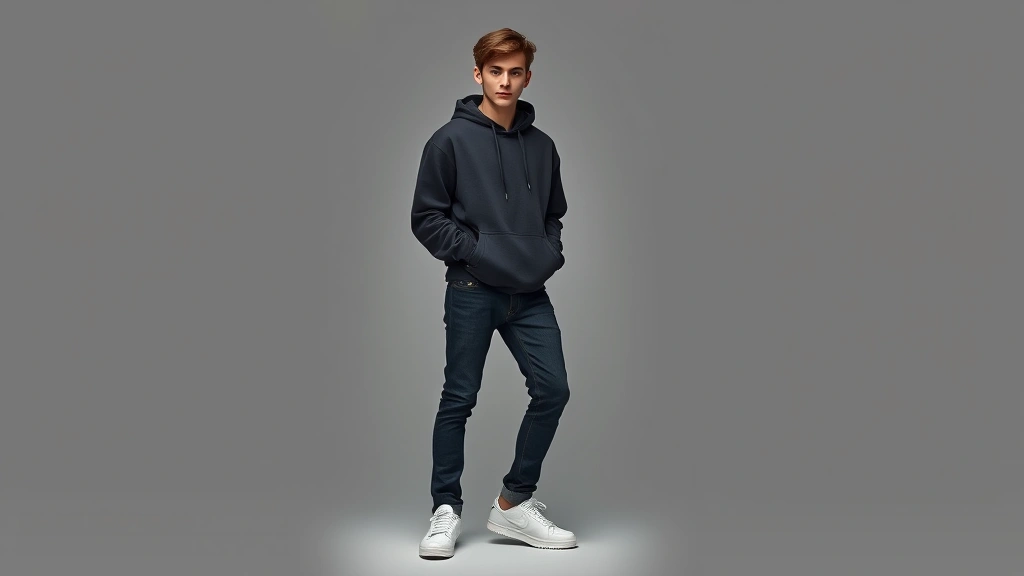
Streetwear emerged as one of the most significant fashion movements of the 2000s, representing a fusion of skate culture, hip-hop aesthetics, Japanese design philosophy, and youth rebellion. Brands like Supreme, Stüssy, A Bathing Ape (BAPE), and Vans became cultural institutions, with limited releases creating demand that rivaled high fashion. Men’s streetwear in the 2000s rejected the formality of traditional menswear, instead celebrating comfort, functionality, and subcultural authenticity. Graphic t-shirts, hoodies, cargo pants, and sneakers became the uniform of style-conscious young men worldwide.
The genius of 2000s streetwear was its ability to blend multiple influences into coherent collections. Japanese designers like Nigo of BAPE introduced meticulous craftsmanship and innovative design to streetwear, elevating it beyond simple casual clothing. The result was pieces that functioned as both comfortable everyday wear and collectible fashion items. Sneaker culture exploded during this period, with limited releases of Air Jordans, Nike SBs, and other exclusive kicks becoming objects of genuine desire and investment. This sneaker obsession established collecting as a legitimate aspect of men’s fashion.
Streetwear’s rise during the 2000s democratized fashion in unprecedented ways. You didn’t need expensive tailoring or designer logos to be fashionable; you needed authenticity, knowledge, and the ability to curate pieces that expressed your personal aesthetic. This shift empowered men to develop individual style rather than simply adopting designer uniforms. The streetwear movement also established the concept of “drops” and limited releases, creating artificial scarcity that made even relatively affordable pieces feel exclusive and desirable. These principles continue to dominate contemporary menswear marketing and consumer behavior.
Minimalist and Japanese Influences
As the 2000s progressed, a countermovement emerged against logomania and maximalism. Minimalism, heavily influenced by Japanese design philosophy, offered an alternative vision for men’s fashion. Designers like Yohji Yamamoto, Rei Kawakubo of Comme des Garçons, and Jun Takahashi of Undercover championed clean lines, neutral color palettes, and functional design. Their influence introduced men to concepts like intentional silhouettes, fabric innovation, and the beauty of simplicity. Japanese minimalism in the 2000s wasn’t about wearing less; it was about being intentional about every piece in your wardrobe.
This minimalist aesthetic particularly appealed to men seeking sophistication without ostentation. Neutral tones—black, white, gray, navy—became the foundation of refined 2000s wardrobes. Pieces were tailored but not tight, comfortable but not baggy. Fabrics received careful consideration; quality mattered more than quantity. This approach represented a maturation of men’s fashion consciousness, suggesting that true style involved understanding proportion, color theory, and personal aesthetic rather than simply accumulating branded pieces. The influence of fashion style guides during this era often emphasized Japanese minimalist principles as the height of sophistication.
Japanese streetwear brands brought together minimalism and functionality in ways that proved immensely influential. BAPE’s ability to combine playful graphics with clean silhouettes, Undercover’s attention to detail, and Neighborhood’s workwear-inspired aesthetic showed that minimalism could be exciting and visually interesting. These brands proved that restraint didn’t mean boring. The Japanese influence on 2000s men’s fashion established principles that would become foundational to contemporary menswear: quality over quantity, intentionality over trend-chasing, and the belief that less can genuinely be more.
Denim Evolution and Skinny Jeans
Few fashion items experienced as dramatic a transformation in the 2000s as denim. The decade witnessed denim’s evolution from simple workwear to a canvas for fashion experimentation. Early 2000s denim featured baggy silhouettes, heavy distressing, and visible stitching details. Brands like Ecko, Sean John, and FUBU created oversized jeans with elaborate embroidery and pocket designs. However, as the decade progressed, silhouettes gradually slimmed down, culminating in the skinny jeans phenomenon that dominated the late 2000s.
The skinny jeans trend, influenced by indie rock culture and fashion-forward designers, represented a dramatic departure from hip-hop’s baggy aesthetic. Suddenly, fitted silhouettes became fashionable, and men who had worn oversized jeans for years began experimenting with tighter fits. This transition wasn’t instantaneous; it occurred gradually through “slim fit” and “straight leg” phases. British designer brands like Topshop and American designers like Nudie Jeans promoted premium denim that emphasized fit, fabric quality, and subtle detailing over visible logos. Raw denim—unwashed, rigid jeans that softened and faded with wear—became valued for its authenticity and personal customization potential.
The denim revolution of the 2000s established jeans as legitimate fashion pieces rather than casual basics. Men began paying premium prices for specific brands, fits, and washes. Vintage denim collecting became a serious pursuit. The rise of denim blogs and online communities dedicated to discussing fabric, fit, and fading demonstrated that men were increasingly engaged in fashion discussion and experimentation. This cultural shift elevated menswear discourse and proved that men cared deeply about clothing construction and aesthetic detail.
Iconic Accessories and Footwear
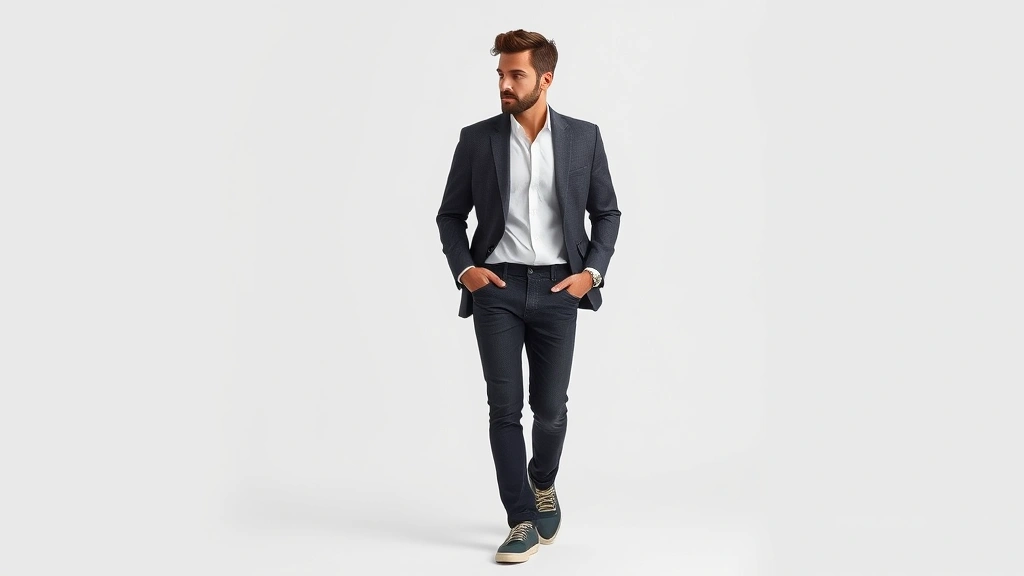
The 2000s produced several iconic accessories that defined the era’s aesthetic. Trucker hats, initially associated with skate culture and rural Americana, became ubiquitous fashion accessories. Oversized sunglasses, particularly those with thick frames, dominated celebrity culture. Vintage band t-shirts became prized possessions, often worn under graphic tees for layered effects. Chains, both thick gold chains and delicate silver variations, represented different subcultural affiliations and style philosophies. Belts became statement pieces—whether oversized leather belts with prominent buckles or logo-emblazoned designer versions.
Footwear in the 2000s was equally diverse. Sneakers reigned supreme, with Air Force 1s, Air Jordans, Nike SBs, and Vans dominating men’s wardrobes. Skate shoes offered durability and subcultural credibility. Timberland boots represented both rugged authenticity and hip-hop style. Loafers and dress shoes remained relevant for formal occasions but received less fashion attention than casual footwear. The 2000s essentially established sneakers as legitimate dress code options across multiple social contexts, a transformation that continues influencing contemporary menswear.
Bags and backpacks received significant fashion attention during the 2000s. Messenger bags, initially practical work accessories, became fashion statements. Vintage military backpacks and canvas bags offered functional style. Designer bags by Louis Vuitton and Gucci signaled luxury status. The variety of bag options available reflected broader 2000s menswear philosophy: authenticity came from intentional choices, whether you selected a functional utility piece or a status-symbol designer item. Understanding these accessory choices helps contextualize fashion history timelines and how accessories shape overall aesthetic narratives.
Late 2000s Shift Towards Sophistication
By the late 2000s, men’s fashion began shifting toward greater sophistication and refinement. The recession influenced fashion choices, encouraging investment in quality basics over trendy pieces. Tailoring became increasingly important, with slim-fitting suits and well-constructed separates replacing baggy silhouettes. The rise of “smart casual” as a dress code reflected men’s desire for clothing that functioned across multiple contexts. Designers began exploring vintage influences, with 1970s aesthetics, military styling, and workwear heritage becoming sources of inspiration.
This shift toward sophistication didn’t mean abandoning the innovations of early 2000s fashion. Rather, designers synthesized multiple influences into more cohesive, mature aesthetics. Streetwear principles—particularly the emphasis on quality and intentionality—merged with traditional tailoring. Premium denim became increasingly refined. Sneakers evolved with collaborations between luxury designers and sportswear brands. The late 2000s represented a maturation of men’s fashion consciousness, suggesting that the industry had moved beyond shock value toward genuine design innovation.
Influential designers like Vogue fashion editors and style experts began recognizing that the most compelling menswear synthesized multiple influences. Rick Owens’ architectural silhouettes, Thom Browne’s deconstruction of traditional tailoring, and Raf Simons’ conceptual approach to design represented the intellectual direction menswear was heading. These late 2000s developments established principles that continue defining contemporary menswear: respect for craftsmanship, intentionality about silhouette, and the belief that men’s fashion could be intellectually rigorous and visually compelling simultaneously.
FAQ
What were the biggest 2000s fashion trends for men?
The biggest trends included oversized silhouettes and logomania in the early 2000s, hip-hop influenced baggy jeans and Timberland boots, streetwear and sneaker culture, minimalist Japanese design influences, and the evolution toward skinny jeans by decade’s end. Accessories like trucker hats, oversized sunglasses, and chain necklaces also defined the era.
How did hip-hop influence 2000s men’s fashion?
Hip-hop artists like Jay-Z, Kanye West, and 50 Cent became fashion icons, popularizing oversized silhouettes, premium sneakers, designer brands like Rocawear and Sean John, and Timberland boots. Hip-hop proved that streetwear could rival traditional luxury fashion, fundamentally democratizing menswear and establishing that authentic style emerged from real communities rather than solely from established fashion houses.
Why did skinny jeans become popular in the late 2000s?
Skinny jeans emerged as a reaction against early 2000s baggy silhouettes, influenced by indie rock culture and fashion-forward designers. They represented a shift toward tailored, fitted aesthetics and elevated denim as a premium fashion item rather than casual basic. The trend reflected broader moves toward sophistication and intentional design that characterized late 2000s menswear.
What role did streetwear play in 2000s fashion?
Streetwear democratized fashion by celebrating authenticity, functionality, and subcultural credibility over designer logos. Brands like Supreme, BAPE, and Stüssy created collectible pieces through limited releases, establishing sneaker culture and the concept of fashion “drops.” Streetwear proved that style could emerge from youth culture and skate communities, not just established fashion houses.
How did Japanese design influence 2000s menswear?
Japanese designers introduced minimalist principles, innovative fabric technology, and meticulous craftsmanship to menswear. Designers like Yohji Yamamoto and brands like BAPE and Undercover championed clean lines, neutral palettes, and functional design. Japanese influence elevated men’s fashion consciousness by emphasizing intentionality, quality, and the beauty of simplicity over logomania.
What accessories defined 2000s men’s fashion?
Iconic accessories included trucker hats, oversized sunglasses, vintage band t-shirts, chain necklaces, and statement belts. Footwear was equally important, with Air Force 1s, Air Jordans, Nike SBs, Vans, and Timberland boots dominating wardrobes. Messenger bags and vintage backpacks offered functional style, reflecting broader 2000s menswear philosophy about intentional accessory choices.