Korean Men Fashion Trends: Expert Insights into Contemporary Style
Korean men’s fashion has evolved into a global phenomenon, captivating style enthusiasts worldwide with its innovative approach to contemporary menswear. From Seoul’s bustling fashion districts to international runways, Korean men fashion represents a compelling blend of traditional aesthetics and cutting-edge modernity. This trend-forward movement challenges conventional masculinity in fashion, celebrating experimentation, precision tailoring, and an unapologetic embrace of beauty and self-expression.
The influence of Korean culture on global fashion cannot be overstated. Korean entertainment, music, and celebrity culture have positioned the nation as a style authority, with K-pop idols and Korean actors serving as fashion ambassadors who shape trends across continents. What began as a regional phenomenon has transformed into an influential force that major fashion houses and designers now actively study and incorporate into their collections.
Understanding Korean men’s fashion requires exploring its foundational elements, the key players driving innovation, and the practical ways modern men can incorporate these aesthetics into their personal wardrobes. This comprehensive guide offers expert insights into why Korean men fashion continues to dominate global style conversations.
The Foundation of Korean Men Fashion Philosophy
At its core, Korean men fashion operates on a philosophy that diverges significantly from Western menswear conventions. Rather than adhering strictly to masculinity codes that prioritize oversized silhouettes and minimal adornment, Korean fashion embraces tailored fits, intentional proportions, and thoughtful accessorizing. This approach reflects broader cultural values emphasizing harmony, balance, and aesthetic refinement.
The foundation rests on several key principles. First, precision tailoring creates silhouettes that flatter rather than conceal the body. Second, intentional proportion play uses contrasting fits—fitted tops with relaxed bottoms, or vice versa—to create visual interest. Third, quality over quantity emphasizes investment pieces that demonstrate craftsmanship and longevity. Finally, individual expression encourages men to experiment with colors, textures, and combinations that reflect personal identity rather than conforming to restrictive masculine stereotypes.
Korean designers have long understood that fashion style serves as a powerful communication tool. Unlike some Western traditions that view fashion as frivolous, Korean culture celebrates sartorial choices as legitimate forms of self-presentation and artistic expression. This cultural foundation has created an environment where innovation thrives and experimentation is celebrated.
The historical context matters significantly. Korea’s rapid economic development created a unique position where traditional craftsmanship met modern manufacturing capabilities. Korean brands emerged with fresh perspectives unburdened by decades of rigid menswear traditions, allowing them to innovate freely. This combination of cultural openness and manufacturing excellence positioned Korean fashion as a genuine alternative to established Western fashion hierarchies.
Key Silhouettes and Cuts Defining the Aesthetic
Understanding specific silhouettes proves essential for anyone seeking to incorporate Korean men fashion into their wardrobe. These cuts have become instantly recognizable markers of contemporary Korean style.
The Slim-Tapered Fit represents the foundational silhouette in Korean menswear. Unlike the overly skinny fits of the 2010s, contemporary Korean fashion favors tailored cuts that follow body contours without appearing restrictive. Trousers taper gradually from hip to ankle, creating an elegant line that works across body types. Shirts feature fitted shoulders and chest areas while maintaining enough room for comfortable movement.
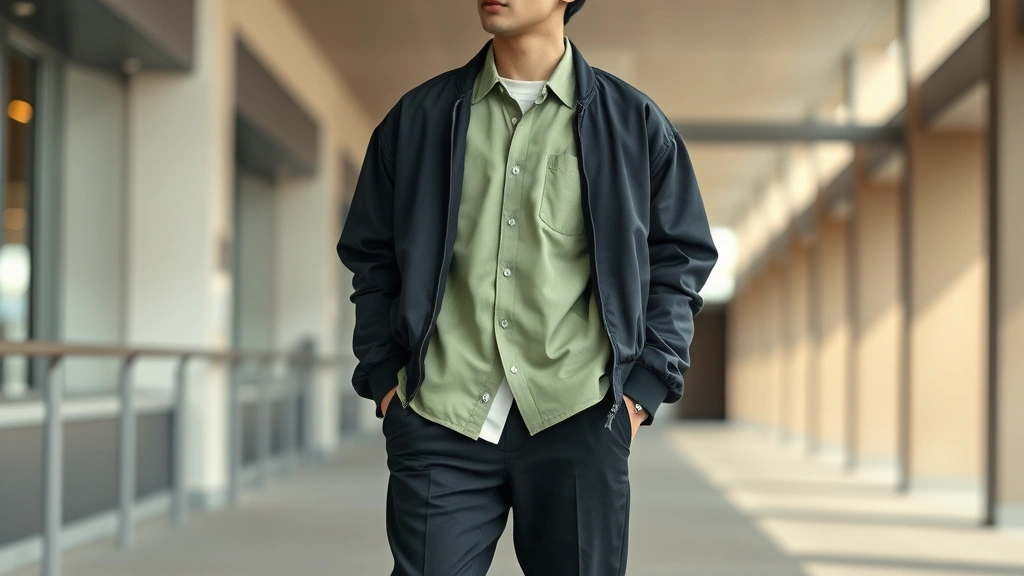
Oversized Layering Pieces provide essential contrast. Oversized shirts, blazers, and jackets serve as outer layers that drape beautifully over fitted base layers. This proportion play creates visual sophistication and allows for seasonal adaptability. The oversized pieces maintain structure through quality fabrics and precise construction rather than simply hanging shapeless.
Cropped and Shortened Hemlines characterize modern Korean men fashion. Trousers often hit just above the ankle, revealing socks or bare skin—a deliberate design choice that breaks Western conventions. Shirts and sweaters sometimes crop slightly shorter, creating proportion balance with higher-waisted trousers. This approach demands confidence but creates distinctly contemporary silhouettes.
Relaxed Wide-Leg Silhouettes have gained prominence in recent seasons. As Korean fashion evolves, looser cuts appear in specific pieces—wide-leg trousers, oversized shirts, and voluminous sleeves—balanced with fitted elements elsewhere. This evolution demonstrates that Korean fashion continues developing rather than remaining static.
When exploring fashion types, Korean menswear stands distinct through its silhouette vocabulary. The precision in construction means even dramatically oversized pieces maintain intentional shape rather than appearing accidental or poorly fitted.
Color Palettes and Fabric Innovation
Korean men fashion demonstrates sophisticated color theory application that challenges traditional masculine palettes. While neutral tones remain foundational, Korean designers actively incorporate unexpected colors and combinations.
Neutral Foundations provide the base: blacks, charcoals, grays, whites, creams, and beiges dominate Korean menswear. These colors offer versatility and allow other elements—textures, fits, and accessories—to become focal points. The quality and tone of these neutrals matter tremendously; Korean brands invest in fabrics that display subtle depth and visual interest even in seemingly simple colors.
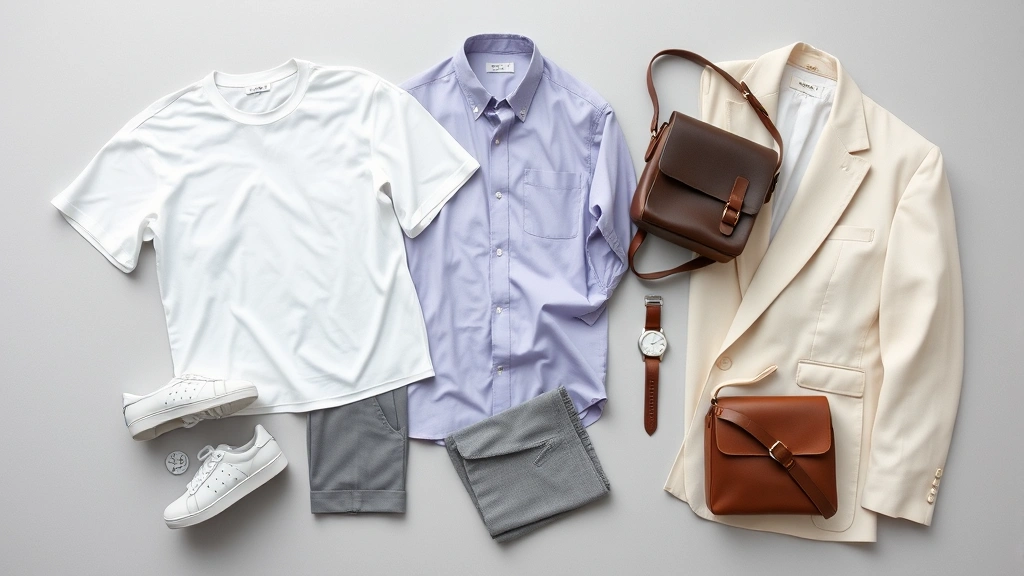
Accent Colors appear strategically rather than dominantly. Soft pastels—particularly lavender, mint, and powder blue—have become signature Korean fashion colors. These gentle hues avoid aggression while introducing personality. Deeper jewel tones appear in specific pieces rather than full outfits. Terracotta, sage green, and dusty rose represent increasingly popular choices that feel contemporary without appearing trendy.
Monochromatic Dressing represents a core Korean fashion strategy. Wearing multiple shades of the same color creates sophisticated, elongated silhouettes. A charcoal sweater paired with lighter gray trousers and darker gray shoes creates visual harmony while appearing intentionally curated rather than accidentally matchy.
Fabric Innovation distinguishes Korean men fashion from mass-market alternatives. Korean manufacturers have pioneered technical fabrics that combine aesthetics with functionality: moisture-wicking materials that maintain elegant appearance, wrinkle-resistant cottons, and blended fabrics offering superior drape. Textures play crucial roles—ribbed knits, quilted materials, and structured cotton create visual interest in monochromatic outfits.
According to Vogue, Korean fashion houses have significantly influenced global fabric development, pushing manufacturers toward innovation that serves both aesthetic and practical purposes. This commitment to quality textiles separates intentional Korean fashion from fast-fashion imitations.
Accessory Culture and Detail Obsession
If Korean men fashion possesses a defining characteristic beyond silhouette, it’s the obsessive attention to accessories and details. Korean style celebrates what might seem like minor elements as essential components of cohesive dressing.
Socks as Statement exemplify this philosophy. Rather than matching socks invisibly to shoes, Korean fashion encourages intentional sock choices. Patterned socks, bold colors, and textured materials become visible through cropped trouser lengths. This detail signals confidence and intentionality—the wearer clearly considered every element.
Bags and Accessories receive comparable attention. Small crossbody bags, structured backpacks, and precise leather goods appear in every outfit. These pieces rarely serve purely functional purposes; they’re selected for design merit and color coordination. Korean brands excel at creating accessories that feel essential rather than supplementary.
Explore our complete guide to fashion accessories to understand how these elements elevate overall presentation. In Korean fashion, accessories represent opportunities for personality expression within structured silhouettes.
Jewelry and Watches appear more prominently in Korean men fashion than in many Western traditions. Delicate silver chains, minimal rings, and statement watches integrate seamlessly into outfits. The jewelry tends toward understated elegance rather than conspicuous display, maintaining the overall aesthetic harmony.
Hair and Grooming Details complete the accessory picture. Korean men fashion demands meticulous attention to haircuts, styling, and skincare. The precision visible in clothing extends to personal grooming—haircuts feature sharp lines and intentional styling rather than casual tousling. This holistic approach to appearance reflects the cultural value placed on self-presentation.
The Role of K-Pop and Celebrity Influence
Understanding contemporary Korean men fashion requires acknowledging the outsized influence of K-pop idols and Korean entertainment celebrities. These figures function as fashion authorities whose style choices inspire millions globally.
K-pop idols operate as style innovators within the Korean fashion ecosystem. Their stylists collaborate with designers, creating looks that simultaneously feel aspirational and achievable. Unlike some celebrity fashion that seems inaccessible, K-pop styling often emphasizes pieces from accessible brands mixed with luxury items—a strategy that democratizes Korean fashion and encourages broader adoption.
The Korean Fashion Association has documented how entertainment industry styling drives consumer behavior and brand development. When popular idols wear specific brands or silhouettes, those items sell out within hours. This immediate market response has trained Korean designers to think strategically about celebrity partnerships and media visibility.
Korean actors and models contribute equally to fashion influence. Television dramas showcase styling that translates directly to consumer purchases. A character wearing a specific sweater in a popular drama can create sudden demand for that exact piece. This phenomenon demonstrates how integrated fashion has become within Korean entertainment and culture.
International Celebrity Adoption has amplified Korean men fashion’s global reach. When non-Korean celebrities embrace Korean fashion elements—fitted silhouettes, pastel colors, precise accessories—it validates the aesthetic for international audiences. This cross-cultural adoption creates a feedback loop where Korean fashion becomes increasingly aspirational globally.
Streetwear and Casual Elegance
Korean men fashion excels at transforming casual wear into intentional style statements. The distinction between “just running errands” and “carefully considered outfit” essentially disappears in Korean fashion philosophy.
Elevated Casual Wear represents the practical application of Korean fashion principles. A simple white t-shirt becomes a style foundation when paired with tailored trousers, precise accessories, and quality construction. Sneakers transition from utilitarian to style statements through intentional selection and coordination with outfit elements.
Sneaker Culture within Korean fashion deserves particular attention. Rather than favoring chunky athletic shoes, Korean men fashion celebrates clean, minimalist sneaker designs. White leather sneakers with subtle branding, low-profile silhouettes, and quality construction dominate. These shoes coordinate seamlessly with both casual and slightly dressy outfits, providing versatile foundations.
Layering for Visual Interest allows casual wear to feel sophisticated. A simple outfit—white tee, gray trousers—becomes distinctive through layering an oversized shirt or lightweight jacket. The layering serves both practical and aesthetic purposes, demonstrating how Korean fashion integrates functionality with style.
Streetwear in Korean fashion rarely appears sloppy or deliberately destructed. Even distressed elements feature intentional placement and precise execution. This approach maintains the overall aesthetic coherence that characterizes Korean men fashion.
Layering Techniques and Seasonal Adaptation
Layering represents perhaps the most essential skill for mastering Korean men fashion. The technique allows year-round style application while managing practical temperature concerns.
The Three-Layer System provides a foundation for Korean fashion layering. The base layer typically features fitted, neutral-colored shirts or long-sleeves. The middle layer introduces an oversized shirt, lightweight sweater, or structured jacket. The outer layer adds a blazer, bomber jacket, or outerwear piece. This system creates visual interest through proportion play while remaining practical.
Seasonal Variations modify this approach without abandoning core principles. Summer layering might feature lightweight linen shirts over fitted tees, while winter incorporates thicker sweaters and structured outerwear. The silhouettes and proportions remain consistent even as fabrics and weights adjust seasonally.
Texture Combinations enhance layered outfits. Pairing ribbed knit with smooth cotton, matte with subtle sheen, or structured with fluid fabrics creates visual sophistication. Korean designers understand that layered outfits risk appearing monotonous without intentional texture variation.
Understanding how to find your personal style through experimentation with layering proves valuable. Korean fashion encourages trying different combinations to discover what resonates personally while maintaining overall aesthetic coherence.
Personal Style Integration Guide
Incorporating Korean men fashion into personal style requires strategic thinking rather than wholesale wardrobe replacement. The following approach allows gradual integration while maintaining individual identity.
Start with Silhouettes before diving into specific brands. Experiment with fitted shirts, cropped trousers, and tailored blazers. Notice how different proportions affect your overall presentation. This foundation understanding prepares you for successful Korean fashion integration.
Introduce Color Gradually if traditional masculine palettes feel comfortable currently. Begin with soft pastels in single pieces—a lavender shirt or mint sweater—before expanding to bolder combinations. This gradual approach allows confidence building without dramatic aesthetic shifts.
Invest in Quality Basics that serve as Korean fashion foundations. White and black fitted shirts, neutral trousers in tailored cuts, and versatile sweaters provide essential building blocks. These pieces coordinate with existing wardrobe items while establishing Korean aesthetic principles.
Accessorize Intentionally by selecting pieces that demonstrate thoughtfulness. Quality socks, coordinated bags, and precise watches signal that you’ve considered your complete appearance. These details transform basic outfits into distinctly Korean-influenced presentations.
Explore Korean Brands systematically to understand quality levels and aesthetic variations. Brands like Acne Studios, Lemaire, and Korean houses like Hyein Seo offer different price points and design philosophies. Visiting Style Bible provides insights into how fashion editors interpret Korean trends for broader audiences.
Review fashion history to understand how Korean men fashion emerged from broader style evolution. This context helps distinguish genuine Korean fashion philosophy from superficial trend adoption.
Confidence Remains Essential when adopting Korean men fashion elements that diverge from personal tradition. The aesthetic celebrates intentionality and self-expression, which requires believing that your style choices matter. Korean fashion invites men to prioritize appearance without apology—a cultural value that might require mindset adjustment for some Western practitioners.
Visit the StyleLoom Daily Blog regularly for updated insights on how Korean fashion continues evolving and influencing global style conversations.
FAQ
What makes Korean men fashion different from Western menswear?
Korean men fashion prioritizes fitted silhouettes, intentional proportions, and visible accessories over the oversized, minimalist approach traditional Western menswear often emphasizes. Korean fashion celebrates color experimentation, precise tailoring, and personal expression as legitimate masculine style elements.
Can Western men successfully adopt Korean fashion aesthetics?
Absolutely. While Korean men fashion emerged from specific cultural contexts, its principles—quality construction, intentional silhouettes, and thoughtful accessorizing—transcend cultural boundaries. Success requires understanding the philosophy rather than simply copying specific pieces.
Where can I find authentic Korean fashion brands?
Seoul’s Gangnam and Myeongdong districts house numerous Korean fashion retailers. Online, platforms like Stylenanda, Gmarket, and Coupang offer Korean brands. International retailers increasingly stock Korean designers. Research brand philosophies to ensure alignment with your style goals.
Is Korean men fashion affordable or exclusively luxury?
Korean fashion exists across all price points. Fast-fashion retailers offer accessible pieces inspired by Korean aesthetics, while luxury brands provide premium quality. Investment pieces from mid-range Korean brands often provide superior value through quality construction and timeless design.
How do I avoid looking like I’m copying K-pop idols?
While K-pop styling provides inspiration, personal adaptation ensures authentic expression. Select elements that resonate with your aesthetic while maintaining individual identity. Combine Korean fashion principles with pieces reflecting your personality and lifestyle.
What’s the most important Korean fashion principle for beginners?
Start with tailored silhouettes and quality basics. These foundational elements immediately elevate appearance while remaining practical and accessible. Once comfortable with proportions and fits, explore color and accessory experimentation.