Fashion Trends to Try Now: Designer Insights
The fashion landscape is constantly evolving, and staying ahead of the curve requires understanding what top designers are creating and why certain aesthetics resonate globally. This season brings an exciting blend of nostalgic references, sustainable innovation, and bold experimental silhouettes that challenge conventional style boundaries. Whether you’re a fashion enthusiast looking to refresh your wardrobe or someone seeking to understand the broader context of contemporary fashion types, this comprehensive guide explores the most compelling trends dominating runways and streets worldwide.
Fashion trends emerge from a complex interplay of cultural moments, technological advancement, and designer vision. The current moment celebrates individuality while honoring fashion heritage, creating unprecedented opportunities for personal expression. From avant-garde pieces to accessible everyday wear, the diversity of available styles means there’s something revolutionary for everyone. Understanding these trends helps you make intentional choices that align with your aesthetic values and lifestyle needs.
Maximalism and Bold Color Blocking
Maximalism represents a decisive departure from years of minimalist dominance, encouraging fashion enthusiasts to embrace abundance, vibrancy, and unrestrained creativity. Leading designers like Vogue have documented how top fashion houses are celebrating color combinations previously considered clashing or excessive. This trend celebrates layering, mixing patterns, and combining unexpected hues in ways that feel intentional rather than chaotic.
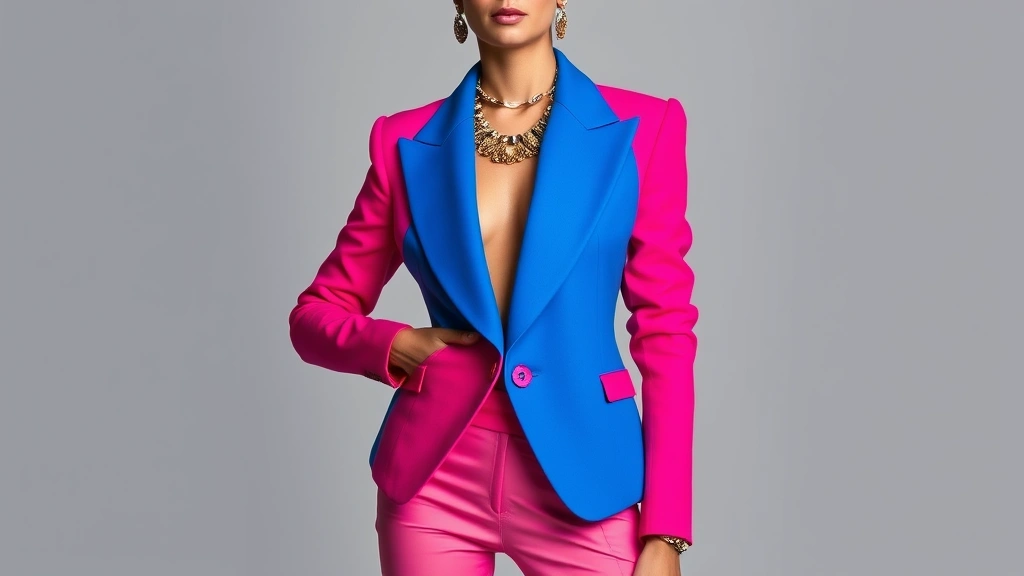
Bold color blocking—the strategic pairing of contrasting solid colors—creates visual impact and modernizes classic silhouettes. Designers are combining electric blues with hot pinks, mustard yellows with deep purples, and burnt oranges with teal in ways that feel fresh and contemporary. This approach works beautifully in tailored pieces, casual wear, and everything between. The psychology behind this trend suggests that post-pandemic fashion consumers crave visual stimulation and emotional expression through their clothing choices.
When incorporating maximalism into your wardrobe, start by selecting one statement piece in bold colors and keep other elements relatively neutral, or go fully committed and layer multiple colorful pieces with confidence. Fashion style guides recommend pairing color-blocked pieces with neutral accessories to let the colors shine. Consider mixing textures within your color palette—matte and glossy fabrics, smooth and textured materials—to add sophistication to bold combinations.
Sustainable Luxury Fashion
Sustainability has evolved from niche concern to mainstream necessity, fundamentally reshaping how luxury brands approach design, production, and consumption. Contemporary designers increasingly view environmental responsibility as inseparable from creative excellence. This trend encompasses several approaches: using organic and recycled materials, implementing circular economy principles, supporting artisanal production methods, and ensuring fair labor practices throughout supply chains.
Leading fashion institutions and designers are pioneering innovative sustainable practices without compromising aesthetic quality or luxury positioning. Business of Fashion regularly highlights how top houses are investing in regenerative agriculture for natural fibers, developing lab-grown materials, and creating take-back programs for circular consumption. These efforts represent a fundamental reimagining of luxury value—true luxury now means garments that last, that respect environmental boundaries, and that align with consumer values.
Investing in sustainable pieces means prioritizing quality over quantity, choosing timeless designs over fast-fashion trends, and supporting brands transparent about their production processes. Vintage and archival pieces inherently represent sustainable choices, as explored in our guide to 90s fashion and other vintage eras. Building a capsule wardrobe with sustainable staples creates a foundation for countless outfit combinations while reducing your fashion footprint.
Gender-Neutral Silhouettes
Contemporary fashion increasingly transcends traditional gender categorizations, with designers creating pieces that celebrate individual expression over prescribed aesthetic rules. Gender-neutral silhouettes—oversized cuts, straight lines, balanced proportions—offer freedom from restrictive sizing standards and create space for diverse body types and gender identities. This shift reflects broader cultural evolution and represents a more inclusive approach to fashion accessibility.
Major designers across luxury and contemporary markets are developing unified collections that prioritize wearability and personal interpretation over gendered marketing. Oversized blazers, straight-leg trousers, relaxed shirts, and unstructured outerwear work beautifully across traditional gender boundaries. This trend democratizes fashion, allowing individuals to construct identities through clothing without conforming to narrow aesthetic categories.
Embracing gender-neutral fashion means selecting pieces based on how they make you feel and function in your life, rather than which section of a store they occupy. Experiment with proportions, layering, and silhouettes that traditionally might not align with your gender expression. The beauty of this movement is its fundamental message: fashion should serve your identity, not define it.
Vintage and Archival Pieces
The appetite for vintage fashion continues accelerating as consumers recognize the unique character, quality construction, and sustainability benefits of pre-owned garments. Archival pieces from previous decades offer distinctive aesthetics impossible to replicate in new production, combined with the authenticity and history embedded in each item. This trend represents both nostalgia and pragmatism—vintage pieces tell stories while reducing consumption pressure.
Designers increasingly draw inspiration from fashion archives, reinterpreting historical silhouettes and details through contemporary lenses. Understanding fashion history enriches current choices, and our exploration of 90s fashion demonstrates how past aesthetics resurface with modern sensibilities. Vintage pieces work beautifully integrated into contemporary outfits, creating visual interest and narrative depth that new pieces struggle to achieve.
Building a vintage-informed wardrobe requires patience, curation, and knowledge about quality indicators and authentic pieces. Research specific eras and designers, understand sizing conventions from different periods, and develop an eye for construction quality and material integrity. Mixing vintage pieces with contemporary items creates dynamic outfits that feel personally curated rather than commercially assembled.
Oversized and Deconstructed Tailoring
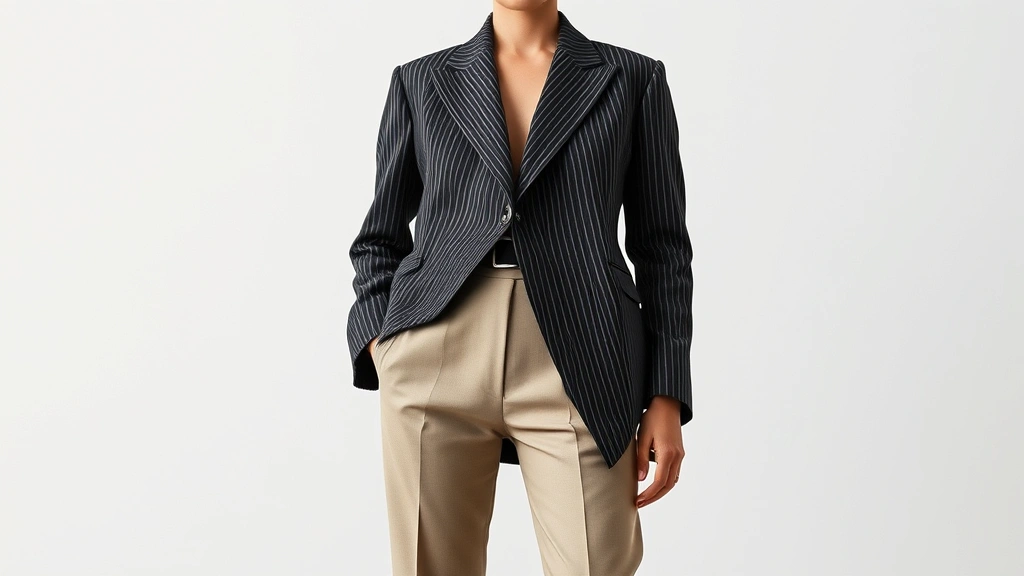
Tailoring undergoes radical transformation as designers deconstruct traditional suiting conventions, playing with proportion, removing unnecessary elements, and reimagining what structured clothing can express. Oversized blazers, cropped trousers, asymmetrical cuts, and intentionally unfinished seams challenge formality while maintaining sophisticated structure. This approach appeals to fashion consumers seeking sophistication without stuffiness.
Deconstructed tailoring represents intellectual fashion—each design choice communicates intentionality and creative vision. Exposed seams, unconventional closures, unexpected proportions, and mixed materials create visual interest while questioning why certain tailoring conventions exist. This trend works across price points and accessibility levels, from luxury designer collections to contemporary brands democratizing deconstructed aesthetics.
Incorporating deconstructed tailoring into your wardrobe means embracing pieces that might look unfinished to untrained eyes but represent deliberate artistic choices. Pair oversized blazers with fitted pieces for balanced proportions, or combine cropped tailored pieces with longer silhouettes for visual complexity. The key is understanding the intentionality behind each design choice and wearing pieces with confidence.
Statement Accessories and Jewelry
Accessories have evolved from supporting players to central style components, with designers creating bold, sculptural pieces that anchor entire outfits. Statement jewelry, oversized bags, dramatic shoes, and architectural accessories command attention while allowing outfit flexibility. This trend reflects how accessories can transform basic clothing into distinctive personal style statements.
Contemporary jewelry design celebrates volume, unusual materials, and sculptural forms—think chunky chains, geometric shapes, mixed metals, and unconventional materials. Bags range from architectural minimalism to ornate, textured statements. Shoes become art objects with unexpected heel shapes, material combinations, and silhouettes. These accessories carry visual weight that justifies simpler clothing foundations.
When building statement accessory collections, consider how pieces work across multiple outfits rather than single occasions. Versatile statement items—a sculptural necklace in neutral tones, an architectural bag in classic colors, distinctive shoes in wearable styles—offer maximum outfit-building potential. Quality craftsmanship becomes especially important in accessories since they receive significant visual and physical wear.
Textile Innovation and Fabric Technology
Technological advancement revolutionizes available fabrics, introducing materials that offer enhanced performance, sustainability, or aesthetic properties previously impossible. Lab-grown leather, mycelium-based fabrics, recycled ocean plastics, and innovative synthetics expand the palette of available materials while addressing environmental concerns. These innovations allow designers to create pieces with specific performance characteristics—moisture-wicking, temperature-regulation, enhanced durability—without compromising style.
Fashion Institute of Technology research demonstrates how textile innovation drives design possibilities, enabling silhouettes and finishes previously unachievable. Smart fabrics that interact with technology, color-changing materials, and self-cleaning textiles represent frontier innovations entering mainstream fashion. Understanding fabric composition helps you make informed purchasing decisions and care for pieces appropriately.
When shopping, investigate fabric content and understand how different materials perform in your climate and lifestyle. Premium natural fibers, innovative synthetics, and sustainable alternatives each offer distinct advantages. Consider durability, care requirements, environmental impact, and how materials feel against your skin when making fabric-based purchasing decisions.
Minimalism with Intentional Details
While maximalism captures attention, sophisticated minimalism persists with evolved approach—clean lines, neutral palettes, and simple silhouettes enriched by intentional details. A perfectly cut coat in neutral tones, a shirt with subtle pleating, trousers with unexpected seam placement—these pieces demonstrate that minimalism needn’t mean boring. The trend celebrates quality, craftsmanship, and the power of restraint.
This approach appeals to consumers seeking timeless pieces that transcend seasonal trends while maintaining contemporary relevance. Minimalist foundations provide endless styling versatility, allowing accessories and layers to shift aesthetics without changing base pieces. How to find your personal style often begins with establishing minimalist foundations that reflect core aesthetic preferences.
Building a minimalist wardrobe means investing in exceptional basics in neutral colors—white, black, gray, navy, beige—and gradually adding pieces with subtle details that speak to you. Quality construction becomes paramount since simpler pieces showcase craftsmanship clearly. This approach creates sustainable, flexible wardrobes that serve countless occasions and styling possibilities.
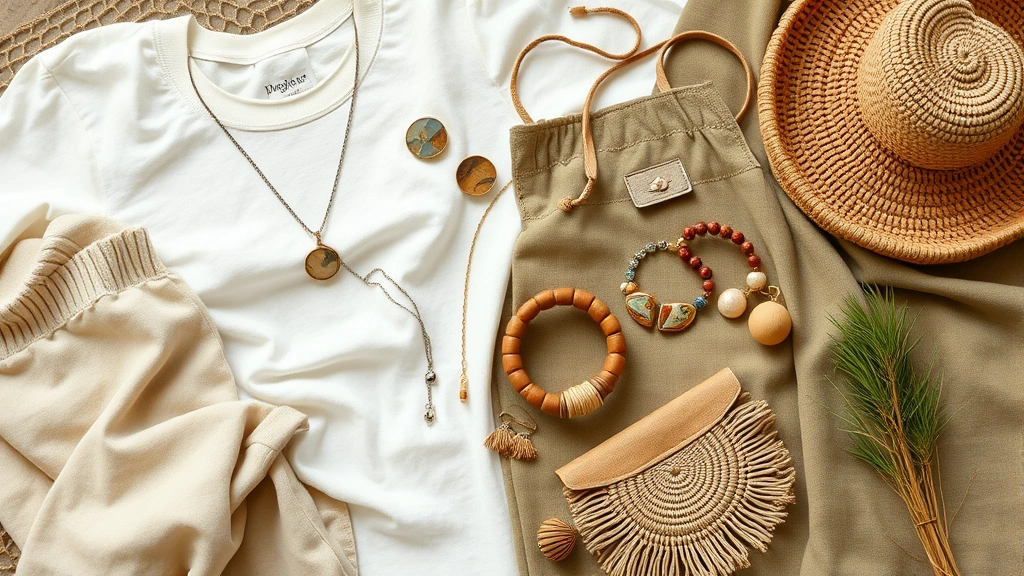
The contemporary fashion landscape celebrates diversity, allowing individuals to navigate multiple aesthetic directions simultaneously. Whether you’re drawn to Fashion Nova dress styles, vintage pieces, or deconstructed tailoring, understanding current trends helps you make intentional choices aligned with your values and aesthetic vision. The most compelling fashion moments emerge when personal style intersects with broader trends, creating looks that feel both current and authentically individual.
Exploring different fashion style approaches and understanding diverse trend directions expands your creative possibilities. Fashion trends offer inspiration rather than prescription—the goal is understanding what resonates with you and translating inspiration into personal style expression. Visit the StyleLoom Daily Blog for ongoing trend insights and style guidance. For specific demographic perspectives, explore fashion trends for women over 50 to understand how trends translate across age groups and lifestyle stages.
FAQ
What are the main fashion types trending right now?
Current trending fashion types include maximalism with bold color blocking, sustainable luxury pieces, gender-neutral silhouettes, vintage and archival items, deconstructed tailoring, statement accessories, and innovative textile technologies. Each represents different aesthetic philosophies and consumer values, offering diverse entry points for personal style exploration.
How can I incorporate trends without looking costume-like?
Balance trendy pieces with timeless basics, choose trends that genuinely resonate with your aesthetic preferences, and integrate one or two trend elements per outfit rather than combining multiple trends simultaneously. Quality construction and proper fit matter more than trend adherence for creating cohesive, sophisticated looks.
Are sustainable fashion pieces more expensive?
Sustainable pieces often carry higher initial prices due to ethical production practices, quality materials, and transparent supply chains. However, durability and timeless design mean lower cost-per-wear over time. Vintage and pre-owned sustainable pieces offer accessible entry points into sustainable fashion without premium price tags.
How do I find my personal style among all these trends?
Identify colors, silhouettes, and aesthetics that consistently appeal to you across different contexts and decades. Notice what you naturally gravitate toward rather than forcing yourself into trends. Experiment with different approaches in low-stakes ways—thrifting, borrowing, renting—before investing significantly. Your authentic style emerges from understanding your preferences, lifestyle needs, and values.
Can I mix vintage pieces with contemporary trends?
Absolutely. Mixing vintage and contemporary creates dynamic, personally curated outfits with visual narrative. Vintage pieces provide unique character and sustainability benefits, while contemporary trends keep styling feeling current. The key is intentionality—ensure pieces work together cohesively rather than feeling randomly assembled.
What should I invest in for long-term style relevance?
Invest in quality basics in neutral colors, timeless silhouettes that transcend seasonal trends, and statement pieces in your preferred aesthetic direction. Choose natural materials or innovative alternatives known for durability. Prioritize construction quality, proper fit, and pieces you genuinely love wearing over trend-chasing purchases you’ll abandon seasonally.