Young Fashion Trends: Expert Insights into Gen Z Style Evolution
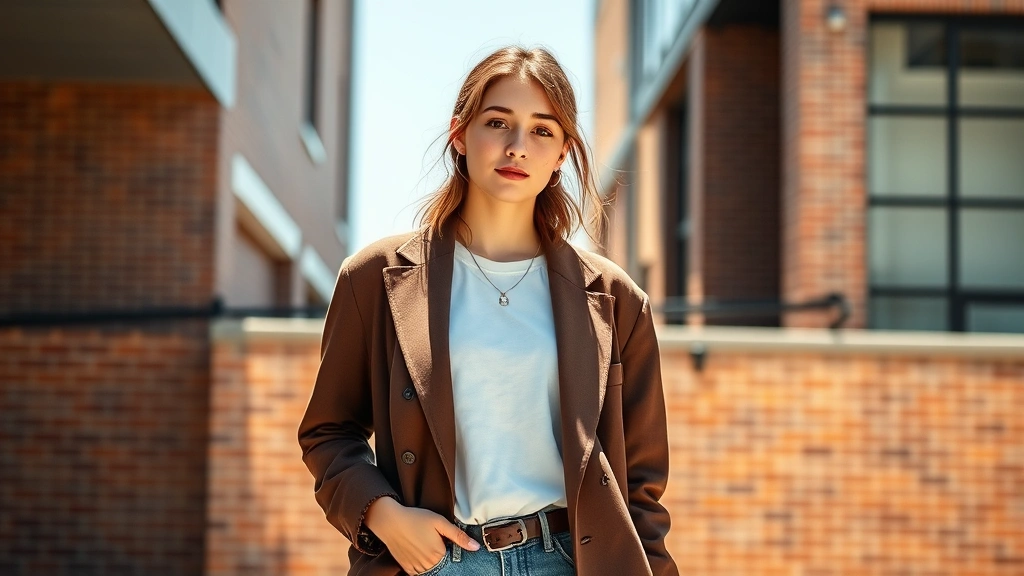
The fashion landscape has undergone a seismic shift in recent years, driven primarily by the style preferences and digital influence of Gen Z. Young fashion trends are no longer dictated solely by high-fashion runways in Paris or Milan; instead, they emerge from TikTok feeds, Instagram stories, and the authentic self-expression of teenagers and young adults worldwide. This democratization of fashion has fundamentally changed how trends develop, spread, and become cultural phenomena that influence everyone from street style enthusiasts to luxury fashion houses.
Understanding young fashion trends requires examining the intersection of sustainability, inclusivity, nostalgia, and digital culture. Today’s youth demand authenticity from brands, reject fast fashion ethics, and celebrate individuality through their clothing choices. Whether it’s the resurgence of 90s fashion trends or the birth of entirely new aesthetic categories, young people are reshaping what it means to be fashionable in the modern era.
This comprehensive guide explores the most significant young fashion trends, expert perspectives on where style is headed, and practical insights for anyone looking to understand or embrace contemporary youth fashion movements.
The Digital Revolution in Young Fashion
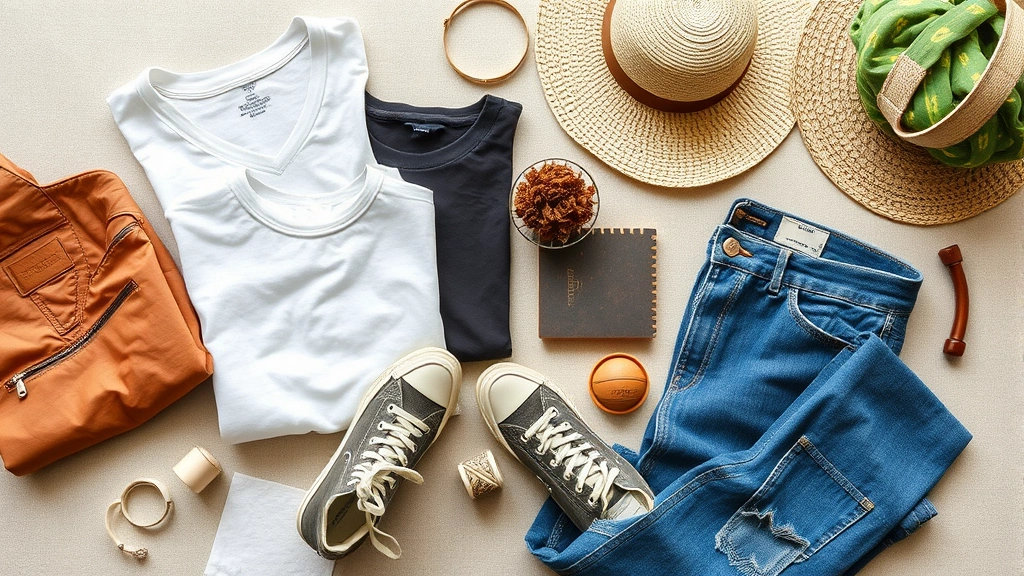
Social media has become the primary catalyst for young fashion trends, fundamentally altering how styles spread and gain momentum. Platforms like TikTok, Instagram, and Pinterest have created an ecosystem where a single video or post can launch a trend to millions of viewers within hours. Unlike previous generations who relied on fashion magazines and celebrity endorsements, Gen Z discovers trends organically through peer recommendations and algorithm-driven content discovery.
This digital-first approach has democratized fashion influence. Micro-influencers and everyday content creators now hold as much sway as traditional celebrities, sometimes even more so. Young people trust authentic voices over polished advertisements, leading brands to shift their marketing strategies toward user-generated content and community engagement. The speed at which trends cycle through the digital sphere means that young fashion is in constant flux, with new micro-trends emerging and fading within weeks.
Platforms have also enabled real-time trend monitoring and forecasting. Fashion analysts now track trending hashtags, viral challenges, and emerging aesthetics to predict what will dominate next season. This creates a feedback loop where brands respond to digital trends almost immediately, blurring the lines between grassroots movements and commercial fashion.
Key Trends Defining Gen Z Style
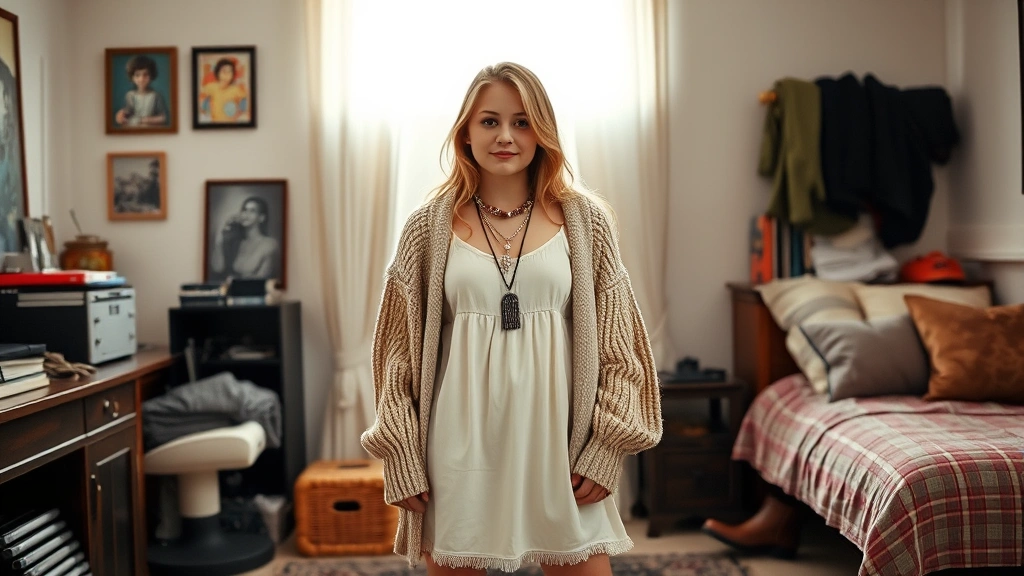
Contemporary young fashion trends encompass diverse aesthetic movements that coexist and often overlap. Cottagecore brings romantic, countryside-inspired aesthetics featuring flowing fabrics, vintage patterns, and nature-connected styling. Dark Academia draws from intellectual traditions with preppy silhouettes, oversized blazers, and moody color palettes. E-girl and E-boy aesthetics blend alternative culture with digital identity, featuring bold makeup, layered chains, and statement pieces.
The Quiet Luxury movement represents a counter-trend to maximalism, emphasizing high-quality basics, neutral colors, and understated elegance. This approach appeals to young people seeking how to find your personal style through minimalist sophistication rather than loud branding. Simultaneously, Y2K nostalgia continues strong, with low-rise jeans, baby tees, butterfly motifs, and early-2000s aesthetics enjoying persistent popularity.
Maximalism represents the opposite extreme, celebrating bold colors, clashing patterns, oversized silhouettes, and unapologetic self-expression. This trend particularly resonates with young people using fashion as a form of identity exploration and creative outlet. The coexistence of maximalist and minimalist trends reflects Gen Z’s diverse approach to personal style, where different aesthetic movements thrive simultaneously rather than one dominating the entire generation.
Understanding different types of fashion styles helps young people navigate these diverse trends and identify which movements resonate with their personal aesthetic. Many Gen Z individuals blend multiple trends, creating hybrid styles that feel authentically theirs.
Sustainability and Ethical Consumption
Perhaps the most significant departure of young fashion from previous generations is the emphasis on sustainability and ethical consumption. Gen Z has grown up acutely aware of environmental and social issues, and these values directly influence their fashion choices. Thrifting has transformed from a budget necessity into a status symbol and ethical statement, with vintage shopping becoming a primary way young people acquire clothing.
This shift has disrupted traditional retail models. Fast fashion brands face increasing scrutiny from young consumers who demand transparency about production practices, labor conditions, and environmental impact. Conversely, brands demonstrating genuine commitment to sustainability, fair wages, and ethical manufacturing have gained passionate young followings willing to pay premium prices for alignment with their values.
The rise of circular fashion reflects this consciousness. Clothing rental services, resale platforms, and clothing swaps have become normalized among young people. Brands like Depop, Vinted, and Vestiaire Collective have become cultural institutions for Gen Z, offering ways to participate in fashion while reducing consumption and environmental footprint. This represents a fundamental philosophical shift from ownership to access, from consumption to consciousness.
Young fashion influencers increasingly highlight sustainable practices, thrifted finds, and upcycled pieces alongside new purchases. This authenticity resonates far more than greenwashing attempts by traditional brands. The message is clear: young fashion consumers value genuine commitment to sustainability over empty marketing claims.
Nostalgia and Retro Revival
Nostalgia drives significant portions of young fashion trends, creating a fascinating paradox where styles from decades past become cutting-edge contemporary fashion. The 90s fashion trends revival exemplifies this phenomenon, with slip dresses, minimalist aesthetics, and grunge influences resurging with renewed energy. However, Gen Z approaches nostalgia differently than previous generations—they’re not simply recreating past styles but reinterpreting them through modern sensibilities.
This retro revival extends beyond the 90s to encompass 70s bohemian influences, 80s maximalism, and even early-2000s aesthetics. Young people often combine multiple eras simultaneously, creating what style experts call “temporal eclecticism.” A single outfit might feature 70s flared pants, a 90s band tee, 2000s accessories, and contemporary sustainable sneakers—a mashup that feels authentically Gen Z.
The psychological appeal of retro fashion for young people lies partly in nostalgia for eras they didn’t directly experience. TikTok and internet culture have made past decades feel accessible and relevant, allowing young people to emotionally connect with historical aesthetics. Additionally, vintage clothing offers uniqueness impossible with mass-produced contemporary pieces, appealing to Gen Z’s desire for individuality and authenticity.
Fashion historians note that this nostalgic cycle is accelerating. Where previous generations might reference a single decade, Gen Z simultaneously draws from multiple eras, creating a complex temporal aesthetic that reflects how they experience time through digital media and internet culture.
Gender-Neutral Fashion Movement
Young fashion trends increasingly reject traditional gender binaries in clothing. Gen Z has embraced gender-neutral and androgynous aesthetics at unprecedented scale, challenging the assumption that certain silhouettes, colors, or garments belong exclusively to men or women. This movement reflects broader cultural shifts toward greater inclusivity and freedom of self-expression.
Major luxury brands now regularly present gender-neutral collections, recognizing that young consumers expect this option. Oversized silhouettes, typically associated with masculine coding, have become mainstream regardless of wearer identity. Simultaneously, traditionally feminine elements like skirts, dresses, and accessories appear increasingly in collections marketed toward all genders.
This trend empowers young people to construct identities through fashion that don’t conform to traditional gender expectations. For many Gen Z individuals, the ability to wear what feels authentic—regardless of gendered marketing—represents genuine freedom and self-determination. Brands that impose rigid gender categories on their collections risk alienating significant portions of young consumers who view such restrictions as outdated and exclusionary.
The fashion style guide mentality has similarly shifted toward inclusivity. Rather than prescriptive rules about what different genders “should” wear, contemporary fashion discourse emphasizes personal authenticity and individual expression. This philosophical shift represents perhaps the most revolutionary aspect of young fashion culture.
Micro-Trends and Hyper-Personalization
The concept of “fashion seasons” has become almost obsolete in young fashion culture. Instead, micro-trends emerge, peak, and fade with remarkable speed, often lasting only weeks or months. Trends like “clean girl aesthetic,” “it girl aesthetic,” “soft girl,” and “dark feminine” represent hyper-specific style philosophies that command passionate followings before inevitably giving way to the next trend.
This acceleration reflects both the speed of digital culture and young people’s desire for constant novelty and reinvention. Following micro-trends allows for regular style experimentation without major financial investment, particularly when thrifting and secondhand shopping provide affordable access to diverse pieces. Young people can authentically engage with multiple aesthetic movements throughout a single year, using fashion as a form of identity exploration.
Importantly, not all young people chase every micro-trend. Many develop distinctive personal styles that incorporate elements from various movements without adhering strictly to any single aesthetic. This hyper-personalization means that young fashion is simultaneously trendy and individualistic—a paradox that would have confused previous generations but feels natural to Gen Z.
Fashion brands struggle to keep pace with this rapid cycling. Traditional seasonal collections feel antiquated to young consumers accustomed to constant trend evolution. Successful brands now employ agile manufacturing and rapid-response design teams that can capitalize on emerging trends within days rather than months.
Expert Predictions for Future Youth Fashion
Industry experts and trend forecasters offer fascinating insights into where young fashion will evolve. According to analysis from Vogue, the intersection of technology and fashion will become increasingly prominent, with digital fashion, virtual clothing, and metaverse-specific garments becoming mainstream. Young people already purchase digital-only outfits for gaming avatars and virtual spaces, suggesting that “clothing” will eventually transcend physical reality.
The Fashion Spot predicts that personalization and customization will dominate, with young consumers increasingly demanding made-to-order or customizable pieces rather than standardized mass production. This aligns with Gen Z’s emphasis on individuality and sustainability, as personalized pieces create emotional attachment and reduce overproduction.
Sustainability will transition from trend to baseline expectation. Fashion forecasters predict that young consumers will increasingly reject brands unable to demonstrate genuine environmental and ethical commitment. This represents not a temporary movement but a fundamental restructuring of fashion industry standards driven by generational values.
The continued blurring of high fashion and streetwear will intensify. Luxury brands will increasingly draw inspiration from youth culture and digital trends, while young people will continue mixing high-end pieces with thrifted finds and affordable basics. This democratization of luxury reflects Gen Z’s rejection of traditional fashion hierarchies.
Cultural diversity and representation will become non-negotiable. Young people expect fashion to celebrate multiple cultures, body types, abilities, and identities authentically rather than tokenistically. Brands failing to genuinely embrace diversity will face significant backlash from socially conscious young consumers.
Explore the Style Loom Daily Blog for ongoing coverage of emerging trends and expert analysis. Additionally, check out Fashion Nova Coupon Codes for affordable ways to participate in young fashion trends without breaking your budget.
FAQ
What defines young fashion trends versus general fashion trends?
Young fashion trends originate from and are primarily driven by Gen Z and younger millennials, spreading through digital platforms rather than traditional fashion institutions. These trends emphasize authenticity, sustainability, inclusivity, and individual expression more prominently than mainstream fashion trends.
How can I develop my personal style while following young fashion trends?
Start by identifying which aesthetic movements resonate with you personally rather than forcing yourself into trends that don’t feel authentic. Combine elements from multiple trends, thrift vintage pieces, and gradually build a cohesive wardrobe that reflects your values and personality. Consider reading about how to find your personal style for comprehensive guidance.
Is fast fashion compatible with young fashion trends?
While many young people still purchase from fast fashion retailers, the trend among conscious Gen Z consumers strongly favors alternatives like thrifting, sustainable brands, and secondhand shopping. The young fashion movement increasingly views fast fashion as ethically incompatible with generational values.
How do I stay updated on emerging young fashion trends?
Follow trend-focused accounts on TikTok and Instagram, explore fashion communities on Reddit, and regularly check style blogs and fashion publications. Engage authentically with fashion content rather than passively consuming it—the best trends often emerge from comments and community discussions.
Can adults participate in young fashion trends?
Absolutely. Young fashion trends emphasize authenticity and self-expression above all else. Age matters far less than genuine engagement with the aesthetic and values underlying a particular trend. Many adults successfully incorporate young fashion elements into age-appropriate styling.
What’s the difference between young fashion trends and Gen Z fashion?
Gen Z fashion encompasses all clothing choices made by Gen Z individuals, while young fashion trends specifically refer to aesthetic movements and style philosophies that have achieved broader cultural significance within youth communities. Not all Gen Z fashion follows specific trends.