Revive Vintage Styles? Historian Insights on Ye Olde Fashion
Fashion moves in circles, and the resurgence of vintage aesthetics isn’t merely nostalgia—it’s a deliberate cultural conversation about sustainability, authenticity, and identity. Historians and fashion experts increasingly recognize that understanding historical garment construction, silhouettes, and styling philosophies offers profound lessons for contemporary wardrobes. The question isn’t whether to revive vintage styles, but rather how to do so thoughtfully, blending historical accuracy with modern sensibilities to create something genuinely wearable and personally meaningful.
Ye olde fashion represents more than dusty museum pieces; it embodies the values, technologies, and social structures of its era. When we examine corsetry from the Victorian period, we’re not just looking at restrictive undergarments—we’re witnessing engineering marvels that shaped silhouettes and social expectations. Similarly, the rebellious spirit of 1970s bohemian dress or the sharp tailoring of 1940s wartime fashion tells stories of cultural resistance and resourcefulness. Today’s fashion historians help us decode these narratives, offering evidence-based perspectives on which vintage elements truly transcend time and which require thoughtful reinterpretation for contemporary life.
Why Vintage Styles Keep Returning to Fashion
The cyclical nature of fashion operates on approximately 20-30 year intervals, according to fashion historians and trend analysts. This phenomenon reflects generational distance—far enough removed that previous styles feel fresh and novel, yet close enough that cultural memory makes them emotionally resonant. When exploring 90s fashion trends, we observe this pattern vividly: what seemed hopelessly dated in 2005 became aspirational by 2015 and genuinely cool by 2023.
Fashion historian Vogue’s archives demonstrate that vintage revival serves psychological and social functions beyond mere aesthetic preference. During economic uncertainty, consumers gravitate toward vintage pieces symbolizing permanence and quality craftsmanship. During periods of rapid technological change, vintage fashion grounds us in tactile, human-made traditions. The COVID-19 pandemic accelerated vintage fashion consumption as people sought individuality, sustainability, and meaning in their clothing choices.
The Instagram and TikTok generations have democratized fashion history, making vintage research accessible to anyone with a smartphone. Fashion historians no longer gatekeep knowledge; instead, they curate and contextualize, helping creators understand what they’re wearing and why certain silhouettes or color palettes resonate across decades. This accessibility has transformed ye olde fashion from niche hobby into mainstream cultural conversation.
The Historian’s Guide to Authenticity vs. Inspiration
Fashion historians distinguish between two approaches to vintage style: strict historical recreation and inspired adaptation. Strict recreation means understanding original construction methods, fabric compositions, and wearing practices—essentially becoming an archaeologist of dress. Inspired adaptation takes historical DNA—silhouettes, color stories, proportion relationships—and translates them for contemporary life.
Most modern fashion enthusiasts benefit from the inspired adaptation approach. A 1950s full circle skirt inspired your wardrobe means embracing the proportional drama and femininity of that silhouette while wearing modern fabrics that move differently and contemporary undergarments that don’t require multiple petticoats. Understanding the complete fashion history timeline helps you make these distinctions intentionally rather than accidentally.
According to The Guardian’s fashion section, contemporary designers increasingly study historical archives before creating collections. This isn’t plagiarism; it’s scholarship. Designers examine how previous eras solved problems—how they created structure without modern elastics, how they achieved volume with natural fibers, how they made garments last through multiple seasons of wear. These solutions often prove superior to modern shortcuts.
The key distinction historians emphasize: know why you’re choosing a vintage element. Is it the silhouette? The color palette? The construction method? The cultural statement it makes? Intentionality separates thoughtful vintage styling from costume play.
Iconic Eras and Their Enduring Style DNA
1920s Modernism: The flapper era rejected corsetry and embraced straight silhouettes, dropped waistlines, and freedom of movement. The style DNA that endures: streamlined proportions, minimal ornamentation, and the understanding that less structure can feel more liberating. Modern pieces inspired by this era maintain the ease and fluidity while updating fabrics and proportions for contemporary bodies.
1940s Resourcefulness: Wartime rationing created ingenious tailoring and proportion play. Broad shoulders created optical illusion of smaller waists. Structured jackets maximized garment versatility. The enduring lesson: constraint breeds creativity. Many contemporary sustainable fashion designers study 1940s design because it proves you can create compelling wardrobes with minimal fabric and maximum intentionality.
1950s Femininity: Post-war prosperity enabled full skirts, dramatic silhouettes, and color saturation. While modern wearers don’t need petticoats and girdles, the proportion relationships—fitted bodice, voluminous skirt, defined waist—remain flattering and psychologically powerful. This era’s style DNA centers on proportion drama and color confidence.
1970s Individualism: This era celebrated mixing patterns, embracing natural textures, and rejecting conformity. The enduring style DNA: personal expression supersedes rules, texture mixing creates visual interest, and natural fibers feel luxurious. Modern vintage-inspired 70s styling maintains this rebellious spirit while updating proportions and removing dated color combinations.
1980s Maximalism: Power dressing, bold colors, statement accessories, and visible brand markers defined this era. The enduring lesson: confidence matters more than subtlety. Contemporary designers mining 80s inspiration typically extract the confidence and proportion drama while moderating the logo visibility and neon intensity.
1990s Minimalism: Slip dresses, neutral palettes, and anti-fashion attitude created understated sophistication. The style DNA persists: quality fabrics speak louder than logos, simplicity requires confidence, and neutral doesn’t mean boring. Understanding 90s fashion reveals how this era’s minimalism actually represented rebellion against 80s excess.
How to Authentically Incorporate Vintage into Modern Wardrobes
Start with Silhouette: Before purchasing vintage pieces, understand your body and which historical silhouettes genuinely flatter you. A 1950s full skirt might feel amazing or constrictive depending on your proportions, movement preferences, and lifestyle. Try on various eras’ silhouettes to discover which historical periods align with your body’s natural lines.
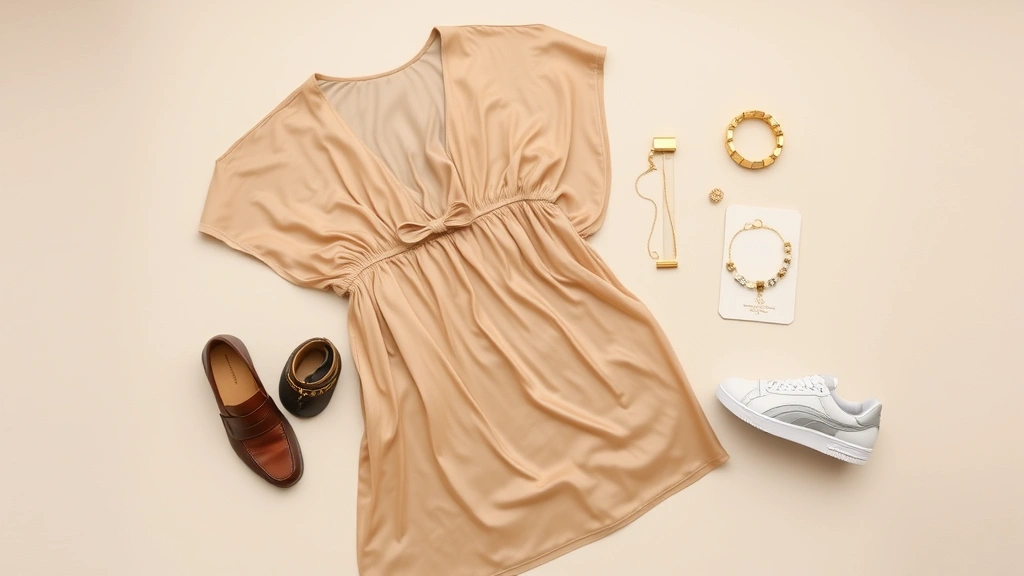
Mix Eras Intentionally: The most sophisticated vintage styling mixes periods. A 1970s blouse with 1990s minimalist trousers and 2020s contemporary sneakers creates visual interest and prevents costume-like appearance. Historians note that authentic vintage dressing always reflected contemporary mixing—people wore their grandmother’s brooch with current-season clothing, not head-to-toe period costumes.
Understand Proportion Relationships: Historical silhouettes work because of proportion relationships. If you love 1940s tailoring, study how shoulders, waist, and hip proportions relate. You can wear a contemporary blazer that captures this proportion relationship without shopping exclusively in vintage stores. This approach to fashion style respects historical inspiration while maintaining modern functionality.
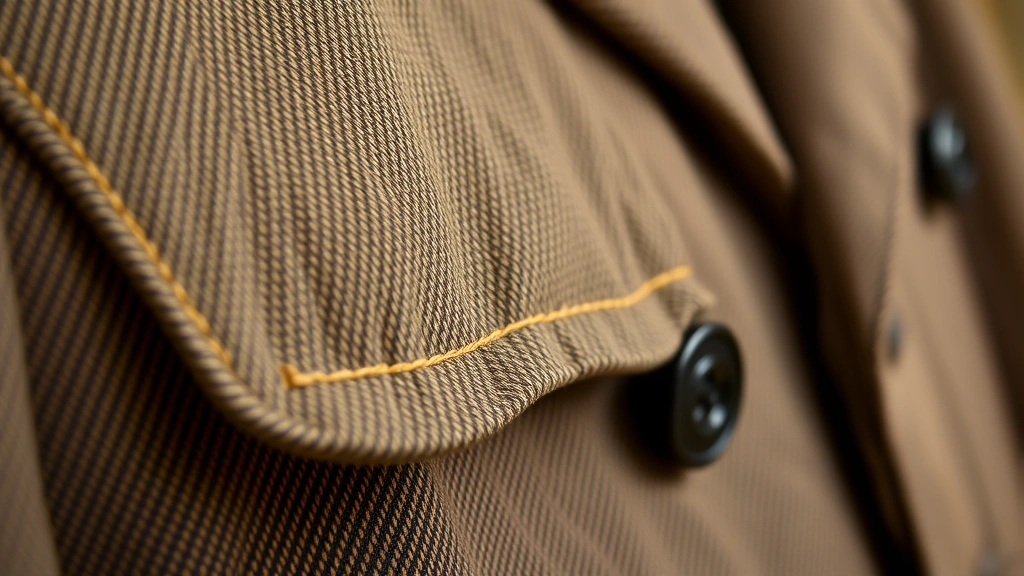
Quality Over Quantity: Vintage pieces often feature superior construction—better seams, natural fibers, thoughtful details. When incorporating vintage, prioritize quality pieces that will last. This aligns with both historical values (garments were kept for decades) and contemporary sustainability consciousness.
Adapt Proportions for Modern Life: A 1950s dress with a 22-inch waist isn’t wearable for most modern bodies, nor should it be. Instead, seek pieces with that era’s proportion relationships—fitted bodice, defined waist, full skirt—in modern sizing. Many contemporary brands offer vintage-inspired pieces with modern proportions and fabrics.
The Sustainability Argument for Vintage Revival
Fashion historians increasingly emphasize that vintage revival represents the most sustainable fashion choice available. Vintage clothing already exists; purchasing it requires no new resource extraction, manufacturing, or shipping. The environmental cost has already been paid. Every vintage piece purchased is one fewer new garment produced.
This sustainability argument explains why ye olde fashion has moved from niche hobby to mainstream practice. Climate-conscious consumers recognize that thrifting vintage pieces and thoughtfully incorporating them into modern wardrobes dramatically reduces personal fashion carbon footprint. When you combine vintage shopping with understanding how to find your personal style, you create a sustainable approach that also feels authentic and personally meaningful.
Fashion historians also note that vintage garments often feature superior longevity compared to contemporary fast fashion. A 1980s wool blazer might outlast five contemporary blazers in terms of durability and timelessness. This longevity justifies higher per-wear costs and makes vintage investment genuinely economical over time.
The circular economy model—where garments circulate through multiple owners—represents how fashion operated historically. Before mass production, clothing circulated through families and communities. Vintage revival restores this historical practice while addressing contemporary environmental crises.
Common Mistakes When Reviving Ye Olde Fashion
Costume vs. Style: The most common mistake is creating outfits that feel like costumes rather than personal style. Avoid head-to-toe vintage looks or period-specific ensembles unless intentionally creating a themed outfit. Instead, mix vintage elements with contemporary pieces to maintain modern relevance.
Ignoring Fit: Vintage sizing differs dramatically from contemporary sizing. A 1960s size 8 likely differs significantly from modern size 8. Instead of forcing ill-fitting vintage pieces, seek pieces with proportions that flatter your body, even if you need to size up or down from vintage labels.
Neglecting Condition: Vintage pieces require careful evaluation. Stains, odors, or structural damage can be difficult or impossible to remedy. When shopping vintage, examine seams, underarms, and hems carefully. Understand that vintage doesn’t automatically mean quality—condition matters as much as age.
Losing Personal Style: Vintage inspiration should enhance your personal aesthetic, not replace it. If you naturally gravitate toward minimalism, forcing 1980s maximalism feels inauthentic. Use vintage pieces that align with your existing style preferences and values.
Overlooking Care Requirements: Historical garments often require specialized care. Delicate fabrics, hand-washing requirements, and dry-cleaning needs demand commitment. Before purchasing vintage pieces, honestly assess whether you’ll maintain them properly.
Ignoring Context: Understanding what a garment represented historically helps you wear it respectfully. Some vintage items carry cultural significance that requires thoughtful consideration. Fashion historians emphasize that education prevents unintentional cultural appropriation or disrespectful styling.
For comprehensive guidance on incorporating vintage elements into modern wardrobes while maintaining personal style coherence, explore fashion style guides that balance historical knowledge with contemporary application. Additionally, fashion trends for women over 50 often showcase sophisticated vintage integration, as this demographic frequently combines vintage pieces with contemporary elements naturally.
FAQ
Should I wear full vintage outfits or mix with contemporary pieces?
Fashion historians recommend mixing eras and styles. Full vintage outfits risk appearing costumish and disconnected from contemporary life. Mixing a vintage blouse with modern trousers, or a contemporary jacket with vintage skirt, creates visual interest while maintaining modern relevance. This approach also aligns with how people historically wore clothing—always mixing old and new pieces.
How do I know if a vintage piece will actually be wearable?
Evaluate condition, fit, and care requirements before purchasing. Check seams, underarms, and hems for damage. Try on pieces or carefully measure against garments that fit you well. Research fabric content and care instructions. Consider whether you’ll realistically maintain the piece—delicate silks and hand-wash-only items require genuine commitment.
Is it disrespectful to wear vintage clothing from other cultures?
Context matters significantly. Wearing a Japanese kimono as fashion inspiration is culturally complex; understanding the garment’s cultural significance and wearing it respectfully differs from treating it as costume. Fashion historians recommend researching cultural context before wearing vintage pieces from cultures other than your own. When in doubt, seek perspectives from people within that culture.
How can I style vintage pieces without looking like I’m wearing a costume?
Proportion mixing is key. Pair vintage with contemporary pieces. Balance vintage silhouettes with modern fabrics or contemporary styling. Avoid over-accessorizing or completing entire outfits in single-era aesthetics. Let vintage pieces be accents rather than entire outfit foundations. Use contemporary jewelry, shoes, and bags to ground vintage clothing in present day.
What era’s vintage style is easiest for beginners?
1990s minimalism and 1970s bohemian styles typically translate most easily to contemporary wardrobes because their original aesthetics already emphasized simplicity and individuality. These eras’ proportions feel less dramatically different from modern silhouettes, making integration smoother. Starting here builds confidence for exploring more dramatically different historical periods.
Where should I shop for vintage pieces?
Thrift stores, vintage boutiques, online marketplaces, and estate sales all offer vintage options. Each source has advantages: thrift stores offer affordability and volume, vintage boutiques provide curation and expertise, online marketplaces enable specific searches, and estate sales often feature higher-quality pieces. Start by exploring local options to develop an eye for quality and condition before purchasing online.
How do I care for vintage clothing?
Research specific care requirements for each piece’s fabric and construction. Generally, vintage items benefit from gentle handling, cold water washing or hand washing, air drying, and minimal dry cleaning. Store in cool, dry places protected from direct sunlight. Consider professional cleaning for delicate pieces before wearing. Proper care preserves vintage investments and extends wearability.
Can I alter vintage pieces to fit better?
Alterations are possible but require careful consideration. Simple adjustments like hemming work well; major structural changes risk damaging valuable pieces. Consult with tailors experienced in vintage garment construction before proceeding. Sometimes accepting vintage sizing differences and styling around them proves better than altering irreplaceable pieces.