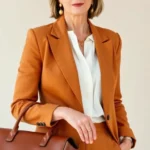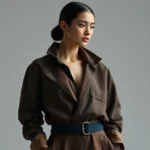
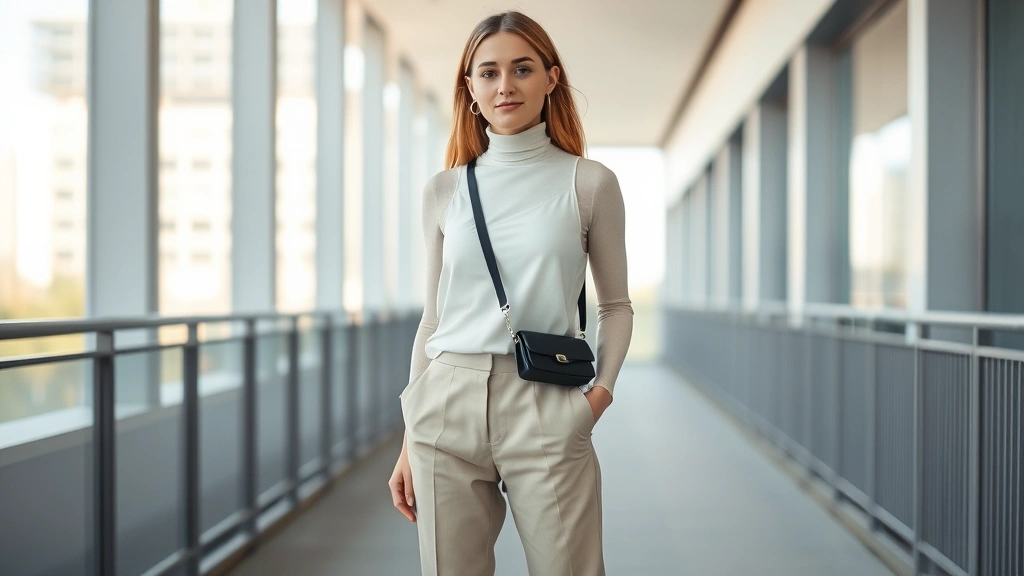
90s Fashion Comeback? Expert Insights on Women’s 90s Fashion
The 1990s are undeniably having a major moment in contemporary fashion. From high fashion runways to street style, the aesthetic that defined a generation is experiencing a powerful resurgence. But this isn’t simply nostalgia—it’s a sophisticated reinterpretation of iconic silhouettes, textures, and attitudes that resonated with millions. Women everywhere are rediscovering slip dresses, minimalist basics, and bold statement pieces that feel both retro and remarkably current.
What makes this fashion trend cycle particularly fascinating is how designers and style influencers are curating 90s elements with modern sensibilities. This isn’t about wearing your mother’s wardrobe; it’s about understanding the DNA of 90s aesthetics and translating it into pieces that work for today’s lifestyle. Whether you’re drawn to minimalist Kate Moss vibes or maximalist Spice Girl energy, the 90s fashion comeback offers something for everyone.
The Rise of 90s Fashion in Modern Culture
The resurgence of women’s 90s fashion is more than a fleeting trend—it represents a cultural shift in how we view style and self-expression. Fashion historians and trend forecasters have noted that nostalgia cycles typically occur in 20-30 year intervals, making the 2020s the perfect moment for 90s fashion to reclaim center stage. What’s particularly compelling is that this comeback isn’t driven solely by nostalgia; it’s fueled by a genuine appreciation for the era’s approach to individuality and experimentation.
According to Vogue, major fashion houses have been increasingly incorporating 90s references into their collections. This institutional validation has given permission for mainstream fashion consumers to embrace the aesthetic without irony. The movement gained significant momentum during fashion weeks in Milan, Paris, and New York, where designers presented collections heavily influenced by 90s minimalism and grunge aesthetics.
What makes this comeback distinctive is its intersection with contemporary values. Today’s consumers care about sustainability, inclusivity, and authenticity—all values that the 90s fashion movement inherently championed. The era celebrated individual style over conformity, diverse body types over rigid standards, and creative expression over commercial homogenization. These principles align perfectly with modern fashion consciousness.
The digital age has amplified this revival exponentially. Social media platforms, particularly TikTok and Instagram, have become virtual archives where younger generations discover and celebrate 90s fashion. Vintage fashion influencers have built massive followings by styling iconic 90s pieces, making the aesthetic accessible and desirable to Gen Z and millennial audiences who appreciate both the historical context and contemporary styling possibilities.
Key Silhouettes and Pieces Defining the Comeback
Understanding the essential types of fashion pieces from the 90s is crucial for anyone wanting to embrace this trend authentically. The decade produced several silhouettes that have become non-negotiable in today’s 90s fashion revival.
Slip Dresses and Slipdresses: Perhaps the most iconic piece of the era, slip dresses epitomize 90s minimalism. Originally designed as undergarments, they became statement pieces when worn over fitted long-sleeve shirts. Today’s versions range from delicate silk to bold patterned fabrics, offering versatility for both casual and dressy occasions. The beauty of slip dresses lies in their simplicity—they require minimal styling yet create maximum impact.
Minimalist Basics: The 90s championed the concept of a capsule wardrobe. Crisp white button-ups, fitted turtlenecks, simple camisoles, and tailored trousers formed the foundation of 90s style. These pieces remain essential in contemporary wardrobes, proving that timeless quality never goes out of fashion. The emphasis on neutral tones and clean lines created a sophisticated backdrop for statement pieces.
Wide-Leg and Cargo Pants: The silhouette evolution from body-conscious to relaxed-fit pants was revolutionary in the 90s. Wide-leg trousers, cargo pants with multiple pockets, and baggy jeans became symbols of casual cool. Modern interpretations maintain the relaxed fit while incorporating contemporary proportions and fabrications that work with modern footwear and styling options.
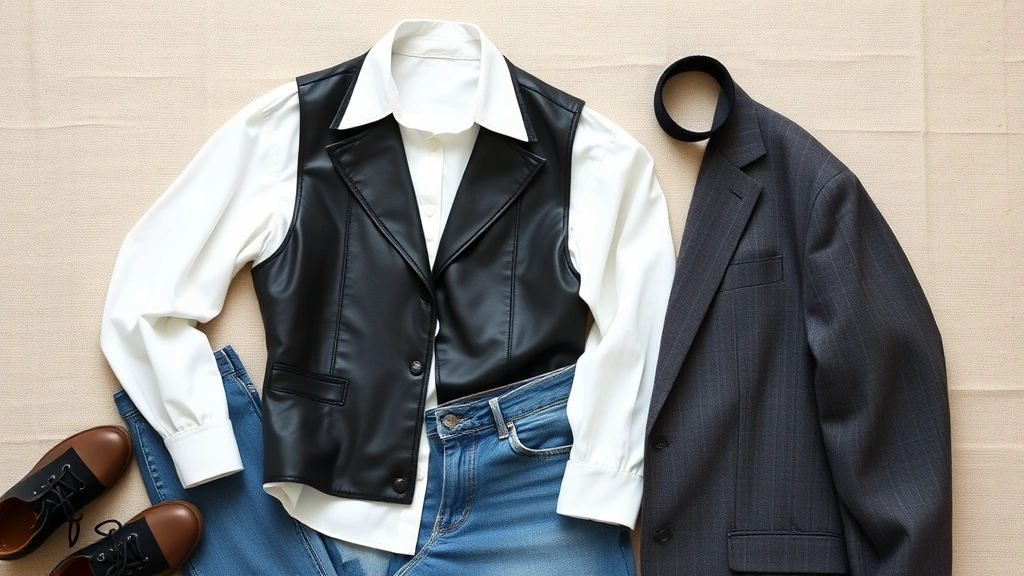
Leather and Denim: Leather jackets, vests, and pants were 90s staples that conveyed attitude and edge. Denim, in particular, was experimental—acid wash, ripped, oversized, or mini skirts. Today’s designers are reimagining these classics with sustainable materials and refined construction while maintaining the rebellious spirit.
Chokers and Accessories: From velvet chokers to tattoo-inspired necklaces, 90s accessories made bold statements. These pieces are experiencing tremendous revival, with modern versions offering both authentic vintage pieces and contemporary reinterpretations. The key is selecting accessories that feel intentional rather than costume-like.
Color Palettes and Textures Making Waves
The 90s color story was distinctly different from other decades. Rather than the bright neons of the 80s or the pastels of the early 2000s, the 90s embraced a sophisticated neutral palette punctuated by strategic bold choices.
Neutral Dominance: Black, white, cream, gray, and beige formed the foundation of 90s style. This neutral base allowed for versatility and made statement pieces more impactful. The current fashion landscape has embraced this philosophy even more enthusiastically, with neutral tones remaining consistently popular while providing a canvas for individual expression.
Strategic Color: While neutrals dominated, the 90s weren’t afraid of color—it was simply deployed strategically. Rich jewel tones like emerald, sapphire, and burgundy appeared in specific pieces. Unexpected colors like olive, rust, and mustard were incorporated into everyday basics. Modern styling often follows this same principle: a neutral foundation with calculated pops of color.
Texture Play: The decade was fascinated by texture contrasts. Satin against denim, leather against silk, matte against shiny—these juxtapositions created visual interest. Velvet, in particular, experienced a major moment in the 90s and continues to be central to contemporary interpretations of the aesthetic. Mesh, another 90s favorite, has made a powerful comeback in both functional and fashion-forward applications.
Monochromatic Dressing: While not invented in the 90s, monochromatic styling became a signature approach. Wearing head-to-toe neutrals created an elongated silhouette and sophisticated appearance. This styling principle remains incredibly relevant for creating cohesive, intentional looks that feel contemporary while honoring 90s aesthetics.
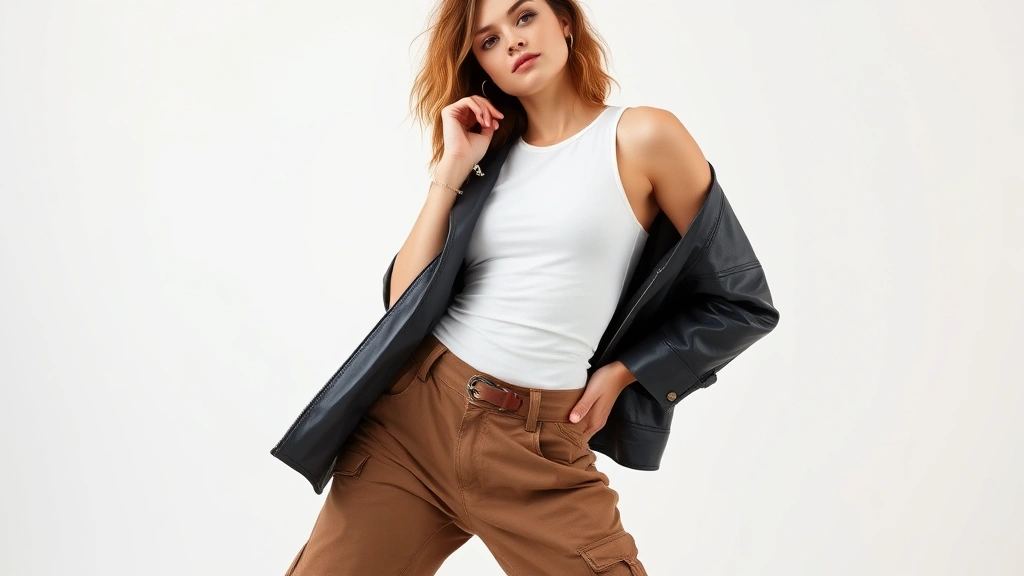
How to Style 90s Fashion for 2025
Embracing 90s fashion doesn’t mean abandoning modern sensibilities. The key to successfully incorporating these pieces into your wardrobe is understanding how to blend them with contemporary styling approaches. Here’s how to find your personal style while honoring 90s aesthetics.
Mix Vintage with Contemporary: Pair a vintage slip dress with modern sneakers and a structured blazer. Layer a 90s-inspired oversized button-up with contemporary high-waisted jeans and minimalist jewelry. The juxtaposition of different eras creates a sophisticated, intentional look that feels current rather than costume-like.
Update Proportions: While the 90s loved oversized silhouettes, modern styling often benefits from more balanced proportions. If you’re wearing baggy jeans, pair them with a fitted top. If you choose an oversized blazer, balance it with slim pants or a fitted skirt. This approach maintains the essence of 90s style while creating flattering, contemporary silhouettes.
Invest in Quality Basics: The 90s philosophy emphasized quality basics that could be styled endlessly. Invest in well-made white button-ups, fitted turtlenecks, quality denim, and neutral trousers. These pieces form the foundation of both 90s and contemporary style, ensuring your wardrobe remains relevant and versatile.
Accessorize Intentionally: Rather than overwhelming an outfit with multiple 90s references, select one or two statement accessories. A velvet choker with a minimalist outfit, or a structured bag with a slip dress, creates impact without appearing overly themed. This restrained approach feels more sophisticated than head-to-toe 90s styling.
Experiment with Layering: The 90s were masters of layering, and this technique remains incredibly relevant. Layer a camisole under a sheer shirt, combine a fitted long-sleeve with a slip dress, or wear a tank top over a long-sleeve tee. These combinations create visual interest and allow for temperature regulation while maintaining style.
Embrace Minimalism: The minimalist philosophy that defined much of 90s fashion remains powerfully relevant. Focus on quality over quantity, choose pieces that work together, and resist the urge to over-accessorize. This approach creates a timeless aesthetic that transcends trends while remaining distinctly fashionable.
Designer Perspectives on Retro Revival
Leading fashion designers have provided valuable insights into why 90s fashion continues to influence contemporary collections. Understanding their perspective helps illuminate the deeper appeal of this aesthetic revival.
According to Elle Magazine, designers appreciate the 90s for its emphasis on individuality and rejection of excess. The era produced iconic fashion moments not through complicated construction or maximum embellishment, but through thoughtful silhouettes and confident styling. This philosophy aligns with contemporary concerns about sustainability and conscious consumption.
Major fashion houses have invested significantly in 90s-inspired collections. The focus isn’t on exact replication but on capturing the spirit of the era—the attitude, the proportions, the color stories—and reinterpreting them through contemporary lenses. Designers are using modern fabrications, sustainable materials, and inclusive sizing to make 90s fashion accessible and relevant for today’s consumers.
Fashion institutes and fashion style experts have noted that the 90s represent a particularly rich era for inspiration because it was genuinely diverse. Unlike decades with singular dominant aesthetics, the 90s accommodated minimalism and maximalism, grunge and glamour, casual and formal. This diversity means there’s something for everyone within the 90s fashion revival.
Sustainability-focused designers have been particularly enthusiastic about 90s fashion because the era’s emphasis on quality basics and timeless pieces naturally aligns with sustainable fashion principles. Rather than fast fashion’s disposable mentality, 90s style encouraged investment pieces that could be worn for years and styled endlessly. This philosophy is increasingly central to how contemporary designers approach collections.
Sustainability and 90s Fashion
One of the most compelling aspects of the 90s fashion comeback is its natural alignment with contemporary sustainability concerns. The 90s weren’t motivated by environmental consciousness in the way modern consumers are, yet the aesthetic naturally supports sustainable fashion practices.
Timeless Design: 90s pieces were designed to last, both in construction quality and aesthetic relevance. A well-made slip dress from the 90s remains wearable today because the silhouette is fundamentally timeless. This contrasts sharply with fast fashion’s disposable approach, making 90s-inspired pieces a sustainable choice by default.
Vintage and Secondhand: The 90s fashion revival has created renewed interest in vintage shopping. Thrifting 90s pieces is both economical and environmentally responsible, reducing waste while allowing consumers to access authentic pieces. Many fashion experts recommend building 90s-inspired wardrobes through vintage shopping rather than purchasing new reproductions.
Capsule Wardrobes: The minimalist approach inherent in 90s fashion naturally supports capsule wardrobe philosophy. By focusing on quality basics that work together, consumers reduce overall consumption while creating more versatile wardrobes. This approach is both sustainable and practical, making it increasingly popular among conscious consumers.
Quality Over Quantity: The 90s philosophy emphasized owning fewer pieces of higher quality rather than accumulating numerous disposable items. This approach reduces consumption, extends garment lifecycles, and encourages more thoughtful purchasing decisions. As consumers increasingly prioritize sustainability, this 90s principle becomes more relevant than ever.
For more information about fall fashion trends 2025 and how 90s influences are shaping upcoming seasons, contemporary fashion forecasters continue to predict strong 90s influence across multiple markets. The Style Loom Daily Blog regularly covers how classic aesthetics integrate with modern fashion movements.
FAQ
Is 90s fashion just a temporary trend or a lasting style movement?
Fashion experts believe 90s fashion represents a significant shift rather than a fleeting trend. The aesthetic’s alignment with contemporary values regarding sustainability, individuality, and quality suggests this revival will remain influential for several years. However, like all trends, specific elements will evolve while core principles persist.
How can I incorporate 90s fashion if I’m over 50?
The 90s aesthetic is remarkably age-inclusive. Focus on quality basics, minimalist silhouettes, and strategic accessories rather than trend-heavy pieces. Slip dresses over fitted turtlenecks, well-tailored trousers, and classic leather jackets work beautifully across age groups. Check out fashion trends for women over 50 for age-appropriate styling guidance.
Where should I shop for authentic 90s pieces?
Vintage and secondhand retailers offer authentic 90s pieces, though quality and availability vary. Contemporary designers also offer 90s-inspired pieces with modern construction and fabrication. Online vintage platforms, local thrift stores, and designer collections all provide options depending on budget and preferences.
Can I mix 90s fashion with other style aesthetics?
Absolutely. The 90s aesthetic is versatile enough to blend with other styles. Pair 90s basics with contemporary accessories, combine vintage pieces with modern items, or mix minimalist 90s silhouettes with maximalist jewelry. The key is intentional styling rather than accidental eclecticism.
What’s the most essential 90s piece to start with?
Quality basics like white button-ups, fitted turtlenecks, and well-made denim are the most versatile entry points. These pieces work with numerous styling options and feel contemporary while honoring 90s aesthetics. A structured leather jacket is also an excellent investment that bridges 90s and modern style seamlessly.