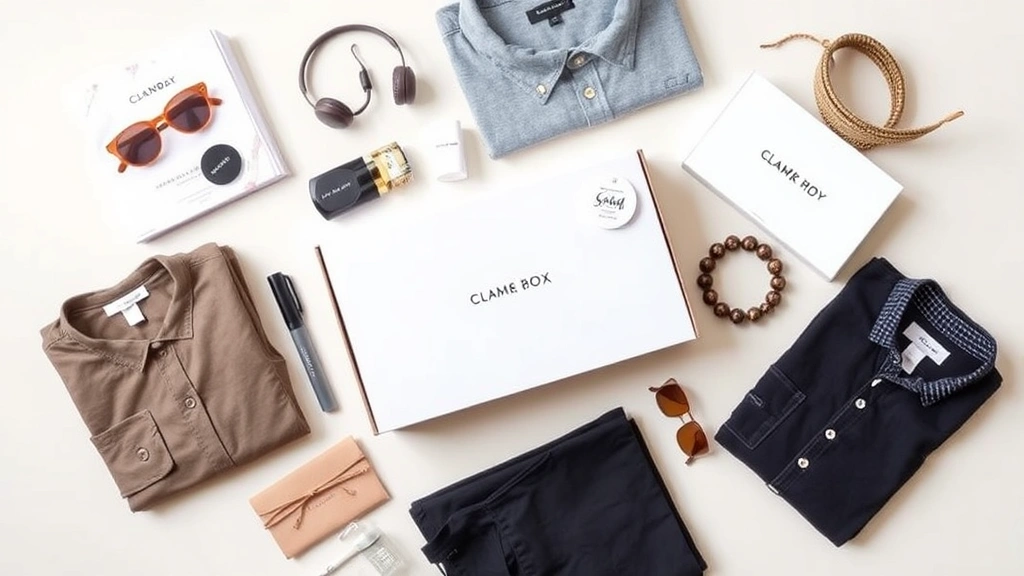
Are Fashion Boxes Worth It? Expert Review of Subscription Fashion Services
The subscription fashion box industry has exploded over the past decade, transforming how millions of people discover and purchase clothing. From Stitch Fix to ThirdLove, these curated services promise personalized style delivered directly to your door—but do they actually deliver value for your money? As a fashion enthusiast and style analyst, I’ve investigated whether these trendy subscription services justify their premium pricing or if they’re simply another marketing gimmick designed to separate fashion lovers from their hard-earned cash.
Subscription fashion boxes have become increasingly sophisticated, leveraging artificial intelligence, personal stylists, and data analytics to create seemingly tailored shopping experiences. However, the reality is more nuanced. Some services genuinely transform how people shop and build their wardrobes, while others leave subscribers feeling disappointed and overcharged. This comprehensive expert review examines the true value proposition of fashion subscription boxes, helping you determine whether investing in one aligns with your lifestyle, budget, and style goals.
Understanding Fashion Subscription Box Models
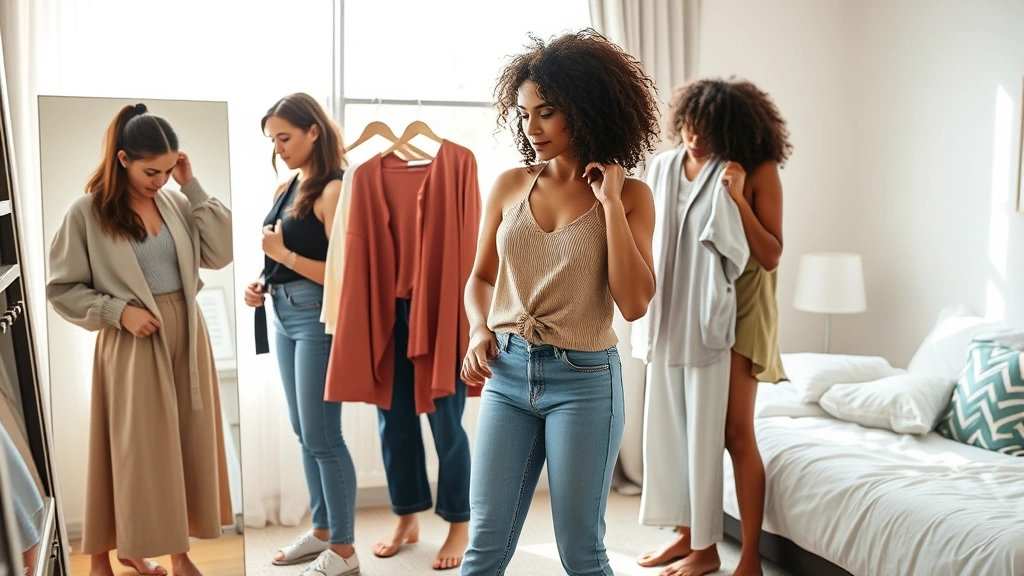
Before evaluating whether fashion boxes are worth the investment, it’s essential to understand how these services actually operate. There are three primary subscription models dominating the market: the try-before-you-buy model, the curated box delivery model, and the styling service model. Each operates differently and appeals to distinct consumer segments with varying needs and preferences.
The try-before-you-buy model, popularized by services like Stitch Fix, allows customers to receive curated selections of clothing items monthly or quarterly. You try everything on at home, keep what you love, and return what doesn’t work. The styling fee (typically $20) is credited toward any purchases you make. This model removes the risk of buying items that don’t fit or suit your style, which appeals strongly to busy professionals and those uncertain about their aesthetic preferences.
The curated box model, exemplified by services like FabFitFun, delivers predetermined boxes of items—sometimes including fashion pieces alongside beauty products and lifestyle goods. You don’t choose individual items; instead, you receive what the company’s editors and algorithms determine will resonate with your profile. This model works best for adventurous shoppers willing to embrace unexpected discoveries and those seeking variety across multiple product categories.
The styling service model combines expert fashion advice with shopping assistance. Services in this category often employ professional stylists who work directly with clients to understand their lifestyle, body type, color preferences, and fashion goals. These premium services typically charge higher fees but provide more personalized attention and expertise. Understanding which model appeals to your shopping habits is crucial when evaluating overall value.
When exploring fashion style guides and personal preferences, consider how subscription models align with your existing shopping patterns. If you already spend considerable time browsing online retailers, you might find subscription boxes redundant. However, if you struggle with decision fatigue or lack confidence in styling choices, the curation aspect provides genuine value beyond just convenience.
Cost Analysis: Price vs. Retail Value
The most straightforward way to evaluate whether subscription fashion boxes are worth it involves honest cost analysis. Most services charge between $20 and $50 monthly, though premium styling services can exceed $100 per month. To determine true value, you must compare what you’re actually paying versus the retail value of items received.
Here’s where marketing gets clever: subscription companies typically highlight the “retail value” of items in your box, often claiming $150-$200+ worth of merchandise for a $50 box. However, this retail value is frequently inflated. Many items included in boxes are from brands’ clearance sections, overstock inventory, or items specifically manufactured for subscription services at lower costs. The retail price tag on these items may be high, but the actual production cost and wholesale price are substantially lower.
Let’s break down realistic economics: If you subscribe at $50 monthly and actually keep items worth approximately $70-$90 in retail value, you’re technically getting a 40-80% discount. That sounds attractive until you realize several factors undermine this calculation. First, you’re only keeping items you actually want and will wear. If you return 40-50% of items (which is common), your effective cost per wearable item increases significantly. Second, the items must fit properly and align with your existing wardrobe; otherwise, they’re just expensive clutter.
Consider also the return shipping costs absorbed by the service. Subscription companies factor these expenses into their pricing models, meaning you’re partially funding the logistics of items you reject. Over a year of subscription, you might spend $600 on boxes while actually purchasing $700-$900 in items you keep. Compare this to strategic shopping during sales at retailers you already trust, where you might achieve similar discounts without the subscription commitment or return hassle.
Premium styling services with personal stylists charge $100-$300+ monthly but often provide more value if you genuinely utilize the styling expertise and consultations. If you’re paying for a service you barely use or that doesn’t result in meaningful wardrobe improvements, the math becomes increasingly unfavorable. Track your actual spending and wardrobe utility for three months before committing long-term to any subscription.
Quality and Fit: Reality Check
One of the most common complaints about subscription fashion boxes involves quality inconsistency and fit issues. Unlike traditional retail shopping where you can examine items in person before purchasing, subscription services require you to trust algorithms and stylists who don’t truly know your body, preferences, or lifestyle constraints.
Fit remains the primary challenge, particularly for anyone with non-standard sizing, specific fit preferences, or body insecurities. Brands included in subscription boxes rarely use consistent sizing across their collections. A medium from one brand might be drastically different from a medium from another. Stylists working with hundreds or thousands of clients cannot account for these nuances effectively, regardless of the data they collect. This leads to frustration and high return rates, particularly among women with pear-shaped, apple-shaped, or plus-size bodies.
Quality varies significantly depending on which brands the subscription service partners with. Some services prioritize quality basics and investment pieces, while others focus on trendy fast-fashion items with limited durability. Before subscribing, research which brands each service includes and assess whether those brands align with your quality standards. Check online reviews specifically mentioning fabric quality, seam construction, and longevity. Fashion-forward styling means nothing if pieces fall apart after three washes.
The personalization promise often oversells what algorithms can actually deliver. Even sophisticated AI struggles to understand nuanced style preferences, body insecurities, or how you actually live your life. Does your job require business casual attire? Are you active and prefer athletic-inspired pieces? Do you have sensory sensitivities to certain fabrics? These crucial details are difficult to communicate through questionnaires and nearly impossible for algorithms to weight appropriately. Human stylists, when utilized effectively, excel here—but they’re expensive and not always included in budget subscription tiers.
Personalization Technology Behind the Scenes
Subscription fashion companies invest heavily in AI and machine learning to improve personalization, and understanding this technology helps contextualize the value proposition. These systems analyze your style preferences, body measurements, color choices, and feedback on previous items to predict what you’ll like and wear.
The technology sounds impressive in theory, but implementation has significant limitations. AI learns from your interactions with the service—items you rate positively, keep versus return, and explicit feedback you provide. However, this creates a feedback loop problem: if the algorithm sends you items you dislike, you provide negative feedback, but this doesn’t help it understand your actual preferences; it only learns what you don’t like. True preference prediction requires understanding the positive attributes you seek, which is more complex.
Additionally, finding your personal style involves elements AI struggles with—emotional resonance with pieces, how items make you feel when wearing them, and how they integrate with your existing wardrobe. A sophisticated algorithm might predict you’ll like a navy blazer based on your previous purchases, but it cannot determine whether you actually need another blazer or whether you’d prefer to invest in something that fills a genuine gap in your wardrobe.
The most effective personalization combines technology with human expertise. When subscription services employ actual stylists who review algorithmic recommendations and apply judgment, results improve dramatically. However, this human element increases costs, which is why budget subscription tiers often deliver mediocre personalization results. You’re essentially paying for the convenience of curation, not necessarily the quality of it.
Some services now offer video consultations with stylists, which significantly improves outcomes for those willing to pay premium prices. These consultations allow stylists to understand your lifestyle, body shape, and style aspirations far more effectively than questionnaires. If a service offers this option, it substantially increases the value proposition—assuming you actually utilize the consultation and provide detailed feedback.
Environmental Impact Considerations
An often-overlooked aspect of subscription fashion box value involves environmental and ethical considerations. The fashion industry is notoriously resource-intensive, and subscription services can either exacerbate or mitigate this impact depending on how they operate.
The return logistics of try-before-you-buy services create significant environmental costs. Hundreds of thousands of clothing items are shipped, tried on, and shipped back monthly by subscription services. Each return involves packaging materials, transportation emissions, and handling labor. If you return 50% of items (industry average), you’re generating considerable waste and carbon emissions for items you never keep. This contradicts the growing consumer desire to shop more sustainably and intentionally.
However, subscription services can reduce overall consumption for some users. If a subscription prevents impulse purchasing and encourages more thoughtful, curated shopping, it might reduce total clothing consumption and waste. The environmental equation depends entirely on individual behavior. Someone who would have shopped aggressively at fast-fashion retailers anyway might actually reduce their environmental impact through subscription curation. Conversely, someone who shops selectively might increase their consumption and waste through subscription convenience.
Consider the brands and production practices the subscription service partners with. Do they work with sustainable brands? Do they prioritize quality items designed for longevity? Research the company’s environmental commitments and whether they offset shipping emissions or have take-back programs for worn items. Some progressive services are implementing circular fashion models, where you can return worn items for resale or recycling, which significantly improves the environmental calculus.
If environmental responsibility influences your purchasing decisions, inquire about the subscription service’s sustainability practices before committing. The marketing materials might emphasize convenience and style, but the actual environmental impact might contradict your values. Balancing convenience with consciousness is a personal decision, but it’s crucial to make it with full information.
Who Should Actually Subscribe
After examining all factors, certain consumer profiles benefit significantly from subscription fashion boxes, while others should skip them entirely. Identifying which category you fall into is essential for making a financially sound decision.
Ideal candidates for subscription boxes include:
- Busy professionals with limited time for shopping who value convenience highly and have disposable income to justify the service fee
- Style-uncertain individuals seeking guidance on building cohesive wardrobes and developing personal style confidence
- People with specific body types struggling to find well-fitting items in traditional retail and willing to pay for the convenience of home try-on
- Adventure-seeking shoppers who enjoy discovering new brands and styles and embrace unexpected items in curated boxes
- Those with defined style parameters who can clearly communicate their preferences and provide valuable feedback to algorithms and stylists
Poor candidates for subscription boxes include:
- Budget-conscious shoppers who can find better deals through strategic sale shopping and discount retailers
- Individuals with strong style preferences who know exactly what they want and rarely deviate from established aesthetics
- People who enjoy the shopping experience and browsing for clothes—subscription boxes eliminate this pleasure
- Those with sizing challenges or picky fit requirements that algorithms struggle to accommodate
- Environmentally conscious consumers concerned about return shipping waste and carbon emissions
- Anyone already satisfied with their wardrobe and shopping habits—subscription boxes create artificial demand
Additionally, consider your actual wardrobe needs. If you have significant gaps in your closet and genuinely need new pieces, a subscription service might help you fill those gaps more efficiently. However, if you’re simply looking for entertainment or novelty, you’re essentially paying for shopping as entertainment—which is fine if you acknowledge that’s what you’re doing and budget accordingly.
Alternatives Worth Exploring
Before committing to a subscription box, explore alternative approaches that might deliver better value for your specific situation. Understanding types of fashion available through various channels helps you make informed decisions about where to invest your shopping budget.
Strategic retail shopping during sales and clearance events can deliver equivalent discounts without subscription commitments. Sign up for email alerts from retailers you trust, follow them on social media for flash sales, and use browser extensions that automatically apply discount codes. This approach requires more effort than subscription convenience, but it offers greater control over what you purchase and when.
Personal styling services through department stores like Nordstrom, Saks Fifth Avenue, or Saks Fifth Avenue offer complimentary or low-cost consultations. A stylist will work with you in person to understand your needs, style preferences, and body shape, then curate selections from the store’s inventory. This combines human expertise with the ability to see and try items immediately, though it requires visiting a physical location.
Online personal shopping services like Thesefit and Rent the Runway offer alternatives to purchase-based subscriptions. Rent the Runway specifically allows you to rent designer pieces for special occasions or regular wear, which maximizes variety while minimizing cost and closet clutter. This approach works well for people who want fashion diversity without ownership commitment.
Building your own capsule wardrobe through intentional shopping of quality basics and investment pieces provides long-term value that subscription boxes rarely match. Explore style loom daily blog resources for capsule wardrobe guidance, then invest in pieces designed for longevity and versatility. This approach requires initial research but pays dividends through years of reliable, stylish combinations.
Consider also whether you might benefit from a one-time styling session with a professional stylist rather than ongoing subscription commitments. Many stylists offer virtual consultations that cost $100-$300 upfront but provide personalized guidance you can apply to your shopping for years. This single investment might deliver more value than 12 months of subscription boxes.
FAQ
Are fashion subscription boxes actually cheaper than regular shopping?
Not necessarily. While companies advertise high retail values, the actual savings depend on your shopping habits. If you shop strategically during sales, subscription boxes offer minimal savings. However, if you typically shop at full retail prices, subscriptions provide meaningful discounts—though you’re paying for the curation convenience that justifies the fee.
Can I cancel subscription boxes anytime?
Most services allow cancellation anytime without penalties, but verify this before subscribing. Some services offer better value on quarterly or annual commitments, which create cancellation friction. Check cancellation policies carefully and consider starting with a single month before committing longer-term.
What should I do if items don’t fit?
Provide detailed feedback to the service about fit issues. Include measurements, body shape descriptors, and specific fit problems. Stylists use this information to adjust future selections. However, if a service consistently sends poorly-fitting items despite feedback, it’s not delivering value and you should consider canceling.
Are premium styling services worth the extra cost?
Premium services with personal stylists offer significantly better results for many people, particularly those with specific needs or body types. If you struggle with fit or style confidence, the expert guidance justifies higher costs. However, budget-conscious shoppers might achieve similar results through careful self-directed shopping or occasional one-time styling consultations.
How do I decide which subscription service to try?
Research specific brands included in each service and read detailed reviews mentioning quality, fit, and personalization effectiveness. Start with the lowest commitment (single month) from a service aligned with your style preferences. Many services offer first-box discounts or special pricing for new subscribers—use this to test before committing.