Pimento Cheese: Classic Recipe from Southern Chefs
Pimento cheese stands as one of the South’s most cherished culinary treasures, a spread that embodies generations of family tradition and regional pride. This vibrant, creamy delicacy has graced Southern tables for over a century, appearing at church socials, family gatherings, and elegant afternoon teas with equal grace. The old fashioned pimento cheese recipe remains largely unchanged from its origins, a testament to its perfect balance of flavors and textures that have made it a timeless favorite.
Often referred to as the “caviar of the South,” pimento cheese combines the sharpness of aged cheddar with the subtle sweetness of roasted red peppers, creating a sophisticated yet approachable condiment that transcends mere sandwich filling. Whether served on crackers at a cocktail party, spread between slices of white bread for a nostalgic lunch, or dolloped atop fresh vegetables, this classic preparation tells the story of Southern culinary excellence and the art of simple, honest cooking. Understanding how to craft an authentic pimento cheese recipe connects you to a rich heritage of flavor and tradition.
The History and Heritage of Pimento Cheese
The origins of pimento cheese trace back to the early twentieth century when Spanish pimentos became readily available in American markets. Southern cooks, known for their innovative spirit and resourcefulness, began experimenting with these roasted red peppers combined with locally produced cheddar cheese. The result was a spread so delicious that it quickly became a staple in Southern cuisine, appearing in Junior League cookbooks and becoming a signature dish at church suppers throughout the region.
What makes pimento cheese particularly fascinating is its evolution from a simple peasant dish to a sophisticated delicacy served in upscale restaurants and at exclusive social functions. Food traditions, much like fashion trends, reflect the cultural values and aesthetic preferences of their time. The rise of pimento cheese coincided with a period of Southern cultural refinement, when regional cuisines gained recognition as legitimate culinary arts worthy of celebration and preservation.
By the 1950s and 1960s, pimento cheese had achieved iconic status in Southern society. It appeared regularly in cookbooks published by regional culinary authorities and became a marker of social status—a dish that demonstrated both good taste and connection to Southern heritage. The classic style and timeless elegance of pimento cheese reflects the same principles that guide enduring fashion choices: quality ingredients, proper technique, and respect for tradition.

Essential Ingredients for Authentic Pimento Cheese
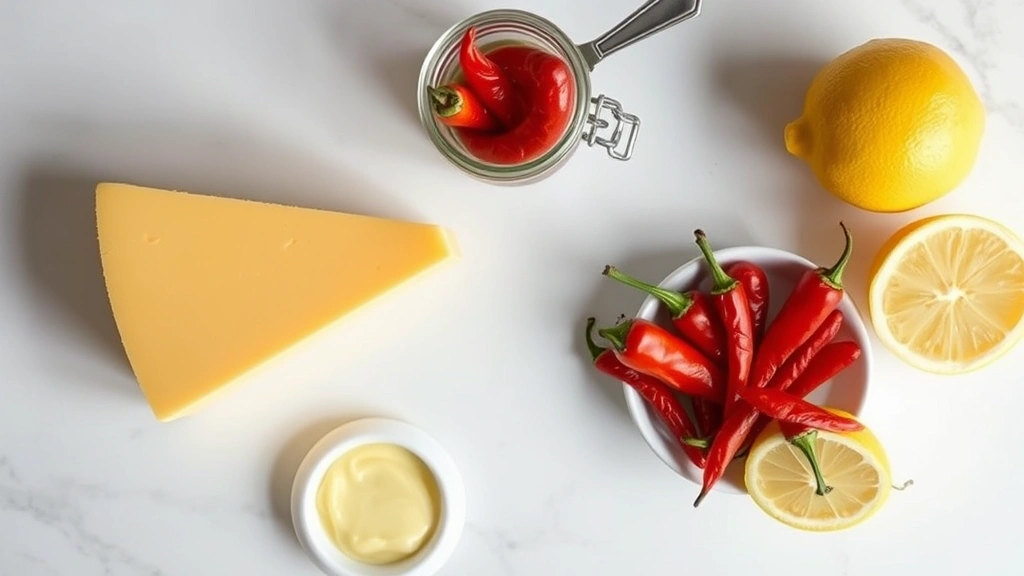
Creating an authentic pimento cheese requires understanding each ingredient’s role in the final product. The foundation begins with sharp aged cheddar cheese, preferably from a reputable dairy that produces cheese with complex flavor notes. Unlike processed cheese spreads, true pimento cheese relies on real cheddar that brings depth and character to every spoonful.
The essential ingredient list includes:
- Two pounds of sharp cheddar cheese, freshly grated rather than pre-shredded for optimal texture and melting properties
- One four-ounce jar of pimentos, drained and patted dry to remove excess moisture that could make the spread watery
- One cup of mayonnaise, preferably a quality brand with clean, simple ingredients
- Two tablespoons of finely diced roasted red peppers, for additional flavor and visual appeal
- One tablespoon of pickle relish, which adds a subtle tang and textural contrast
- One teaspoon of paprika, for warmth and subtle smokiness
- Half teaspoon of cayenne pepper, adjustable based on heat preference
- Salt and white pepper to taste, for seasoning balance
- One tablespoon of fresh lemon juice, to brighten flavors and prevent oxidation
Each ingredient serves a specific purpose in creating the perfect balance of flavors, much like how different fashion elements work together to create cohesive style. The quality of these ingredients directly impacts the final product, so sourcing from reputable suppliers ensures superior results.
Southern chefs emphasize the importance of using freshly grated cheese rather than pre-shredded varieties, which contain anti-caking agents that interfere with achieving the ideal creamy texture. The pimentos should be genuine roasted red peppers packed in water or oil, not the thin, flavorless imitations sometimes found in discount grocery stores. These seemingly small details make substantial differences in the final product’s quality and authenticity.
Step-by-Step Preparation Method
The preparation of pimento cheese is straightforward, requiring minimal equipment and focusing on proper technique rather than complex procedures. Begin by removing the cheddar cheese from refrigeration thirty minutes before preparation, allowing it to reach room temperature for easier combining and better flavor development.
Step One: Prepare Your Ingredients
Finely grate the sharp cheddar cheese using the smallest holes on a box grater or a food processor fitted with the shredding blade. Drain the canned pimentos thoroughly and pat them dry with paper towels to remove excess liquid. Finely dice any additional roasted red peppers and set all ingredients within easy reach of your work surface.
Step Two: Combine the Base
In a large mixing bowl, combine the room-temperature mayonnaise with the drained pimentos. Using a wooden spoon or spatula, gently mix these ingredients until evenly distributed. This creates the creamy foundation that will bind all other components together. The warmth of the cheese will help everything combine smoothly without requiring excessive mixing that could develop gluten or create an undesirable texture.
Step Three: Incorporate the Cheese
Add the freshly grated cheddar cheese to the mayonnaise mixture in several batches, folding gently after each addition rather than stirring vigorously. This folding technique prevents overworking the mixture and maintains the light, creamy texture that distinguishes authentic pimento cheese from dense, pasty versions. Continue folding until all cheese is evenly incorporated and the mixture appears uniform in color and consistency.
Step Four: Season and Adjust
Sprinkle the paprika, cayenne pepper, and pickle relish over the cheese mixture, then add fresh lemon juice. Fold these seasonings in gently, tasting as you go and adjusting heat level or salt content based on personal preference. Southern chefs often emphasize tasting at this stage to ensure the final product meets individual standards, as spice preferences vary considerably among home cooks.
Step Five: Final Refinement
Once all ingredients are combined, transfer the pimento cheese to a serving bowl or storage container. Some traditional recipes call for a final gentle mixing with an electric mixer on low speed for just thirty seconds, which aerates the mixture and creates an even lighter texture. However, this step remains optional and many purists prefer hand-folding exclusively to maintain complete control over the final consistency.
Variations and Modern Twists
While the traditional recipe remains beloved, creative Southern chefs have developed interesting variations that honor the original while introducing contemporary flavors and ingredients. Finding your personal style in cooking means understanding classic foundations while allowing room for individual expression and experimentation.
Spicy Pimento Cheese incorporates roasted jalapeños, additional cayenne pepper, and a splash of hot sauce for those who prefer bold, fiery flavors. This version appeals to cooks seeking to elevate the heat level while maintaining the dish’s essential character.
Bacon-Enhanced Pimento Cheese adds crispy crumbled bacon and a tablespoon of bacon fat to the mixture, creating a richer, smokier flavor profile that pairs beautifully with savory applications. This variation particularly suits appetizer platters and sophisticated entertaining.
Herb-Infused Variations introduce fresh or dried herbs such as thyme, rosemary, or basil, adding aromatic complexity and botanical notes. These versions appeal to cooks interested in Mediterranean influences while maintaining Southern roots.
Smoked Cheese Pimento Cheese substitutes a portion of regular sharp cheddar with smoked cheddar, creating deeper, more complex flavor dimensions that particularly suit grilled applications and upscale entertaining.
Artisanal Cheese Blends combine sharp cheddar with complementary cheeses such as aged gouda, white cheddar, or gruyère, creating more sophisticated flavor profiles suitable for refined entertaining and gourmet applications.
These variations demonstrate how traditional recipes serve as springboards for creative exploration, much like how fashion accessories transform classic outfits into personalized expressions of individual taste and style.
Serving Suggestions and Pairing Ideas
The versatility of pimento cheese makes it suitable for numerous serving occasions and applications. Understanding proper presentation elevates this classic spread from simple comfort food to sophisticated entertaining essential.
Traditional Applications
Classic pimento cheese sandwiches made with soft white bread remain the quintessential serving method, particularly for casual lunches and nostalgic gatherings. The combination of creamy spread, tender bread, and crisp lettuce creates textural contrast and flavor harmony that has pleased generations of Southern diners.
Appetizer Presentations
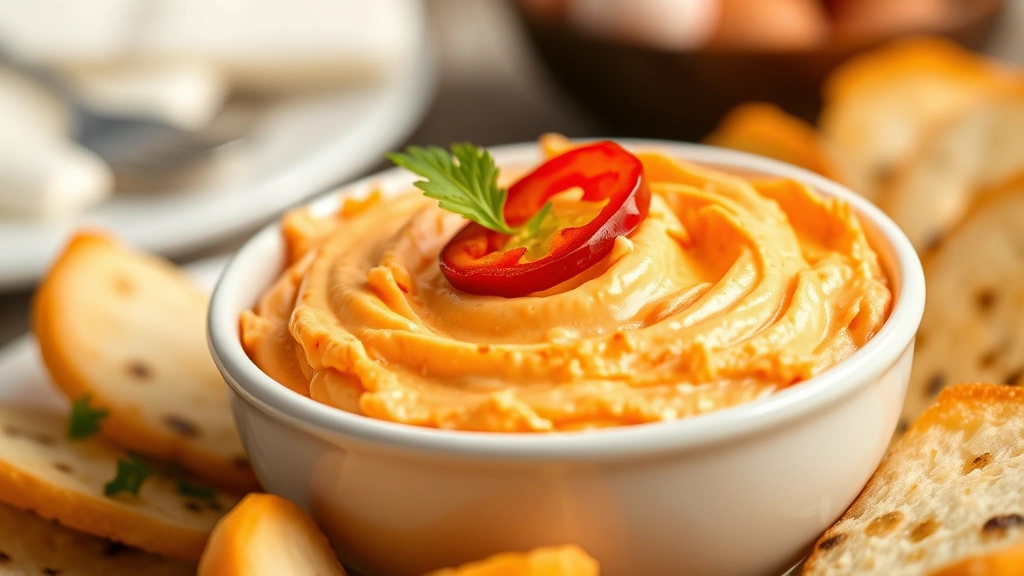
Serve pimento cheese on crispy crackers, toasted baguette slices, or homemade water crackers for elegant entertaining. The spread’s vibrant color and rich flavor make it visually striking on appetizer platters, where it inevitably becomes the first item to disappear. Garnish with a small pimento slice or fresh herb sprig for refined presentation.
Vegetable Dipping Vehicle
Present pimento cheese as a sophisticated dip alongside fresh vegetables such as celery sticks, bell pepper strips, cucumber rounds, and cherry tomatoes. This lighter application appeals to health-conscious guests while maintaining the spread’s essential character and appeal.
Cheese Board Component
Include pimento cheese on artisanal cheese boards alongside cured meats, fresh fruits, nuts, and specialty breads. Its creamy texture and vibrant color provide visual interest and flavor diversity that complements other cheese selections beautifully.
Baked Applications
Use pimento cheese as a filling for deviled eggs, a topping for baked tomatoes, or a layer in vegetable casseroles. These applications showcase the spread’s versatility and allow creative cooks to incorporate this classic ingredient into diverse dishes.
Gourmet Burger and Sandwich Topping
Modern chefs have discovered that pimento cheese makes an exceptional topping for upscale burgers, grilled sandwiches, and gourmet hot dogs. Its creamy richness balances savory proteins beautifully while adding sophisticated flavor dimensions.
Storage Tips and Shelf Life
Proper storage ensures pimento cheese maintains optimal quality and safety throughout its shelf life. Understanding storage best practices extends the enjoyment of this beloved spread while preventing waste and spoilage.
Refrigerator Storage
Transfer pimento cheese to an airtight glass container immediately after preparation. Properly stored in the refrigerator, homemade pimento cheese maintains peak quality for approximately two weeks. The mayonnaise and cheese combination creates a naturally preservative environment, though freshness gradually diminishes over time.
Container Selection
Glass containers with tight-fitting lids provide superior storage compared to plastic alternatives, which can absorb odors and flavors over time. The opacity of glass also protects the spread from light exposure, which can affect flavor and color over extended storage periods.
Freezing Considerations
While pimento cheese can technically freeze, the mayonnaise-based formulation may separate upon thawing, resulting in a less appealing texture. Most Southern chefs recommend consuming pimento cheese fresh rather than attempting to preserve it through freezing, as the quality difference becomes noticeable.
Quality Indicators
Fresh pimento cheese should smell pleasantly of cheese and roasted peppers, with no sour or off odors indicating spoilage. The texture should remain smooth and spreadable, with no signs of separation or mold growth. Any changes in appearance, smell, or taste warrant immediate disposal.
Why Southern Chefs Swear By This Recipe
Southern culinary traditions reflect deeply held values about hospitality, quality, and respect for ingredients. The enduring popularity of pimento cheese among professional and home chefs stems from multiple interconnected factors that explain this spread’s iconic status.
Simplicity Meets Sophistication
The beauty of authentic pimento cheese lies in its elegant simplicity. A handful of quality ingredients, combined with proper technique, creates a result far greater than the sum of its parts. This principle aligns with broader culinary philosophy emphasizing ingredient quality over excessive complexity—a philosophy gaining renewed appreciation among contemporary chefs seeking authentic, honest cooking.
Cultural Connection and Heritage
For many Southern cooks, preparing pimento cheese connects them to family history and regional identity. Recipes passed down through generations carry emotional resonance and cultural significance that extend beyond mere flavor. Understanding culinary history provides context for appreciating traditional recipes and recognizing their significance in broader cultural narratives.
Versatility and Reliability
Unlike trendy dishes that fade from popularity, pimento cheese remains eternally relevant. Its versatility allows application across numerous occasions and serving contexts, while its reliable flavor profile ensures consistent satisfaction. Home cooks appreciate recipes they can depend upon, knowing the results will please diverse guests and occasions.
Economic Efficiency
The modest ingredient list and straightforward preparation make pimento cheese economically sensible for home cooks and professional chefs alike. Quality results don’t require expensive specialty ingredients or complex techniques, making this spread accessible to cooks of all skill levels and economic circumstances.
Nutritional Substance
Unlike processed spreads laden with additives and preservatives, authentic pimento cheese provides genuine nutritional value. The cheese offers protein and calcium, while the pimentos contribute vitamins and antioxidants. This nutritional substance appeals to health-conscious cooks seeking satisfying foods with genuine dietary benefits.
Professional chefs throughout the South continue featuring pimento cheese on restaurant menus, recognizing its ability to draw patrons seeking authentic regional cuisine. The dish’s presence in fine dining establishments validates its sophistication while honoring its humble origins.
FAQ
Can I use pre-shredded cheddar cheese for pimento cheese?
While pre-shredded cheese is convenient, it contains anti-caking agents that prevent optimal melting and create a less creamy final texture. Freshly grated cheese produces superior results and is worth the minimal additional effort required.
How long does homemade pimento cheese last in the refrigerator?
Properly stored in an airtight glass container, homemade pimento cheese maintains peak quality for approximately two weeks. Always check for signs of spoilage before consuming, including off odors or unusual appearance.
Can I make pimento cheese without mayonnaise?
Mayonnaise provides the creamy binding element essential to traditional pimento cheese. Substitutes such as Greek yogurt or sour cream create different flavor profiles and textures, though they don’t replicate the original recipe’s distinctive character.
What’s the difference between pimentos and roasted red peppers?
Pimentos are smaller, sweeter peppers typically packed in jars, while roasted red peppers are larger bell peppers that have been charred and peeled. Both work in pimento cheese, though true pimentos offer more authentic flavor and traditional texture.
Can pimento cheese be served hot or cold?
Traditional pimento cheese is served at room temperature or chilled, showcasing its creamy texture and balanced flavors. However, some modern applications bake pimento cheese atop vegetables or meats, creating warm variations that offer different eating experiences.
What crackers pair best with pimento cheese?
Simple, neutral-flavored crackers such as water crackers, saltines, or classic round crackers complement pimento cheese without competing for flavor attention. Avoid heavily seasoned varieties that might overwhelm the spread’s subtle flavor notes.
Is pimento cheese gluten-free?
The basic pimento cheese recipe contains no gluten-containing ingredients, making it naturally suitable for gluten-free diets. However, always verify that mayonnaise and other ingredients meet gluten-free standards if serving guests with celiac disease or gluten sensitivity.
Can I prepare pimento cheese in advance for entertaining?
Yes, pimento cheese actually improves when prepared one to three days in advance, allowing flavors to meld and develop greater complexity. Prepare it early in the week for weekend entertaining, storing in an airtight glass container until serving.