How to Style Men’s Suits: Expert Insights on Fashion & Tailoring
The men’s suit remains one of fashion’s most timeless and versatile garments. Whether you’re dressing for a boardroom presentation, wedding celebration, or sophisticated evening event, mastering the art of suit styling elevates your entire presence. A well-styled suit communicates confidence, professionalism, and impeccable taste. However, styling men’s suits transcends simply throwing on a jacket and trousers—it requires understanding proportions, color theory, fabric selection, and the subtle details that transform an ordinary outfit into an extraordinary statement.
In today’s dynamic fashion landscape, suit styling has evolved dramatically. Modern menswear embraces both classic traditions and contemporary innovations, offering endless possibilities for personal expression. From oversized silhouettes to tailored fits, from neutral palettes to bold patterns, the contemporary suit wardrobe accommodates diverse aesthetic preferences and lifestyle needs. This comprehensive guide explores expert strategies for styling men’s suits that elevate your fashion game and ensure you always look your absolute best.
Understanding Suit Fit and Proportions
The foundation of exceptional suit styling begins with achieving the perfect fit. No amount of accessorizing can compensate for a poorly fitting suit, making this the absolute priority for any style-conscious man. A suit should enhance your silhouette, not overwhelm or constrict it. The jacket shoulders should align precisely with your natural shoulder line, creating clean lines that frame your upper body beautifully. Sleeve length matters tremendously—your shirt cuff should peek approximately half an inch below your jacket sleeve, establishing proper proportion and demonstrating attention to detail.
Jacket length represents another critical measurement. The coat should extend to approximately the middle of your hand when arms hang naturally at your sides. Too short and you appear awkward; too long and the proportion becomes unflattering. The chest should fit comfortably without pulling across buttons or creating excess fabric. You should be able to button the jacket with ease while maintaining a smooth line across your torso. Trouser break—the point where your pant leg meets your shoe—significantly impacts your overall silhouette. Modern styling favors a slight break or no break at all, creating cleaner lines and a more contemporary aesthetic compared to the heavier breaks popular in previous decades.
Understanding your body type helps determine which suit silhouettes flatter you most effectively. Lean frames benefit from structured fabrics and slightly roomier cuts that add dimension, while athletic builds can carry more tailored, fitted styles. Broader shoulders pair beautifully with single-breasted jackets, whereas double-breasted styles work wonderfully for slimmer frames, creating visual width and proportion. Don’t hesitate to invest in tailoring—professional alterations transform an off-the-rack suit into a custom-feeling garment that fits your body perfectly. This investment pays dividends in confidence and appearance.

Choosing the Right Suit Colors and Fabrics
Color selection profoundly influences how a suit functions within your wardrobe and complements your complexion. Navy represents the ultimate versatile choice—it works across seasons, occasions, and skin tones while projecting authority and sophistication. Charcoal gray offers similar versatility with a slightly edgier aesthetic. These neutral foundations allow infinite styling possibilities through accessory changes and layering variations. Exploring different fashion styles helps you determine which colors resonate with your personal aesthetic and lifestyle needs.
For those ready to embrace bolder statements, consider deep burgundy, forest green, or even subtle patterns like windowpane checks or subtle stripes. These choices demonstrate confidence and fashion-forward thinking while remaining professional and sophisticated. Seasonal considerations matter—lighter grays and taupes shine during warmer months, while richer, darker tones dominate fall and winter wardrobes. Understanding comprehensive fashion style guides provides insight into seasonal color theory and contemporary trends.
Fabric selection impacts both aesthetics and functionality. Wool remains the gold standard for suit construction, offering breathability, durability, and natural wrinkle resistance. Merino wool provides luxurious softness, while worsted wool delivers crisp definition and longevity. Fabric weight matters significantly—lighter weights work beautifully for spring and summer styling, while heavier weights provide structure and warmth during colder months. Cotton-wool blends offer practical advantages, increasing breathability without sacrificing the suit’s drape and structure. Some contemporary designers experiment with innovative synthetics that enhance performance while maintaining traditional suit aesthetics.
Mastering Shirt and Tie Combinations
The shirt you pair with your suit establishes the overall tone and formality level of your outfit. Classic white and light blue dress shirts provide timeless foundations that work with virtually any suit color or pattern. These neutral bases allow ties and accessories to shine as statement-making elements. The StyleLoom Daily Blog frequently explores innovative shirt and suit pairings that showcase contemporary menswear trends.
Contemporary styling embraces subtle patterns and textures—fine stripes, micro-checks, and refined textures add visual interest while maintaining professionalism. Collar choice significantly impacts your overall aesthetic. Spread collars work beautifully with wider tie knots and suit styles, creating balanced proportions. Point collars offer classic versatility, while club collars and cutaway styles make modern statements for those confident in their style choices. Ensure your collar fits comfortably without gaps or excessive tightness.
Tie selection deserves careful consideration. Width should complement your suit’s style and your frame—wider ties suit broader shoulders and contemporary suits, while slimmer ties work for leaner builds and modern, tailored silhouettes. Color coordination between suit, shirt, and tie creates visual harmony. Complementary color combinations demonstrate sophisticated understanding of color theory—pairing navy suits with burgundy ties and white shirts, or charcoal suits with deep green ties and light blue shirts, creates refined, intentional looks. Pattern mixing requires confidence but elevates your style significantly. A patterned suit with a solid tie, or solid suit with a patterned tie, creates visual interest without appearing chaotic.
Tie length should reach your belt buckle precisely—too short appears amateurish, while excessive length looks unkempt. The narrow end of your tie should hide behind the wide end, never visible when your jacket is buttoned. Consider investing in quality silk ties from reputable designers, as superior fabrics drape beautifully and age gracefully. Knit ties and textured options provide contemporary alternatives to traditional silk, offering visual interest and approachable sophistication.
Footwear and Accessory Styling
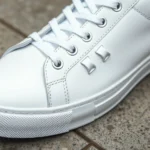
Shoes anchor your entire suit styling, making this choice critically important. Oxford shoes represent the most formal option, featuring closed lacing systems that project authority and traditional elegance. Loafers offer slightly more relaxed sophistication, perfect for business-casual suit styling or weekend events. Derby shoes provide structured formality while maintaining modern appeal. Modern menswear increasingly embraces sneaker styling with suits, creating deliberately casual-formal hybrid aesthetics that work beautifully for creative industries and contemporary events.
Color coordination between shoes and belt ensures polished cohesion. Black shoes pair perfectly with black belts and navy or charcoal suits for maximum formality. Brown leather shoes work beautifully with lighter suits and create warmer, approachable aesthetics. Matching your shoes and belt establishes visual continuity and demonstrates attention to detail. Quality matters tremendously—invest in well-constructed leather shoes that develop character and patina over time rather than cheap alternatives that deteriorate quickly.
Accessories elevate suit styling from competent to exceptional. Pocket squares add personality and visual interest—choose colors that complement or contrast with your tie for intentional styling. Cufflinks make powerful statements, particularly for French cuff shirts that demand this accessory. Watches serve both functional and aesthetic purposes; quality timepieces add sophistication and demonstrate appreciation for craftsmanship. Comprehensive fashion accessories guides explore how to select pieces that enhance rather than overwhelm your suit styling.
Lapel pins, boutonnières, and tie bars provide additional opportunities for personalization. These subtle touches demonstrate refined taste and attention to detail. However, restraint matters—too many accessories create cluttered, unfocused aesthetics. Choose two or three pieces maximum, ensuring they complement rather than compete with your suit and tie.
Casual Suit Styling for Modern Men
Contemporary menswear has democratized suit styling, extending these garments beyond formal occasions into everyday wear. Blazers paired with quality jeans create sophisticated casual looks perfect for date nights, creative workplaces, or weekend social events. This styling approach requires intentionality—ensure your jeans are well-fitting, appropriately colored (dark indigo or black work best), and free from excessive distressing. Pairing a blazer with white sneakers creates deliberately contemporary aesthetics that younger, fashion-forward men embrace successfully.
Unstructured blazers in lighter fabrics offer exceptional versatility for warm-weather casual styling. Linen and cotton-blend blazers work beautifully over t-shirts and casual shirts, creating effortlessly sophisticated weekend looks. Removing your tie and unbuttoning your collar transforms formal suit aesthetics into approachable, modern styling. Rolling your sleeves adds intentional casualness while revealing quality watch details.
Understanding how to find your personal style helps you determine which casual suit styling approaches align with your aesthetic preferences and lifestyle. Some men thrive with traditional formality, while others feel most confident in deliberately casual-formal hybrid aesthetics. Both approaches demonstrate valid style expression when executed with intention and confidence.
Seasonal Suit Styling Strategies
Seasonal changes demand strategic adjustments to your suit styling approach. Spring and summer styling prioritizes lighter fabrics, brighter colors, and breathable constructions. Lightweight wool, linen blends, and cotton-rich fabrics prevent overheating while maintaining suit structure. Lighter suit colors—cream, light gray, soft pastels—work beautifully during warmer months. Shorter sleeves and slightly less substantial fabric weights enhance comfort without sacrificing sophistication.
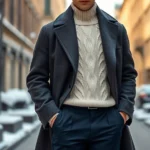
Layering becomes critical during fall and winter months. Quality knitwear worn beneath suit jackets adds warmth while creating refined aesthetics. Crew neck sweaters, v-neck sweaters, and turtlenecks work beautifully under suit jackets, adding texture and visual interest. Overcoats and topcoats provide essential warmth while elevating your overall aesthetic. A well-fitted overcoat extends slightly below your suit jacket, creating elegant proportions and demonstrating sophisticated understanding of formal menswear traditions.
Fabric weight adjustments matter significantly across seasons. Summer suits feature lighter weights (around 8-10 ounces), while winter suits employ heavier constructions (12-16 ounces) providing structure and insulation. Seasonal color transitions—moving from bright neutrals to rich, dark tones—feel natural and appropriate. Patterned suits featuring seasonal motifs, from subtle summer patterns to rich winter checks, add visual interest while remaining timelessly sophisticated.
Professional Tips from Style Experts
Vogue’s comprehensive suit styling guides emphasize that confidence represents the most important accessory. Wearing your suit with assurance transforms even modest pieces into powerful style statements. Expert stylists consistently recommend investing in quality basics—a navy suit, charcoal suit, and white dress shirt form the foundation of any professional menswear wardrobe. These versatile pieces accommodate infinite styling variations through accessory changes and layering adjustments.
The Sartorialist, renowned for capturing authentic street style, demonstrates that personal expression matters more than rigid rules. Modern suit styling embraces individuality—unconventional color combinations, unexpected patterns, and deliberate casual elements create memorable, distinctive looks. The most stylish men understand suit fundamentals while fearlessly experimenting within those parameters.
Tailoring receives universal endorsement from style professionals. Off-the-rack suits rarely fit perfectly—professional alterations represent essential investments that transform average suits into custom-feeling garments. Spend time finding skilled tailors who understand your body and style preferences. The relationship between a man and his tailor often spans years, with tailors becoming trusted advisors who understand your aesthetic evolution.
GQ’s suit buying guides stress the importance of understanding your lifestyle and dressing intentionally for your actual needs. A lawyer requires different suit styling than a creative professional or entrepreneur. Consider how you spend your time and choose suit colors, fabrics, and styles that work within your reality rather than aspirational ideals.
Trend awareness matters, but timelessness should guide your core suit selections. Invest in classic pieces that transcend seasonal trends, then experiment with contemporary styling through accessories, layering, and attitude. Business of Fashion provides excellent resources for understanding broader menswear trends while maintaining perspective on what remains eternally relevant.
Finally, expert stylists emphasize the importance of quality over quantity. Owning three exceptional suits that fit perfectly and work within your lifestyle proves far more valuable than accumulating numerous mediocre options. Focus on building a cohesive wardrobe where pieces work together, creating multiple outfit combinations from limited pieces. This strategic approach maximizes versatility while maintaining financial responsibility.
FAQ
What suit color works best for fair skin tones?
Light-skinned individuals look stunning in charcoal gray, navy, and even softer tones like taupe or light gray. These colors create beautiful contrast without overwhelming fair complexions. Experiment with subtle patterns and textures to add visual interest while maintaining flattering proportions.
How often should I have my suit tailored?
Initial tailoring is essential when purchasing a suit. After that, professional cleaning and minor adjustments every 1-2 years maintain your suit’s optimal fit, especially if your body changes. Work with your tailor to address any fit issues promptly before they worsen.
Can I wear a suit to casual events?
Absolutely. Modern suit styling embraces casual-formal hybrids. Remove your tie, unbutton your collar, roll your sleeves, and pair your suit with sneakers or casual shoes for deliberately approachable aesthetics that work beautifully at social events.
What’s the difference between single-breasted and double-breasted suits?
Single-breasted suits feature one column of buttons and offer versatile, contemporary aesthetics. Double-breasted suits feature two columns of buttons, creating visual width and more traditional, formal impressions. Choose based on your body type and personal style preferences.
How do I care for my suit to ensure longevity?
Hang your suit on quality hangers immediately after wearing. Dry clean only when necessary—brushing and airing out your suit between wears extends fabric life significantly. Store in breathable garment bags away from direct sunlight. Professional pressing maintains crisp lines and professional appearance.
Should my tie match my pocket square?
Not necessarily. Complementary or contrasting combinations often create more interesting aesthetics than exact matches. Experiment with color theory to create intentional, sophisticated combinations that demonstrate personal style and fashion confidence.