Men’s Fall Fashion Trends: Expert Insights
As the leaves turn golden and temperatures drop, men’s fall fashion undergoes a dramatic transformation. This season brings a compelling blend of heritage craftsmanship, modern minimalism, and daring color palettes that challenge traditional autumn conventions. Industry experts and trend forecasters are unanimous in their assessment: fall 2024 is shaping up to be one of the most exciting and accessible seasons for men’s style in recent years.
Whether you’re a seasoned fashion enthusiast or someone looking to refresh your wardrobe for the cooler months, understanding the key trends can elevate your personal aesthetic and ensure you’re dressing with intention and confidence. This comprehensive guide explores the most influential men’s fall fashion trends, backed by insights from leading fashion authorities and style experts who are shaping the industry’s direction.
Rich Earth Tones and Jewel Palettes
The color story for men’s fall fashion this year moves beyond the predictable blacks and navies that have dominated previous seasons. According to Vogue’s fashion forecasting team, we’re witnessing a decisive shift toward rich, sophisticated color combinations that reflect both natural landscapes and contemporary artistic movements.
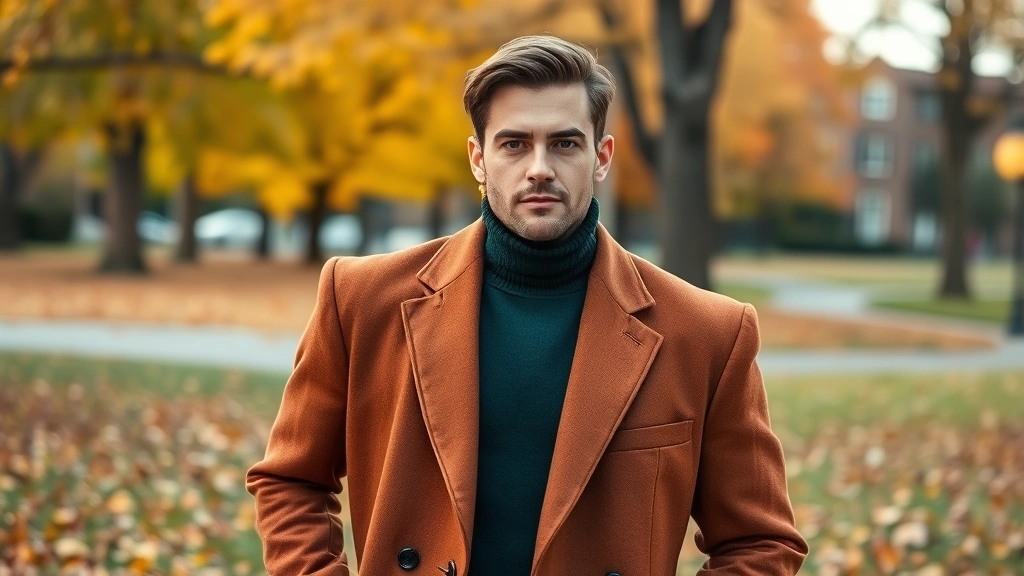
Burnt sienna, deep terracotta, warm chocolate browns, and forest greens form the foundation of this season’s palette. But here’s where it gets interesting: these earthy tones are being paired with unexpected jewel tones—emerald, sapphire, and burgundy—creating a visual richness that feels both grounded and luxurious. This approach allows men to express personality while maintaining the sophisticated restraint that characterizes refined menswear.
When exploring fashion style for autumn, consider how these colors interact with your skin tone and existing wardrobe. A burnt orange knit sweater becomes a statement piece, while a deep olive chinos offers versatility across multiple outfit combinations. The key is understanding that these aren’t aggressive colors—they’re inviting, warm, and inherently flattering during the months when natural light becomes scarcer.
Fashion retailers and designers like Raf Simons have been instrumental in legitimizing this color direction, incorporating these palettes into their collections and influencing how major brands approach their seasonal offerings. The psychological impact of these colors also matters—they evoke comfort, stability, and a connection to nature, which resonates deeply as we transition from summer’s brightness.
Oversized Silhouettes and Relaxed Tailoring
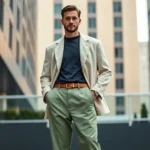
One of the most significant shifts in men’s fall fashion is the continued embrace of oversized and relaxed silhouettes. This isn’t about poor fit or sloppy dressing; rather, it represents a sophisticated recalibration of what tailoring means in contemporary menswear. The rigid, body-hugging silhouettes of the 2010s have given way to more generous proportions that prioritize comfort and movement.
Oversized blazers, straight-leg trousers, and roomy cardigans dominate this season’s offerings. These pieces work because they convey confidence—a man who wears an oversized coat doesn’t need to prove anything through aggressive tailoring. The fit communicates ease and self-assurance. When exploring different types of fashion, you’ll notice that this relaxed approach transcends casual and formal categories, appearing across both contexts.
The technical execution matters significantly. A well-constructed oversized piece maintains structure at the shoulders, features appropriate sleeve length, and balances proportions across the entire silhouette. This is where quality becomes paramount—a poorly made oversized garment simply looks unfinished, while a well-tailored one exudes intentionality. Brands specializing in contemporary tailoring have refined this approach, proving that relaxed doesn’t mean careless.
Pairing oversized pieces requires strategic thinking. An oversized sweater pairs beautifully with tapered or straight-leg trousers, creating visual balance. An oversized coat works with fitted base layers underneath. Understanding these proportional relationships separates stylish dressing from costume-like attempts at trend adoption. This principle applies whether you’re developing your personal style or simply updating seasonal basics.
Layering as an Art Form
Fall fashion fundamentally revolves around layering, but this season elevates the practice from practical necessity to aesthetic principle. Expert stylists emphasize that layering isn’t about throwing on multiple pieces; it’s about creating visual depth, texture contrast, and tonal sophistication.
The foundation typically begins with a lightweight base—a fitted long-sleeve t-shirt or thin merino wool layer. The middle layer introduces texture and color: perhaps a knit sweater, cardigan, or overshirt. The outer layer provides structure and weather protection: a jacket, blazer, or coat. But here’s where artistry enters: each layer should be slightly visible, creating intentional visual interest.
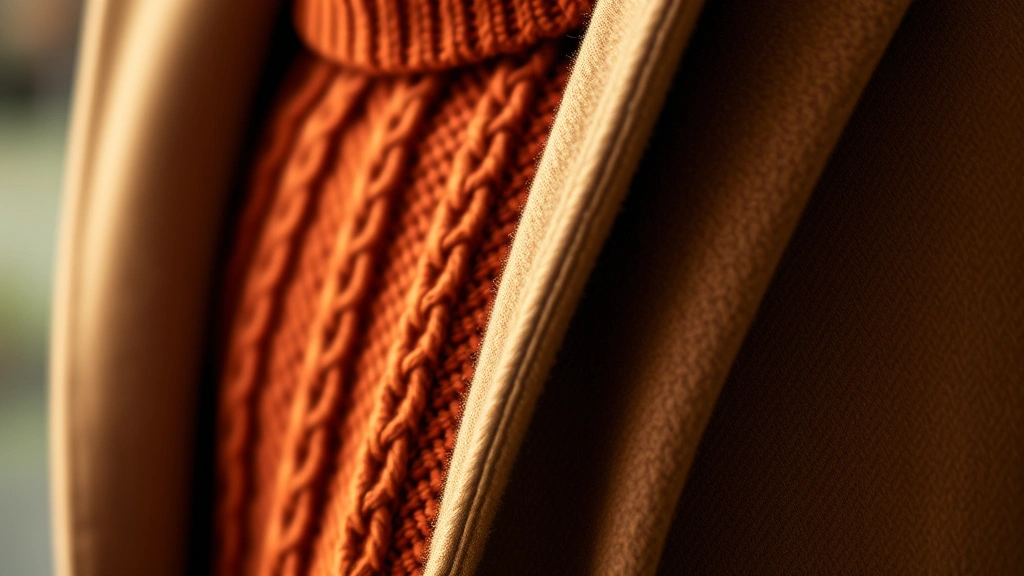
Consider a practical example: cream merino base, rust-colored cable-knit sweater, and an oversized camel wool coat. The cream peeks out at the neck and wrists, the sweater’s texture is visible through the coat’s open front, and the proportional relationship between pieces creates harmony. This approach to men’s fall fashion requires thinking about how pieces interact rather than how individual items perform.
Texture becomes equally important as color in layering. Combining smooth wool with chunky knits, matte fabrics with subtle sheen, and structured materials with organic drape creates visual complexity that engages the eye. This is why fashion experts like those featured in Esquire’s style section consistently emphasize texture awareness in their recommendations.
Vintage and Heritage Pieces
There’s a palpable nostalgia running through men’s fall fashion this season, but it’s a sophisticated nostalgia rather than mere retro revival. Designers are drawing inspiration from archival pieces—vintage workwear, heritage military garments, and classic sportswear—and reinterpreting them through contemporary lenses.
Vintage-inspired field jackets, heritage denim, and classic wool sweaters feel relevant because they’re constructed with contemporary proportions and modern fabrics. A vintage-style trucker jacket, for instance, might feature the classic silhouette but in an oversized cut with updated hardware. This approach respects tradition while embracing modernity.
The appeal of vintage and heritage pieces extends beyond aesthetics to values. Many men are increasingly conscious of sustainability and quality, preferring timeless pieces that transcend seasonal trends. A well-made vintage-inspired wool coat becomes a long-term investment rather than a disposable garment. This philosophy aligns with broader conversations about fashion education and the importance of understanding garment construction and longevity.
Shopping for vintage-inspired pieces requires discernment. Authentic vintage offers character and genuine history, while heritage-inspired contemporary pieces provide reliability and modern construction. Both have merit depending on your priorities. Some men prefer the patina and individuality of genuine vintage, while others appreciate the consistency and accessibility of heritage-inspired contemporary offerings.
Functional Fashion and Technical Fabrics
The intersection of fashion and function has never been more pronounced in men’s fall fashion. Technical fabrics once relegated to athletic wear have infiltrated high fashion, creating garments that perform as well as they look. This trend reflects broader lifestyle changes where the boundaries between casual, professional, and athletic wear have blurred considerably.
Advanced wool blends offer moisture-wicking properties while maintaining breathability. Technical cotton resists wrinkles and maintains color integrity through repeated washing. Innovative synthetic blends provide weather resistance without sacrificing aesthetic appeal. These aren’t gimmicks—they represent genuine improvements in garment functionality that enhance daily life.
Brands pioneering this approach understand that modern men want clothing that works as hard as they do. A blazer that resists stains and wrinkles, trousers with hidden stretch that maintains a sharp crease, and coats with water-resistant finishes appeal to practical sensibilities without compromising style. This functionality doesn’t announce itself through visible technical elements; instead, it operates invisibly, allowing the garment to perform its function seamlessly.
The rise of functional fashion also reflects changing attitudes toward durability. Men increasingly want pieces that justify their investment through longevity and reliable performance. A technical wool sweater that resists pilling, maintains its shape, and requires minimal care becomes more valuable than a delicate luxury knit requiring careful maintenance. This practical mindset is reshaping how designers approach material selection and construction techniques.
Accessory Game Elevation
If clothing provides the foundation, accessories deliver the signature. This season’s men’s fall fashion trends emphasize accessory statements that elevate entire outfits. Scarves, hats, belts, and jewelry move beyond utilitarian functions to become key style expressions.
Knit scarves in textured yarns, wool beanies in rich colors, and structured hats like fedoras and bucket hats offer immediate personality injections. Quality leather belts in warm cognac or deep chocolate tones provide both function and style. Jewelry—whether minimalist chains, statement rings, or vintage watches—adds individual flourish that distinguishes personal style.
What makes this season’s accessory trends distinctive is their integration rather than addition. Accessories aren’t afterthoughts but integral components of outfit construction. A carefully selected scarf might echo the color of your sweater while introducing textural contrast. A vintage watch becomes a conversation piece and functional element. This holistic approach ensures accessories enhance rather than overwhelm.
Bag selection also matters significantly. Structured leather briefcases, canvas totes, and vintage-inspired messenger bags carry practical items while contributing to overall aesthetic. The key is selecting pieces that align with your outfit’s tone and proportions. An oversized coat pairs well with a substantial leather bag, while a tailored blazer suits a more refined accessory approach.
Footwear Statements
Shoes anchor every outfit, and men’s fall fashion this season offers exciting footwear options that transcend the usual suspects. While classic leather dress shoes and minimalist sneakers remain relevant, the trend narrative shifts toward boots and distinctive silhouettes that command attention.
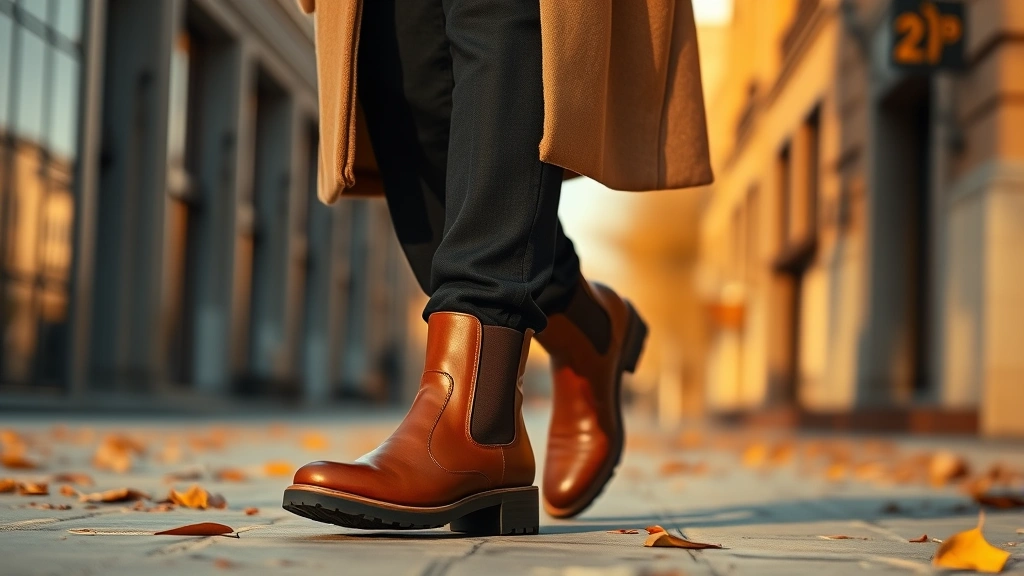
Chelsea boots, lace-up work boots, and crepe-soled desert boots dominate this season. These styles work across contexts—from professional settings to casual weekend wear—making them practical investments. The key is selecting quality construction with materials that age gracefully, developing character over time rather than deteriorating.
Color and texture in footwear also expand this season. Cognac leather, suede in rich browns and greens, and even patterned options become acceptable. A pair of distinctive boots can serve as an outfit’s focal point, with clothing choices building around the footwear statement. This approach inverts traditional dressing logic where shoes simply complete an outfit; instead, shoes can initiate the design process.
Sneaker culture continues evolving within men’s fall fashion, with heritage athletic brands collaborating with fashion designers to create sophisticated casual footwear. These pieces blur lines between sportswear and streetwear, offering versatility for men who prioritize comfort alongside style. The sophistication comes through material quality, color restraint, and intentional design rather than obvious branding.
Sustainable and Ethical Choices
Perhaps the most significant underlying trend in men’s fall fashion is the shift toward sustainability and ethical consumption. This isn’t merely trendy virtue signaling; it represents fundamental changes in how designers, retailers, and consumers approach fashion.
Brands are increasingly transparent about supply chains, material sourcing, and production practices. Men are responding positively to this transparency, seeking brands that align with their values. Organic cotton, responsibly sourced wool, and recycled materials appear across contemporary collections, proving that ethical choices don’t require aesthetic compromise.
The sustainability movement also encourages longevity thinking. Rather than purchasing multiple disposable items, many men now invest in fewer, higher-quality pieces designed to last years rather than seasons. This approach reduces overall consumption while often delivering better style results—a well-made garment in a classic style transcends trends more effectively than fast-fashion approximations.
Supporting ethical fashion practices has become integral to contemporary menswear consciousness. Whether through fair-trade certifications, transparent manufacturing practices, or commitment to reducing environmental impact, the most forward-thinking brands are proving that responsibility and style aren’t mutually exclusive.
FAQ
What are the most important men’s fall fashion colors?
This season emphasizes burnt sienna, terracotta, deep browns, forest greens, and jewel tones like emerald and burgundy. These rich colors offer sophistication while flattering most skin tones during months with reduced natural light.
How do I wear oversized pieces without looking sloppy?
Focus on proportional balance by pairing oversized tops with fitted bottoms and vice versa. Ensure pieces maintain structure at key points like shoulders, and verify sleeve length reaches your wrist bone. Quality construction is essential—poorly made oversized garments appear unfinished.
What’s the difference between vintage and heritage-inspired pieces?
Authentic vintage garments offer genuine history and unique character but may require careful maintenance. Heritage-inspired contemporary pieces respect traditional design while featuring modern construction, proportions, and reliable quality control.
How do I start layering effectively?
Begin with a fitted base layer, add a textured middle layer in contrasting color or material, and finish with a structured outer layer. Ensure each layer is slightly visible and consider how textures and tones interact across all pieces.
Are technical fabrics worth the investment?
Yes, if you value durability and functionality. Technical fabrics often resist wrinkles, maintain shape better, and require less maintenance than delicate alternatives. This longevity justifies higher initial investment for pieces you’ll wear frequently.
What footwear works best for men’s fall fashion?
Chelsea boots, lace-up work boots, and crepe-soled desert boots offer versatility across contexts. Quality construction and materials that age gracefully are more important than specific styles. Select pieces that complement your wardrobe’s overall aesthetic.