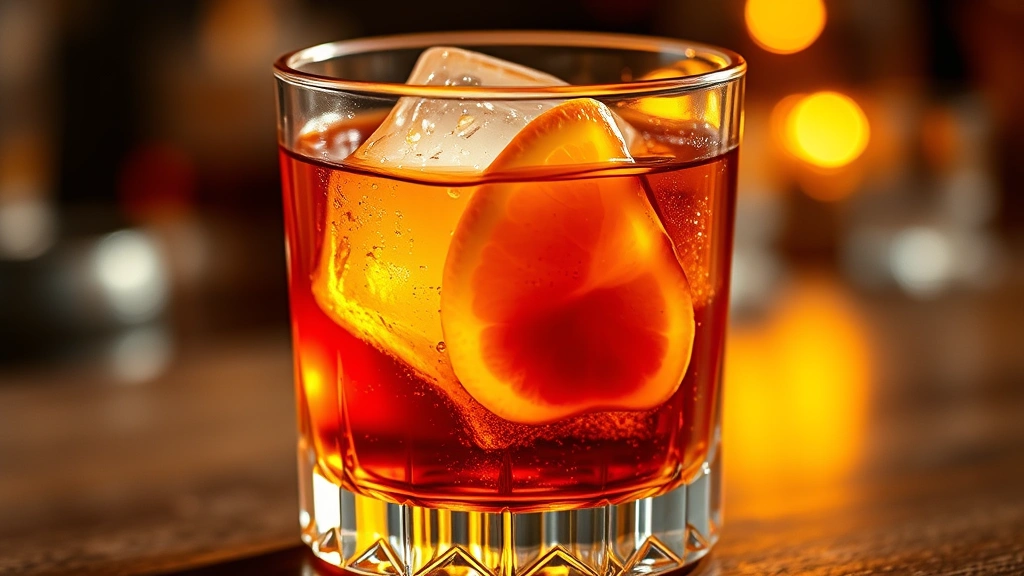
Maple Old Fashioned Recipe: Bartender’s Guide to Crafting the Perfect Drink
The maple old fashioned represents a sophisticated evolution of the classic cocktail, blending timeless bartending traditions with contemporary flavor profiles that appeal to the modern palate. This elevated spirit-forward drink has become a staple in craft cocktail bars and upscale lounges worldwide, offering a perfect balance of sweetness, warmth, and complexity that transforms the traditional old fashioned into something truly special. Whether you’re a seasoned bartender looking to expand your repertoire or a home mixologist eager to impress guests, mastering the maple old fashioned recipe will elevate your cocktail game to professional levels.
The beauty of this particular variation lies in its versatility and the way maple syrup’s nuanced flavor profile interacts with premium spirits and aromatic bitters. Unlike standard old fashioneds that rely on simple sugar or muddled fruit, the maple version introduces a depth of flavor that evokes autumn warmth, woody undertones, and subtle caramel notes. This guide will walk you through every aspect of crafting the perfect maple old fashioned, from ingredient selection to advanced techniques that professional bartenders use to create memorable drinking experiences.
Essential Ingredients for the Perfect Maple Old Fashioned
Creating an exceptional maple old fashioned begins with understanding the foundational components that define this cocktail. The classic recipe requires precision and quality ingredients that work in harmony to produce a balanced, memorable drink. At its core, you’ll need premium whiskey—typically bourbon or rye—which serves as the spirit foundation that carries and complements the maple notes throughout the tasting experience.
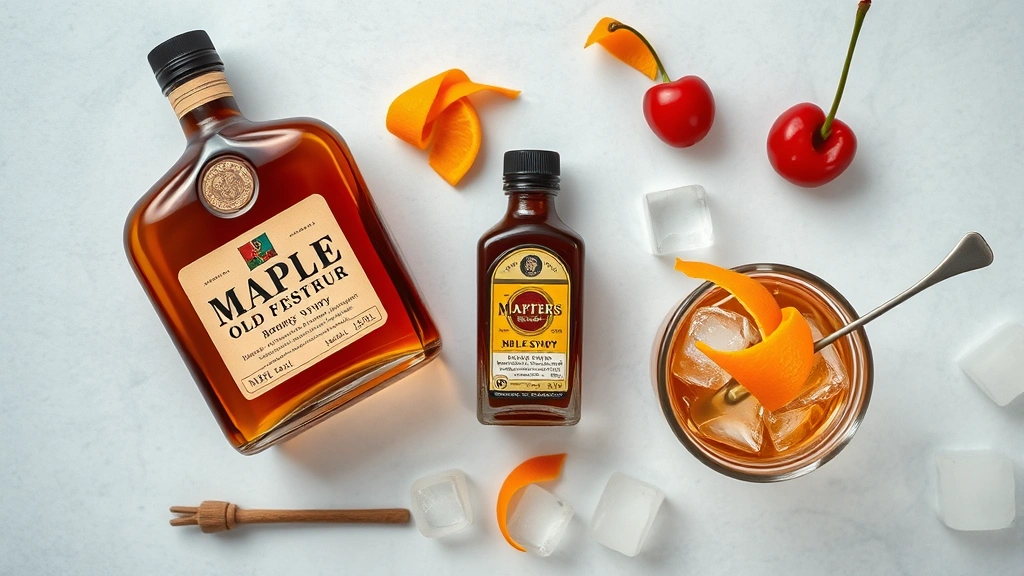
The primary ingredients you’ll need include two ounces of your chosen whiskey, one-half ounce of pure maple syrup (preferably Grade A or Grade B for deeper flavor), two to three dashes of Angostura bitters, and optionally one dash of orange bitters for added complexity. Beyond these essentials, you’ll require ice—specifically large, quality ice cubes that melt slowly and maintain the drink’s temperature without over-dilution. Fresh water, either filtered or spring water, becomes crucial for achieving the perfect dilution ratio that professional bartenders understand instinctively. Finally, you’ll want fresh citrus for garnishing and a cherry or orange peel to complete the presentation.
Understanding the role of each ingredient transforms your approach to this drink. The whiskey provides the structural backbone; the maple syrup adds sweetness and complexity; the bitters introduce botanical notes and depth; and the ice becomes the silent orchestrator of proper dilution and temperature. When you explore bartending culture and mixology trends, you’ll discover that ingredient quality directly impacts the final product’s sophistication and appeal.
Choosing Your Spirits Wisely
The selection of whiskey represents perhaps the most critical decision in crafting your maple old fashioned. Different whiskey styles will dramatically alter the character of your final drink, and understanding these nuances separates amateur bartenders from true professionals. Bourbon whiskey, with its higher corn content and naturally sweeter profile, pairs beautifully with maple syrup, creating a harmonious flavor progression that feels both familiar and innovative.
Rye whiskey, conversely, brings spicier, peppery notes that create an interesting tension with the maple’s sweetness, resulting in a more complex and sophisticated drinking experience. For those seeking a middle ground, wheated bourbons offer softer, rounder characteristics that allow the maple flavor to shine without competition. When selecting your spirit, look for bottles in the forty to fifty proof range—higher proof spirits will provide better structure and prevent the drink from becoming overly sweet or cloying.
Consider experimenting with single barrel or small batch whiskeys that offer unique flavor profiles unavailable in standard bottles. Japanese whiskies have gained prominence in craft cocktail circles, and their delicate nature can produce intriguing results when combined with maple. The attention to detail and refinement required in mixology mirrors the precision found in high fashion design, where every element contributes to the overall aesthetic and experience. Premium spirits from craft distilleries often provide distinctive characteristics that elevate your cocktail from ordinary to extraordinary, making them worthwhile investments for serious home bartenders.
The Art of Maple Syrup Selection
Not all maple syrups are created equal, and understanding the differences between grades becomes essential for crafting superior maple old fashioneds. The Vermont Pure Maple Syrup grading system categorizes products from Golden to Very Dark, with each grade offering distinct flavor intensities and color profiles. Golden maple syrup, the lightest option, provides delicate, subtle maple flavors that won’t overpower other ingredients, making it ideal for bartenders who prefer balance and subtlety in their cocktails.
Amber maple syrup, the most commonly used grade in bars, offers a perfect middle ground with pronounced maple flavor and medium body that complements whiskey beautifully. Dark maple syrup brings deeper, more robust flavors with hints of molasses and caramel that create complexity and richness. Very Dark maple syrup, the strongest option, works best in cocktails where you want the maple character to dominate, or when combining with other strong flavors that can stand up to its intensity.
Pure maple syrup differs fundamentally from pancake syrup and maple-flavored products, which contain additives and artificial ingredients that will compromise your drink’s quality. Always verify that your chosen syrup lists only one ingredient: maple syrup. Grade B maple syrup, despite its lower classification, actually contains more minerals and nutrients than lighter grades, offering superior flavor depth that professional mixologists often prefer. When exploring different types and categories of cocktail ingredients, you’ll find that premium maple syrup represents an investment in quality that directly translates to customer satisfaction and repeat business. Some bartenders even source maple syrup from specific producers or regions, much like sommeliers select wines from particular vineyards.
Step-by-Step Preparation Technique
Mastering the proper preparation technique ensures consistency and quality in every maple old fashioned you create. Begin by chilling your glass—a rocks glass or old fashioned glass—by filling it with ice and allowing it to sit while you prepare the drink. This seemingly simple step makes an enormous difference in the final product’s temperature and overall experience. While your glass chills, measure exactly two ounces of your chosen whiskey into a mixing glass or cocktail mixing vessel.
Add one-half ounce of pure maple syrup directly to the mixing glass. Some bartenders prefer to measure syrup by weight rather than volume for absolute precision, using approximately fifteen milliliters. Next, add two to three dashes of Angostura bitters and one optional dash of orange bitters if you desire additional citrus complexity. Fill your mixing glass with ice—use large cubes if available, as they provide better temperature control and slower dilution than smaller ice pieces.
Now comes the critical technique: stir vigorously for approximately ten to fifteen seconds. This stirring action accomplishes multiple objectives simultaneously. It properly chills the drink to the ideal serving temperature, creates appropriate dilution by incorporating water from the melting ice, and ensures complete integration of the maple syrup with the other ingredients. Under-stirring results in inadequate dilution and temperature, while over-stirring can lead to excessive dilution that weakens the drink’s character.
Once properly stirred, empty the ice from your chilled glass and strain the cocktail into it using a julep strainer or bar strainer. Add one large ice cube or two to three medium cubes to the glass—the ice should fill approximately three-quarters of the glass’s volume. This final ice addition serves multiple purposes: it maintains the drink’s temperature throughout consumption, provides visual appeal, and prevents the drink from becoming too diluted as the ice melts over time. The entire process, from start to finish, should take no more than thirty seconds in a professional bar setting.
Advanced Bartending Tips and Variations
Professional bartenders constantly innovate and experiment with classic recipes, creating variations that honor tradition while exploring new flavor possibilities. One popular advancement involves infusing the whiskey with additional aromatics before preparing the cocktail. Smoking the glass with cedar or oak smoke before serving creates an immersive sensory experience that transforms the drinking encounter into something theatrical and memorable. Simply hold the glass over a burning cedar sprig for a few seconds, allowing the smoke to permeate the glass and coat the interior surfaces.
Temperature control represents another advanced technique that separates exceptional bars from average ones. Some bartenders pre-chill their spirits in the freezer, use cracked ice in addition to whole cubes, or even employ specialized ice-making techniques that produce crystal-clear cubes with superior density and slower melt rates. The addition of a single drop of maple-infused bitters—created by steeping maple wood chips in bitters base—adds another layer of sophistication and demonstrates technical mastery. Understanding how to find your personal bartending style allows you to develop signature variations that reflect your unique approach and preferences.
Consider creating a maple-forward version by increasing the maple syrup to three-quarters of an ounce while reducing the whiskey slightly, producing a sweeter, more dessert-like cocktail perfect for after-dinner service. Conversely, a spirit-forward version uses only one-quarter ounce of maple syrup and four dashes of bitters, appealing to drinkers who prefer less sweetness and more complexity. Some innovative bartenders incorporate a small amount of walnut liqueur or pecan liqueur to enhance the nutty undertones present in quality maple syrup. Others experiment with different bitters varieties—chocolate bitters, walnut bitters, or even house-made bitters infused with local botanicals—to create unique flavor combinations unavailable elsewhere.
The technique of fat-washing spirits has gained popularity among creative bartenders. By infusing bourbon with rendered bacon fat, clarified butter, or even maple-smoked salt, you create complex flavor interactions that elevate the entire cocktail. These advanced techniques require practice and experimentation, but they demonstrate a commitment to craft that customers recognize and appreciate. Like fashion influencers who develop distinctive personal aesthetics, bartenders who master these advanced techniques become recognized specialists known for their innovative approaches and technical excellence.
Presentation and Garnishing Excellence
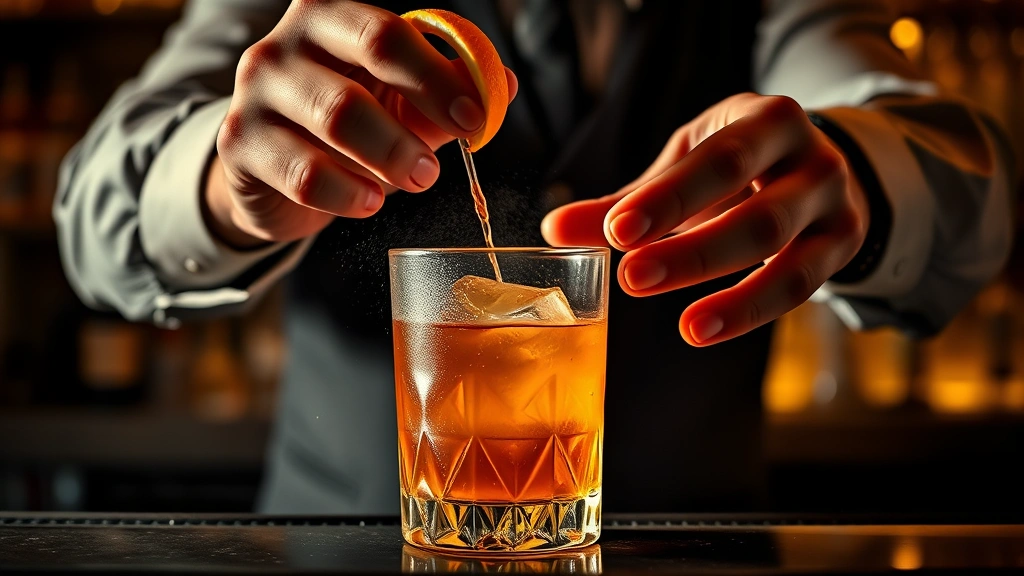
The visual presentation of your maple old fashioned contributes significantly to the overall drinking experience and customer satisfaction. While a simple cherry and orange peel represent the classic garnish, modern bartenders elevate this presentation through creative techniques and premium garnishing ingredients. A perfectly expressed orange peel—twisted over the drink’s surface to release essential oils—adds aromatic complexity and visual elegance that customers immediately appreciate.
Flamed orange peels create a dramatic presentation element that catches light beautifully and adds subtle caramelization to the aromatics. Simply hold an orange peel over a lit match or lighter, allowing the citrus oils to ignite briefly as they spray over the drink’s surface. This technique requires practice to execute safely and effectively, but it creates an unforgettable visual moment that enhances the perceived value and sophistication of the cocktail. Some bartenders use dehydrated citrus wheels or candied orange slices as garnishes, adding textural interest and visual appeal.
The cherry selection deserves more consideration than many bartenders provide. Standard maraschino cherries, with their artificial color and flavor, detract from a premium cocktail’s quality. Instead, source high-quality cocktail cherries that feature natural ingredients, proper preservation methods, and authentic fruit flavor. Luxardo maraschino cherries represent the gold standard, offering superior taste and texture that complement the drink beautifully. Some progressive bars create their own house-made cherries, infusing them with bourbon, maple, or spices that tie directly into their signature cocktail programs.
Consider adding a single large ice cube made from maple-infused water or bourbon-infused ice, which slowly releases additional flavor as it melts throughout the drinking experience. Smoking the glass before serving, as mentioned previously, adds an theatrical element that creates conversation and demonstrates technical expertise. The glassware selection itself contributes to presentation—a heavy-bottomed rocks glass conveys quality and permanence, while the drink’s deep amber color looks stunning when properly lit in a well-designed bar environment. These presentation details work together to create a cohesive experience that justifies premium pricing and generates customer loyalty.
Pairing Your Maple Old Fashioned
Understanding food and drink pairing principles elevates your maple old fashioned from a standalone cocktail into part of a comprehensive culinary experience. The drink’s maple sweetness, whiskey warmth, and bitter complexity pair beautifully with specific food categories that complement rather than compete with these flavors. Rich, fatty foods like duck confit, pork belly, or grilled steak benefit from the cocktail’s ability to cut through richness while its sweetness echoes savory caramelization created during cooking.
Smoked meats and barbecue represent ideal pairing partners, with the maple notes creating natural harmony with smoke-infused proteins. The bourbon’s vanilla undertones complement hickory or oak smoke beautifully, while the bitters add sophistication to casual dining contexts. Aged cheeses, particularly sharp cheddar, gouda, or smoked varieties, pair exceptionally well with this cocktail. The maple’s sweetness balances cheese’s saltiness, while the whiskey’s heat cleanses the palate between bites. Desserts featuring maple, caramel, pecan, or chocolate create natural flavor affinities that make the cocktail feel intentional rather than accidental.
In fine dining contexts, bartenders might recommend the maple old fashioned alongside a course featuring seared foie gras, roasted root vegetables with maple glaze, or autumn-inspired dishes celebrating seasonal ingredients. The cocktail works equally well as an aperitif before dinner or as a digestif following the meal, demonstrating its versatility across dining occasions. When exploring how influential bartenders shape drinking culture and trends, you’ll notice that those earning recognition for their craft understand food pairing principles as thoroughly as their cocktail-making techniques.
Consider the time of year when recommending this cocktail. Its autumn flavors make it perfect for fall and winter service, though the drink’s sophistication and complexity work year-round for clientele who appreciate spirited cocktails regardless of season. Restaurants featuring seasonal menus should prominently feature the maple old fashioned during fall months, positioning it as the signature cocktail that captures the season’s essence. This strategic approach to menu development creates coherence and demonstrates thoughtful curation that customers appreciate and reward with loyalty.
Frequently Asked Questions
What’s the difference between maple old fashioned and regular old fashioned?
The primary difference lies in the sweetening agent. Traditional old fashioneds use simple syrup or sugar cubes, while maple old fashioneds substitute pure maple syrup, introducing distinct maple flavor notes, deeper color, and more complex taste profiles. Maple syrup also provides natural minerals and a richer mouthfeel compared to refined sugar, creating a more sophisticated drinking experience that appeals to modern palates seeking complexity and authenticity.
Can I make maple old fashioneds in large batches for parties?
Yes, though professional bartenders typically prefer preparing individual cocktails for optimal quality control. If batch-preparing is necessary, combine whiskey, maple syrup, and bitters in a pitcher, then divide among ice-filled glasses and stir each drink individually with a bar spoon. Alternatively, prepare the whiskey-maple-bitters mixture in advance, then add fresh ice and stir each drink separately just before serving to ensure proper temperature and dilution.
What type of ice works best for maple old fashioneds?
Large, dense ice cubes made from filtered water provide optimal results. These cubes melt slowly, maintaining proper temperature without over-diluting the drink. Some premium bars invest in specialized ice-making equipment that produces clear, crystal-like cubes with superior density. Avoid small ice chips, which melt too quickly and over-dilute the cocktail, compromising flavor balance and overall quality.
Should I use light or dark maple syrup?
This depends on personal preference and desired flavor intensity. Golden maple syrup provides subtle, delicate flavors ideal for bartenders preferring balance and restraint. Amber maple syrup, the most popular choice, offers pronounced maple character with medium body. Dark maple syrup creates deeper, more robust flavors perfect for those seeking maximum maple impact. Experiment with different grades to discover your preference and develop house-made variations that reflect your bartending philosophy.
Can I substitute maple syrup with other sweeteners?
While technically possible, substituting maple syrup with simple syrup, honey, or agave nectar creates fundamentally different cocktails lacking the maple old fashioned’s distinctive character. Maple syrup’s unique flavor profile—combining sweetness with subtle caramel, molasses, and woody notes—cannot be adequately replicated through substitution. If maple unavailability concerns you, seek quality suppliers online rather than compromising the drink’s integrity through inferior alternatives.
How can I make maple old fashioneds at home without professional equipment?
Home bartenders can create excellent maple old fashioneds using basic tools: a mixing glass, bar spoon, jigger for measuring, and a strainer. Chill your rocks glass in the freezer while preparing the drink. Measure ingredients precisely using a jigger, combine in the mixing glass with ice, stir vigorously for ten to fifteen seconds, then strain into your chilled glass with fresh ice. Quality ingredients and proper technique matter far more than specialized equipment.
What proof whiskey works best for maple old fashioneds?
Whiskey between forty and fifty proof provides optimal balance for maple old fashioneds. Higher-proof spirits (above fifty) offer better structure and prevent over-sweetness but may feel harsh to some drinkers. Lower-proof spirits dilute more easily during stirring, potentially creating weak, under-flavored drinks. Experiment with different proof levels to discover your preference, understanding that proof selection directly impacts the final drink’s character and appeal.
How do I achieve the perfect dilution in my maple old fashioned?
Proper dilution results from vigorous stirring for ten to fifteen seconds with quality ice in a mixing glass. This duration allows sufficient ice melt to incorporate water while maintaining proper temperature. Under-stirring produces inadequate dilution and insufficient chilling, while over-stirring creates excessive dilution that weakens flavors. Professional bartenders develop an intuitive sense for proper stirring duration through consistent practice and attention to resulting drink quality.