Luxury Fashion House Trends: Designer Insights
The world of luxury fashion houses continues to evolve at a breathtaking pace, driven by innovation, heritage, and an unwavering commitment to excellence. Today’s most prestigious design establishments are redefining what it means to create luxury, blending timeless craftsmanship with cutting-edge technology and sustainability. From the storied ateliers of Paris to the innovative studios of Milan, luxury fashion houses are setting the tone for global style movements while maintaining the exclusivity and prestige that defines their brands.
Understanding the current landscape of luxury fashion house trends requires insight into how these iconic establishments approach design, production, and consumer engagement. The most successful luxury houses today are those that honor their heritage while fearlessly embracing transformation. They recognize that modern luxury consumers demand authenticity, sustainability, and meaningful storytelling alongside impeccable craftsmanship. This comprehensive guide explores the defining trends shaping luxury fashion houses in 2024 and beyond, offering designer insights that illuminate the future of high fashion.
Heritage Meets Innovation in Modern Luxury
The most compelling luxury fashion houses today are those that skillfully navigate the delicate balance between preserving their storied heritage and embracing radical innovation. This tension creates the dynamic energy that defines contemporary luxury. Established houses like Chanel, Hermès, and Louis Vuitton have built their empires on decades—sometimes centuries—of refined tradition, yet they recognize that stagnation is the enemy of longevity.
Innovative design directors are tasked with the monumental responsibility of pushing boundaries while maintaining the DNA that makes their houses instantly recognizable. This requires deep understanding of brand codes: the iconic monogram, the signature silhouette, the distinctive color palette. Within these parameters, visionary designers introduce unexpected materials, bold proportions, and experimental construction techniques that surprise and delight discerning consumers.
The philosophy of heritage-driven innovation extends beyond aesthetics into the realm of storytelling. Luxury fashion houses are increasingly creating narratives that connect their historical archives to contemporary cultural moments. A designer might reference a 1970s collection while incorporating sustainable materials and modern manufacturing processes, creating a dialogue between past and present that resonates with culturally aware consumers.
Understanding the complete fashion history timeline provides essential context for appreciating how luxury houses position themselves within broader fashion movements. This historical perspective informs current design decisions and helps establish the intellectual foundation for seasonal collections.
Sustainability as a Luxury Imperative
Sustainability has transcended its status as a trend and become a fundamental expectation within the luxury fashion ecosystem. The most prestigious fashion houses are investing heavily in sustainable practices, recognizing that true luxury in the modern era demands environmental and social responsibility. This shift represents a fundamental reimagining of what luxury means—quality and longevity now take precedence over rapid consumption.
Leading luxury houses are implementing comprehensive sustainability strategies that address every stage of production. This includes sourcing ethical materials, reducing water consumption in manufacturing, minimizing waste, and ensuring fair labor practices throughout their supply chains. Brands like Stella McCartney and Patagonia have pioneered this approach, while established houses like LVMH and Kering have made substantial commitments to environmental stewardship across their entire portfolios.
The concept of “luxury sustainability” differs from mainstream eco-consciousness. Rather than mass-market affordability, luxury houses emphasize durability, timelessness, and investment value. A sustainably produced luxury item should remain desirable and functional for decades, reducing the need for replacement. This philosophy aligns perfectly with the heritage values that define luxury fashion houses, creating a seamless integration of tradition and progressive responsibility.
Transparency has become a competitive advantage. Luxury consumers increasingly demand information about material sourcing, production methods, and artisan compensation. Houses that openly share their sustainability journey and provide detailed provenance information build stronger connections with conscious consumers. This transparency extends to fashion influencers and style leaders who amplify messages about responsible luxury to global audiences.
Personalization and Bespoke Experiences
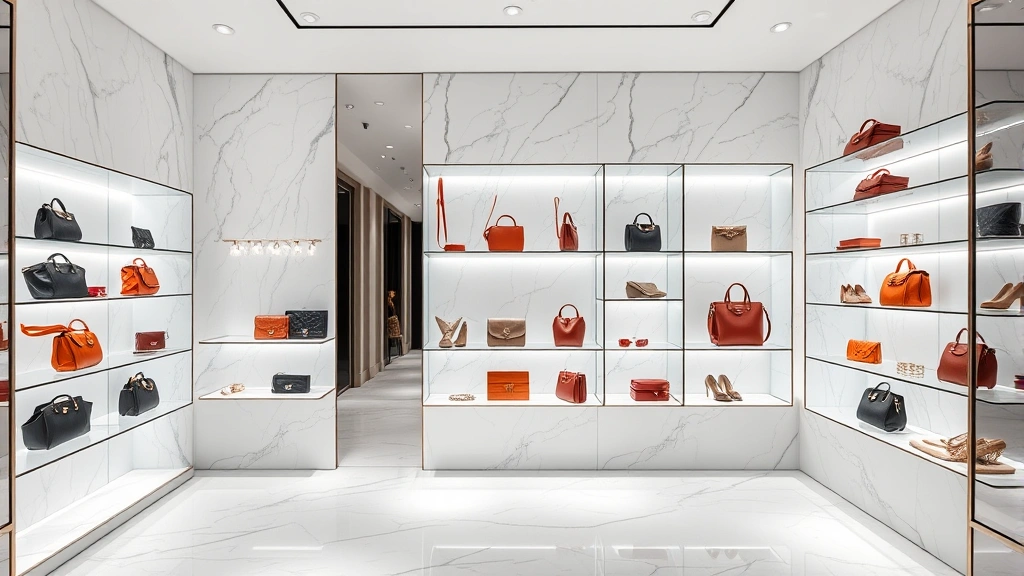
The era of one-size-fits-all luxury has definitively ended. Contemporary luxury fashion houses are leveraging technology and artisanal expertise to offer unprecedented levels of personalization. From monogrammed leather goods to custom tailoring, bespoke services have become central to the luxury value proposition, allowing clients to create truly one-of-a-kind pieces that reflect their individual identity.
Luxury houses are investing in sophisticated customization platforms that allow clients to select materials, colors, proportions, and embellishments. This democratization of bespoke services—making them accessible to a broader luxury audience rather than exclusively wealthy clientele—has become a key differentiator. Clients can now engage in the creative process, becoming co-creators rather than passive consumers.
The personalization trend extends beyond physical products into experiential territory. Luxury fashion houses are creating exclusive events, private shopping experiences, and membership programs that cater to individual preferences and lifestyle aspirations. VIP clients receive personalized styling services, early access to collections, and invitations to intimate gatherings with designers and brand ambassadors.
Technology plays an enabling role in this personalization revolution. Augmented reality applications allow clients to visualize customizations before purchase. Digital styling assistants provide personalized recommendations based on individual preferences and past purchases. These technological enhancements complement rather than replace human expertise, creating a hybrid model that combines algorithmic precision with the intuitive understanding that only expert stylists possess.
Digital Transformation in High Fashion
The digital revolution has fundamentally transformed how luxury fashion houses operate, market, and sell their creations. While maintaining the exclusivity and prestige that define luxury, forward-thinking houses have embraced digital platforms as essential channels for brand expression and customer engagement. This represents a nuanced approach that respects the heritage of in-person luxury experiences while acknowledging digital reality.
Social media has become a crucial storytelling platform for luxury houses. Instagram, TikTok, and emerging platforms allow designers to share behind-the-scenes content, showcase craftsmanship, and build community around their brands. The most successful luxury houses create content that educates and inspires rather than simply promoting products, positioning themselves as tastemakers and cultural authorities.
E-commerce has evolved from a potential threat to luxury’s exclusive positioning into a sophisticated channel that enhances rather than diminishes brand prestige. Luxury fashion houses now operate flagship digital experiences that mirror the aesthetic and service standards of physical boutiques. Virtual shopping assistants, detailed product storytelling, and seamless checkout experiences ensure that online purchases feel as premium as in-store acquisitions.
Digital innovation extends to production and supply chain management. Blockchain technology enables authentication and provenance tracking, addressing concerns about counterfeit luxury goods. 3D design and virtual prototyping reduce waste and accelerate the design process. These behind-the-scenes technologies remain invisible to consumers but contribute significantly to the efficiency and sustainability of luxury production.
Artisanal Craftsmanship Redefined
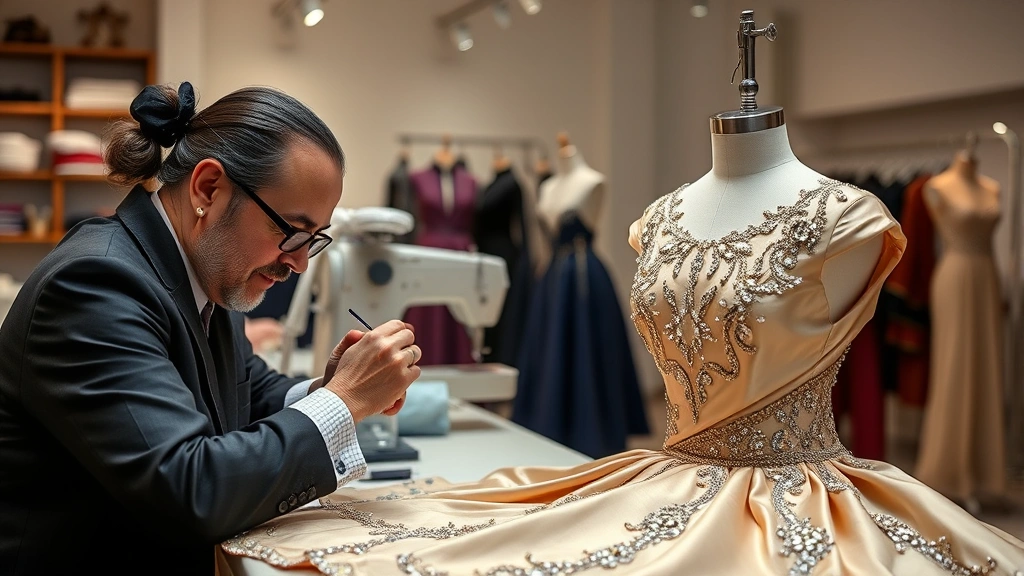
Artisanal craftsmanship remains the beating heart of luxury fashion houses, yet contemporary makers are redefining what craftsmanship means in the 21st century. The intersection of traditional hand techniques and modern technology creates new possibilities for expression and precision that honor heritage while embracing innovation. This redefinition ensures that craftsmanship remains culturally relevant and economically viable for future generations of artisans.
Many luxury houses are establishing or strengthening relationships with regional craft communities, recognizing that artisanal expertise represents irreplaceable cultural capital. By investing in apprenticeship programs, fair compensation, and international recognition for master craftspeople, luxury houses ensure the survival of endangered craft traditions while creating compelling brand narratives around human skill and dedication.
The visibility of craftsmanship has become a marketing asset. Luxury consumers increasingly seek transparency about the hands and minds that create their purchases. Detailed documentation of production processes, profiles of master artisans, and videos showcasing intricate techniques transform the invisible work of creation into compelling brand storytelling. This elevation of craftsmanship appeals to consumers who understand that true luxury encompasses the human story behind the object.
Innovation in craft techniques represents another frontier. Luxury houses collaborate with material scientists to develop new fabrication methods that preserve traditional aesthetics while improving durability and sustainability. Hand-painted techniques are combined with digital precision. Embroidery machines are programmed by artists to create patterns that would be impossible through manual labor alone. This synthesis respects the intelligence and artistry of traditional craftsmanship while expanding its possibilities.
Collaborative Collections and Creative Partnerships
The contemporary luxury landscape increasingly features high-profile collaborations that bring together designers, artists, and brands from diverse disciplines. These partnerships create limited-edition collections that generate excitement, introduce established brands to new audiences, and demonstrate creative flexibility. The most successful collaborations feel authentic and mutually beneficial rather than opportunistic.
Luxury fashion houses partner with visual artists, musicians, architects, and craftspeople to create collections that transcend traditional fashion boundaries. These collaborations often result in pieces that function as wearable art, carrying cultural significance beyond their commercial value. The collaborative process itself becomes part of the brand narrative, with designers and partners sharing their creative journey with audiences.
Strategic partnerships between luxury houses represent another collaboration trend. Established houses occasionally create joint ventures or limited partnerships that allow them to explore new market segments or design territories. These collaborations require careful navigation to maintain the distinct identity of each brand while creating genuine synergy.
The rise of collaborative collections reflects broader shifts in how luxury houses understand their role in culture. Rather than positioning themselves as solitary authorities, they increasingly see themselves as cultural platforms that amplify diverse voices and perspectives. This democratic approach to luxury actually enhances prestige by associating brands with meaningful creative expression.

Color Psychology and Seasonal Narratives
Color strategy has emerged as a sophisticated tool through which luxury fashion houses communicate brand identity and seasonal narratives. Far from arbitrary aesthetic choices, color palettes carry psychological weight and cultural significance. The most discerning designers understand color theory deeply, using chromatic relationships to evoke specific emotions and establish visual cohesion across collections.
Seasonal color forecasting represents a complex discipline combining trend analysis, cultural observation, and intuitive artistic vision. Luxury houses employ color consultants who study global movements, art exhibitions, and cultural moments to identify emerging color preferences. These forecasts inform everything from fabric development to packaging design, creating immersive brand experiences built on unified color systems.
The storytelling potential of color extends far beyond aesthetics. A designer might select an unexpected color palette to challenge preconceptions about a garment’s purpose or audience. Neutrals signal timelessness and versatility, while bold colors communicate confidence and innovation. Color choices communicate values: earth tones suggest sustainability, while jewel tones evoke luxury and richness.
Understanding how to find your personal style requires developing color awareness and understanding which palettes harmonize with individual coloring and personality. Luxury houses increasingly recognize this individual variation, offering collections that provide color options across diverse seasonal narratives rather than imposing singular color directions.
The Rise of Gender-Fluid Design
Gender-fluid and gender-neutral design has evolved from niche experimentation into mainstream luxury fashion house practice. Leading designers recognize that rigid gender categories no longer reflect how contemporary consumers understand identity and self-expression. This shift represents both a cultural recognition and a significant business opportunity, expanding market potential while enabling more authentic creative expression.
The most innovative luxury houses are moving beyond merely offering unisex options toward genuinely gender-neutral design that considers proportion, silhouette, and styling from a perspective of personal choice rather than prescribed gender categories. Collections increasingly feature pieces that challenge traditional gendered associations—oversized tailoring, fluid draping, and unexpected fabric combinations that resist easy categorization.
This design philosophy requires reconsidering fundamental assumptions about fit, proportion, and presentation. Rather than creating separate menswear and womenswear collections, some luxury houses now develop integrated collections where pieces can be styled across traditional gender lines. This approach demands more sophisticated design thinking and greater attention to individual variation in body proportions.
The cultural significance of gender-fluid design extends beyond fashion into broader conversations about identity and self-determination. By offering clothing that transcends gender categories, luxury houses position themselves as culturally progressive while providing practical solutions for consumers whose identities don’t align with traditional binary categories. This inclusive approach strengthens brand loyalty among younger consumers who increasingly reject gendered consumption.
Exploring types of fashion reveals how different categories accommodate gender-fluid approaches with varying degrees of success. Accessories and footwear naturally transcend gender boundaries, while structured tailoring requires more deliberate design choices to achieve genuine neutrality.
FAQ
What defines a luxury fashion house?
A luxury fashion house combines heritage, exceptional craftsmanship, premium materials, and distinctive design vision. Luxury houses maintain strict quality standards, limit production volumes to preserve exclusivity, and invest significantly in brand building and customer experience. The most prestigious houses boast decades or centuries of history and have established themselves as cultural authorities in fashion.
How are luxury fashion houses adapting to sustainability demands?
Leading luxury houses implement comprehensive sustainability strategies including ethical material sourcing, waste reduction, fair labor practices, and transparent supply chain management. Rather than compromising luxury values, sustainability aligns with the emphasis on quality, durability, and timelessness that defines true luxury. Many houses view sustainable practices as enhancing rather than diminishing brand prestige.
What role does digital technology play in luxury fashion?
Digital technology enables luxury houses to enhance customer experiences, improve production efficiency, and expand market reach without compromising exclusivity. Social media provides storytelling platforms, e-commerce offers sophisticated shopping experiences, and behind-the-scenes technologies like blockchain support authentication and sustainability tracking. The most successful luxury houses use technology to amplify rather than replace human expertise and craftsmanship.
How do luxury houses maintain exclusivity while expanding accessibility?
Contemporary luxury houses balance exclusivity with broader accessibility through tiered product offerings, personalization services, and experiences that cater to different customer segments. Entry-level luxury items provide access to brand aesthetics, while bespoke services and limited editions maintain exclusivity for devoted clients. This approach expands the customer base while preserving the prestige associated with flagship collections.
What is the significance of designer collaborations in luxury fashion?
Collaborations allow luxury houses to explore new creative territories, introduce brands to new audiences, and demonstrate design flexibility. The most successful collaborations feel authentic and mutually beneficial, often resulting in pieces that function as cultural statements. These partnerships position luxury houses as cultural platforms rather than isolated authorities, enhancing rather than diminishing brand prestige.
How do luxury houses approach personalization?
Modern luxury houses offer customization platforms allowing clients to select materials, colors, proportions, and embellishments. This ranges from monogramming to full bespoke tailoring services. Technology enables visualization of customizations before purchase, while expert stylists provide personalized recommendations. This hybrid approach combines algorithmic precision with human expertise to create truly individual pieces.
External Resources:
- Vogue – Global Fashion Authority
- Business of Fashion – Industry Insights
- The Fashion Law – Luxury Industry Analysis
- Drapers – Fashion Trade Publication
- Women’s Wear Daily – Fashion News
Internal Navigation: Explore our StyleLoom Daily Blog for more fashion insights, or discover our comprehensive Fashion Style Guide to deepen your understanding of contemporary luxury aesthetics.