K-pop Fashion Trends: Expert Insights Into Global Style Evolution
K-pop fashion has transcended its origins as a niche genre aesthetic to become a dominant force in global style culture. From the meticulously coordinated stage outfits of chart-topping groups to the street-style influence seen on fashion capitals worldwide, K-pop fashion represents a unique intersection of artistry, innovation, and cultural expression. The influence of K-pop idols extends far beyond music, shaping how millions of fans approach their personal wardrobes and style choices.
The phenomenon isn’t merely about copying celebrity looks—it’s about understanding the philosophy behind K-pop styling. Industry experts recognize that K-pop fashion embodies a distinctive approach that blends high fashion sensibility with accessible street wear, creating trends that feel both aspirational and attainable. This article explores the defining characteristics of K-pop fashion, the experts shaping this movement, and how you can incorporate these trend-forward elements into your own style narrative.
The Evolution of K-pop Fashion
K-pop fashion didn’t emerge fully formed; it evolved through distinct phases, each reflecting broader cultural shifts and technological advancements in the entertainment industry. The early 2000s saw K-pop idols wearing bold, experimental pieces that pushed boundaries and challenged conventional beauty standards. Groups like Super Junior and Girls’ Generation established foundational aesthetics that prioritized visual impact and stage presence.
The mid-2010s represented a pivotal transformation. As K-pop gained international recognition, stylists began incorporating haute couture elements alongside street wear staples. This period introduced what experts now call the “accessible luxury” approach—high-end fashion made relatable through mixing and layering techniques. According to Vogue’s analysis of K-pop influence, this era established K-pop as a legitimate fashion authority rather than merely a music industry trend.
Today’s K-pop fashion landscape reflects unprecedented maturity and sophistication. Contemporary styling emphasizes individuality within group cohesion, allowing each member to express personal style while maintaining visual harmony. The current era celebrates androgynous silhouettes, gender-fluid fashion choices, and experimental makeup aesthetics that challenge traditional notions of femininity and masculinity.
Understanding fashion style fundamentals provides context for appreciating K-pop’s innovative approach. K-pop stylists have essentially created their own types of fashion styles that blend multiple influences into cohesive visual statements.
Key Style Elements Defining K-pop Aesthetics
Several signature elements consistently appear across K-pop fashion, creating instantly recognizable visual codes that fans worldwide have embraced. Understanding these components helps explain why K-pop fashion resonates so powerfully across diverse demographics and cultural contexts.
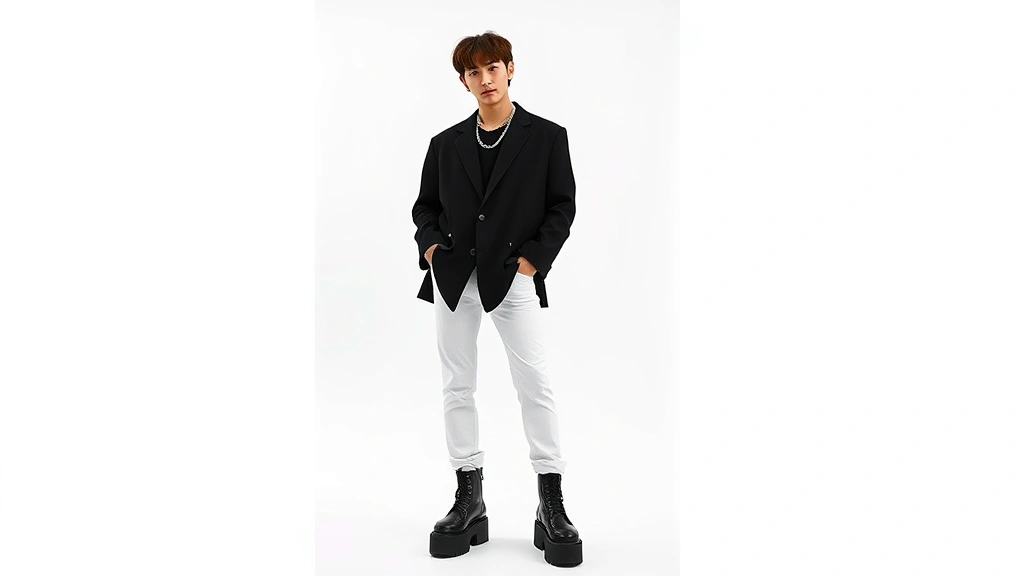
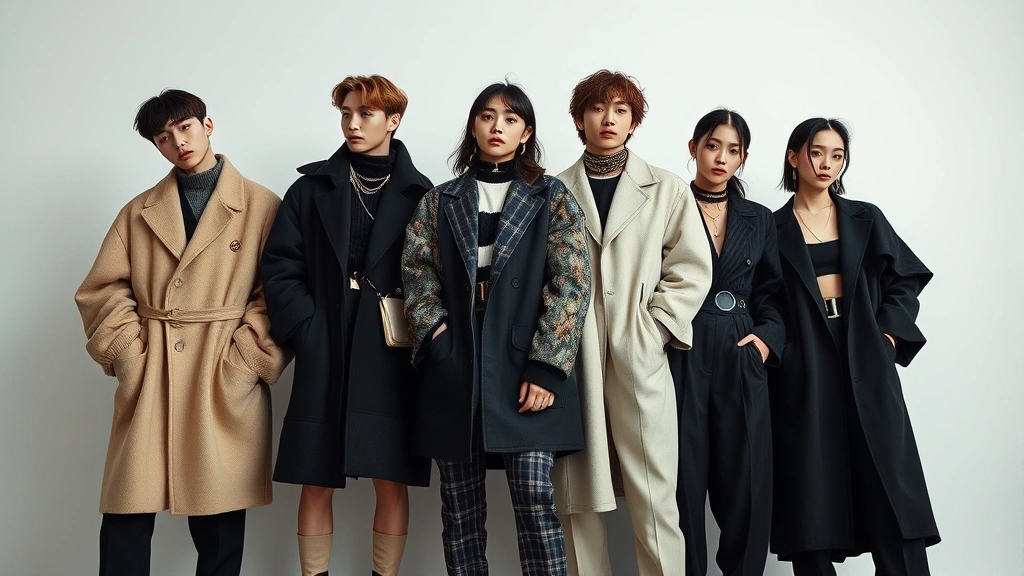
Oversized Silhouettes and Proportion Play: K-pop styling frequently employs deliberately oversized pieces paired strategically with fitted elements. This creates visual interest and movement, particularly important for performance contexts. Oversized blazers worn with slim trousers, baggy cargo pants paired with cropped tops, and oversized hoodies layered over fitted basics represent quintessential K-pop combinations.
Monochromatic Dressing: Single-color outfits demonstrate visual confidence and sophistication. K-pop stylists frequently employ monochromatic looks in blacks, whites, grays, and jewel tones, creating striking stage-ready appearances that photograph exceptionally well. This approach aligns with minimalist design principles while maintaining maximum impact.
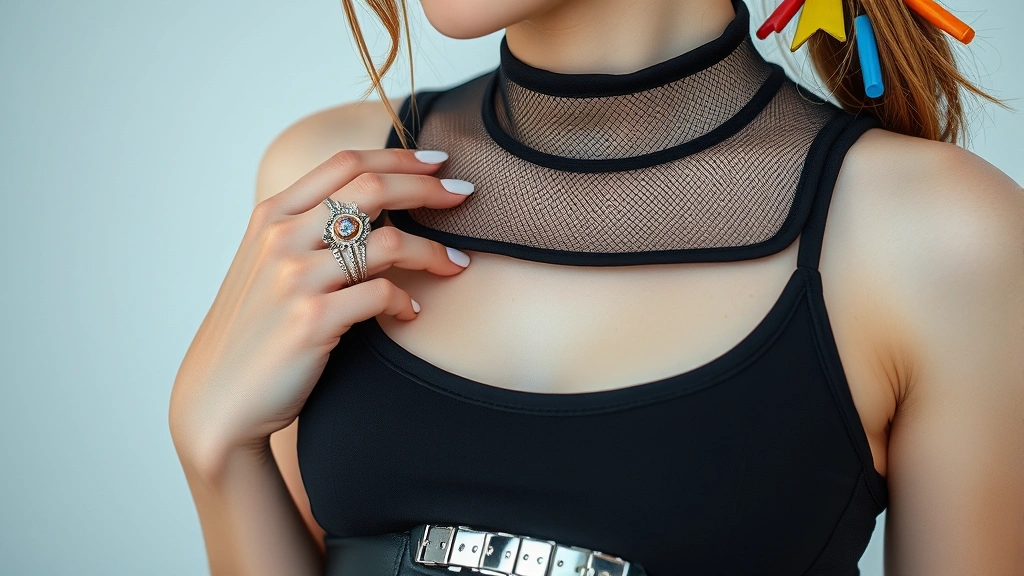
Layering Mastery: Strategic layering transforms simple pieces into complex visual statements. Sheer fabrics over solid foundations, mesh overlays, and unexpected combinations of textures create depth and intrigue. This technique allows stylists to maximize limited wardrobes while creating endless outfit variations.
Statement Footwear: Shoes function as focal points rather than afterthoughts in K-pop fashion. Chunky platform boots, sleek white sneakers, distinctive heeled loafers, and avant-garde designer shoes command attention and anchor entire outfits.
Gender-Fluid Fashion Choices: K-pop has pioneered mainstream acceptance of gender-fluid styling. Members wear traditionally masculine and feminine pieces interchangeably, challenging fashion’s binary approach and inspiring global conversations about self-expression.
Exploring how to understand fashion style deepens appreciation for these intentional design choices and their cultural significance.
Influential K-pop Stylists and Fashion Directors
Behind every memorable K-pop look stands a talented stylist or fashion director whose vision translates artistic concepts into wearable reality. These professionals collaborate closely with choreographers, makeup artists, and creative directors to ensure cohesive visual presentations.
Park Hye-jin: Renowned for her work with multiple chart-topping groups, Park Hye-jin has established herself as a visionary in K-pop styling. Her approach emphasizes storytelling through fashion, using garment selection to communicate narrative elements within performances.
Baek Ji-young: Known for her experimental approach and willingness to take risks, Baek Ji-young has dressed some of K-pop’s most fashion-forward groups. Her styling often incorporates unexpected fabric combinations and unconventional proportions that create memorable visual moments.
Lee Eun-hee: Specializing in luxury collaborations, Lee Eun-hee bridges high fashion and K-pop aesthetics. Her work frequently features designer pieces integrated seamlessly into performance styling, elevating K-pop’s fashion credibility within luxury markets.
These stylists understand that K-pop fashion extends beyond aesthetics—it represents cultural influence and artistic expression. They draw inspiration from international fashion weeks, street style photography, and emerging designers while maintaining distinctly Korean sensibilities.
Learning about how to find your personal style reveals principles these expert stylists employ when creating distinctive looks. Their work demonstrates that intentional style choices communicate identity and values.
Color Palettes and Seasonal Trends
K-pop fashion employs strategic color choices that evolve seasonally while maintaining brand consistency. Color psychology plays a crucial role in how audiences perceive performances and marketing campaigns.
Spring and Summer Palettes: Warmer months typically showcase pastels, bright jewel tones, and crisp whites. Neon accents, seafoam greens, and soft pinks create youthful, energetic impressions perfect for upbeat concepts. Transparency and lightweight fabrics dominate, with mesh details and sheer overlays providing visual interest without adding weight.
Fall and Winter Aesthetics: Cooler seasons embrace deeper palettes featuring burgundy, forest green, navy, and black. Metallic accents in gold and silver add luxury, while rich textures like leather, velvet, and wool provide tactile interest. Monochromatic approaches in winter tones create sophisticated, mature impressions.
Concept-Specific Colors: Beyond seasonal considerations, individual comeback concepts drive color selection. Futuristic concepts might employ silvers and neons, while retro-inspired eras embrace warm earth tones. This intentionality ensures visual cohesion across music videos, promotional materials, and live performances.
The StyleLoom Daily Blog frequently explores color theory in fashion, providing frameworks for understanding how K-pop stylists strategically deploy hue and saturation.
Luxury Collaborations and Brand Partnerships
K-pop’s elevation within global fashion hierarchies has resulted in unprecedented luxury brand partnerships. International designers and fashion houses now actively seek K-pop collaborations, recognizing the demographic’s influence and purchasing power.
Designer Partnerships: Groups have partnered with houses including Chanel, Louis Vuitton, Gucci, and Versace. These collaborations extend beyond simple endorsements—stylists integrate limited-edition pieces into performance styling, creating desirable fashion moments that drive consumer interest.
Exclusive Collections: Several K-pop groups have launched exclusive fashion collections with established retailers. These collaborations democratize K-pop style by offering accessible pieces inspired by stage aesthetics. Fans can purchase items directly influenced by their favorite idols’ styling.
Fashion Week Presence: K-pop stylists and fashion directors now attend major international fashion weeks, with some groups receiving front-row invitations to haute couture presentations. This institutional recognition legitimizes K-pop fashion within traditional fashion hierarchies.
According to Business of Fashion reports, K-pop’s influence on luxury brand marketing represents one of contemporary fashion’s most significant demographic shifts.
These collaborations demonstrate K-pop fashion’s economic impact and cultural authority. Exploring contemporary fashion style requires acknowledging K-pop’s role in shaping current trends and consumer behavior.
Accessories as Statement Making
In K-pop styling, accessories transcend functional purposes—they function as essential narrative elements. A carefully selected accessory can transform an outfit’s entire meaning and impact.
Statement Jewelry: Oversized earrings, chunky chains, and architectural rings command attention and add personality. K-pop stylists frequently employ jewelry as focal points, choosing pieces that photograph well and create memorable visual impressions during performances.
Belts and Harnesses: Beyond waist definition, belts and harnesses create structure and visual interest. Leather belts, metal chain harnesses, and unconventional waist accessories add edge and sophistication to otherwise simple outfits.
Bags as Focal Points: Distinctive handbags, crossbody bags, and unconventional carrying solutions function as style statements. K-pop styling often features designer bags as visible branding elements, communicating luxury and taste.
Hair Accessories: Clips, headbands, and hair ornaments integrate seamlessly into K-pop aesthetics. These pieces often coordinate with outfit color palettes and thematic concepts, creating cohesive visual presentations from head to toe.
Sunglasses and Eyewear: Beyond sun protection, eyewear shapes entire facial presentations. Oversized frames, colored lenses, and distinctive styles have become essential K-pop accessories, frequently influencing global eyewear trends.
Understanding how accessories enhance different fashion styles helps explain why K-pop stylists prioritize these details. Accessories communicate sophistication and intentionality.
How to Adopt K-pop Fashion Into Your Wardrobe
Incorporating K-pop fashion elements into your personal style doesn’t require purchasing designer pieces or completely overhauling your wardrobe. Strategic choices and intentional styling create K-pop-inspired looks using accessible pieces.
Start with Silhouette Experimentation: Introduce oversized pieces gradually. A single oversized blazer worn with fitted basics creates K-pop energy without overwhelming your style. Pair oversized tops with tailored trousers or fitted skirts to maintain proportion balance.
Embrace Monochromatic Dressing: Challenge yourself to create single-color outfits using pieces already in your wardrobe. This exercise develops styling confidence and creates striking visual statements. Begin with neutral monochromatic combinations before exploring bolder color choices.
Master Layering Techniques: Experiment with sheer overlays, mesh inserts, and unexpected fabric combinations. Layer long-sleeve fitted shirts under sleeveless dresses, wear mesh tops over solid foundations, or combine textures intentionally to create depth.
Invest in Statement Footwear: Quality shoes anchor entire outfits. Chunky platform boots, white sneakers, or distinctive heeled loafers function as investment pieces that elevate multiple outfit combinations. Choose shoes that reflect your personal aesthetic while incorporating K-pop’s bold approach to footwear.
Explore Gender-Fluid Fashion: Challenge traditional gendered clothing categories. Wear oversized button-ups with feminine skirts, pair masculine tailoring with delicate accessories, or experiment with silhouettes that feel authentic to your identity rather than conforming to conventional expectations.
Utilize the Fashion Style Quiz for Guidance: Understanding your personal aesthetic foundation helps integrate K-pop elements authentically. Rather than adopting trends wholesale, identify which K-pop styling principles resonate with your existing style preferences.
Build a Capsule Collection: Focus on versatile basics in neutral colors, then introduce strategic statement pieces. This approach allows maximum outfit combinations while maintaining cohesion. K-pop stylists employ similar strategies, building looks around foundational pieces.
Follow K-pop Fashion Accounts: Instagram and TikTok accounts dedicated to K-pop styling provide daily inspiration and demonstrate how stylists combine pieces. These visual references help develop your styling eye and identify trends worth pursuing.
Experiment with Makeup and Hair: K-pop fashion extends beyond clothing—makeup and hairstyles complete visual presentations. Bold lip colors, graphic eyeliner, and distinctive hair colors integrate seamlessly with fashion-forward outfits, creating cohesive artistic statements.
The StyleLoom Daily Blog offers practical styling tips and trend analysis that support your K-pop fashion exploration journey.
FAQ
What defines K-pop fashion compared to other style genres?
K-pop fashion distinguishes itself through intentional proportion play, gender-fluid styling, luxury integration with street wear, and strategic accessorizing. The aesthetic prioritizes visual impact and artistic expression while maintaining accessibility and relatability. K-pop stylists approach clothing as narrative tools rather than mere coverage, creating cohesive visual statements that communicate concepts and emotions.
Can I wear K-pop fashion if I’m not a K-pop fan?
Absolutely. K-pop fashion principles—oversized silhouettes, monochromatic dressing, strategic layering, and bold accessorizing—function as universal styling strategies applicable regardless of musical preferences. These techniques enhance any personal style and communicate confidence and intentionality. The fashion elements transcend fandom, offering genuine style value to anyone interested in fashion-forward dressing.
How do K-pop stylists source pieces for performances?
K-pop stylists collaborate with luxury brands, independent designers, and fast-fashion retailers to source pieces. Many looks feature custom-made or altered garments tailored specifically to performance requirements. Stylists consider factors including camera angles, movement requirements, color coordination, and thematic concepts when selecting pieces. Luxury collaborations provide access to exclusive designer pieces, while street wear sources offer trendy, accessible options.
What brands do K-pop stylists frequently feature?
Popular brands include Gucci, Louis Vuitton, Saint Laurent, Balenciaga, Alexander McQueen, and Givenchy for luxury pieces. Street wear brands like Supreme, Stüssy, and Carhartt frequently appear in casual styling. Korean designers and emerging brands also receive significant styling attention. The mix of international and local designers reflects K-pop’s global perspective while honoring Korean creative contributions.
How frequently do K-pop fashion trends change?
K-pop fashion evolves with each comeback—typically every 4-6 months. Individual group concepts introduce distinct aesthetic directions, creating frequent trend variations. Seasonal changes also influence styling choices. However, foundational elements like oversized silhouettes and strategic accessorizing remain consistent, providing continuity while allowing creative evolution.
Where can I purchase K-pop-inspired clothing?
Mainstream retailers including H&M, ASOS, Urban Outfitters, and Zara regularly stock K-pop-inspired pieces. Online platforms like Depop and Vestiaire Collective offer secondhand designer pieces featured in K-pop styling. Korean fashion retailers like Stylenanda and Miu Miu offer aesthetically aligned pieces. Additionally, many K-pop groups have launched exclusive fashion collections through partnerships with established retailers.