How to Rock Hippie Fashion? Expert Insights
Hippie fashion transcends mere clothing—it’s a cultural statement rooted in freedom, individuality, and conscious living. Born from the counterculture movements of the 1960s and 70s, this iconic aesthetic continues to captivate fashion enthusiasts worldwide, blending vintage charm with contemporary style sensibilities. Whether you’re drawn to the bohemian spirit or seeking to express your authentic self through fashion, mastering hippie fashion requires understanding its core principles, key pieces, and styling techniques that honor its rebellious heritage while keeping you fashion-forward.
The beauty of hippie fashion lies in its inherent rejection of conformity. It celebrates natural textures, earthy tones, and sustainable choices—elements that resonate deeply with today’s eco-conscious consumers. From flowing maxi dresses to embroidered vests and vintage band tees, the hippie aesthetic offers endless possibilities for self-expression. This comprehensive guide reveals expert insights on how to authentically embrace this timeless style while making it distinctly your own.
Understanding Hippie Fashion Roots and Philosophy
To truly rock hippie fashion, you must first grasp its philosophical foundation. The hippie movement emerged as a rebellion against materialism, conformity, and societal expectations. Fashion became a powerful tool for expressing these values—rejecting the rigid dress codes of previous generations in favor of comfortable, authentic, and often handmade garments. This movement championed individuality, sustainability, and the celebration of natural beauty.
The aesthetic drew inspiration from various cultures worldwide, incorporating elements from Indian textiles, Native American craftsmanship, and African prints. This cultural fusion created a uniquely inclusive fashion philosophy that celebrated diversity and global consciousness. Understanding this context helps you appreciate why certain pieces carry such significance within the hippie fashion universe and how you can wear them respectfully and authentically.
Fashion historians and trend experts, including those featured in Vogue’s trend analysis, recognize hippie fashion as a pivotal moment when clothing became political. Every piece worn was a statement about values, beliefs, and identity. This intentionality distinguishes genuine hippie styling from mere costume or trend-chasing, making it essential to approach this aesthetic with awareness and respect.
Essential Hippie Fashion Staples
Building an authentic hippie wardrobe begins with understanding the non-negotiable pieces that define the aesthetic. These foundational items form the backbone of any successful hippie outfit, allowing you to mix and match while maintaining stylistic coherence.
Maxi Dresses and Skirts: The flowing maxi dress epitomizes hippie fashion. These garments celebrate the female form without constraint, offering comfort and movement. Look for pieces in natural fabrics like cotton, linen, or hemp, preferably in earth tones or featuring bohemian prints. Pair them with simple sandals for an effortless, authentic look. High-waisted maxi skirts with bell-bottom silhouettes provide similar vibes with greater versatility for layering.
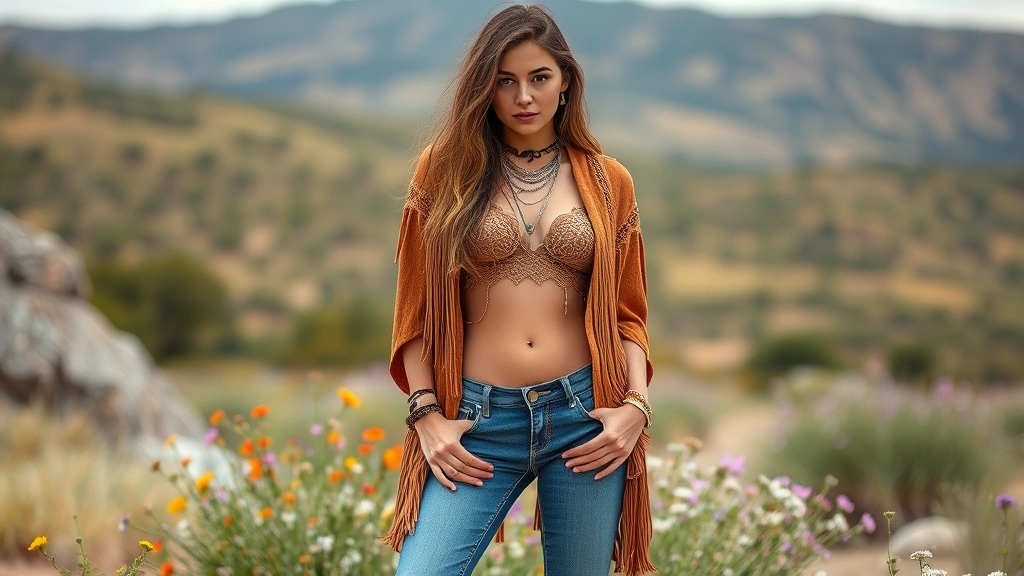
Bell-Bottom Jeans: Perhaps the most iconic hippie staple, bell-bottom jeans represent freedom and nonconformity. Whether in classic denim or colored fabrics, these pants define the era. Vintage pairs carry authentic charm, though contemporary reproductions offer quality and durability. Pair them with tucked-in band tees or crochet tops for maximum impact.
Crochet and Knit Tops: Handmade garments hold special significance in hippie culture. Crochet bikini tops, vests, and sweaters showcase artisanal craftsmanship and natural textures. These pieces work beautifully layered over simple tees or worn alone over appropriate undergarments, creating dimension and visual interest.
Embroidered Vests: Worn over nearly anything, embroidered vests add bohemian flair instantly. Suede or denim vests adorned with intricate embroidery, fringe, or beading transform basic outfits into statement looks. They’re particularly effective when styling fashion style pieces with contemporary elements.
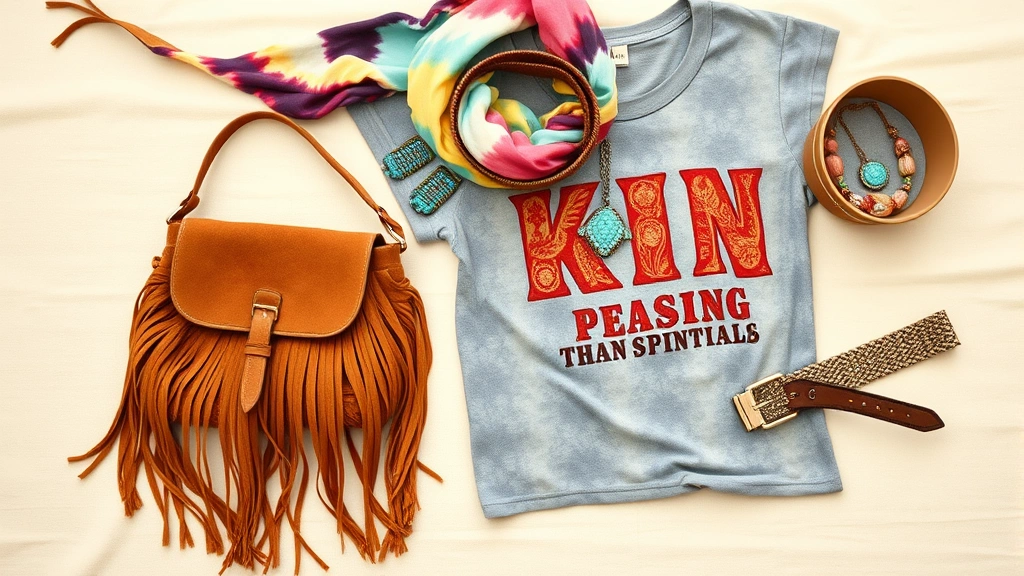
Band Tees and Vintage Graphics: Authentic hippie fashion celebrates music culture. Vintage band tees from iconic musicians and festivals represent both personal taste and cultural participation. Whether authentic vintage or quality reproductions, these pieces provide nostalgic credibility to any hippie ensemble.
Fringe Everything: Fringe appears throughout hippie fashion—on jackets, bags, boots, and accessories. This textural element adds movement and visual drama, creating that signature boho flow. Layer fringe pieces carefully to avoid overwhelming your outfit.
Leather and Suede Accents: Natural leather and suede feature prominently in hippie fashion, from fringe jackets to boots and belts. These materials age beautifully and align with the aesthetic’s appreciation for natural, authentic materials. Invest in quality pieces that will develop character over time.
Color Palettes and Patterns That Define the Era
Color selection profoundly impacts your hippie fashion presentation. The iconic palette draws from nature, creating a warm, earthy foundation that feels both grounded and spiritual.
Earthy Neutrals: Terracotta, mustard, olive green, rust, burnt orange, chocolate brown, and cream form the foundation of hippie color theory. These tones reflect nature’s palette and create harmonious, sophisticated combinations. Building your wardrobe around these colors ensures pieces coordinate effortlessly while maintaining authentic aesthetic integrity.
Jewel Tones: Rich purples, deep teals, forest greens, and burgundies add depth and mystique. These colors resonate with the spiritual dimensions of hippie culture, creating dramatic, eye-catching combinations when paired with neutrals.
Vibrant Tie-Dye: Perhaps the most visually striking hippie pattern, tie-dye represents individuality and artistic expression. Whether authentic hand-dyed pieces or contemporary reproductions, tie-dye adds playful energy to any outfit. Pair monochromatic tie-dye with solid pieces to prevent visual chaos.
Paisley and Florals: These organic, flowing patterns capture the essence of bohemian design. Paisley especially became synonymous with 70s hippie fashion, appearing on fabrics, scarves, and accessories. Floral prints, particularly in vintage styles, add feminine softness and natural beauty.
Geometric and Abstract Prints: Drawing inspiration from global textiles, geometric patterns reflect the hippie movement’s appreciation for diverse cultures. These prints add visual interest while maintaining the aesthetic’s artistic credibility.
Mixing Patterns: Hippie fashion embraces pattern mixing more boldly than conventional style guides suggest. Pair paisley with florals, geometric prints with tie-dye, creating visually complex outfits that express artistic confidence. The key lies in maintaining color harmony—ensure your patterns share a common color palette to create cohesion rather than chaos.
Accessorizing Like a True Hippie
Accessories elevate hippie fashion from basic to transcendent, providing opportunities to inject personality and complete your aesthetic vision. Strategic accessorizing transforms simple pieces into compelling, authentic statements.
Jewelry and Adornments: Layered necklaces create signature hippie silhouettes. Mix delicate chains with pendants, crystals, and statement pieces. Turquoise, silver, and natural stones align with the aesthetic’s spiritual dimensions. Stacked rings, particularly on multiple fingers, add bohemian credibility. Ankle bracelets and body chains, worn subtly, enhance the free-spirited vibe.
Scarves and Headwear: Silk scarves tied around the neck, worn as headbands, or used to wrap hair serve both practical and decorative functions. Bandanas, particularly in paisley or tie-dye patterns, provide quick style boosts. Wide-brimmed hats in suede or felt protect while adding vintage charm.
Bags and Pouches: Fringe bags, leather satchels, and woven pouches carry your essentials while expressing style. Macramé bags showcase handmade artistry, while vintage leather pieces develop authentic patina over time. Choose bags with natural materials and earth tones for maximum authenticity.
Belts and Buckles: Wide leather belts with ornate buckles cinch waists and add definition. Woven or beaded belts provide textural interest. Layering thin belts over thicker ones creates dimensional, intentional styling.
Sunglasses: Oversized, tinted, or colored lenses capture the era’s aesthetic perfectly. Round frames, cat-eye shapes, or vintage aviators all work within the hippie fashion paradigm. Look for frames in gold, tortoiseshell, or colored plastics.
Modern Interpretations and Contemporary Styling
Today’s fashion landscape celebrates hippie aesthetics in fresh, contemporary ways. Understanding how to blend vintage inspiration with modern sensibilities allows you to rock this style authentically without appearing costume-like or dated. When exploring types of fashion, hippie style stands as a timeless category that evolves while maintaining its core identity.
Minimalist Hippie: Embrace the aesthetic through restrained color palettes and fewer, higher-quality pieces. A single maxi dress in a solid neutral, paired with simple jewelry and comfortable shoes, channels hippie values of intentional living without visual excess. This approach appeals to contemporary minimalists seeking style substance over consumption.
Eclectic Boho-Chic: Layer vintage and contemporary pieces, mixing high and low fashion. Pair designer pieces with thrifted finds, creating visually interesting combinations that feel curated and intentional. This modern interpretation celebrates individuality while maintaining fashion relevance.
Festival Fashion: Music festivals provide perfect venues for celebrating hippie fashion boldly. Combine crochet bikini tops with high-waisted denim, add body chains and flower crowns, embrace glitter and bold makeup. Festival settings allow for more theatrical interpretation while honoring the movement’s musical roots.
Everyday Bohemian: Incorporate hippie elements subtly into regular wardrobes. A single fringe jacket transforms basic jeans and tees. Embroidered details on conventional pieces add boho flair. Hippie-inspired jewelry and scarves elevate ordinary outfits without requiring complete aesthetic overhauls.
Sustainable Shopping for Hippie Fashion
Authentic hippie philosophy prioritizes sustainability and conscious consumption. Aligning your shopping practices with these values ensures your style choices reflect genuine commitment rather than superficial trend participation.
Vintage and Thrifting: Purchasing genuine vintage pieces honors the movement’s anti-consumption values while securing authentic garments. Thrift stores, vintage boutiques, and online platforms offer endless possibilities. Vintage shopping requires patience but rewards dedicated seekers with unique pieces carrying authentic stories and character.
Ethical Contemporary Brands: Support designers and companies prioritizing sustainable practices, fair labor, and natural materials. Many contemporary brands embrace hippie aesthetics while maintaining ethical production standards. Research companies’ values and practices before purchasing.
DIY and Customization: Channel the hippie spirit through creating your own pieces. Tie-dye existing clothing, add embroidery, customize denim with patches and fringe. This creative process embodies the movement’s artistic ethos while producing genuinely unique garments.
Secondhand Platforms: Online marketplaces specializing in pre-owned fashion offer vast selections of hippie-appropriate pieces. Buying secondhand reduces environmental impact while often providing better pricing than retail.
Swap and Trade: Organize clothing swaps with friends, creating community while refreshing wardrobes sustainably. This practice aligns perfectly with hippie values of sharing and collective benefit.
Hair, Makeup, and Grooming Essentials
Completing your hippie fashion presentation requires attention to hair, makeup, and overall grooming. These elements work synergistically with clothing choices to create cohesive, authentic presentations.
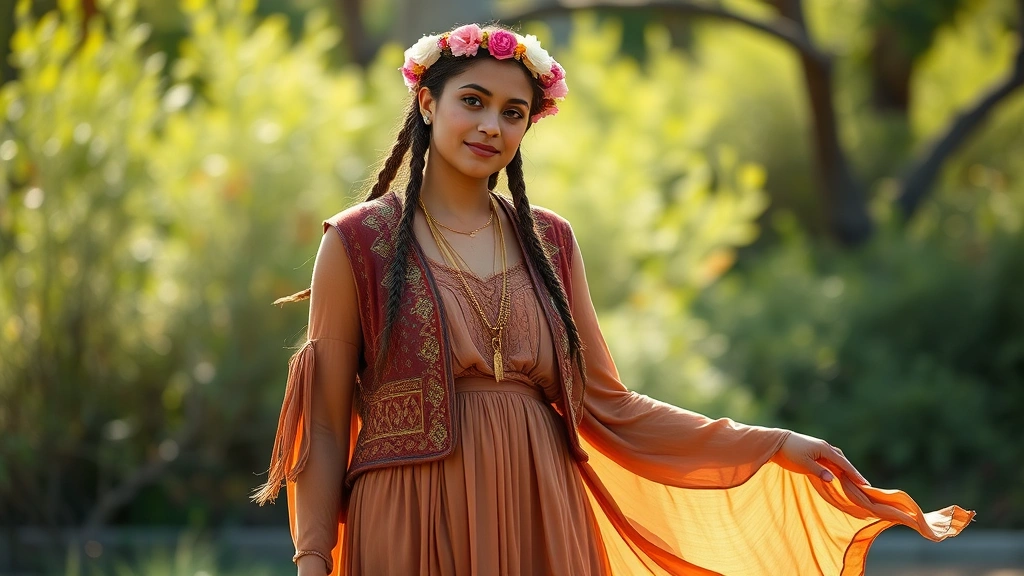
Hair Styling: Long, natural hair represents the quintessential hippie aesthetic. Whether straight, wavy, or curly, embrace your natural texture. Braids—single, multiple, or intricate styles—add bohemian flair. Flower crowns, bandanas, and hair scarves provide decorative options. If long hair doesn’t suit you, shorter styles work beautifully when paired with headbands or scarves.
Natural Makeup: Hippie culture celebrated natural beauty, favoring minimal makeup that enhanced rather than transformed. Focus on healthy skin, subtle eye definition with earth-toned shadows, and natural lip colors. Avoid heavy contouring or dramatic makeup; instead, let your natural features shine. Kohl eyeliner for definition aligns with the aesthetic authentically.
Body Art: Henna designs, temporary tattoos, and body paint represent artistic expression within hippie fashion. These elements add mystical, spiritual dimensions to your presentation. Apply designs intentionally, considering placement and scale.
Skincare Priorities: Invest in natural, chemical-free skincare reflecting the movement’s appreciation for organic, wholesome products. Healthy, glowing skin requires consistent care and minimal heavy makeup.
Fragrance Choices: Select natural, earthy scents—patchouli, sandalwood, lavender, and musk—that complement the aesthetic. Avoid heavy synthetic fragrances; instead, embrace natural essential oil-based options.
Building Your Hippie Wardrobe on Any Budget
Creating an authentic hippie wardrobe doesn’t require unlimited resources. Strategic shopping, prioritization, and creative styling allow budget-conscious fashion enthusiasts to build comprehensive, cohesive collections. When discovering how to find your personal style, hippie fashion provides accessible entry points across various price ranges.
Priority Investment Pieces: Begin with versatile basics—well-fitting jeans, neutral maxi dresses, simple tees. These foundational pieces work across countless combinations. Invest slightly more in quality basics that will endure regular wear and washing.
Budget-Friendly Thrifting: Thrift stores offer incredible value, particularly for vintage pieces. Dedicate time to thorough searching; patience rewards you with unique finds at minimal cost. Many thrift stores price items inexpensively, allowing you to experiment without financial risk.
Strategic Accessorizing: Accessories dramatically transform outfits without significant investment. Affordable jewelry, scarves, and belts create visual impact. Focus budget here for maximum style variation.
DIY Customization: Elevate basic pieces through personal customization. Add patches to denim, embroider simple designs on vests, tie-dye plain clothing. These modifications cost minimally while producing unique, personalized pieces.
Seasonal Adjustments: Build wardrobe seasonally rather than all at once. This approach distributes costs while allowing you to assess what you actually wear and need. Winter hippie fashion incorporates heavier layers and warmer tones; summer celebrates lighter fabrics and brighter colors.
Quality Over Quantity: Rather than accumulating numerous cheap pieces, prioritize fewer, higher-quality items. Quality garments endure longer, develop better character, and create more sophisticated outfits. This philosophy aligns perfectly with hippie values of conscious consumption.
Exploring fashion trends for women over 50 reveals how hippie aesthetic adapts beautifully across age groups, proving its timeless appeal and universal accessibility.
The fashion industry continues celebrating hippie influences, with contemporary designers regularly incorporating bohemian elements into collections. Harper’s Bazaar frequently features modern interpretations of classic hippie silhouettes, while Elle Magazine explores how designers honor the movement’s legacy. These authoritative sources validate hippie fashion’s enduring relevance and provide inspiration for contemporary styling approaches.
FAQ
What defines authentic hippie fashion versus costume?
Authentic hippie fashion reflects genuine values and intentional style choices. Rather than assembling stereotypical costumes, authentic hippie styling incorporates pieces you genuinely love, respects the movement’s cultural roots, and prioritizes sustainability and individuality. Costume approaches feel forced and superficial; authentic styling feels natural and purposeful.
Can I rock hippie fashion in professional settings?
Absolutely. Incorporate subtle hippie elements into work wardrobes—wear maxi skirts with blazers, add delicate jewelry, choose earth-toned pieces. Professional environments benefit from toned-down hippie aesthetics that express personality while maintaining workplace appropriateness. Avoid overly theatrical elements in conservative settings.
How do I avoid looking dated when wearing hippie fashion?
Balance vintage inspiration with contemporary styling. Pair classic hippie pieces with modern accessories, keep proportions current, and avoid costume-like excess. Quality fabrics and well-maintained pieces feel timeless rather than dated. Confidence in your choices matters significantly—wear hippie fashion like you genuinely appreciate the aesthetic, not like you’re playing dress-up.
Where can I find authentic vintage hippie pieces?
Thrift stores, vintage boutiques, online marketplaces like Etsy and Depop, and estate sales offer authentic vintage options. Attend vintage fairs and markets where dealers specialize in era-specific clothing. Research sellers’ reputations before purchasing online. Patience and persistence reward dedicated vintage hunters with genuine finds.
Are there sustainable hippie fashion brands?
Yes. Many contemporary brands embrace bohemian aesthetics while prioritizing ethical production and sustainable materials. Research companies’ values, manufacturing practices, and material sourcing. Brands specializing in natural fabrics, fair labor practices, and environmental consciousness align perfectly with hippie philosophy.
How do I style hippie fashion for different seasons?
Adapt layering and fabric weights seasonally. Summer hippie fashion emphasizes light maxi dresses, crochet tops, and sandals. Winter incorporates heavy cardigans, suede jackets, boots, and warmer earth tones. Spring and fall allow for transitional layering with scarves, vests, and lightweight jackets. Seasonal adaptation keeps the aesthetic fresh and practical.
Can men wear hippie fashion authentically?
Absolutely. Hippie fashion transcends gender boundaries. Men can wear bell-bottom jeans, embroidered shirts, fringe jackets, long hair, and bohemian jewelry. The movement celebrated gender-nonconforming expression, making authentic hippie fashion available to everyone regardless of gender identity.