Fashionista or Fashion Enthusiast? Expert Insight into Fashion Terminology
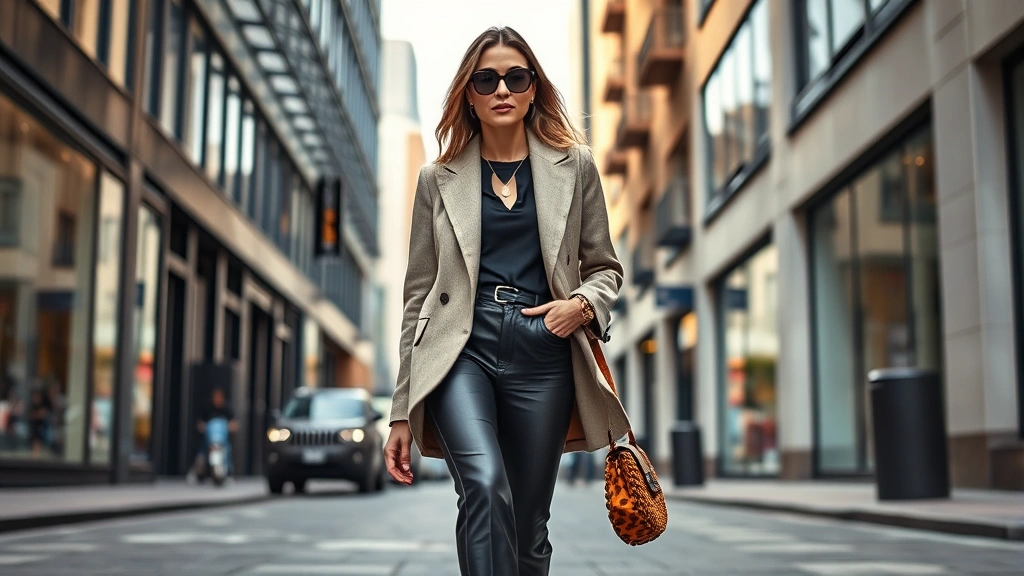
The fashion world is brimming with terminology that often gets used interchangeably, yet each term carries its own distinct meaning and cultural significance. Among the most debated distinctions is the difference between a fashionista and a fashion enthusiast. While both celebrate style and design, the nuances between these labels reveal much about personality, commitment level, and approach to personal aesthetics. Understanding these differences helps you identify where you stand in the fashion spectrum and appreciate the diverse ways people engage with this dynamic industry.
In today’s social media-driven culture, fashion terminology has become increasingly fluid. Everyone from casual style followers to dedicated trend forecasters uses these terms, sometimes without fully grasping their implications. This comprehensive guide explores the true meaning of fashionista synonym options, breaks down expert perspectives on fashion identity, and helps you discover your authentic place within the fashion community. Whether you’re curating your wardrobe, building your personal brand, or simply curious about fashion culture, this insight will illuminate the distinctions that matter.
What Defines a Fashionista?
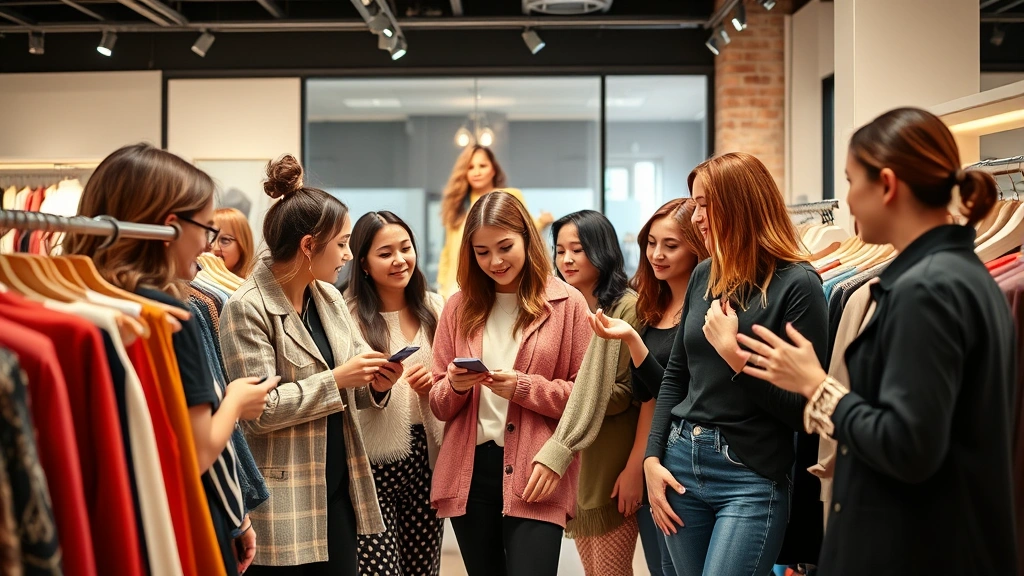
The term fashionista emerged prominently in the 1990s, gaining mainstream popularity through fashion media and celebrity culture. A fashionista is typically someone who not only follows fashion trends but actively shapes them, influences others, and maintains an unwavering commitment to style as a core aspect of their identity. Fashionistas are often considered trendsetters—individuals who understand the fashion industry intimately and use that knowledge to make bold, sometimes avant-garde style choices.
What distinguishes a fashionista is their deep engagement with fashion as more than just clothing selection. They study runway shows, follow designers closely, attend fashion weeks, and can articulate the reasoning behind their sartorial choices. A fashionista views fashion as an art form and a means of self-expression that goes beyond practical necessity. They’re often early adopters of emerging trends, comfortable with experimental silhouettes, and possess an encyclopedic knowledge of fashion history and contemporary design movements.
The fashionista lifestyle typically involves significant time investment and financial commitment. These individuals curate their wardrobes with intention, often investing in quality pieces from both established and emerging designers. They understand color theory, fabric composition, and how different elements work together to create cohesive looks. When you explore how to find your personal style, fashionistas have already completed this journey and moved into the realm of style innovation.
Understanding the Fashion Enthusiast
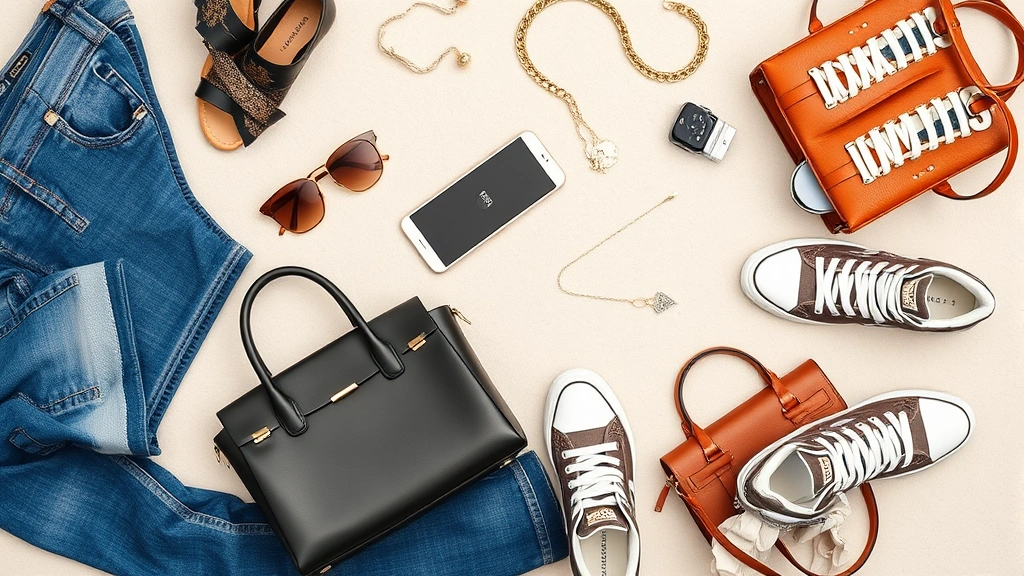
A fashion enthusiast represents a broader category of fashion-conscious individuals who genuinely enjoy style and design but approach it with less intensity than fashionistas. Fashion enthusiasts appreciate clothing, follow trends with genuine interest, and make thoughtful choices about their appearance. However, their relationship with fashion is typically more balanced with other life priorities and interests.
Fashion enthusiasts are passionate learners who enjoy discovering new designers, understanding fashion trends, and experimenting with their personal style. They might follow fashion blogs, watch runway shows, and stay informed about seasonal collections, but they do so as one of several interests rather than as their primary focus. This group includes stylists, fashion bloggers, design students, and anyone who genuinely loves fashion but doesn’t necessarily live and breathe it every moment.
What characterizes fashion enthusiasts is their accessibility and relatability. They make style choices that feel authentic to their lifestyle and budget. They’re interested in both high fashion and accessible brands, understanding that great style doesn’t require designer labels. Fashion enthusiasts might invest in quality basics, experiment with trends selectively, and develop a personal aesthetic that works for their life circumstances. They appreciate fashion but maintain perspective that it’s one element of a multifaceted life.
The fashion enthusiast category is remarkably diverse. It includes college students exploring their style identity, working professionals who dress intentionally, creative individuals who use fashion as artistic expression, and anyone genuinely interested in the intersection of design, culture, and personal presentation. This group often seeks guidance on fall fashion trends 2025 and other seasonal style updates to inform their choices.
Key Differences Between Fashionista and Fashion Enthusiast
Understanding the specific differences between these two fashion identities helps clarify which resonates most with your approach to style:
- Commitment Level: Fashionistas dedicate significant time, energy, and resources to fashion pursuits, often treating it as a career or life mission. Fashion enthusiasts enjoy fashion deeply but balance it with other priorities and commitments.
- Trend Adoption: Fashionistas are typically early adopters who embrace emerging trends before mainstream acceptance. Fashion enthusiasts adopt trends selectively, often waiting to see how they integrate into broader culture.
- Brand Awareness: Fashionistas possess detailed knowledge of designer portfolios, industry history, and emerging talent. Fashion enthusiasts appreciate brands but may not track every collection release or designer movement.
- Financial Investment: Fashionistas often allocate substantial budgets to fashion, investing in pieces across price points strategically. Fashion enthusiasts make intentional purchases but with practical budget constraints in mind.
- Style Philosophy: Fashionistas view fashion as art, identity, and cultural commentary. Fashion enthusiasts see fashion as personal expression that should enhance their lives without defining them entirely.
- Career Connection: Many fashionistas work within the fashion industry as designers, stylists, editors, or influencers. Fashion enthusiasts may work in fashion-adjacent fields or completely different industries while maintaining passionate interest.
- Social Influence: Fashionistas actively influence others’ style choices and often have platforms where they share fashion perspectives. Fashion enthusiasts may inspire others through their personal style but don’t necessarily seek this influence.
Fashionista Synonyms and Alternative Terms
The fashion world offers several terms that function as fashionista synonyms, each with slightly different connotations and cultural significance:
Style Icon: This term refers to someone whose fashion choices are widely admired and emulated. Style icons combine impeccable taste with cultural influence, often shaping how millions of people think about fashion. Unlike fashionista, which can feel somewhat superficial, style icon carries prestige and suggests sustained excellence.
Fashion Forward: Someone described as fashion forward demonstrates progressive thinking about style, embracing innovation and taking calculated risks with their appearance. This term emphasizes forward-thinking mentality rather than trend-following, suggesting someone who anticipates rather than reacts to fashion evolution.
Trendsetter: A trendsetter actively influences fashion direction rather than simply following established trends. Trendsetters possess the confidence and insight to introduce new ideas that others eventually adopt. This term carries connotations of leadership and cultural impact.
Style Guru: This term suggests expertise, wisdom, and authority in fashion matters. A style guru offers guidance to others and possesses deep knowledge about creating cohesive, impactful looks. It’s often used for fashion consultants, stylists, and recognized fashion authorities.
Fashion Blogger/Influencer: In contemporary culture, these terms describe individuals who share fashion perspectives through digital platforms. Fashion bloggers and influencers combine personal style with content creation, building communities around shared aesthetic interests. Explore StyleLoom Daily Blog for examples of fashion content that inspires and educates.
Sartorialist: Derived from “sartorial,” meaning relating to clothing and fashion, a sartorialist is someone with refined taste in tailoring and garment construction. This term suggests both knowledge and appreciation for the craftsmanship involved in creating clothing.
Fashionably Conscious: This newer term describes individuals who care deeply about fashion’s environmental and ethical implications while maintaining style consciousness. It represents evolution in fashion identity to include sustainability and social responsibility.
Expert Perspectives on Fashion Identity
Fashion industry experts offer valuable insights into how these identities function within contemporary culture. Vogue, the world’s leading fashion publication, consistently explores the relationship between personal style and fashion industry participation, highlighting how these identities have evolved with digital transformation.
Dr. Elizabeth Semmelhack, the director of the Bata Shoe Museum and recognized fashion historian, emphasizes that fashion identity exists on a spectrum. Rather than viewing fashionista and fashion enthusiast as binary categories, experts increasingly recognize multiple valid ways of engaging with fashion. Some individuals move between these identities throughout their lives, while others maintain consistent approaches.
Industry professionals note that the rise of social media has democratized fashion expertise. Previously, fashionista status required insider access to fashion weeks, designer showrooms, and industry events. Today, anyone with knowledge, perspective, and audience can participate in fashion discourse. This shift has created new fashionista synonyms and expanded the definition of fashion authority.
Business of Fashion regularly examines how fashion identity intersects with consumer behavior, highlighting that both fashionistas and fashion enthusiasts drive industry growth, albeit in different ways. Fashionistas influence luxury and high-fashion segments, while fashion enthusiasts represent the broader accessible market.
Sustainability experts within fashion note an emerging identity: the conscious fashionista. These individuals maintain fashionista-level engagement with trends and style while prioritizing ethical production, environmental impact, and garment longevity. This represents how fashion identities evolve to reflect contemporary values and concerns.
Finding Your Fashion Identity
Determining whether you’re a fashionista, fashion enthusiast, or perhaps something entirely different requires honest self-reflection about your relationship with style:
Assess Your Time Investment: How much time do you spend thinking about, researching, and engaging with fashion? Do you regularly follow runway shows, designer collections, and trend forecasts? Or do you engage with fashion content occasionally when it interests you? Your time allocation reveals your commitment level.
Evaluate Your Financial Commitment: What percentage of your disposable income goes toward fashion? Are you willing to invest in quality pieces, or do you prioritize budget-friendly options? Neither approach is wrong—they simply reflect different fashion identities and life circumstances.
Consider Your Style Philosophy: Why do you care about fashion? Is it artistic expression, cultural participation, personal confidence, practical necessity, or some combination? Your motivations shape your fashion identity significantly.
Examine Your Influence: Do people ask for your style advice? Do you naturally influence others’ fashion choices? Or do you prefer developing your personal style independently? Some people thrive on fashion influence while others prefer keeping their style journey personal.
Reflect on Your Knowledge Base: Can you articulate why certain combinations work? Do you understand fashion history and contemporary design movements? Your knowledge depth indicates your engagement level with fashion as a discipline.
When considering your fashion identity, explore resources like best fashion design schools information, even if you don’t plan to attend. Understanding fashion education paths reveals the depth of knowledge available to those who pursue it seriously.
The Evolution of Fashion Labels
Fashion terminology continues evolving as culture, technology, and values shift. The term fashionista, once cutting-edge in the 1990s, now feels somewhat dated to some, while others embrace it as a classic descriptor. This evolution reflects broader changes in how we understand personal style and fashion participation.
The rise of sustainable fashion has introduced new terminology and identity categories. Individuals might now identify as eco-fashionistas or sustainable style enthusiasts, emphasizing their commitment to environmentally and ethically responsible fashion choices. This demonstrates how fashion identity adapts to reflect contemporary concerns.
Digital culture has created the fashion content creator category, which blends elements of both fashionista and enthusiast identities. These individuals may not necessarily have deeper fashion knowledge than others, but they excel at communicating style perspectives to audiences. Their influence derives from relatability and content quality rather than traditional fashion credentials.
The concept of personal style authority has gained prominence, suggesting that authentic fashion identity comes from knowing yourself rather than following external directives. This represents a philosophical shift toward democratized fashion where anyone can develop legitimate style authority by understanding their aesthetic and communicating it effectively.
Generational differences also influence fashion identity terminology. Gen Z fashion enthusiasts often reject traditional hierarchies suggested by terms like fashionista, preferring descriptions like style-conscious or simply fashion lover that feel more inclusive and less pretentious. This linguistic shift reflects broader cultural movement toward accessibility and authenticity in fashion discourse.
For those exploring seasonal style opportunities, checking Fashion Nova promo codes July 2025 demonstrates how fashion enthusiasts balance passion with practical budget considerations. Whether you’re a fashionista or enthusiast, smart shopping enhances your ability to build the wardrobe you envision.
The fashion industry itself continues evolving, with luxury brands increasingly collaborating with accessible retailers, blurring traditional boundaries between high fashion and mainstream style. This democratization means that fashion identity no longer requires expensive access points—knowledge, perspective, and authentic engagement matter equally.
FAQ
What’s the main difference between a fashionista and a fashion enthusiast?
The primary difference lies in commitment level and time investment. Fashionistas dedicate significant energy to fashion as a central life focus, often working in the industry or maintaining extensive fashion expertise. Fashion enthusiasts genuinely enjoy style and trends but balance fashion with other life priorities. Both are valid fashion identities with different expressions.
Can someone transition from fashion enthusiast to fashionista?
Absolutely. Fashion identity can evolve throughout life based on changing circumstances, interests, and priorities. Someone might develop deeper fashion knowledge, increase their investment in style, or shift their career toward fashion-related fields, naturally transitioning to a fashionista identity. Conversely, fashionistas sometimes shift toward more balanced fashion engagement.
Is being a fashionista more valid than being a fashion enthusiast?
Not at all. Both identities are equally valid and valuable. Fashion benefits from both the innovators and trendsetters (fashionistas) and the thoughtful, intentional consumers (fashion enthusiasts). Each group contributes meaningfully to fashion culture in different ways. Your identity should reflect your authentic relationship with style, not external validation.
What are some other fashionista synonyms besides the ones mentioned?
Additional terms include style maven, fashion aficionado, design devotee, couture enthusiast, and style curator. Each carries slightly different connotations but generally refers to someone with deep fashion knowledge and passionate engagement with style and design.
How has social media changed fashion identity definitions?
Social media has democratized fashion authority and created new identity categories. Previously, fashionista status required industry access. Now, anyone with knowledge, perspective, and audience can participate in fashion discourse. This has expanded the meaning of fashion-related identities and created opportunities for diverse voices in fashion conversation.
Can I be both a fashionista and care about sustainability?
Definitely. The conscious or sustainable fashionista represents an evolving identity that combines deep fashion engagement with environmental and ethical responsibility. Many contemporary fashionistas actively seek out sustainable designers, vintage pieces, and ethical production practices, proving these values aren’t mutually exclusive.
How do I know if I’m a fashionista, enthusiast, or something else?
Reflect on your time investment, financial commitment, knowledge depth, motivation for caring about fashion, and whether you influence others’ style choices. Your honest answers reveal your authentic fashion identity. Remember that identity can evolve and that all fashion engagement levels are valid and valuable.