1920s Fashion Comeback? Expert Insights on the Roaring Twenties Revival
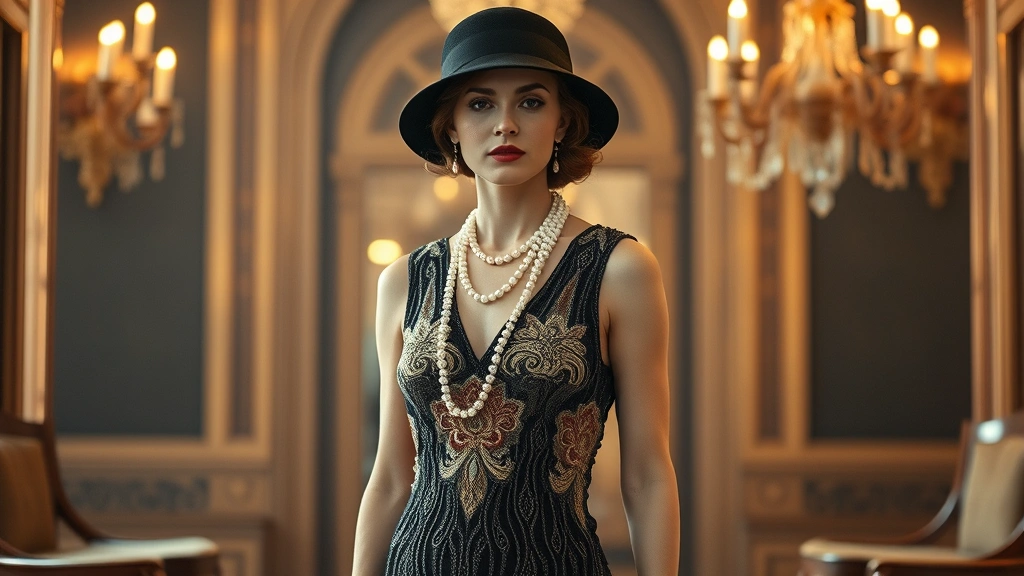
The 1920s represent one of fashion’s most transformative and liberating eras, a decade that fundamentally reshaped how people dressed and expressed themselves. Known as the Roaring Twenties, this period witnessed an unprecedented departure from restrictive Victorian silhouettes, giving way to shorter hemlines, looser fits, and daring accessories that scandalized society. Today, fashion enthusiasts and industry experts are witnessing a remarkable resurgence of 1920s aesthetics, with contemporary designers drawing inspiration from this iconic era and incorporating its distinctive elements into modern collections. But is this merely a nostalgic trend, or does the 1920s fashion revival represent something deeper about our current cultural moment?
The cyclical nature of fashion has always meant that past decades eventually return to the spotlight, but the intensity and authenticity of the current 1920s revival suggests something more meaningful. From high-end fashion houses to street-style influencers, the aesthetics of the Jazz Age are everywhere—in beaded gowns, art deco patterns, drop-waist silhouettes, and the unmistakable glamour that defined the period. Expert fashion historians and contemporary designers are providing valuable insights into why this particular decade continues to captivate us and how modern interpretations are breathing new life into vintage inspirations.
The Golden Era: Understanding 1920s Fashion
The 1920s emerged from the aftermath of World War I, a period of social upheaval and progressive thinking that fundamentally altered women’s roles in society. This newfound freedom was immediately reflected in fashion style, as women abandoned corsets and embraced more comfortable, practical clothing. The decade marked a revolutionary shift from the S-bend silhouette of the Edwardian era to the straight, androgynous lines that became synonymous with the flapper movement.
Coco Chanel emerged as a transformative figure during this period, pioneering the little black dress and establishing the concept of casual elegance that would influence fashion for generations. Her designs represented liberation and modernity, offering women an alternative to the ornate, heavily adorned fashions of previous decades. The 1920s weren’t merely about aesthetic change; they represented a cultural revolution where fashion became a vehicle for expressing new attitudes toward femininity, sexuality, and female independence.
Understanding this historical context is essential for appreciating the current 1920s revival. When modern fashion draws from this era, it’s not simply borrowing pretty silhouettes—it’s invoking the spirit of liberation and progressive thinking that defined the decade. This deeper cultural resonance explains why the 1920s aesthetic continues to inspire designers and consumers who seek fashion that carries meaning beyond mere visual appeal.
Key Elements Defining the 1920s Aesthetic
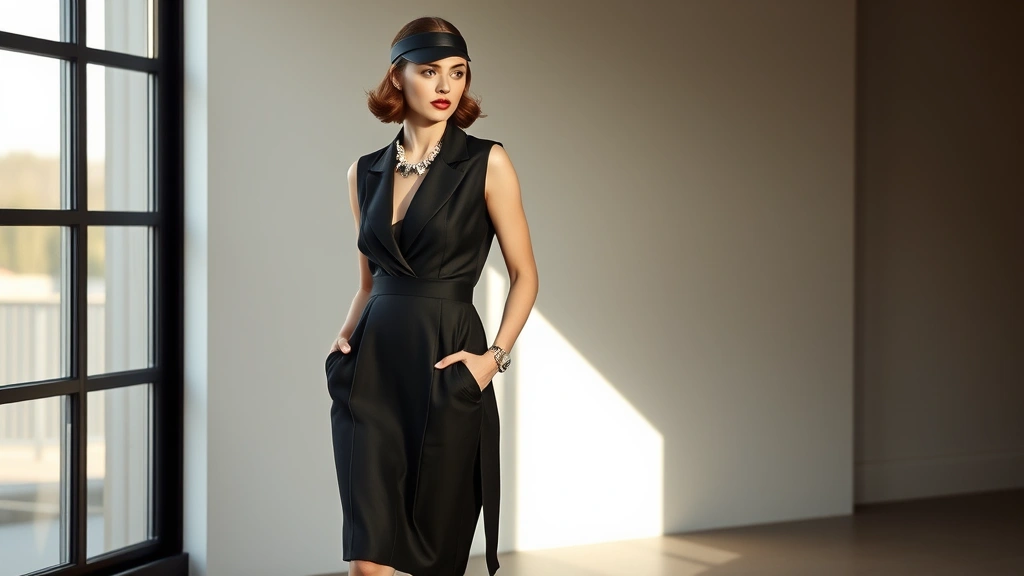
The visual language of 1920s fashion is instantly recognizable and surprisingly versatile. The silhouette was characterized by a dropped waistline, typically positioned at the hip, which created an elongated, straight line through the torso. This represented a dramatic departure from the curves-emphasizing fashions that preceded it. Hemlines rose dramatically—some dresses reached the knee or even higher, which was considered shockingly immodest at the time. This elevation of the hemline wasn’t just a style choice; it was a statement of rebellion against restrictive social norms.
Beading and embellishment defined much of 1920s formal wear, with intricate beadwork covering entire gowns in geometric and art deco patterns. These embellishments weren’t subtle; they were meant to catch light and draw attention, perfectly suited to the era’s glamorous nightlife and speakeasy culture. The art deco movement, which flourished during the 1920s, heavily influenced fashion design, introducing bold geometric patterns, rich jewel tones, and luxurious fabrics.
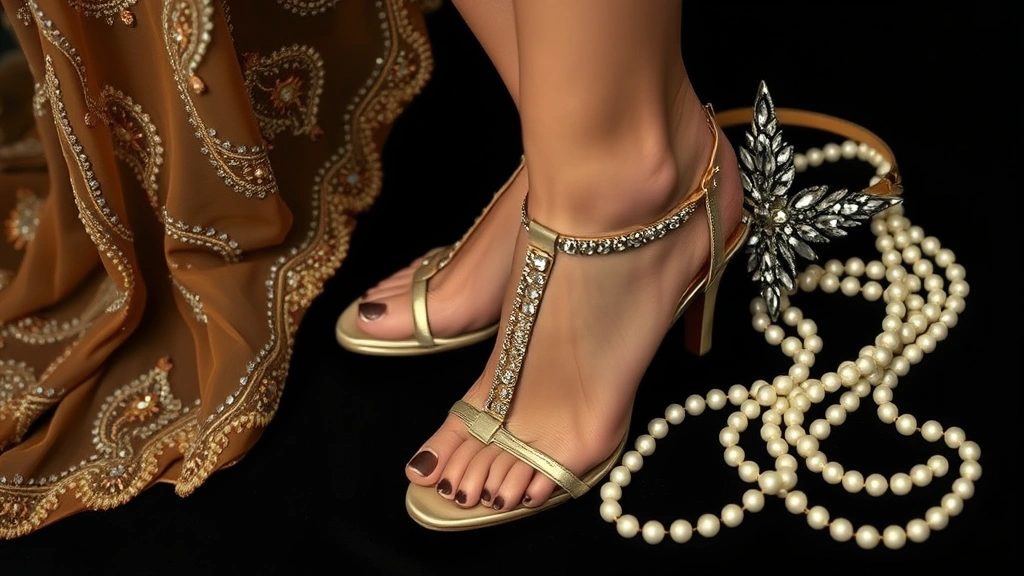
Accessories played a crucial role in completing the 1920s look. Long strands of pearls, often worn well below the waist, were essential. Fashion accessories of the era included T-strap heels, cloche hats that hugged the head tightly, long gloves, and ornate headpieces adorned with feathers or jewels. The headpieces, in particular, became iconic symbols of the era’s elegance and extravagance. Handbags became smaller and more refined, often made from beaded materials that coordinated with evening gowns.
The color palette of the 1920s included rich jewel tones—emerald, sapphire, ruby—alongside metallics and the stark contrast of black and white. Fabrics were luxurious: silk, satin, chiffon, and lamé were favored for evening wear, while cotton and linen dominated daywear. The tactile quality of these materials contributed significantly to the aesthetic, with the way fabrics moved and caught light being as important as their visual appearance.
Why the Roaring Twenties Are Back in Style
Fashion experts point to several interconnected reasons for the current resurgence of 1920s aesthetics. First, there’s the cyclical nature of fashion trends, where decades experience renewed interest approximately every 20-30 years. The 1920s have reached that temporal sweet spot where nostalgia combines with fresh perspective, allowing designers to reinterpret the era without feeling dated or derivative.
Second, the social and political climate of recent years has created a cultural appetite for the themes that defined the 1920s. As society grapples with questions of freedom, equality, and self-expression, the progressive spirit of the Jazz Age resonates powerfully. The 1920s represented a time when women pushed boundaries and challenged conventions—themes that remain relevant and inspiring today. Finding your personal style often involves drawing from historical periods that embody the values and attitudes you want to express.
Third, sustainability and vintage fashion have become increasingly important to conscious consumers. Rather than constantly purchasing new designs, fashion enthusiasts are exploring historical periods and investing in quality pieces that carry cultural significance. The 1920s, with their emphasis on craftsmanship and luxurious materials, offer a compelling alternative to fast fashion.
Additionally, popular culture has played a significant role in reviving 1920s aesthetics. Television series like The Great Gatsby adaptations, Downton Abbey, and Boardwalk Empire have reintroduced audiences to the visual language of the era, making it familiar and desirable. These productions showcase the glamour and sophistication of 1920s fashion in ways that inspire both costume designers and contemporary fashion creators.
The influence of Vogue and other fashion publications in championing vintage-inspired collections has also accelerated the trend. Fashion editors and critics have recognized the 1920s as a rich source of inspiration for contemporary design, leading to increased coverage and celebration of the era’s aesthetics in mainstream fashion discourse.
Modern Designers Embracing Vintage Inspiration
Contemporary fashion houses have enthusiastically embraced 1920s inspiration, recognizing the commercial appeal and creative possibilities of the era. Luxury brands like Gucci, Chanel, and Ralph Lauren have all produced collections heavily influenced by Art Deco patterns, drop-waist silhouettes, and the glamorous aesthetic of the Jazz Age. These aren’t exact reproductions; instead, they represent thoughtful reinterpretations that honor the spirit of the 1920s while incorporating modern construction techniques and contemporary sensibilities.
Harper’s Bazaar has extensively documented how leading designers approach 1920s inspiration, noting that successful contemporary pieces capture the era’s essence while remaining wearable and relevant for modern life. Designers are experimenting with new materials—sustainable fabrics, innovative synthetics—while maintaining the visual and conceptual integrity of 1920s design.
Independent and emerging designers have found particular success with 1920s-inspired collections, as the aesthetic allows for creative interpretation without requiring the massive resources of luxury conglomerates. Etsy sellers, boutique designers, and fashion students are all creating fresh takes on vintage silhouettes, proving that 1920s inspiration appeals across price points and market segments.
One notable trend is the mixing of 1920s elements with contemporary types of fashion, creating hybrid aesthetics that feel neither purely vintage nor entirely modern. Designers are pairing beaded 1920s-style tops with contemporary tailored trousers, combining drop-waist silhouettes with modern fabric technologies, and integrating art deco patterns into streetwear. This approach acknowledges that fashion is evolutionary, with each era building upon and reinterpreting what came before.
How to Incorporate 1920s Elements Today
For those inspired by the 1920s aesthetic, incorporating vintage elements into a modern wardrobe doesn’t require dressing exclusively in period pieces. The key is understanding which elements resonate with your personal style and how to balance them with contemporary pieces. Start with silhouettes: the drop-waist dress or jumpsuit remains remarkably flattering and modern-looking. These pieces can be worn with contemporary accessories and footwear to create a look that feels current rather than costume-like.
Beading and embellishment can be introduced through statement pieces—an embellished evening gown, a beaded clutch, or a sequined jacket. These pieces work beautifully for special occasions and can be styled with modern basics to create interesting contrasts. Art deco patterns offer another accessible entry point: look for geometric prints in contemporary fashion, incorporate them through accessories, or seek out home goods that echo the era’s aesthetic.
Accessories are perhaps the most versatile way to embrace 1920s inspiration. Long pearl necklaces remain timelessly elegant; T-strap heels have been continuously reissued by major footwear brands; and headpieces ranging from subtle headbands to elaborate fascinators can add vintage flair to contemporary outfits. Cloche-style hats have experienced a particular resurgence and work beautifully with modern casual wear.
Color choices can also channel the 1920s aesthetic. Embracing jewel tones—emerald, sapphire, deep red—creates a sophisticated palette associated with the era. Alternatively, the stark contrast of black and white, so prevalent in 1920s fashion photography, creates a timeless look that feels both vintage and contemporary.
Consider exploring the complete fashion history timeline to understand how the 1920s fit within broader fashion evolution and how different historical periods can be combined to create unique personal style. The most successful contemporary fashion often draws from multiple eras, creating layered looks with historical depth and modern relevance.
The Cultural Impact of Vintage Fashion Trends
The resurgence of 1920s fashion extends beyond aesthetic preferences; it reflects broader cultural conversations about nostalgia, authenticity, and values. In an era of rapid technological change and digital saturation, vintage fashion offers tangibility and connection to physical, human-made objects. The craftsmanship evident in 1920s garments—the hand-stitching, the quality of materials, the attention to detail—appeals to consumers seeking alternatives to mass-produced fast fashion.
Fashion historians note that the appeal of the 1920s specifically relates to the era’s association with liberation and progress. At a time when many feel constrained by social media expectations and consumer culture, the rebellious spirit of the Jazz Age offers inspiration. The 1920s were about breaking rules and challenging norms, values that resonate with contemporary movements toward body positivity, gender fluidity, and authentic self-expression.
The environmental impact of fashion has also contributed to increased interest in vintage styles. By choosing well-made vintage pieces or contemporary pieces inspired by vintage design, consumers can reduce their fashion footprint. The 1920s, with their emphasis on quality over quantity, offer a model for more sustainable consumption patterns. Style Loom Daily Blog has explored how vintage fashion consciousness intersects with environmental responsibility, highlighting how historical fashion knowledge can inform more ethical contemporary choices.
Social media has amplified the visibility of vintage-inspired fashion, with influencers and fashion bloggers regularly featuring 1920s-inspired outfits. This democratization of fashion inspiration means that 1920s aesthetics are no longer confined to high-fashion magazines and runway shows; they’re accessible and shareable across platforms, reaching global audiences and inspiring creative interpretations.
The 1920s revival also reflects a deeper cultural interest in the past as a source of wisdom and perspective. As society confronts contemporary challenges, historical periods that overcame their own obstacles—like the 1920s following World War I—offer both inspiration and reassurance. Fashion becomes a vehicle for connecting with history and expressing solidarity with past generations who also sought change and progress.
FAQ
What are the most iconic 1920s fashion pieces?
The most recognizable 1920s pieces include drop-waist dresses, cloche hats, long pearl necklaces, T-strap heels, beaded evening gowns, and the little black dress pioneered by Coco Chanel. These elements remain popular in contemporary fashion and can be easily incorporated into modern wardrobes.
Can men wear 1920s-inspired fashion?
Absolutely. 1920s menswear featured tailored suits, high-waisted trousers, suspenders, fedoras, and distinctive accessories. Contemporary men’s fashion frequently draws from these elements, and menswear designers regularly create 1920s-inspired collections that appeal to those seeking sophisticated, vintage-influenced styles.
Is 1920s fashion still fashionable in 2024?
Yes, 1920s aesthetic continues to influence contemporary fashion. Major designers regularly incorporate 1920s elements into collections, and the era remains a reliable source of inspiration for fashion across all price points and market segments. The timeless elegance of the period ensures its continued relevance.
How can I find authentic 1920s vintage pieces?
Authentic 1920s pieces can be found through vintage clothing retailers, estate sales, antique markets, and specialized online platforms. When shopping for vintage, look for period-appropriate construction techniques, materials, and labels. Consult fashion history resources to verify authenticity and ensure you’re investing in genuine vintage pieces.
What’s the difference between 1920s fashion and Art Deco design?
Art Deco is a design movement that heavily influenced 1920s fashion. While all 1920s fashion isn’t Art Deco, the geometric patterns, luxurious materials, and bold aesthetic of Art Deco are prominent in much of the era’s clothing. Understanding Art Deco principles can help you appreciate and incorporate 1920s fashion more effectively.
Are there sustainable ways to embrace 1920s fashion?
Yes. Shopping vintage is inherently sustainable, as is purchasing contemporary pieces from designers who use sustainable materials and ethical production methods. Supporting independent designers who create 1920s-inspired pieces and investing in quality garments that will last are both sustainable approaches to engaging with this aesthetic.