Must-Read Fashion Books: Expert Recommendations for Style Enthusiasts
Whether you’re a fashion student, a style-conscious professional, or simply someone who wants to deepen your understanding of the industry, reading the right fashion books can transform your perspective. Fashion literature goes far beyond runway shows and trend forecasts—it delves into the psychology of style, the history of iconic designers, and the cultural movements that shape how we dress. The best fashion books combine storytelling, visual inspiration, and practical wisdom that resonates long after you’ve turned the final page.
In this comprehensive guide, we’ve curated expert recommendations for fashion books that every style enthusiast should read. From foundational texts about fashion style to inspiring narratives about legendary designers, these selections offer invaluable insights into the world of fashion. Whether you’re looking to find your personal style or understand the complete fashion history timeline, these books provide the knowledge and inspiration you need.

Classic Fashion History Books
Understanding fashion requires knowledge of its rich history. The classics in fashion literature provide foundational understanding of how types of fashion evolved throughout centuries. One of the most influential works is “The History of Fashion in Costume” by Blanche Payne, which traces garment evolution from ancient civilizations through the twentieth century. This comprehensive text remains essential reading for anyone serious about understanding fashion’s trajectory.
“Fashion and Its Social Agendas” by Diana Crane explores how fashion reflects and influences society. Crane’s sociological approach reveals the deeper connections between clothing choices and cultural movements, making it invaluable for understanding fashion beyond aesthetics. Similarly, Vogue’s editorial collections and archives have influenced countless fashion historians and researchers.
“The Fashion System” by Roland Barthes remains groundbreaking for its semiotic analysis of fashion. Though challenging, this philosophical text decodes how fashion communicates meaning through garments, colors, and styles. It’s perfect for readers ready to engage with fashion theory at an advanced level. Another masterpiece, “Dress Codes: How the Laws of Fashion Make Us Who We Are” by Richard Thompson Ford, examines the relationship between clothing and social rules, offering contemporary perspectives on traditional fashion history.
Designer Biographies and Memoirs
The personal stories of fashion’s greatest minds provide inspiration and practical lessons. “Coco Chanel: The Illustrated World of a Fashion Icon” offers an intimate look at how one woman revolutionized women’s fashion. Chanel’s journey from orphanage to couture house founder demonstrates the power of innovation and determination. Her impact on fashion style fundamentally changed how women dress.
“The Man in the Glass House: Philip Johnson, Architect of Modern Century” by Mark Lamster explores Johnson’s influence beyond architecture into fashion’s visual language. For those interested in avant-garde perspectives, “Alexander McQueen: Blood Beneath the Skin” by Andrew Bolton provides a comprehensive look at the visionary designer’s creative process and cultural impact.
“Yves Saint Laurent: His Life and Work” by Catherine Gansevoort reveals the complexity of creating haute couture while maintaining artistic integrity. Saint Laurent’s influence on both men’s and women’s fashion remains unparalleled. “Karl Lagerfeld: A Life” by Patrick Mauriès chronicles the legendary designer’s evolution from Chanel’s creative director to fashion icon, offering insights into what it takes to maintain relevance across decades.
For contemporary designers, “Donatella: The Story of the Chanel Heiress and Her Fashion Dynasty” and “Tom Ford: Decoding a Designer” provide fascinating narratives about navigating the modern fashion industry. These memoirs aren’t just about fashion—they’re about ambition, creativity, and the relentless pursuit of excellence.
Style and Personal Fashion Guides
Beyond history and biography, practical fashion books help readers develop their own style sensibility. “The Little Black Book of Style” by Nina Garcia offers timeless advice about building a functional wardrobe. Garcia’s approach to style transcends trends, focusing on pieces that last and work across multiple contexts. This aligns perfectly with our guide on finding your personal style.
“Wear What You Love” by Stacy London combines psychology with fashion advice, helping readers understand their personal preferences and style blocks. London’s empathetic approach acknowledges that fashion is deeply personal and that true style comes from self-knowledge. “The Curated Closet: A Simple System for Discovering Your Personal Style and Building Your Dream Wardrobe” by Anuschka Rees provides practical exercises and frameworks for wardrobe curation.
“Style: The Secrets of Stylish Women” by Melissa Pimentel features interviews with fashion professionals and style icons, revealing their approach to getting dressed. These insights prove invaluable for readers seeking inspiration. Additionally, “Dress Your Best: The Complete Guide to Finding the Style That’s Right for Your Body” by Clinton Kelly and Stacy London focuses on body-specific styling advice, ensuring readers understand how to dress for their unique proportions.
For those interested in sustainable fashion, “Overdressed: The Shockingly High Cost of Fast Fashion and the Future of Clothes” by Elizabeth Cline examines the environmental and ethical implications of contemporary consumer habits. This book challenges readers to reconsider their relationship with fashion consumption, promoting mindful purchasing decisions.
Fashion Industry and Business Books
Understanding fashion requires knowledge of its business ecosystem. “The Alchemy of Finance” by George Soros includes insights applicable to luxury fashion markets and investment trends. For those specifically interested in the business side, “Deluxe: How Luxury Lost Its Luster” by Dana Thomas explores how mass-market expansion has affected luxury brands. Thomas’s investigative journalism reveals the complex relationships between heritage, quality, and profitability in high fashion.
“The End of Fashion: How Marketing Changed the Clothing Business Forever” by Teri Agins examines how marketing transformed fashion from a seasonal industry to a year-round consumer spectacle. This book provides essential context for understanding modern fashion’s accelerated cycles. “Fashion Brands: Branding Style from Armani to Zara” by Mark Tungate analyzes how successful brands build and maintain their identities.
“The Fashion Conspiracy: A Behind-the-Scenes Look at the Power and Profits Behind the Great Fashion Houses” by Nicholas Coleridge offers insider perspectives on how fashion houses operate. Coleridge’s experience as editor-in-chief of Tatler and The Spectator provides authoritative insight into industry dynamics. These business-focused books are essential for aspiring fashion entrepreneurs and industry professionals.
Contemporary Fashion Theory
Modern fashion studies require engagement with contemporary theory. “The Fashion Industry and Its Careers” by Katherine Jeanette Smith provides comprehensive information about various fashion careers and industry structure. For theoretical engagement, “Fashion, Identity and the Politics of Representation” by Stella Bruzzi and Pamela Church Gibson explores how fashion communicates identity and social position.
“Fashioning Disability: Disability in Fashion Media and Popular Culture” by Carrie Sandahl and Philip Auslander addresses representation in fashion, a crucial contemporary conversation. “Queer Fashion” by Michael Barnard examines how LGBTQ+ communities have influenced fashion and how fashion expresses queer identity.
“The Fashion Industry: An Introduction” by Leslie Davis Burns and Nancy O. Bryant serves as an excellent overview of contemporary fashion systems, from design through retail. This comprehensive text is particularly useful for students and those new to formal fashion study. Additionally, “Fashion’s Child Labor Problem” and related works by labor advocates provide critical perspectives on ethical concerns within the industry.
Business of Fashion and similar publications complement these books with current industry analysis and trend forecasting.
Visual and Coffee Table Fashion Books
Fashion is inherently visual, making beautiful books essential to any collection. “Vogue: The Collections” published by Taschen features stunning photography and editorial layouts from decades of the magazine’s history. These visual narratives complement written works perfectly. “Fashion Illustrations by Famous Designers” showcases the artistic side of fashion creation, revealing how designers conceptualize garments before construction.
“The Fashion Book” by Phaidon Press presents a comprehensive visual encyclopedia of fashion designers, photographers, and icons. With over 500 images, it serves as both inspiration and reference. “Fashion: A History from the 18th to the 20th Century” by Taschen offers magnificent photography documenting garment evolution through centuries.
“Moodie: The World’s Most Influential Photographers” and similar works celebrate fashion photography as an art form. These visual collections prove invaluable for anyone developing their aesthetic sensibility. “Style Icons: From Audrey Hepburn to Kurt Cobain” presents cultural moments through fashion, connecting garments to broader cultural narratives.
For those interested in specific fashion eras, “1920s Fashion: Dress in the Age of Jazz” and period-specific books provide detailed visual documentation. These resources prove invaluable when researching particular fashion history timeline periods or developing collections inspired by specific eras.
Visit Harper’s Bazaar for contemporary fashion editorial content that complements these visual books. Additionally, The Conversation offers academic perspectives on fashion and culture.
Building Your Fashion Library
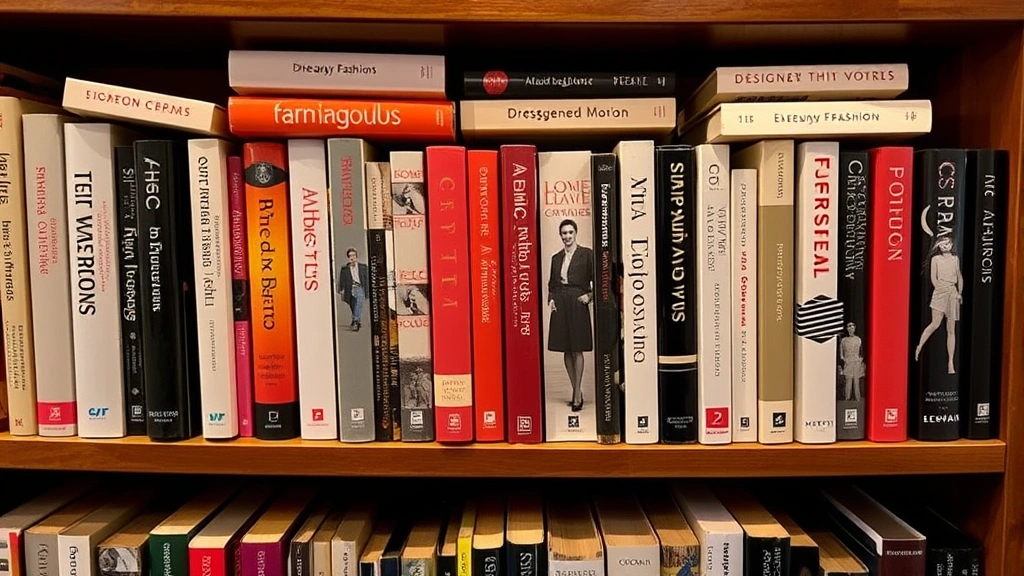
Creating a comprehensive fashion book collection requires strategic selection. Start with foundational texts like fashion history books, then add designer biographies that inspire you personally. Include at least one business-focused book to understand industry mechanics, and supplement with visual collections for inspiration and reference.
Consider your specific interests when building your collection. If you’re interested in sustainable fashion, prioritize books addressing environmental concerns. If you’re focused on fashion style development, emphasize personal style guides and visual inspiration. Return regularly to fashion style resources for updated recommendations.
The most valuable fashion library balances multiple perspectives—historical, theoretical, practical, and visual. Books serve as permanent references that you’ll return to repeatedly, unlike trend-focused magazines that quickly become outdated. Invest in quality editions that you’ll treasure for years.
FAQ
What’s the best fashion book for beginners?
“The Fashion Book” by Phaidon Press serves as an excellent starting point, offering visual overviews and concise information about designers and movements. Alternatively, “The History of Fashion in Costume” provides comprehensive context without overwhelming beginners.
Which fashion books focus on personal style development?
“The Little Black Book of Style” by Nina Garcia, “The Curated Closet” by Anuschka Rees, and “Wear What You Love” by Stacy London all offer practical guidance for developing personal style.
Are there fashion books specifically about sustainable fashion?
Yes, “Overdressed: The Shockingly High Cost of Fast Fashion and the Future of Clothes” by Elizabeth Cline and “Fashioned: A Sociology of Dress” address sustainability and ethical concerns in fashion.
What fashion books are best for aspiring designers?
Designer biographies like “Coco Chanel: The Illustrated World of a Fashion Icon” and “Karl Lagerfeld: A Life” provide inspiration and insights into the creative process. Combine these with technical books on pattern-making and design fundamentals.
How often should I read fashion books?
Fashion books offer lasting value and warrant regular returns. Many readers keep reference books on their shelves and revisit them for inspiration, research, and reminder of foundational fashion knowledge.
Can fashion books help me understand current trends?
Historical and theoretical books provide context for understanding trends, but for current trend forecasting, supplement books with WGSN and similar trend forecasting services that offer real-time insights.