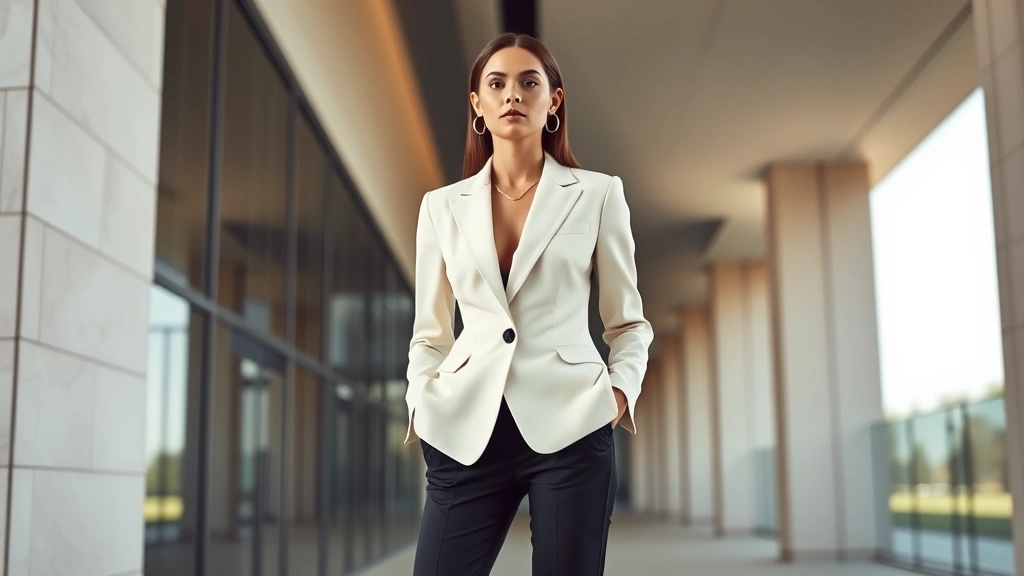
What is Fashionable? Designer Insights on Defining Style
Fashion is more than just clothing—it’s a dynamic expression of culture, identity, and innovation that evolves with society. When designers, stylists, and fashion experts discuss what makes something truly fashionable, they’re exploring a multifaceted concept that blends timelessness with contemporary relevance. Understanding how to define fashionable requires examining the intersection of personal authenticity, cultural moments, and expert craftsmanship that transforms garments into statements of style.
The question of what is fashionable has captivated the industry for decades, with leading designers consistently emphasizing that fashion transcends mere trends. It represents a philosophy where quality, intentionality, and self-expression converge. From haute couture runways to street style movements, fashionable pieces share common denominators: they flatter the wearer, communicate confidence, and reflect a thoughtful understanding of proportion, color, and composition. This comprehensive guide explores designer insights into defining fashionable style and how you can cultivate this sensibility in your own wardrobe.
The Core Elements of Fashionable Style
Fashionable style emerges from understanding fundamental principles that transcend seasonal changes. According to industry experts at Vogue, the most fashionable individuals possess an intuitive grasp of proportion, color harmony, and the power of simplicity. A fashionable outfit doesn’t necessarily mean wearing the most expensive or trendy pieces; rather, it involves selecting garments that work cohesively to create a polished, intentional appearance.
The first core element is proportion and silhouette. Fashionable dressing means understanding how different shapes interact with your body type and personal aesthetic. A perfectly tailored blazer paired with well-fitted jeans demonstrates fashionable sensibility because the proportions complement the wearer rather than overwhelm them. Designers emphasize that when silhouettes are balanced, the overall effect reads as sophisticated and intentional, regardless of price point.
The second essential element involves color coordination and palette curation. Fashionable individuals develop a cohesive color story within their wardrobes. This doesn’t mean everything matches monotonously; instead, it means selecting hues that harmonize with your skin tone, hair color, and personal aesthetic. Neutrals serve as anchors while accent colors add personality and visual interest. This strategic approach to color creates visual harmony that immediately signals fashion awareness.
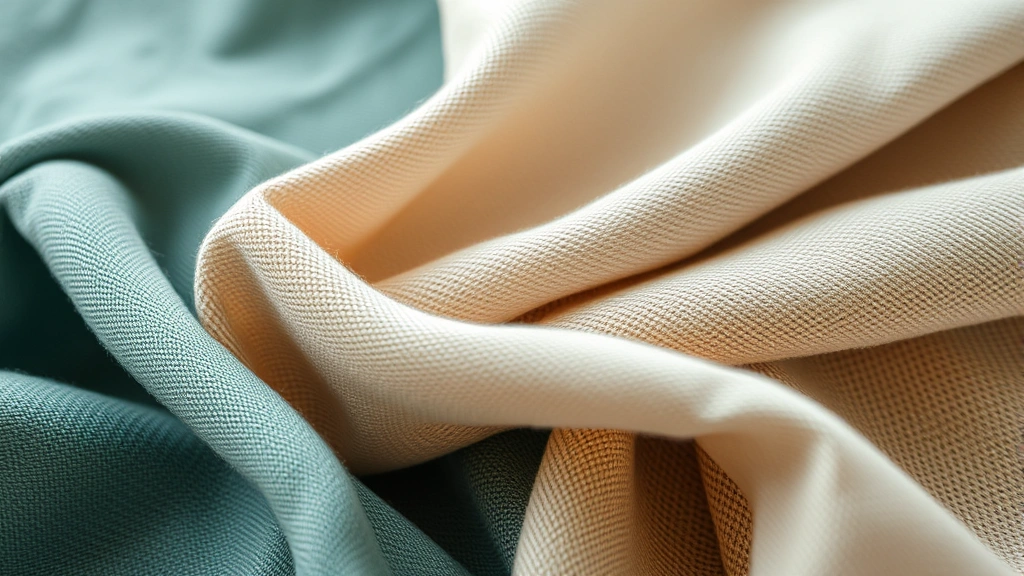
Texture and fabric quality represent the third foundational element. What makes something fashionable often depends on how fabric drapes, moves, and catches light. Natural fibers like linen, silk, wool, and cotton tend to photograph well and feel luxurious against skin. When designers discuss fashionable pieces, they frequently reference the importance of fabric choice—a simple white t-shirt becomes fashionable when constructed from premium cotton rather than synthetic blends.
Lastly, intentionality and editing define fashionable style. Wearing fewer, better pieces demonstrates more fashion awareness than layering multiple trends simultaneously. Fashionable dressing involves making deliberate choices, selecting pieces that serve multiple purposes within your wardrobe, and avoiding impulse purchases that don’t align with your established aesthetic.
Designer Philosophy on Timelessness vs. Trends
One of the most compelling insights from renowned designers involves balancing timeless pieces with contemporary trends. Fashion industry leaders consistently distinguish between what is fashionable right now versus what remains fashionable across decades. This nuanced understanding separates truly stylish individuals from those merely following fleeting fads.
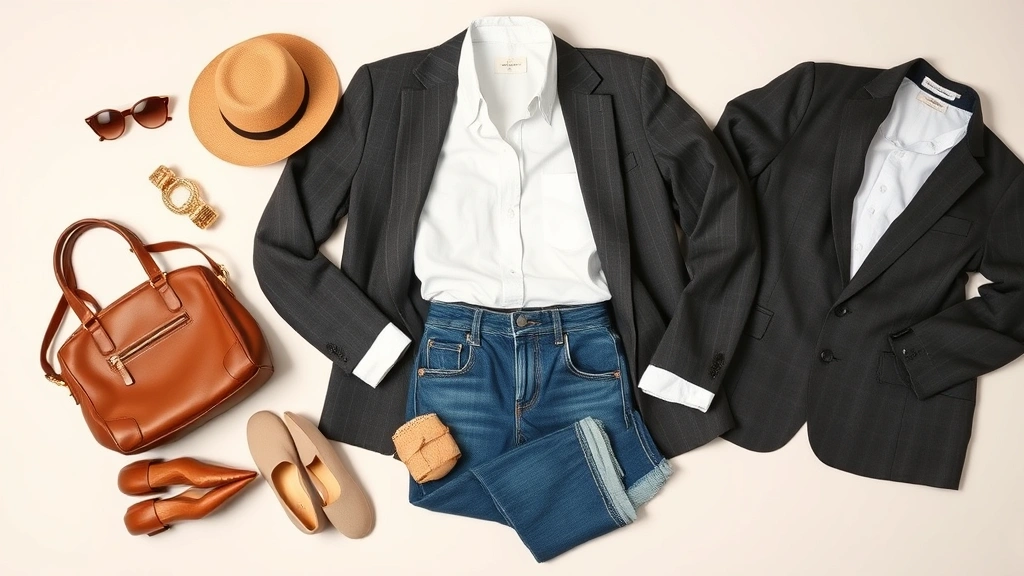
Timeless fashionable pieces include well-constructed blazers, perfectly fitting white button-downs, quality denim, tailored trousers, and classic leather accessories. These items remain fashionable across decades because they solve fundamental wardrobe needs while maintaining visual sophistication. Designers recommend building your foundation with these timeless pieces, which provide stability and versatility to your entire wardrobe.
However, fashionable style also incorporates types of fashion that evolve seasonally. Trend-forward pieces—think bold prints, statement colors, or innovative silhouettes—add contemporary energy to classic foundations. The fashionable approach involves selecting trends that genuinely resonate with your aesthetic rather than adopting every passing fad. When a trend aligns with your personal style and existing wardrobe, it becomes fashionable rather than jarring.
Leading designers like those featured in Business of Fashion publications emphasize that fashionable individuals curate their trend adoption carefully. They might invest in a trendy color or pattern through accessories or secondary pieces while maintaining timeless silhouettes in core items. This strategy ensures that your wardrobe photographs well today while remaining relevant tomorrow.
How Personal Style Elevates Fashion
Fashion becomes truly fashionable when it reflects authentic personal style. This concept challenges the notion that fashionable means conforming to external standards. Instead, designers emphasize that the most compelling fashionable looks emerge when individuals understand their unique aesthetic preferences and express them confidently. Learning how to find your personal style represents a crucial step toward developing fashionable sensibility.
Personal style involves recognizing recurring patterns in the pieces you’re naturally drawn to. Do you gravitate toward minimalist aesthetics or maximalist expression? Are you comfortable with bold colors or do you prefer neutral palettes? Do structured silhouettes appeal to you more than flowing, relaxed cuts? These preferences aren’t arbitrary—they reflect your personality, lifestyle, and values. When your wardrobe honors these preferences, every outfit feels authentically fashionable rather than forced.
Designers consistently note that fashionable individuals demonstrate style confidence. This confidence doesn’t require perfection; instead, it involves owning your aesthetic choices unapologetically. Whether you favor vintage-inspired silhouettes, contemporary minimalism, or eclectic bohemian aesthetics, fashionable style emerges when you commit fully to your chosen direction. This conviction communicates to others that your choices are deliberate rather than accidental.
The relationship between personal style and fashionable appearance becomes particularly evident when examining street style photography from fashion weeks and cultural events. The most photographed, celebrated outfits typically feature individuals who’ve successfully merged current fashion moments with deeply personal aesthetic signatures. They’re fashionable not because they’re wearing the most expensive pieces, but because their styling choices feel authentic and thoughtfully executed.
The Role of Quality and Craftsmanship
Designer insights consistently emphasize that fashionable items demonstrate superior quality and craftsmanship. This principle separates fashion-forward pieces from trendy fast-fashion alternatives that look dated within seasons. Understanding quality indicators helps you identify truly fashionable pieces worthy of investment.
Construction quality manifests in several ways. Examine seam finishes—fashionable garments feature clean, even stitching throughout. Check hems for hand-finished details rather than machine-only approaches. Quality zippers glide smoothly without catches, and buttons are securely attached with reinforced stitching. These details seem minor but collectively communicate the difference between fashionable craftsmanship and disposable clothing.
Fabric composition and weight significantly impact fashionable appearance. Natural fibers like linen, silk, wool, cotton, and their high-quality blends drape beautifully and age gracefully. They photograph well and feel luxurious, contributing to that polished, fashionable aesthetic. Conversely, cheap synthetic fabrics often pill, fade, and lose shape rapidly, undermining any fashionable styling efforts.
Finishing details distinguish fashionable pieces from ordinary alternatives. Interior pockets, reinforced stress points, bound seams, and quality lining all signal that a designer invested thoughtfully in construction. These elements don’t announce themselves loudly, but they create a subtle sense of quality that observers intuitively recognize as fashionable.
Investing in quality pieces aligns with sustainability and personal economics. A fashionable wardrobe built from durable, well-constructed items costs less long-term than constantly replacing fast-fashion purchases. Designers recommend prioritizing quality in foundational pieces—coats, blazers, jeans, and neutral basics—while being more flexible with trend-forward secondary items.
Cultural Context and Fashion Moments
Fashionable style exists within cultural and historical contexts that shape what reads as contemporary and relevant. Understanding these contexts helps explain why certain pieces feel fashionable right now while similar items from previous eras feel dated. Exploring the complete fashion history timeline reveals how cultural moments generate fashionable aesthetics.
Fashion responds to societal shifts, technological innovations, and cultural movements. The rise of remote work, for instance, made elevated loungewear fashionable in ways previously unimaginable. Similarly, growing environmental consciousness has made sustainable fashion choices fashionable within style-conscious communities. These cultural moments create new definitions of fashionable that extend beyond aesthetic preferences into values-based choices.
Designers note that fashionable individuals stay culturally aware without becoming slaves to every trend. They understand the current fashion moment—what celebrities are wearing, which designers are being celebrated, what color palettes are emerging—while filtering this information through personal aesthetic judgment. This awareness prevents outfits from feeling completely disconnected from contemporary fashion while maintaining timeless appeal.
The concept of fashion moments reflects how certain pieces or aesthetics become temporarily fashionable due to cultural influence. When a respected actress wears a particular silhouette on a major awards show, that style becomes fashionable for a season. Understanding how to participate in these moments without losing personal style requires sophistication and intentionality.
Building Your Fashionable Wardrobe
Creating a fashionable wardrobe involves systematic curation rather than random accumulation. Designers recommend beginning with honest assessment of your lifestyle, climate, professional requirements, and personal aesthetic preferences. This foundation prevents purchasing pieces that look fashionable in isolation but don’t work within your complete wardrobe ecosystem.
Start with neutral foundations. Invest in quality basics in colors that harmonize with your complexion: perhaps black, navy, gray, white, cream, or camel. These neutral pieces serve as anchors that coordinate effortlessly with each other and with accent colors. Fashionable basics include well-fitted white button-downs, quality t-shirts, tailored trousers, dark jeans, and neutral blazers.
Establish your color palette by identifying hues that make you feel confident and look vibrant. Your palette might include two to four neutral foundation colors plus three to five accent colors that appear repeatedly throughout your wardrobe. This cohesive approach ensures that most pieces coordinate, maximizing outfit combinations and creating a fashionable visual consistency.
Invest in silhouettes that flatter your body. Fashionable dressing means understanding which cuts, lengths, and proportions work harmoniously with your frame. This might mean favoring A-line skirts, straight-leg trousers, or oversized blazers—the specific silhouettes matter less than how they make you feel. When garments flatter you physically, they automatically read as more fashionable.
Add layering pieces that extend versatility. Cardigans, blazers, denim jackets, and lightweight sweaters allow you to adapt outfits to different seasons and settings. Quality layering pieces transform basic combinations into fashionable ensembles suitable for various occasions.
Incorporate statement accessories strategically. Bags, shoes, jewelry, and scarves provide opportunities to express personality while keeping core wardrobe pieces neutral. Fashionable individuals often invest in fewer, higher-quality accessories that coordinate across multiple outfits rather than numerous pieces that serve single purposes.
Designer Recommendations for Everyday Elegance
Creating fashionable everyday outfits doesn’t require complicated styling or expensive pieces. Instead, designers recommend applying consistent principles that elevate basic combinations into polished, fashionable looks.
The power of one statement piece: Fashion experts suggest building outfits around a single focal point. This might be a patterned blouse, colored blazer, or textured sweater paired with neutral basics. This approach creates visual interest while maintaining fashionable balance and preventing outfits from feeling chaotic.
Proportion play: Fashionable styling often involves contrasting proportions—pairing fitted tops with relaxed bottoms, oversized silhouettes with tailored pieces, or cropped items with flowing skirts. These contrasts create dynamic visual interest that reads as intentionally fashionable.
Elevated basics strategy: The most fashionable everyday outfits often feature simple combinations elevated through styling details. A white t-shirt becomes fashionable when tucked into tailored trousers, accessorized with a quality belt and structured bag, and completed with polished shoes. The individual pieces matter less than how thoughtfully they’re combined.
Shoe and bag coordination: Designers emphasize that shoes and bags significantly impact fashionable appearance. Coordinating these items—wearing shoes and bags in complementary colors or materials—creates visual cohesion that reads as fashionable. Investing in neutral, versatile shoes and bags that coordinate with multiple outfits maximizes this impact.
Grooming and presentation: Fashionable style extends beyond clothing into overall presentation. Well-maintained hair, skincare, and grooming contribute substantially to fashionable appearance. Even simple outfits read as fashionable when paired with polished presentation and confident posture.
When exploring fashion style approaches, remember that everyday elegance emerges from consistency, intentionality, and understanding your personal preferences. The most fashionable individuals aren’t necessarily those wearing the most expensive pieces—they’re those who’ve mastered fundamental styling principles and applied them authentically.
Discovering what fashionable means personally requires experimentation and self-awareness. Take inspiration from fashion trends for women over 50 and other style guides that demonstrate how fashionable dressing transcends age, body type, and budget. The key involves building a wardrobe and styling approach that feels authentically you while demonstrating awareness of contemporary fashion moments.
Fashion blogs and StyleLoom Daily Blog offer ongoing inspiration for developing your fashionable aesthetic. Remember that becoming fashionable is an evolving journey rather than a destination—your style will mature and transform as you gain experience, confidence, and deeper understanding of what makes you feel authentically fashionable.
FAQ
What is the difference between fashionable and trendy?
Fashionable refers to clothing and styling that demonstrates quality, intentionality, and enduring appeal, often combining timeless pieces with contemporary elements. Trendy, conversely, describes items that are momentarily popular but may quickly feel dated. Fashionable pieces remain appealing across multiple seasons, while trendy items have shorter lifespans. The most sophisticated style approach incorporates trendy elements into a fashionable foundation.
Can affordable clothing be fashionable?
Absolutely. Fashionable style depends more on fit, proportion, quality construction, and intentional styling than price point. An inexpensive piece becomes fashionable when it’s well-made, flatters the wearer, and coordinates harmoniously with other wardrobe items. Conversely, expensive pieces can look unfashionable if they don’t suit the wearer or lack quality construction. Fashionable dressing is about smart choices rather than spending extensively.
How do I develop my personal fashionable style?
Begin by observing which pieces you naturally gravitate toward, noting colors, silhouettes, and aesthetics that appeal to you. Create a mood board of fashionable outfits you admire, identifying common themes. Experiment with different combinations to discover what makes you feel confident. Pay attention to compliments you receive—these often indicate when your styling resonates with others. Over time, this self-awareness creates a cohesive personal style that feels authentically fashionable.
What role does body type play in fashionable dressing?
Fashionable dressing involves understanding which silhouettes, proportions, and cuts flatter your specific body type. This isn’t about restrictive rules but rather discovering what makes you feel confident and look vibrant. When garments fit well and complement your frame, they automatically read as more fashionable. Working with a stylist or experimenting systematically helps identify your most flattering silhouettes and proportions.
How often should I update my wardrobe to stay fashionable?
Rather than constantly purchasing new pieces, fashionable individuals strategically incorporate new items while maintaining timeless foundations. Update your wardrobe seasonally with a few trend-forward pieces if desired, but focus primarily on quality basics that endure. A well-constructed fashionable wardrobe from five years ago remains largely wearable today when built on timeless foundations with carefully selected trend pieces.
Can someone be fashionable without following fashion trends?
Yes. Fashion and trends are distinct concepts. Someone can be fashionable by dressing intentionally, understanding proportion and color, investing in quality pieces, and expressing authentic personal style—without following current trends. However, fashion awareness enhances fashionable appearance by ensuring outfits feel contemporary rather than dated. The ideal approach balances timeless fashionable principles with selective trend participation.