70s Disco Fashion: Timeless Style Icons
The 1970s disco era remains one of the most influential and glamorous periods in fashion history. This decade, defined by pulsating music, glittering dance floors, and uninhibited self-expression, birthed a style revolution that continues to captivate designers and fashion enthusiasts today. Disco fashion wasn’t merely about clothing—it was a cultural movement that celebrated individuality, sensuality, and the pure joy of living in the moment.
From bell-bottoms and platform shoes to sequined bodysuits and wide-collar shirts, 70s disco fashion represented a bold departure from the conservative styles of previous decades. The era championed excess, luminosity, and confidence, encouraging people to dress not for convention but for the dance floor. Whether you’re exploring fashion style or seeking inspiration from iconic eras, understanding disco’s impact is essential to appreciating modern fashion’s most daring trends.
The Rise of Disco Culture and Fashion
The disco phenomenon emerged in the early 1970s from New York’s underground dance clubs, particularly in marginalized communities seeking refuge and self-expression. What started as a niche music and dance movement rapidly exploded into a mainstream cultural phenomenon that dominated the mid-to-late 1970s. The music was infectious, the energy was electric, and the fashion that accompanied it was nothing short of revolutionary.
Disco fashion developed as a direct response to the music’s pulsating beats and the club environment’s unique lighting. Under the glow of disco balls and strobe lights, fabrics that reflected and refracted light became essential. Dancers needed clothing that moved with them, that sparkled under ultraviolet light, and that made bold statements about their identity and sexuality. This practical necessity merged with artistic expression to create one of fashion’s most visually stunning periods.
The fashion history timeline reveals how disco emerged as a reaction against the minimalism and androgyny of early 70s fashion. Where hippie culture had emphasized natural fabrics and antiestablishment aesthetics, disco celebrated luxury, glamour, and unapologetic sexuality. This shift represented a fundamental change in how people viewed fashion as a form of personal empowerment.
Essential Disco Fashion Elements
Disco fashion is instantly recognizable through several key silhouettes and pieces that defined the era. Understanding these essential elements helps explain why disco style remains so influential and why contemporary designers continually reference this aesthetic.
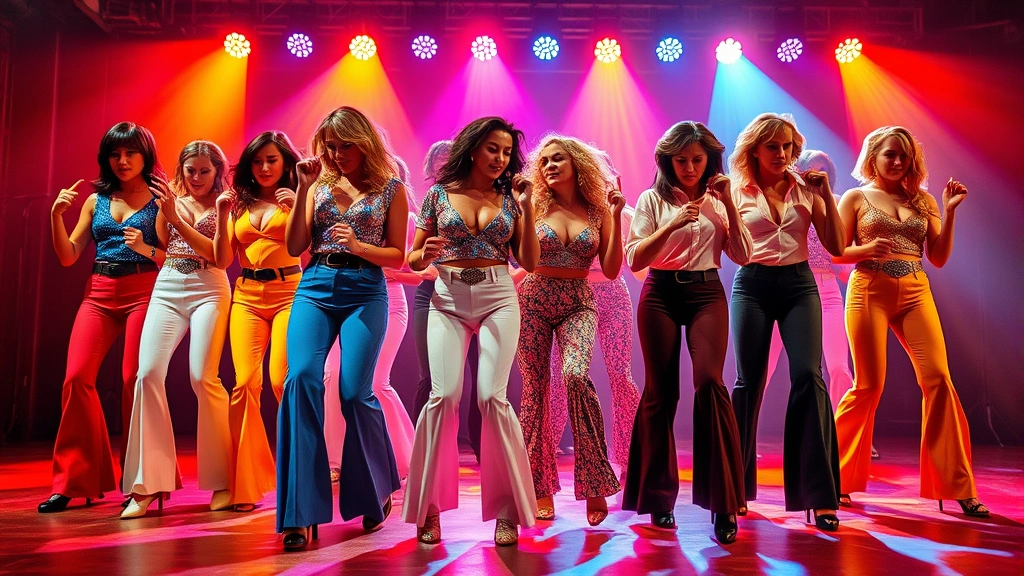
Bell-Bottoms and Flared Pants were the foundation of disco dressing. These dramatically flared trousers, often featuring high waistbands and wide legs that flowed from the hip, created an elongated silhouette perfect for dancing. The exaggeration of the flare—sometimes reaching 24 inches or wider at the hem—made every movement visible and dramatic. High-waisted cuts emphasized the torso and created an elegant proportion that flatters most body types.
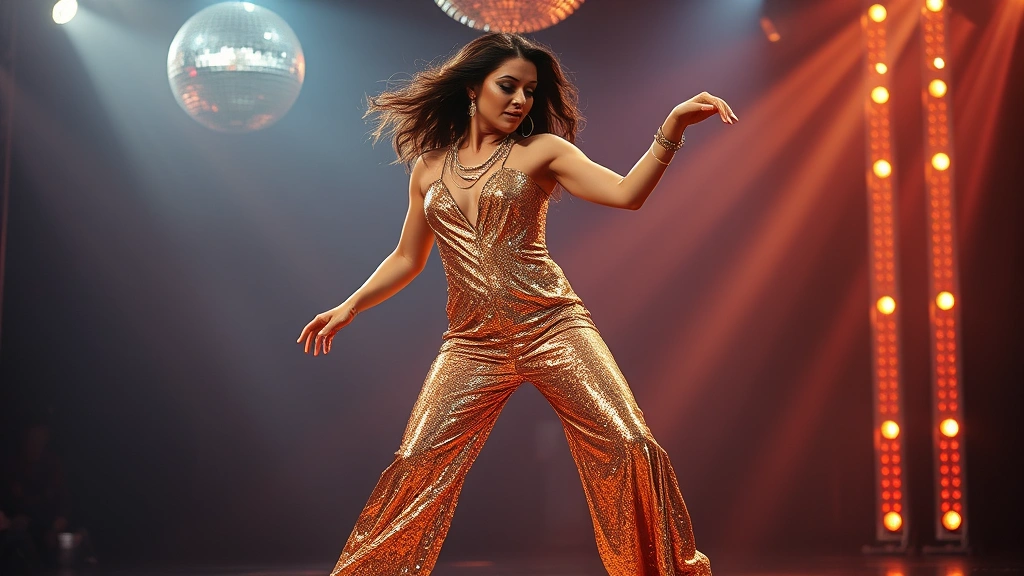
Jumpsuits and Bodysuits represented the height of disco sophistication. One-piece garments eliminated the need for tucking and created seamless, streamlined silhouettes. Many featured plunging necklines, cut-outs, and dramatic draping. Sequined jumpsuits became synonymous with disco glamour, transforming the wearer into a walking mirror ball. These pieces required confidence to wear, making them perfect for the self-assured disco dancer.
Platform Shoes elevated disco fashion literally and figuratively. Whether chunky platform boots, strappy heeled sandals, or sneaker-style platforms, these shoes added height and drama to every outfit. Platforms made dancers taller, making their movements more visible on crowded dance floors. The architectural quality of platform shoes complemented the geometric patterns and bold proportions of disco clothing.
Wide-Collar Shirts and Bowling Shirts brought a casual-meets-glamorous element to disco menswear. Oversized collars, sometimes extending several inches from the neck, became status symbols. Silk shirts in jewel tones or metallic finishes, worn partially unbuttoned to reveal chest hair and gold chains, became the archetypal disco look for men. Bowling shirts, borrowed from vintage Americana, were reimagined in luxurious fabrics and worn as status symbols.
Iconic Disco Fashion Icons
Several style icons defined and embodied disco fashion, their influence extending far beyond the dance floor into mainstream culture and contemporary fashion.
John Travolta became the ultimate disco fashion ambassador through his role in “Saturday Night Fever.” His iconic three-piece white suit, worn over a black silk shirt with an impossibly wide collar, became the most recognizable disco outfit in cinema history. Travolta’s impeccable styling—from his perfectly coiffed hair to his platform shoes—epitomized the meticulous grooming standards of disco culture. His influence on menswear during and after the 1970s was immeasurable, proving that disco fashion could be both theatrical and wearable.
Diana, Princess of Wales, brought royal elegance to disco dressing. Though her peak years came slightly later, Diana’s early 80s disco-influenced looks—sequined gowns, dramatic jewelry, and confident styling—showed how disco elements could elevate formal wear. Her willingness to embrace bold colors, statement pieces, and dramatic silhouettes demonstrated that disco fashion could transcend its club origins and enter high society.
Donna Summer, the “Queen of Disco,” embodied the genre’s glamorous excess through her stage wear and personal style. Her sequined bodysuits, dramatic makeup, and confident presence made her a fashion icon who influenced generations of performers. Summer proved that disco fashion was about attitude and presence as much as the clothes themselves.
Cher consistently pushed disco fashion boundaries with increasingly daring and creative outfits. Her willingness to expose skin, embrace metallic fabrics, and wear unconventional silhouettes made her a trendsetter. Cher demonstrated that disco fashion could be avant-garde and experimental while remaining deeply sensual and empowering.
Studio 54 Regulars created an entire ecosystem of disco style innovation. Celebrities, models, and style-conscious dancers who frequented this legendary nightclub became walking advertisements for disco fashion. Their eclectic mix of high fashion, vintage pieces, and avant-garde styling created a template for creative self-expression that influenced fashion for decades.
Color Palettes and Fabrics
Disco fashion’s visual impact relied heavily on specific color choices and fabric selections that optimized visibility and glamour under club lighting.
Metallic and Reflective Fabrics were essential to disco style. Gold, silver, and copper-toned materials caught light and created an otherworldly shimmer. Lamé—a fabric with metallic threads woven throughout—became a disco staple. Mylar and other synthetic fabrics that reflected light were incorporated into garments, making dancers literally glow. These materials represented modernity and technology, aligning disco with futuristic aesthetics.
Sequins and Beads transformed ordinary garments into glittering masterpieces. Hand-sewn or machine-applied sequins covered everything from bodysuits to pants to accessories. The labor-intensive nature of sequined garments made them luxury items, yet their prevalence in disco culture meant that even middle-class dancers could access sequined pieces through fast fashion predecessors. Beads, rhinestones, and other embellishments added depth and dimension.
Color Psychology in Disco favored jewel tones and bold hues. Electric blues, emerald greens, ruby reds, and sapphire purples dominated disco palettes. These colors appeared more vibrant under artificial lighting and conveyed luxury and confidence. Black remained essential as a backdrop that made other colors pop. White and cream appeared frequently, particularly in men’s suits and formal disco wear. Neon and fluorescent colors, though not dominant, appeared in accessories and highlighted certain garments’ edges.
Synthetic and Stretch Fabrics revolutionized disco dressing. Polyester, nylon, and early spandex blends allowed for body-hugging silhouettes that moved with dancers. These synthetic materials were easier to care for than natural fibers and reflected light differently, contributing to disco’s futuristic aesthetic. The tactile quality of these fabrics—smooth, slippery, sometimes slick—became associated with disco glamour.
Velvet and Suede added textural luxury to disco fashion. Crushed velvet, with its compressed pile that created color variations depending on light direction, became a disco favorite. Suede provided soft texture and depth. These materials, combined with metallic accents, created rich visual experiences that appealed to disco’s maximalist aesthetic.
Disco Accessories That Defined an Era
Accessories were absolutely crucial to completing disco looks. While clothing provided the foundation, accessories elevated outfits from ordinary to extraordinary.
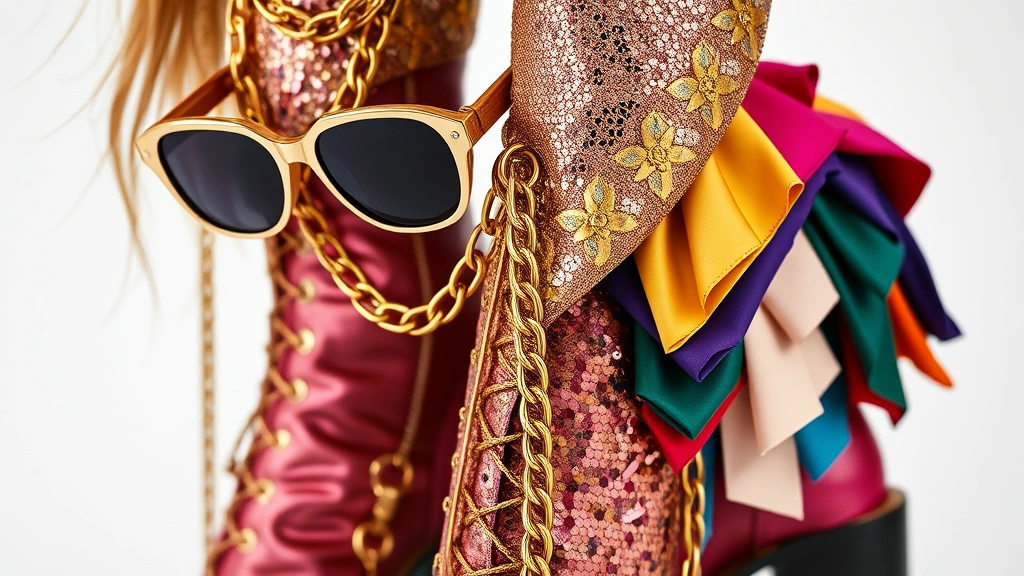
Gold Chains and Jewelry became status symbols and essential disco accessories. Thick gold chains worn over bare chests or silk shirts signaled wealth and confidence. Layered chains, worn at different lengths, created visual interest and movement. Large rings, chunky bracelets, and statement earrings complemented the bold scale of disco clothing. Jewelry didn’t need to be real gold—costume jewelry captured the same aesthetic and was more accessible to most dancers.
Platform Shoes and Boots deserve special emphasis as accessories that completed disco silhouettes. Chunky platform boots in leather or suede, strappy platform sandals in metallic finishes, and platform sneakers all contributed to the era’s distinctive look. Shoes weren’t merely functional; they were statement pieces that demonstrated commitment to disco style.
Sunglasses became iconic disco accessories, worn even indoors and at night. Oversized frames, tinted lenses in amber or rose, and mirrored sunglasses protected eyes from strobe lights while adding glamorous mystery. Sunglasses represented cool detachment and celebrity status, making them essential to disco style.
Scarves and Headwear added movement and texture to disco outfits. Silk scarves worn around necks, hips, or wrists caught light and moved dramatically during dancing. Headbands, particularly metallic or jeweled versions, added height and visual interest. Turbans and wrapped headpieces referenced global fashion influences and added exotic glamour.
Bags and Clutches completed disco looks with practical glamour. Small metallic clutches, beaded bags, and chain-strap purses held essentials while maintaining the aesthetic. Larger totes in metallic finishes or embellished with studs and rhinestones made bold statements.
Disco Fashion’s Modern Revival
Disco fashion never truly disappeared; it cycles through popularity and remains a consistent reference point for designers seeking to inject glamour and confidence into contemporary collections. Understanding types of fashion reveals how disco elements continuously resurface across different style categories.
Contemporary fashion has embraced disco aesthetics multiple times since the 1970s. The early 2000s saw a major disco revival, with designers like Gucci and Prada reintroducing sequins, metallics, and bold proportions. More recently, the 2010s and 2020s have witnessed sustained interest in disco elements, from runway shows featuring sequined bodysuits to street style embracing metallic fabrics and bold colors.
The rise of gender-fluid fashion has allowed disco’s gender-bending aesthetic to flourish anew. Disco fashion was never rigidly gendered—men wore sequins and platform shoes, women wore power suits and dramatic jewelry. Contemporary fashion’s move toward breaking down gendered dressing aligns perfectly with disco’s philosophy of self-expression through clothing.
Sustainability concerns have influenced how contemporary designers approach disco fashion. Instead of creating new sequined garments, some designers upcycle vintage disco pieces or create new pieces using recycled sequins and sustainable metallic fabrics. This approach honors disco’s aesthetic while addressing modern environmental concerns.
Fashion influencers and celebrities consistently reference disco in their styling. Red carpet events feature sequined gowns with disco influences. Music videos incorporate disco-inspired choreography and costuming. Nightlife culture, particularly in major cities, has seen renewed appreciation for disco aesthetics as both nostalgic reference and contemporary statement.
How to Style Disco Fashion Today
Incorporating disco elements into contemporary wardrobes requires balance, confidence, and understanding which pieces work in modern contexts. The key is selecting disco elements that align with personal style while avoiding costumery.
Start with Basics. Rather than committing to a full disco outfit, begin by incorporating single pieces. A metallic blazer, sequined top, or pair of flared trousers introduces disco elements without overwhelming an outfit. These pieces work beautifully with contemporary basics like white t-shirts or simple denim.
Embrace Sequins Strategically. A sequined bralette under a sheer shirt, a sequined clutch, or sequined sneakers add sparkle without requiring full disco costuming. Sequined pieces work particularly well for evening events, performances, or nights out dancing.
Experiment with Metallics. Metallic fabrics in silver, gold, or copper create disco vibes without the commitment of sequins. A metallic slip dress, metallic trousers, or metallic jacket translates disco glamour into contemporary silhouettes. Layer metallic pieces with matte textures for visual interest.
Incorporate Bold Colors. Jewel tones in contemporary cuts capture disco’s color philosophy without looking dated. An emerald green dress, sapphire blue jacket, or ruby red pants brings disco’s bold color sense to modern styling. Pair bold colors with neutral accessories to keep looks current.
Play with Proportions. Wide-leg trousers, oversized blazers, and dramatic silhouettes echo disco’s bold proportions. These pieces work beautifully in contemporary fashion when styled with fitted basics or current footwear. The key is balancing proportions—pair oversized tops with fitted bottoms or vice versa.
Accessorize with Confidence. Gold jewelry, layered chains, and statement pieces complete disco-inspired looks. Platform shoes, whether boots or sneakers, add disco edge. Sunglasses, particularly oversized or tinted styles, reference disco cool.
Consider Context. Disco fashion works beautifully for nights out, performances, creative professions, and events celebrating music and dance. In conservative professional environments, incorporate disco elements more subtly through accessories, colors, or silhouettes rather than full sequined bodysuits.
For those exploring how to find your personal style, disco fashion offers excellent lessons in confidence, self-expression, and creating visually cohesive looks through bold choices. The era’s philosophy of dressing for yourself rather than for convention remains relevant and inspiring.
FAQ
What are the most essential disco fashion pieces to own?
Platform shoes, flared trousers, a sequined or metallic top, and statement jewelry form the foundation of disco style. Starting with these basics allows you to experiment with disco aesthetics without committing to a full costume.
Can men wear disco fashion in contemporary settings?
Absolutely. Disco fashion’s gender-fluid roots mean men can wear sequins, metallics, and bold colors. A sequined shirt, metallic jacket, or flared trousers worn with confidence creates authentic disco style regardless of gender.
How do I avoid looking like I’m wearing a costume?
The key is combining disco pieces with contemporary basics. Pair a sequined top with modern jeans, or wear metallic trousers with a simple white shirt. Mixing disco elements with current styles creates modern looks rather than period costumes.
Where can I find authentic vintage disco pieces?
Vintage clothing stores, online marketplaces like Etsy and Depop, and specialized vintage fashion retailers carry authentic 1970s disco pieces. Thrift stores occasionally have hidden disco treasures. Be prepared to search, as authentic vintage disco fashion is increasingly sought after and expensive.
Are there sustainable ways to embrace disco fashion?
Yes. Vintage disco pieces are inherently sustainable since they’re already produced. Brands creating new pieces using recycled sequins or sustainable metallics offer eco-conscious disco fashion. Thrifting and upcycling existing pieces also reduces environmental impact.
How does disco fashion relate to contemporary fashion trends?
Disco elements continuously influence contemporary fashion through sequins, metallics, bold colors, and dramatic proportions. Understanding disco’s impact helps you recognize its influence in current runway shows, celebrity styling, and street fashion. Visit the StyleLoom Daily Blog for more insights into fashion trends and their historical roots.
What’s the difference between disco and glam rock fashion?
While both emerged in the 1970s and share some aesthetic elements, glam rock emphasized androgyny and artistic theatricality, while disco celebrated sensuality and glamorous excess. Disco fashion was more body-conscious and focused on reflective materials and bold colors, while glam rock incorporated more avant-garde silhouettes and makeup.