2005 Fashion Trends: Expert Analysis
The year 2005 stands as a pivotal moment in fashion history, representing a fascinating bridge between the early 2000s minimalism and the maximalist trends that would dominate the late 2000s. This era captured the essence of celebrity influence at its peak, with Paris Hilton, Jennifer Aniston, and other A-list icons dictating what millions wore on streets worldwide. The fashion landscape of 2005 was characterized by bold experimentation, technological advancement in fabric production, and a growing awareness of global fashion movements that extended far beyond the traditional European fashion capitals.
Understanding 2005 fashion requires examining the cultural zeitgeist of that moment—a time when reality television was reshaping entertainment, social media was in its infancy, and fashion blogs were beginning to challenge traditional magazine authority. The trends that emerged during this year reflected a generation eager to express individuality while simultaneously following celebrity fashion codes. Whether you’re a fashion historian, vintage enthusiast, or someone seeking to understand how past trends influence today’s style, this comprehensive analysis explores the defining characteristics of 2005 fashion.
The Rise of Low-Rise Everything
Perhaps no single silhouette defined 2005 fashion more dramatically than the low-rise trend that dominated both men’s and women’s wardrobes. This provocative cut, which sat dangerously low on the hips, became the uniform of youth culture and celebrity red carpets alike. The trend represented a deliberate rejection of the comfort-focused styles of the 1990s, embracing instead a more daring, body-conscious aesthetic that prioritized visual impact over practicality.
Women’s low-rise jeans were paired with crop tops, baby tees, and deliberately shortened shirts that exposed the midriff and often revealed carefully chosen hip tattoos or decorative piercings. Britney Spears, Christina Aguilera, and Paris Hilton became the unlikely fashion ambassadors of this trend, each pushing the boundaries further with increasingly minimal coverage. The low-rise silhouette extended beyond casual wear into evening dresses, skirts, and even formal wear, creating a cohesive aesthetic that permeated every level of fashion.
What made the low-rise trend particularly interesting from a fashion perspective was its democratic appeal—it wasn’t exclusive to high fashion runways but became accessible through mainstream retailers like Abercrombie & Fitch, American Eagle, and Hollister. This democratization of trend-setting marked a significant shift in how fashion authority operated. The fashion style embraced by everyday consumers increasingly influenced designer collections rather than the reverse.
Denim Dominance and Customization
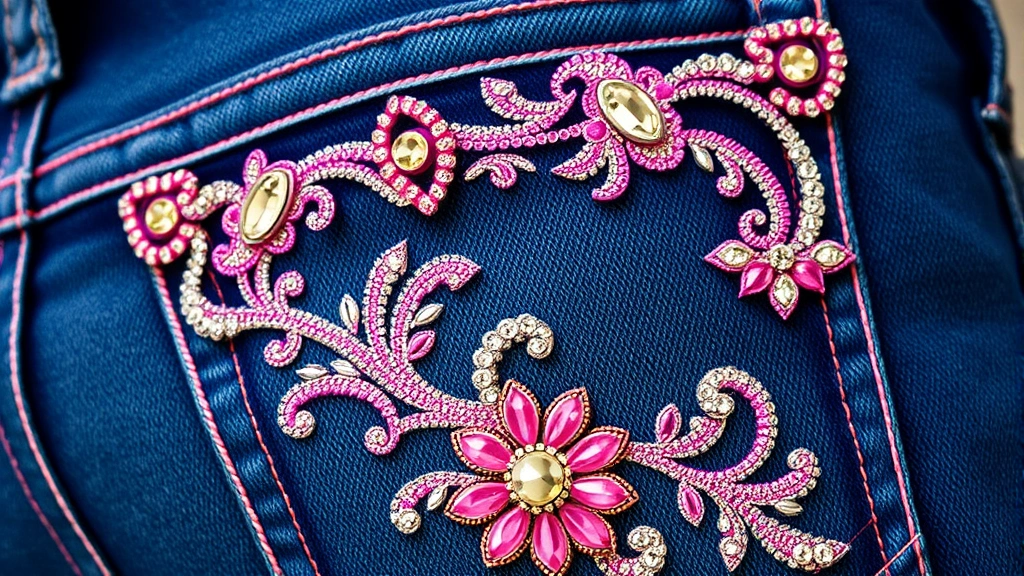
Denim in 2005 wasn’t simply a casual fabric—it was elevated to an art form through extensive customization and designer intervention. The year saw denim treated as a legitimate fashion canvas, with luxury brands like True Religion, Juicy Couture, and Dolce & Gabbana creating premium denim that cost upwards of $200 per pair. These weren’t simply well-made jeans; they were status symbols adorned with elaborate embroidery, rhinestones, and distinctive stitching patterns.
Customization became central to denim culture during this period. Embroidery shops flourished in shopping malls, offering personalized designs on the back pockets of jeans—names, initials, decorative patterns, and elaborate scenes transformed basic denim into personalized statements. The back pocket became particularly important real estate, with designers creating distinctive patterns that became instantly recognizable. True Religion’s horseshoe stitching and Juicy Couture’s ornate designs became as important to the overall aesthetic as the actual fit of the jeans.
The fit of 2005 denim was notably specific: slim through the thigh with a slight flare at the ankle, creating a silhouette that would eventually be recognized as quintessentially mid-2000s. This fit, combined with the heavy customization trend, meant that finding the “right” pair of jeans became a significant investment of both time and money. Multiple pairs of jeans in different washes and with different embellishments became standard in fashion-conscious wardrobes. Understanding types of fashion during this era requires acknowledging that denim transcended its workwear origins to become a luxury item and primary fashion statement.
Luxury Logos and Status Symbols
The 2005 fashion landscape was dominated by visible luxury branding in ways that previous decades had considered somewhat gauche. The early 2000s saw a deliberate embrace of logo-forward fashion, with consumers proudly displaying designer marks, brand names, and luxury signifiers as integral parts of their outfits. This represented a significant departure from the previous generation’s preference for subtle luxury indicators.
Brands like Louis Vuitton, Gucci, Prada, and Fendi became ubiquitous through their monogrammed bags, scarves, and accessories. The Louis Vuitton Speedy and Monogram canvas bags became status symbols of unprecedented proportions, with waiting lists at boutiques and counterfeit versions flooding markets. Gucci’s distinctive GG logo appeared on everything from belts to sunglasses to swimwear, creating a recognizable aesthetic that transcended individual pieces.
The embrace of visible logos reflected broader cultural attitudes about wealth display and aspiration. Reality television, with shows like “The Simple Life” featuring Paris Hilton and her designer accessories, normalized and celebrated this aesthetic. Luxury fashion became entertainment, and wearing recognizable brand names became a form of cultural participation. This logo-heavy approach would eventually face backlash in the early 2010s when minimalism and subtle luxury would return to favor, but in 2005, bigger logos and more visible branding were definitively “in.”
The counterfeiting epidemic of 2005 also speaks to the cultural importance of these logos. Counterfeit goods were so prevalent that luxury brands invested heavily in authentication methods and legal action against counterfeiters. The desire to own these branded items—even counterfeit versions—demonstrates how deeply logo-forward fashion had penetrated popular culture. Exploring fashion history timeline reveals how cyclical these attitudes toward branding truly are.
Layering as an Art Form
2005 fashion elevated layering from a practical necessity for changing seasons into a sophisticated styling technique that created visual interest and demonstrated fashion awareness. The classic 2005 look often involved multiple transparent or semi-transparent layers creating depth and complexity from relatively simple individual pieces.
The baby tee, often in white or a bright solid color, became the foundation for elaborate layering schemes. This would be worn under a larger graphic tee, which would then be topped with a fitted zip-up hoodie or lightweight cardigan. Tank tops were layered under long-sleeved shirts with the sleeves pushed up to create a deliberately casual-yet-intentional appearance. This approach to dressing required more pieces and more thought than simply pulling on one item, making it a clear signal of fashion engagement.
Sheer fabrics played a crucial role in this layering aesthetic. Mesh tops, transparent fabrics, and semi-opaque materials allowed multiple layers to be visible simultaneously, creating visual complexity while maintaining the overall silhouette. This technique appeared on runways from high fashion designers and in mall stores, becoming a democratized approach to creating sophisticated looks. The layering trend also extended to accessories, with multiple chains, belts, and bags worn simultaneously to create a maximalist aesthetic.
Understanding how to layer appropriately became a marker of fashion literacy in 2005. Those who could successfully combine colors, textures, and transparencies demonstrated style awareness and fashion knowledge. This emphasis on layering technique would influence fashion for years to come, establishing it as a fundamental styling principle that transcends individual trends.
Accessories Define the Look
In 2005 fashion, accessories weren’t simply finishing touches—they were the primary vehicles for expressing personal style and fashion authority. A basic outfit of jeans and a t-shirt could be transformed entirely through strategic accessory choices, making accessories shopping a primary focus for fashion-conscious consumers.
Handbags represented the most important accessory category, with the style, size, and brand of one’s bag communicating volumes about fashion awareness and economic status. The oversized tote became increasingly popular, with designer versions like the Louis Vuitton Damier or Monogram Vernis bags serving as the ultimate status symbols. Smaller shoulder bags and mini bags also gained popularity, often worn in addition to larger totes, reflecting the maximalist approach to accessory accumulation.
Sunglasses became another crucial accessory, with oversized frames dominating the landscape. The larger the lenses, the more fashionable the sunglasses appeared to be, with celebrities often wearing sunglasses that covered half their faces. Brands like Chanel, Dior, and Gucci created iconic sunglasses designs that became instantly recognizable and highly coveted.
Belts experienced a renaissance in 2005, worn not simply for functionality but as visible design elements. Wide belts cinched over tops and dresses, with decorative buckles becoming increasingly elaborate. Designer belts with prominent logos became status symbols, worn to deliberately emphasize the waistline and create definition in outfits.
Jewelry also played a significant role, with multiple chains, rings, and bracelets worn simultaneously. The “more is more” philosophy extended to jewelry, with stacked rings, layered necklaces, and multiple piercings creating a deliberately embellished aesthetic. Learning to find your personal style in 2005 meant understanding how to curate accessories that communicated your fashion identity.
Color Palette and Textures
The color palette of 2005 fashion was notably diverse, moving away from the muted tones of the 1990s toward more saturated, bold colors. Bright pinks, electric blues, lime greens, and hot oranges appeared frequently in both casual and formal wear. This color boldness reflected the optimism and energy of mid-2000s culture, where subtlety gave way to visual impact.
Metallics also dominated, with silver and gold fabrics, finishes, and accessories appearing throughout the fashion landscape. Metallic fabrics were used for everything from evening dresses to casual cardigans, creating a futuristic aesthetic that reflected the technological optimism of the era. Holographic fabrics and iridescent finishes added another dimension to the metallic trend.
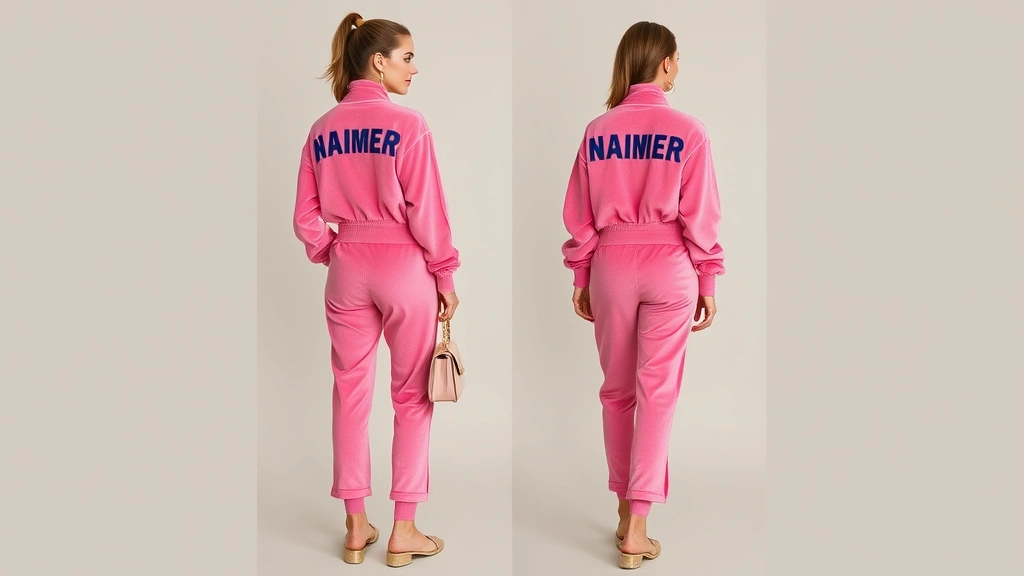
Velour emerged as a signature 2005 texture, with velour tracksuits becoming the uniform of casual luxury. Juicy Couture’s velour tracksuit, typically in pink or other bright colors with the brand name emblazoned across the back, became one of the most iconic outfits of the era. The soft, plush texture of velour represented a move toward comfort within the context of high fashion, allowing for relaxed silhouettes without sacrificing style perception.
Satin and silk continued to be important for evening wear, while denim and cotton canvas maintained their dominance in casual fashion. The texture contrast between rough denim and soft velour or silk created interesting visual and tactile experiences that defined 2005 fashion’s sensory approach to dressing.
Leopard print and other animal prints experienced a significant resurgence, appearing on everything from accessories to outerwear. The animal print trend reflected a more playful, less serious approach to fashion that characterized 2005, where fashion was increasingly about entertainment and self-expression rather than timeless elegance.
Footwear Evolution
Shoes in 2005 were characterized by dramatic heels, distinctive designs, and fashion-forward thinking that prioritized visual impact over comfort. The year saw several distinct footwear trends that collectively defined the era’s approach to shoes.
The stiletto heel reached new heights—literally—with many designs featuring heels of four inches or higher. These weren’t subtle additions to elegant evening wear but dramatic, visible design elements that fundamentally altered the silhouette. Designers like Jimmy Choo, Manolo Blahnik, and Christian Louboutin (though Louboutin’s red sole wasn’t yet as iconic) created elaborate heel designs that became status symbols and fashion statements.
Strappy sandals with thin heels became the summer staple, often featuring decorative elements like rhinestones, metallic finishes, or elaborate straps. The visible heel and strappy design allowed for maximum decoration and visual interest, aligning with the maximalist aesthetic that dominated 2005 fashion.
Flat shoes, while less dominant than heels, appeared in the form of ballet flats, flip-flops with designer modifications, and casual sneakers. However, even these casual shoes often featured designer branding or decorative elements that elevated them beyond basic functionality. The Ugg boot phenomenon, which had begun in the early 2000s, continued to grow, with these sheepskin boots becoming ubiquitous despite their questionable aesthetic appeal to fashion critics.
Boots, particularly knee-high and thigh-high versions, became increasingly popular, with the tight, fitted silhouette complementing the overall body-conscious aesthetic of the era. Boots with decorative elements, metallic finishes, or unusual textures created additional visual interest and fashion authority.
Influence of Celebrity Culture
Celebrity culture in 2005 wielded unprecedented influence over fashion trends, with paparazzi photography and celebrity gossip websites creating a constant stream of style inspiration and fashion instruction. The rise of celebrity fashion blogging and style commentary meant that what celebrities wore wasn’t simply observed but actively analyzed, discussed, and immediately replicated by consumers.
Paris Hilton emerged as the most influential fashion figure of 2005, with her signature style of low-rise jeans, baby tees, small dogs in designer bags, and oversized sunglasses becoming instantly recognizable and widely imitated. Her appearance on “The Simple Life” introduced millions to luxury brands and designer accessories, effectively functioning as a fashion education program for mainstream audiences.
Jennifer Aniston’s influence continued from her “Friends” era, with her hairstyles and casual-chic approach to dressing inspiring countless imitations. The “Rachel” haircut of the 1990s had evolved into a more sophisticated style that complemented the 2005 fashion aesthetic.
Jessica Simpson and her fashion evolution, particularly as she transitioned from pop star to actress, captured significant media attention. Her style choices, from casual paparazzi shots to red carpet appearances, were analyzed and discussed extensively in fashion media.
The red carpet became increasingly important as a fashion stage, with awards shows and premieres generating significant fashion coverage and trend-setting moments. Designers competed for celebrity clients, understanding that dressing A-list celebrities provided invaluable marketing and trend-making opportunities.
This celebrity-driven fashion model represented a significant shift from previous eras when fashion authority rested more firmly with designers and fashion institutions. By 2005, celebrity style had become the primary driver of trends, with fashion magazines and websites devoted substantial coverage to analyzing and replicating celebrity looks. The relationship between StyleLoom Daily Blog content and celebrity fashion demonstrates how important this influence remains today.
2005 Fashion Brands That Defined the Era
Certain brands became synonymous with 2005 fashion, embodying the era’s aesthetic and values. Understanding these key brands provides insight into the fashion landscape of the time and how they influenced broader style trends.
Juicy Couture became the epitome of 2005 casual luxury, with their velour tracksuits and decorative bags representing the era’s approach to comfortable yet fashionable dressing. The brand’s playful aesthetic and celebrity endorsements made it instantly recognizable and widely imitated.
Abercrombie & Fitch dominated youth fashion, despite significant controversy surrounding their marketing practices and sizing policies. Their aesthetic of casual, body-conscious clothing appealed to teenagers and young adults seeking to emulate celebrity styles on limited budgets.
True Religion and other premium denim brands elevated jeans to luxury status, making denim shopping a significant fashion and financial investment. These brands understood that customization, fit, and branding could transform basic jeans into coveted luxury items.
Luxury conglomerates like LVMH (Louis Vuitton Moët Hennessy) and Kering (Gucci, Balenciaga) benefited tremendously from the logo-forward trend, as their monogrammed products became status symbols and fashion statements. The visible branding that would later be considered tacky in the 2010s was actively celebrated and pursued in 2005.
According to fashion analyst Vogue, the 2005 fashion landscape represented a pivotal moment when celebrity culture, technology, and globalization converged to create unprecedented influence over fashion trends. The democratization of trend-setting through accessible retail and celebrity endorsements fundamentally altered how fashion operated as a system.
The Lasting Legacy of 2005 Fashion
Understanding 2005 fashion provides valuable insight into how trends develop, spread, and eventually fall out of favor. The extreme nature of many 2005 trends—the ultra-low rise, the visible logos, the oversized sunglasses—meant that the era became distinctly recognizable and eventually fodder for nostalgic revival and ironic recreation.
The 2005 aesthetic has experienced significant nostalgia-driven revival in recent years, with younger generations discovering and celebrating the era’s bold, unapologetic approach to fashion. Fashion designers have referenced 2005 trends in contemporary collections, and vintage 2005 pieces have become desirable in resale markets, indicating the era’s cultural significance.
The influence of 2005 fashion extends beyond specific trends to broader shifts in how fashion operates. The era established celebrity as the primary source of fashion authority, a model that persists today despite the rise of social media influencers. The democratization of luxury through accessible retail versions of designer trends began in earnest during this period, creating the fast-fashion model that dominates contemporary retail.
For those interested in fashion trends for women over 50 or any other demographic, examining 2005 fashion reveals how trends adapt across age groups and how fashion institutions create age-appropriate versions of dominant trends.
FAQ
What were the most iconic 2005 fashion trends?
The most iconic 2005 fashion trends included ultra-low-rise jeans, designer-customized denim with elaborate embroidery, oversized sunglasses, velour tracksuits, visible luxury logos, and layered clothing combinations. These trends collectively defined the era’s bold, maximalist approach to fashion.
Why was celebrity culture so influential in 2005 fashion?
Celebrity culture dominated 2005 fashion due to the rise of paparazzi culture, celebrity gossip websites, and reality television that made celebrity lives and style choices constantly visible to the public. The accessibility of celebrity fashion information created immediate trend replication among consumers seeking to emulate their favorite stars.
Is 2005 fashion coming back?
2005 fashion has experienced significant nostalgia-driven revival among younger generations, with low-rise jeans, baby tees, and other era-defining trends reappearing in contemporary fashion. However, these trends are often presented with ironic awareness rather than sincere recreation, reflecting how fashion cycles and revives past aesthetics.
How did 2005 fashion differ from the 1990s?
2005 fashion rejected the minimalism and comfort-focused approach of the 1990s in favor of body-conscious silhouettes, visible luxury branding, bold colors, and maximalist accessorizing. The shift reflected changing cultural attitudes toward wealth display and celebrity influence in fashion.
What role did technology play in 2005 fashion trends?
Technology facilitated 2005 fashion trends through the rise of celebrity gossip websites, digital photography enabling paparazzi culture, and online shopping making designer and luxury goods more accessible. Technology also enabled customization services like embroidery on denim, making personalization easier and more affordable.
Which designers defined 2005 fashion?
Key designers of 2005 included Juicy Couture, True Religion, Dolce & Gabbana, Gucci, Louis Vuitton, Prada, and Fendi. These brands understood the era’s preference for visible branding, luxury logos, and body-conscious silhouettes, creating pieces that became cultural touchstones of the period.