80s Men’s Fashion Comeback? Vintage Experts Weigh In
The 1980s are undeniably making a thunderous return to contemporary menswear, and fashion insiders are taking notice. From power suits with exaggerated shoulders to neon accents and statement accessories, the aesthetic that defined an entire generation is experiencing a full-fledged resurgence on runways, in street style, and across social media platforms. But what exactly is driving this nostalgic wave, and how can modern men authentically incorporate 80s elements into their wardrobes without looking like they’re attending a costume party?
Fashion historians and vintage experts argue that the 80s revival isn’t merely a cyclical trend—it’s a cultural reset that reflects our current desire for bold self-expression and unapologetic individuality. In an era of minimalism and neutral palettes, the excess and confidence of 80s menswear feels refreshingly rebellious. Whether you’re a fashion enthusiast looking to explore how to find your personal style or simply curious about whether this trend suits you, understanding the nuances of 80s fashion is essential to pulling off the look with contemporary credibility.

The Rise of 80s Menswear: A Cultural Context
The 1980s represented a pivotal moment in men’s fashion history, marked by a departure from the structured, conservative styles of previous decades. Economic prosperity, the rise of MTV, and the emergence of youth culture as a dominant consumer force created an environment where experimentation and self-expression were not just accepted—they were celebrated. Men’s fashion became a vehicle for personal identity, and boldness was rewarded rather than ridiculed.
Vintage fashion experts emphasize that understanding the cultural backdrop is crucial to appreciating why 80s menswear resonates today. The decade celebrated excess, ambition, and a certain swagger that feels distinctly appealing in our current moment. As noted by Vogue’s fashion authority, the cyclical nature of fashion often brings back styles from periods that represented significant cultural shifts. The 80s, with their optimism and bold aesthetics, offer exactly that kind of transformative energy.
Today’s designers and stylists are mining the 80s archives not for direct replication, but for inspiration that can be recontextualized for modern sensibilities. This thoughtful approach to nostalgia separates a genuine trend from a mere gimmick, making the current 80s revival feel fresh and relevant rather than dated.

Iconic 80s Silhouettes and Pieces Every Man Should Know
The silhouette of 80s menswear was unmistakable: broad shoulders, tapered waists, and an overall architectural quality that commanded attention. Understanding these foundational pieces is essential for anyone looking to explore types of fashion that incorporate vintage elements.
Power Suits and Blazers
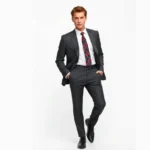
The power suit defined 80s masculinity. These weren’t subtle garments—they featured pronounced shoulder padding that extended the silhouette, creating an almost superheroic profile. Modern interpretations maintain the oversized shoulder but refine the overall fit, avoiding the extreme proportions that can look cartoonish. Contemporary menswear designers are experimenting with this silhouette by pairing it with slimmer trousers, creating a more balanced aesthetic that honors the 80s while maintaining 21st-century proportions.
Leather Jackets and Bombers
Leather jackets reached iconic status in the 80s, worn by everyone from rock musicians to Wall Street traders. The bomber jacket, in particular, became a staple of casual 80s menswear. Modern versions maintain the classic structure but often feature updated materials like technical fabrics or lighter leather, making them more versatile for contemporary wardrobes. The key to wearing a vintage-inspired leather jacket today is pairing it with modern basics that prevent the overall look from feeling costume-like.
Graphic T-Shirts and Oversized Tops
The 80s embraced graphic tees with bold logos, band names, and artistic imagery. These weren’t subtle—they were meant to be seen and discussed. Today’s fashion-forward men are revisiting this trend, but with a curated approach. Rather than wearing multiple competing graphics, stylists suggest incorporating one statement graphic piece as the focal point of an outfit, balanced with neutral or complementary pieces.
Denim: Cut and Wash
80s denim was distinctive in both fit and finish. Stone-washed, acid-washed, and heavily distressed denim dominated the decade. While fully distressed denim can read as costume in 2024, the lighter blue washes and strategic ripping that characterized the era are making a subtle comeback. Modern interpretations often feature lighter washes with minimal distressing, allowing the 80s aesthetic to inform the piece without overwhelming the overall look.
Color Palettes and Patterns That Defined the Decade
If the silhouettes of the 80s were bold, the color choices were absolutely fearless. Understanding how to work with these distinctive palettes is crucial for successfully incorporating 80s fashion into a modern wardrobe.
Neon and Bright Brights
Neon colors were everywhere in the 80s—from athletic wear to evening attire. Fluorescent pinks, electric blues, and vibrant yellows weren’t reserved for accents; they were worn as statement colors. In contemporary menswear, neon is being reintroduced more strategically. Rather than wearing a full neon outfit, modern stylists recommend using neon as an accent color through accessories, sneakers, or a single piece worn with neutral basics.
Pastels and Soft Hues
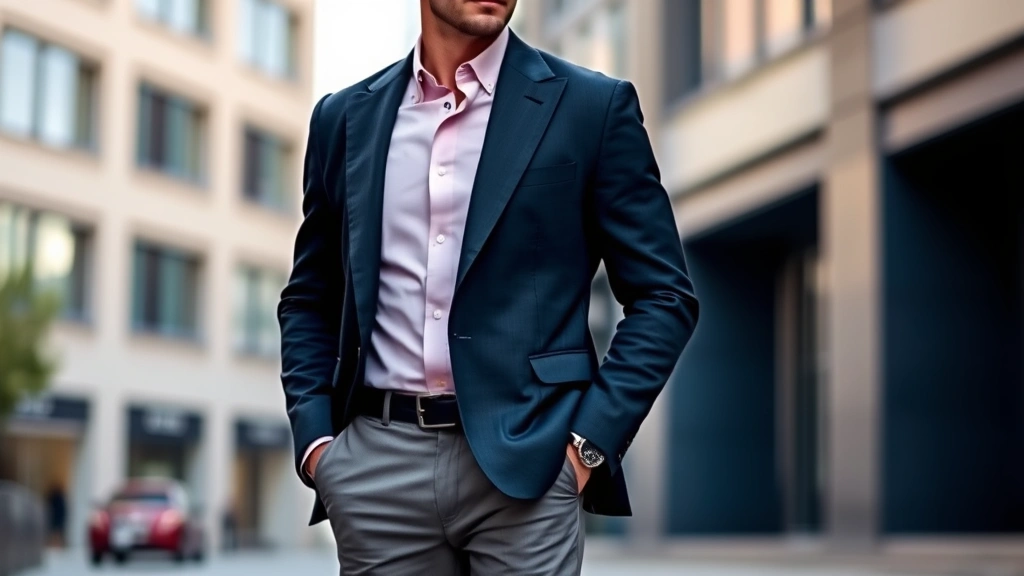
Alongside the neons, the 80s also embraced soft pastels—baby pink, mint green, lavender, and peach. These colors offered a contrasting aesthetic to the brighter brights and provided a softer entry point for men exploring 80s fashion. Pastel blazers and shirts are experiencing a genuine resurgence, particularly in spring and summer collections.
Geometric Patterns and Prints
Memphis design and geometric patterns dominated 80s aesthetics. Bold stripes, triangles, and abstract shapes were combined in ways that would make contemporary designers hesitate. Modern interpretations are more restrained, using geometric elements as supporting players rather than the entire ensemble. A geometric patterned shirt worn under a solid blazer, or geometric socks peeking out from tailored trousers, provides a subtle nod to the era without overwhelming the look.
Colorblocking
The 80s loved contrasting colors placed directly next to each other. Neon pink paired with electric blue, or yellow against purple—these combinations were intentional and unapologetic. Today’s fashion designers are revisiting colorblocking but with more sophisticated color combinations. Pairing jewel tones or using unexpected but harmonious color combinations creates the visual interest of 80s colorblocking without the intensity.
Accessories and Details: The Devil in the Details
Accessories were absolutely critical to the 80s aesthetic, often elevating an outfit from ordinary to iconic. Modern men looking to incorporate 80s elements should pay particular attention to these finishing touches, as they can make or break the overall look when exploring fashion style directions.
Footwear: Sneakers and Dress Shoes
The 80s saw the rise of statement sneakers—chunky, colorful, and distinctly visible. High-top sneakers, often worn with contrasting socks, became a signature look. Modern iterations maintain the chunky sole and bold colorways of 80s sneakers but with updated silhouettes that feel contemporary. For dressier occasions, pointed-toe shoes with metallic finishes or unexpected colors were popular. Today, these are being reinterpreted with slightly softer proportions but maintaining the distinctive shine and detail work.
Belts and Buckles
Belts in the 80s weren’t understated—they featured bold buckles, often in metallic finishes or with architectural details. Wide leather belts with statement buckles are making a comeback, particularly in menswear that celebrates individualism. The key is selecting a belt with visual interest without letting it completely overpower the rest of the outfit.
Watches and Jewelry
Men’s jewelry in the 80s went beyond the traditional. Gold chains, chunky rings, and statement watches were worn with confidence. Contemporary men exploring this trend are often gravitating toward one statement piece rather than layering multiple accessories. A bold watch, a chain necklace, or interesting rings can provide that 80s energy without reading as excessive.
Sunglasses and Eyewear
Oversized sunglasses were an 80s staple, and they’re experiencing a genuine resurgence. The key difference is that modern versions feature updated lens technology and slightly more refined proportions. Wayfarer-style frames and geometric sunglasses are particularly popular among men looking to capture the 80s vibe.
Hats and Headwear
Baseball caps, bucket hats, and visors were all worn in the 80s with varying degrees of intentionality. Modern men are incorporating vintage-inspired hats as a way to add dimensionality to casual outfits. A classic baseball cap in an unexpected color or material can provide that nostalgic touch without feeling costume-like.
How to Wear 80s Fashion in 2024
The most common mistake men make when attempting to incorporate 80s fashion is going too far. Complete recreation of an 80s look often reads as costume rather than fashion-forward styling. Instead, fashion experts recommend a measured approach that blends elements of 80s fashion with contemporary sensibilities.
The Mixing Strategy
The key to successfully wearing 80s-inspired fashion is strategic mixing. Pair one statement 80s piece with modern basics. For example, an oversized blazer with pronounced shoulders (classic 80s) worn with contemporary slim-fit trousers and minimalist sneakers creates a look that feels both nostalgic and current. This approach prevents the outfit from feeling like a time capsule while still honoring the aesthetic.
Color Confidence
One of the most accessible ways to incorporate 80s fashion is through color choices. Rather than committing to a full outfit in neon or pastels, integrate these colors through individual pieces. A pastel pink shirt worn under a neutral blazer, or neon socks visible under tailored trousers, provides that 80s energy while maintaining overall balance.
Proportion Play
The 80s were about architectural silhouettes and unexpected proportions. Modern men can explore this through strategic fit choices. A slightly oversized shirt paired with fitted trousers, or a relaxed-fit blazer with slim jeans, creates visual interest without veering into full 80s territory.
Quality Over Quantity
When investing in 80s-inspired pieces, prioritize quality. A well-made vintage leather jacket or a contemporary designer’s interpretation of an 80s silhouette will serve a wardrobe far better than fast-fashion approximations. This approach also ensures that the pieces feel authentic and intentional rather than trendy or disposable.
Personal Editing
Understanding your personal style is essential when incorporating any trend, including 80s fashion. Consider which elements genuinely appeal to you and which might feel forced. Perhaps you love the bold colors of the era but aren’t comfortable with oversized silhouettes. Or maybe the architectural blazers appeal to you more than the graphic tees. Building an 80s-inspired wardrobe that aligns with your personal aesthetic ensures longevity and authentic style expression. Explore how to find your personal style to better understand which elements of the 80s aesthetic genuinely resonate with you.
Celebrity and Designer Influence on Modern 80s Revival
The current 80s revival isn’t happening in a vacuum—it’s being actively championed by contemporary designers and celebrities who understand how to translate vintage inspiration into modern relevance. According to GQ’s fashion coverage, major fashion houses are increasingly drawing from 80s archives, reinterpreting iconic silhouettes for current collections.
Designers like Virgil Abloh championed oversized silhouettes and bold color choices that directly reference 80s aesthetics. His work demonstrated that 80s fashion could be elevated and contemporary when approached with intentionality. Similarly, contemporary brands are exploring the intersection of 80s excess and modern minimalism, creating pieces that feel both nostalgic and innovative.
Celebrity style has also played a significant role in legitimizing the 80s revival. When high-profile figures wear contemporary interpretations of 80s fashion—whether that’s an oversized blazer at a red carpet event or vintage-inspired sneakers in paparazzi photos—it signals to broader audiences that this isn’t merely a nostalgic throwback but a legitimate fashion direction.
Fashion institutes and trend forecasters are also weighing in on the 80s revival. Fashion United has documented how the 80s aesthetic is influencing everything from luxury fashion to streetwear, suggesting that this trend has deeper cultural roots than typical cyclical revivals.
The integration of 80s fashion into contemporary StyleLoom Daily Blog discussions and across fashion media indicates that this is a significant moment in the menswear cycle. The 80s are back, but they’re back evolved, refined, and absolutely intentional.
Understanding the nuances of how 80s fashion is being reinterpreted allows men to participate in this trend with sophistication and authenticity. Whether you’re drawn to the bold colors, the architectural silhouettes, or the unapologetic confidence that defined the decade, there are accessible entry points for incorporating 80s elements into a modern wardrobe. The key is approaching the trend with intention, quality, and a clear understanding of your personal style preferences.
FAQ
Is 80s fashion actually coming back for men?
Yes, 80s menswear is experiencing a genuine resurgence. Contemporary designers are actively reinterpreting 80s silhouettes, colors, and aesthetics for modern collections. However, the revival is more nuanced than direct recreation—it’s about thoughtfully incorporating 80s elements into contemporary fashion rather than full costume recreation.
How can I wear 80s fashion without looking like I’m at a costume party?
The key is strategic mixing and moderation. Pair one statement 80s piece with modern basics. Wear an oversized blazer with contemporary slim-fit trousers, or incorporate 80s colors through accessories rather than entire outfits. Quality pieces and intentional styling prevent the look from feeling costume-like.
Which 80s fashion elements are most wearable today?
Oversized blazers with pronounced shoulders, vintage-inspired leather jackets, bold color choices (particularly pastels and jewel tones), geometric patterns used sparingly, and statement accessories are the most wearable 80s elements for contemporary men. These pieces can be incorporated into modern wardrobes without overwhelming the overall aesthetic.
Are neon colors actually back in style for men?
Neon is back, but it’s being used more strategically than in the original 80s. Rather than wearing full neon outfits, contemporary styling incorporates neon through accents—sneakers, socks, accessories, or a single statement piece balanced with neutral basics.
What’s the difference between wearing 80s fashion ironically versus authentically?
Authentic 80s fashion styling involves understanding the era’s aesthetic principles and applying them with intentionality to create cohesive, modern outfits. Ironic styling, conversely, treats 80s fashion as a joke or costume. The difference lies in the quality of pieces, the thoughtfulness of combinations, and the confidence with which you wear the clothing.
Should I buy vintage 80s pieces or contemporary reinterpretations?
Both have merit. Authentic vintage pieces offer genuine history and often superior quality, but they require careful styling to feel contemporary. Contemporary designer reinterpretations are often refined versions of 80s silhouettes, designed specifically for modern proportions and sensibilities. Many stylists recommend a combination of both approaches.