What Defines 1940s Men’s Fashion? Historian Insight
The 1940s stands as one of the most transformative decades in men’s fashion history, shaped profoundly by World War II and its cascading social consequences. This era witnessed a remarkable shift in how men dressed, from the sharp tailoring of early war years to the pragmatic, utilitarian styles born from fabric rationing and wartime restrictions. Understanding 1940s men’s fashion requires examining not just the garments themselves, but the historical forces that dictated every seam, button, and hemline. As fashion historians continue to uncover fascinating details about this pivotal period, it becomes clear that the silhouettes and styles we associate with classic menswear have deep roots in wartime necessity and post-war optimism.
What made 1940s menswear uniquely compelling was its duality: the tension between maintaining pre-war elegance and adapting to unprecedented material scarcity. Men who had previously enjoyed expansive suit jackets and generous fabric quantities suddenly found themselves navigating a world of restrictions, creating an unexpected laboratory for innovation in tailoring and design. This period fundamentally altered masculine style conventions and established aesthetic principles that continue influencing contemporary menswear today. The influence of this decade extends far beyond historical curiosity—it represents a crucial moment when fashion became inextricably linked with national identity and personal resilience.
For those interested in exploring the broader context of how styles evolved across different eras, the complete fashion history timeline provides valuable perspective on how 1940s menswear fits into the larger narrative of style evolution. This historical moment remains essential for anyone seeking to understand the foundation of modern masculine fashion.
Wartime Silhouettes and Fabric Restrictions
The onset of World War II fundamentally transformed the landscape of men’s fashion through government-mandated regulations and material shortages. In 1942, the U.S. War Production Board issued regulations that directly impacted every aspect of menswear production. These restrictions, known as the “L-85” regulations, limited the amount of fabric that could be used in garments, eliminating wide lapels, eliminating vests in suits, and reducing trouser cuff sizes. What emerged was a necessity-driven aesthetic that paradoxically created some of the most enduring silhouettes in men’s fashion history.
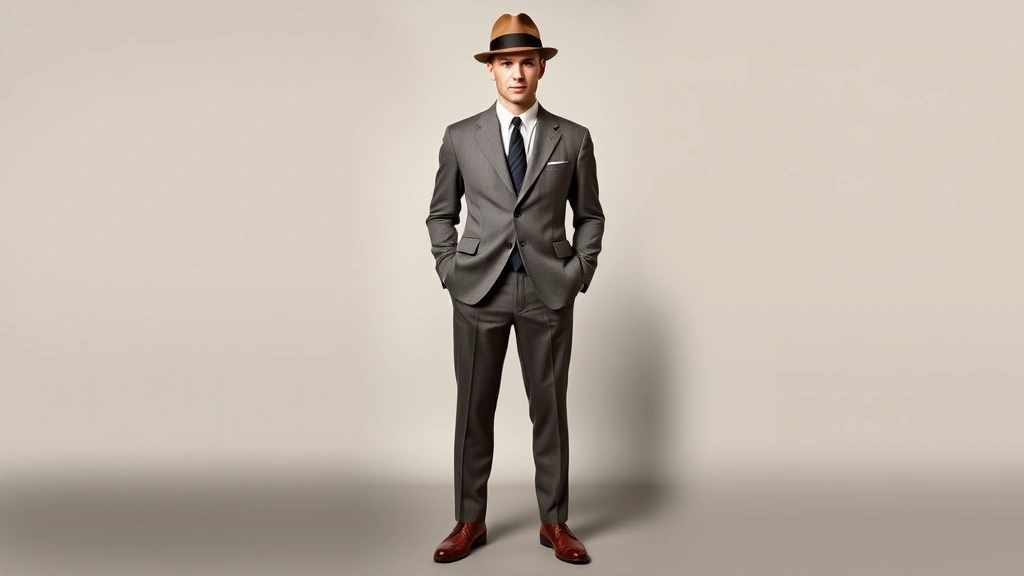
Suit jackets became notably more streamlined, with narrower lapels and reduced button counts. The double-breasted suit, once a staple of formal menswear, gave way to single-breasted designs that used considerably less fabric. Trousers were cut with less fullness through the thigh and featured narrower legs without cuffs, creating a leaner profile that would influence tailoring for decades to come. The jacket length remained relatively consistent, but the overall construction emphasized efficiency without sacrificing the fundamental structure that defined a well-made suit.
Wool, the primary fabric for suits, faced severe rationing as military uniforms consumed the majority of production. Men seeking quality suiting had to navigate a complex marketplace where fabric quality varied dramatically. Some manufacturers began experimenting with synthetic blends and alternative materials, introducing innovations that would later become industry standards. The concept of fashion style during this period became inseparable from patriotic duty and collective sacrifice.
Despite these constraints, tailors and designers demonstrated remarkable ingenuity. The architectural precision required to create flattering silhouettes with minimal fabric elevated tailoring to an art form. Seaming techniques became more sophisticated, with strategic placement of darts and seams creating visual interest and structure without adding bulk. This period established principles of tailoring that remain relevant today—the understanding that less fabric, when expertly manipulated, can create more sophisticated results than excessive material.
Key Garments Defining the Era
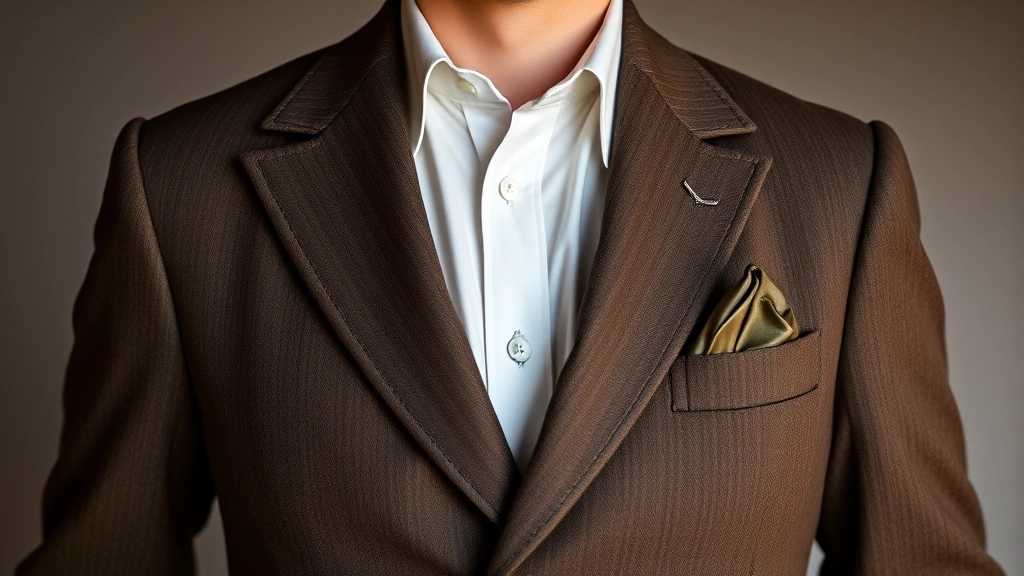
Several specific garments became synonymous with 1940s menswear, each telling a story about the era’s values and constraints. The single-breasted suit jacket with narrow lapels and reduced button counts dominated wardrobes, representing the quintessential silhouette of the decade. These jackets typically featured two or three buttons, with the button stance positioned higher on the chest than previous decades. The result was a more vertical, streamlined appearance that conveyed both efficiency and sophistication.
Trousers evolved significantly during this period. Gone were the high-waisted, wide-legged trousers of the 1930s. Instead, 1940s men wore moderately high-waisted pants with a straighter leg and minimal break at the shoe. The elimination of cuffs represented both a practical response to fabric rationing and an aesthetic shift toward cleaner lines. Pleats at the waistband were sometimes retained but often reduced to single pleats or eliminated entirely. The overall effect created a more streamlined silhouette that would influence trouser design well into the 1950s.
Dress shirts underwent their own evolution, with collar styles becoming more conservative and structured. The spread collar gained popularity, offering a more formal appearance while requiring less fabric than the wide, soft collars of previous eras. Shirt sleeves were cut closer to the arm without excess fabric at the cuff, and many shirts featured a single pleat down the back for mobility without adding bulk. For those exploring broader types of fashion styles, the 1940s represents a crucial moment when masculine silhouettes became definitively structured and tailored.
Sweaters and cardigans gained prominence as alternatives to suit jackets, particularly for civilian workers and those on the home front. These knitted garments provided warmth while conserving precious woven fabric. Crew neck sweaters and V-neck cardigans became wardrobe staples, often worn over dress shirts for a more relaxed yet still refined appearance. This casual-yet-polished aesthetic established a template for layering that remains influential in contemporary menswear.
Zoot Suits and Youth Culture
While government restrictions constrained mainstream menswear, a counterculture movement embraced the deliberately excessive zoot suit—a garment that stood in direct defiance of wartime austerity. Zoot suits featured exaggerated proportions: oversized jackets with dramatically wide lapels, high button stances, and voluminous trousers with high waistbands and extreme leg widths that tapered dramatically at the ankles. These suits often featured bold patterns and bright colors, making them unmistakably visible and deliberately provocative.
The zoot suit became particularly associated with African American, Latino, and Asian American youth, representing cultural identity and resistance against conformity. Wearing a zoot suit was an act of defiance during wartime, when fabric conservation was positioned as patriotic duty. The Zoot Suit Riots of 1943 in Los Angeles highlighted the racial and cultural tensions underlying fashion choices, demonstrating how clothing could become a flashpoint for deeper social conflicts. Despite their controversial status, zoot suits represented an important expression of youth culture and individuality.
The zoot suit’s influence on 1940s menswear extended beyond the garment itself, sparking debates about conformity, individuality, and the relationship between fashion and social identity. While mainstream society condemned zoot suits as unpatriotic and excessive, they represented a legitimate aesthetic choice that challenged the narrative of wartime sacrifice. This tension between official fashion directives and grassroots style movements characterized the era and influenced how menswear evolved throughout the decade.
Military Influence on Civilian Fashion
The pervasive presence of military uniforms throughout the 1940s inevitably influenced civilian menswear aesthetics. Millions of men wore military dress, and when they returned to civilian life, they carried with them an appreciation for structured tailoring, precise fit, and utilitarian practicality. Military uniforms emphasized clean lines, proper proportion, and functional design—principles that increasingly appeared in civilian clothing.
The military’s influence manifested in several specific ways. Khaki and olive drab colors, borrowed from military uniforms, appeared in civilian casualwear. The structured, padded shoulders characteristic of military jackets influenced civilian suit construction. Even the emphasis on proper fit and tailoring reflected military standards, where uniforms were expected to hang precisely on the body. Service members returning home often preferred the familiar comfort and confidence of well-fitted clothing, driving demand for quality tailoring throughout the post-war years.
Leather jackets, particularly bomber jackets inspired by military aviation wear, gained popularity among younger men and would eventually become iconic symbols of rebellion and masculinity. The practicality and durability of military-inspired outerwear appealed to men working in industrial and manufacturing jobs. This cross-pollination between military and civilian fashion established aesthetic principles—durability, functionality, and precision fit—that remain central to men’s fashion philosophy today.
For those interested in understanding how historical periods shape personal style choices, exploring how to find your personal style through historical context provides valuable insights into the connection between era-specific fashion and individual expression.
Footwear and Accessories
Shoes during the 1940s followed similar design principles as suits—streamlined, practical, and refined. Oxford shoes with closed lacing remained the standard for formal wear, while wingtips and brogues offered more decorative options for semi-formal occasions. The emphasis was on quality construction and proper fit rather than ornamentation. Leather conservation efforts meant that shoe manufacturing also faced restrictions, driving innovation in sole construction and encouraging the use of durable synthetic materials that would later become industry standards.
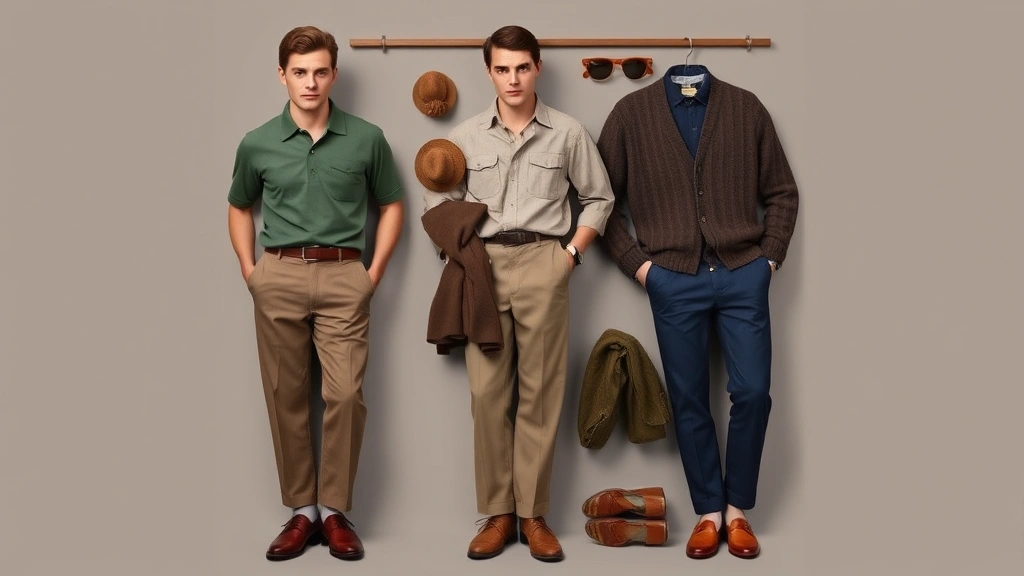
Casual footwear included simple loafers and slip-on shoes, which gained popularity as practical alternatives to lace-up styles. Desert boots, inspired by military footwear, emerged as comfortable options for everyday wear. The overall aesthetic in footwear emphasized understated elegance and functional design—shoes that could withstand daily wear while maintaining a polished appearance.
Accessories played a crucial role in completing 1940s menswear ensembles. Ties became narrower compared to previous decades, with subtle patterns and solid colors dominating. The pocket square remained an essential accessory for formal occasions, often coordinating with tie colors. Hats, particularly fedoras and trilbies, were considered essential components of a man’s outfit, worn for both formal and casual occasions. The quality of accessories—leather belts, metal watch bands, and quality timepieces—reflected a man’s attention to detail and personal standards.
Suspenders experienced a resurgence during this period, particularly among older generations and in formal settings. Handkerchiefs, both functional and decorative, remained standard pocket accessories. The overall approach to accessories emphasized quality materials and timeless design rather than trendy or novelty items. This conservative approach to accessorizing established principles of understated elegance that continue influencing men’s fashion today.
Post-War Transition and Optimism
As World War II concluded in 1945, menswear underwent a significant transformation reflecting renewed optimism and eased material restrictions. The immediate post-war years saw a gradual reintroduction of fuller cuts and more generous fabric use, though the streamlined aesthetic of wartime tailoring remained influential. Men returning from military service sought clothing that balanced the structured formality they had grown accustomed to with newfound comfort and relaxation.
The late 1940s introduced the “bold look,” characterized by wider lapels, fuller jacket cuts, and more substantial fabric use. However, this represented a measured return to pre-war abundance rather than a complete rejection of wartime constraints. Designers had learned valuable lessons about efficient tailoring and precise construction, incorporating these principles into more generous silhouettes. The result was menswear that offered both the comfort of adequate fabric and the sophistication of expert tailoring.
Casual menswear expanded significantly in the post-war years, reflecting changing lifestyles and economic prosperity. Sports jackets in various colors and patterns became acceptable for business settings, offering alternatives to traditional dark suits. Polo shirts, borrowed from athletic wear, began appearing in casual wardrobes. Chinos and khaki pants, influenced by military styles, became staple casual garments. This diversification of menswear options reflected broader social changes and the beginning of the more relaxed dress codes that would characterize subsequent decades.
The influence of Hollywood on menswear increased dramatically in the post-war years, with film stars like Cary Grant, James Stewart, and Humphrey Bogart setting style standards that men aspired to emulate. The sophistication and elegance of these actors’ tailoring reflected the best principles established during the 1940s—precise fit, quality construction, and understated elegance. This period established the template for what would become known as classic menswear, a foundation that remains relevant in contemporary fashion.
Understanding the historical context of 1940s menswear enriches appreciation for contemporary 1940s fashion revivals and vintage-inspired designs. The decade’s influence extends throughout the StyleLoom Daily Blog, where fashion historians and style experts regularly reference 1940s principles in discussing modern menswear trends.
FAQ
What were the main fabric restrictions affecting 1940s menswear?
The War Production Board’s L-85 regulations limited fabric use in garments, eliminating vests in suits, reducing lapel widths, and removing trouser cuffs. These restrictions fundamentally shaped the silhouettes that defined the decade, creating streamlined, efficient designs that paradoxically produced some of menswear’s most enduring aesthetic principles.
How did wartime restrictions influence post-war menswear design?
Tailors and designers learned sophisticated techniques for creating flattering silhouettes with minimal fabric. These skills remained influential even after material restrictions ended, resulting in post-war menswear that balanced generous cuts with precise tailoring. The understanding that expert construction could enhance simple designs became a foundational principle of classic menswear.
Why were zoot suits controversial during the 1940s?
Zoot suits directly violated wartime fabric conservation mandates, using excessive material when rationing was positioned as patriotic duty. Their association with youth culture and specific ethnic communities also made them targets of social and racial tensions, culminating in the 1943 Zoot Suit Riots in Los Angeles.
What military influences persisted in post-war civilian menswear?
Military-inspired elements including structured shoulders, precise tailoring, functional design, and practical color palettes influenced civilian fashion. The emphasis on proper fit and quality construction reflected military standards, while specific garments like bomber jackets and khaki colors became civilian staples, establishing aesthetic principles that remain relevant today.
How did 1940s menswear differ from 1930s styles?
The 1930s featured high-waisted, wide-legged trousers and fuller jacket cuts. The 1940s introduced narrower lapels, straighter trouser legs, higher button stances, and overall more streamlined silhouettes. These changes resulted from both wartime restrictions and evolving aesthetic preferences toward efficiency and cleaner lines.
Were there significant regional differences in 1940s menswear?
While wartime restrictions were federally mandated, regional variations existed in how strictly regulations were followed and how men adapted to constraints. Urban centers typically had better access to quality fabrics and skilled tailors, while rural areas relied more heavily on practical, utilitarian clothing. Military personnel stationed in different regions also influenced local fashion through exposure to diverse styles.
How did 1940s menswear influence contemporary fashion?
The decade established foundational principles of classic menswear: precision tailoring, quality construction, functional design, and understated elegance. Contemporary designers regularly reference 1940s aesthetics when creating vintage-inspired collections. The emphasis on proper fit and timeless design remains central to men’s fashion philosophy, making 1940s menswear perpetually relevant to modern style discussions.