How to Style Vintage: Fashion Historian Tips
Vintage fashion represents more than just wearing old clothes—it’s a sophisticated art form that celebrates craftsmanship, timeless elegance, and individual expression. Fashion historians and style experts have long recognized that vintage pieces tell stories of cultural movements, design innovation, and personal identity. Whether you’re drawn to the structured silhouettes of 1950s fashion, the rebellious spirit of 1970s bohemian style, or the minimalist aesthetic of 1980s design, understanding how to authentically style vintage pieces elevates your wardrobe from ordinary to extraordinary.
The resurgence of vintage fashion in contemporary style reflects a growing desire for authenticity and sustainability in an era of fast fashion dominance. Today’s style-conscious individuals understand that vintage styling isn’t about recreating historical moments—it’s about curating a personal aesthetic that honors the past while expressing modern sensibility. This comprehensive guide draws on fashion historian insights and expert styling techniques to help you master the art of vintage dressing.
Understanding Vintage Fashion Eras
Fashion historians define vintage as clothing and accessories at least 20-30 years old, distinguishing it from retro (modern pieces inspired by past styles) and antique (items over 100 years old). Each era carries distinct characteristics shaped by historical context, technological advancement, and cultural movements. Understanding these distinctions is fundamental to authentic vintage styling.
The Roaring 20s brought liberation through dropped waistlines, shorter hemlines, and the iconic flapper silhouette. The 1930s introduced glamorous bias-cut gowns and structured tailoring, while the 1940s reflected wartime practicality with utility suits and victory rolls. The 1950s celebrated femininity through full skirts, cinched waists, and polished sophistication. The 1960s revolutionized fashion with mod mini dresses and bold geometric patterns, followed by the 1970s bohemian movement featuring flowing fabrics, earth tones, and eclectic prints. The 1980s embraced power dressing with sharp shoulders and bold colors, while the 1990s introduced minimalism, slip dresses, and grunge aesthetics.
Each era’s aesthetic reflects its social context. Post-war prosperity enabled the extravagant skirts of the 1950s, while economic uncertainty in the 1970s birthed the DIY aesthetic of punk fashion. Understanding this historical context helps you wear vintage pieces with authenticity and intention, rather than simply adopting a costume aesthetic.
Quality and Authentication Essentials
Before investing in vintage pieces, fashion historians emphasize the importance of quality assessment and authentication. Genuine vintage items demonstrate superior craftsmanship compared to modern fast fashion, featuring hand-stitched details, natural fiber content, and construction techniques that required significant labor investment.
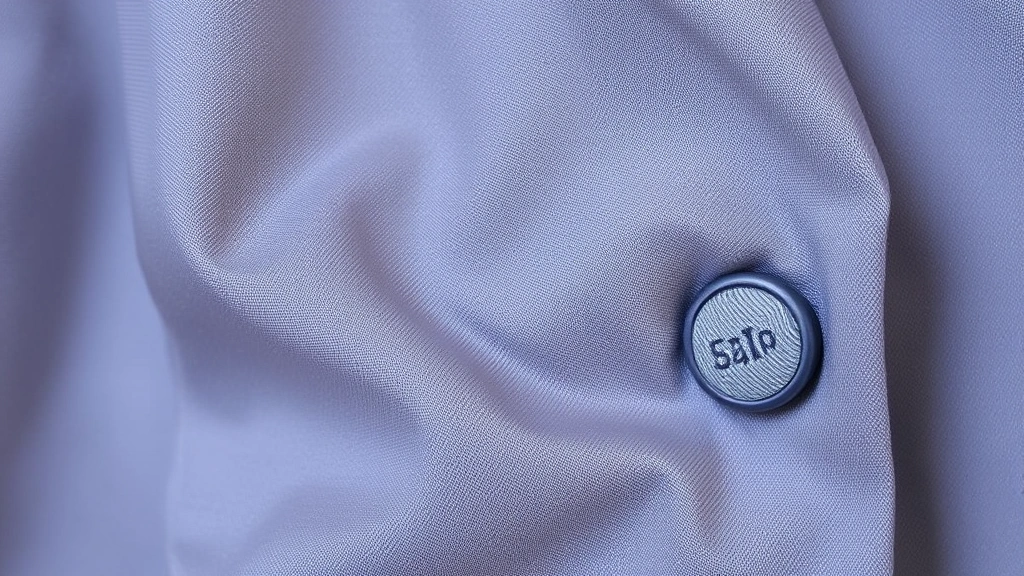
Examine fabric composition carefully—authentic vintage pieces from the 1950s-1970s typically feature natural fibers like silk, wool, linen, and cotton. Synthetic fabrics appeared more frequently in the 1980s and beyond. Check seams for even stitching, look for brand labels and care instructions (modern conventions weren’t standardized until later decades), and assess overall construction quality. Vintage garments should feel substantial and well-made, with no shortcuts in construction.
Authentication involves researching designer labels, understanding brand histories, and recognizing era-appropriate construction methods. Consult Vogue’s vintage shopping guides and fashion authentication resources to verify designer pieces. Learn to identify fabric types, construction techniques, and historical details that distinguish authentic vintage from reproductions.
Condition assessment is equally important. Fashion historians accept that vintage pieces will show age, but significant damage diminishes both wearability and investment value. Minor discoloration, small stains, and fading are characteristic of vintage items and often add to their charm. However, structural damage like broken zippers, tears, or missing buttons requires professional restoration.
Core Styling Principles for Vintage Pieces
Fashion experts agree on fundamental principles that transform vintage pieces into cohesive, modern-looking outfits. The first principle is proportion balance—pair voluminous vintage pieces with fitted modern items and vice versa. A full 1950s skirt pairs beautifully with a fitted contemporary top, while a loose 1970s shirt works perfectly with tailored modern trousers.
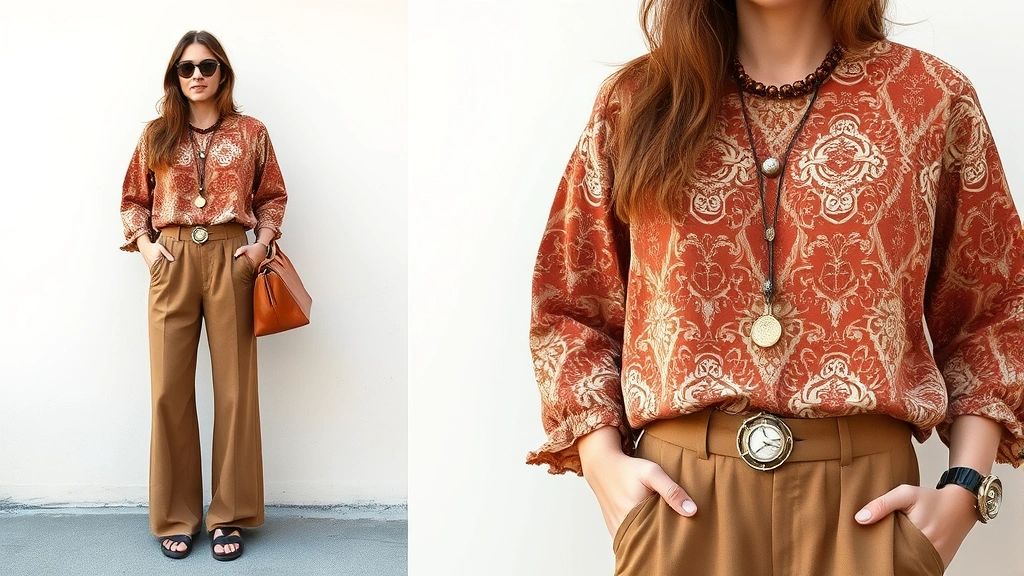
The second principle involves color coordination. Vintage pieces often feature colors and patterns unfamiliar to contemporary palettes. Fashion historians recommend building outfits around your vintage piece as the statement element, then incorporating neutral modern basics to ground the look. A bold paisley 1970s blouse becomes wearable when paired with solid-colored tailored trousers and minimal accessories.
Visit our personal style guide to understand how vintage pieces align with your aesthetic preferences. Developing a cohesive personal style ensures vintage additions enhance rather than complicate your wardrobe.
Fit is paramount in vintage styling. Vintage garments were constructed for bodies shaped by different era standards and undergarments. A vintage dress that doesn’t fit perfectly will appear costume-like rather than intentional. Consider professional tailoring for significant alterations—a well-fitted vintage piece justifies the investment.
The fourth principle emphasizes intentional mixing. Rather than dressing entirely in one era, expert stylists recommend selecting one standout vintage piece per outfit as the focal point. This prevents the “costume” appearance and creates sophistication through restraint.
Era-Specific Styling Strategies
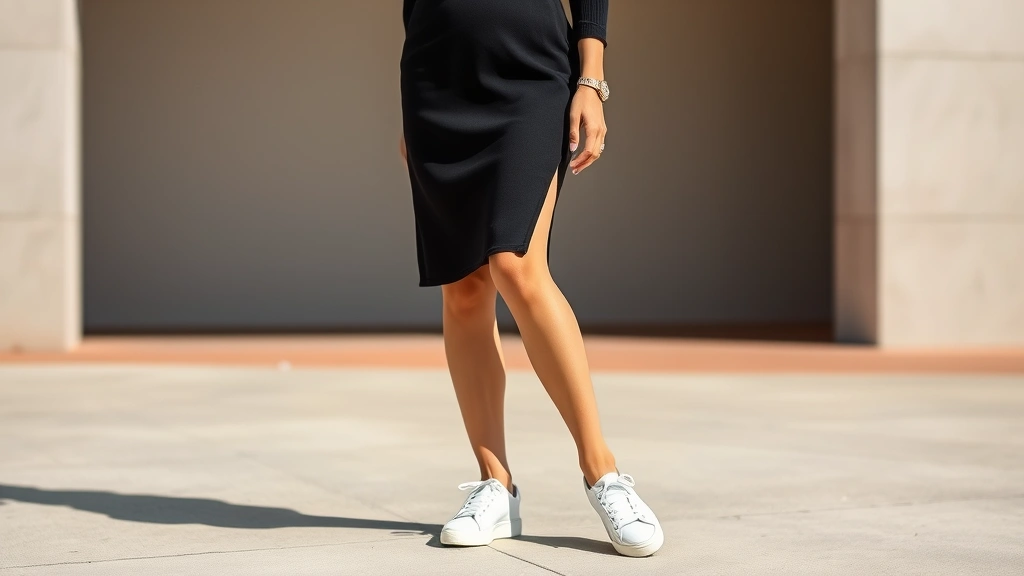
1950s Vintage Styling: This era emphasizes femininity, structure, and elegance. Full skirts, cinched waists, and fitted bodices define the silhouette. Style 1950s dresses with modern flat shoes or contemporary sneakers to avoid costume aesthetics. Pair vintage 1950s separates with modern basics—a vintage pencil skirt looks fresh with a contemporary white t-shirt and modern blazer. The fashion style landscape has evolved to appreciate 1950s craftsmanship as investment pieces worthy of careful styling.
1970s Bohemian Vintage: This decade celebrated individuality, mixing patterns, textures, and colors. Style vintage 1970s pieces by embracing their eclectic nature while maintaining cohesion. A patterned 1970s blouse pairs well with solid-colored wide-leg trousers and modern accessories. The key is selecting complementary colors from your vintage piece and building around them. Avoid over-accessorizing—let the vintage piece shine.
1980s Power Dressing Vintage: Sharp shoulders, bold colors, and statement pieces characterize this era. Modern styling involves toning down the intensity—pair a vintage 1980s blazer with contemporary minimalist basics. The structured silhouette remains impactful without appearing costume-like. Style with modern footwear and accessories to bridge the era gap.
1990s Minimalist Vintage: Slip dresses, neutral tones, and understated elegance define this period. Layer a vintage slip dress over a contemporary fitted long-sleeve shirt for modern appeal. The simplicity of 1990s design makes it particularly wearable for contemporary styling.
Mixing Vintage with Modern Fashion
The art of successfully integrating vintage pieces into contemporary wardrobes requires understanding proportion, scale, and era contrast. Fashion historians emphasize that the most sophisticated vintage styling appears effortless and intentional rather than nostalgic or costume-like.
When mixing vintage and modern, consider the visual weight of pieces. Delicate vintage items pair beautifully with substantial modern pieces, creating visual balance. A delicate vintage silk camisole becomes a layering piece under a modern oversized blazer. This combination honors the vintage piece’s quality while anchoring it in contemporary styling.
Experiment with texture contrast. Vintage pieces often feature textures less common in modern fashion—silk charmeuse, wool gabardine, structured cotton blends. Pair textured vintage items with smooth modern basics. A vintage wool suit jacket gains contemporary relevance when styled with modern fitted trousers and a sleek modern top.
Color blocking is another effective technique. Vintage pieces often feature color combinations that feel dated when styled entirely in period context. Extract one color from your vintage piece and build an outfit around it using modern items in complementary shades. This grounds the vintage element in contemporary styling.
Consider the latest fashion insights to understand current trends that align with vintage pieces. Oversized silhouettes are currently fashionable, making loose 1970s and 1980s pieces particularly relevant. Minimalist aesthetics favor 1990s pieces. Understanding current trends helps you style vintage pieces in ways that feel contemporary rather than historical.
The Art of Accessorizing Vintage Looks
Accessories profoundly influence how vintage pieces read in contemporary contexts. Footwear is particularly important—vintage dresses and separates transform dramatically depending on shoe choice. A 1950s dress becomes costume-like in period-appropriate heels but looks fresh and modern in contemporary sneakers, loafers, or minimalist flats. This single styling choice determines whether an outfit feels historical or current.
Modern jewelry grounds vintage pieces in the present. Choose contemporary jewelry styles that contrast with your vintage piece rather than matching its era. A vintage 1970s blouse pairs beautifully with modern minimalist jewelry, creating intentional contrast. This approach prevents the entire outfit from appearing period-costume.
Vintage-appropriate bags and belts can enhance styling when chosen thoughtfully. A modern structured bag paired with a vintage dress creates visual interest through contrast. Alternatively, a vintage bag from the same era as your dress creates cohesive, intentional styling—but only when that cohesion appears deliberate rather than accidental.
Outerwear serves as an essential grounding element. A contemporary blazer, leather jacket, or coat instantly modernizes any vintage piece. This simple addition prevents vintage-focused outfits from appearing costume-like or overly nostalgic. The contrast between eras creates sophistication through intentional juxtaposition.
Hair and makeup deserve consideration too. Period-accurate hairstyles and makeup with vintage clothing read as costume, while contemporary hair and makeup make vintage pieces feel current and personal. Expert stylists recommend modern interpretations of period aesthetics—a 1970s-inspired loose wave rather than exact 1970s styling, contemporary makeup in colors that complement your vintage piece rather than period-accurate shades.
Explore Harper’s Bazaar’s comprehensive vintage styling resources for additional accessorizing inspiration and expert guidance on modernizing vintage pieces through thoughtful accessory selection.
The contemporary fashion landscape celebrates individual style expression, making vintage pieces valuable tools for creating distinctive personal aesthetics. Accessorizing vintage pieces with intention—rather than defaulting to period-accurate styling—demonstrates fashion sophistication and personal confidence.
FAQ
What’s the difference between vintage and retro fashion?
Vintage refers to authentic garments at least 20-30 years old, while retro describes modern pieces inspired by past styles. Vintage items possess original construction, materials, and design from their era, whereas retro pieces are contemporary reproductions. Understanding this distinction helps you make informed purchasing decisions and style pieces appropriately.
How do I find authentic vintage pieces?
Shop reputable vintage retailers, estate sales, and specialized vintage boutiques rather than fast-fashion vintage knock-offs. Examine construction quality, fabric content, and era-appropriate labels. Research designer histories and authentication techniques. Quality vintage pieces represent investments in superior craftsmanship and sustainability.
Can I wear vintage pieces to formal events?
Absolutely. Vintage pieces often feature superior quality and craftsmanship compared to contemporary formal wear. A well-maintained vintage dress or suit can be stunning for formal occasions. Ensure proper fit through tailoring, style with contemporary accessories, and maintain impeccable condition. Vintage formal wear demonstrates sophistication and individual style.
How do I prevent vintage outfits from looking costume-like?
The key is mixing eras intentionally. Pair one statement vintage piece with modern basics, contemporary accessories, and current footwear. Avoid dressing entirely in one era’s aesthetic. Use modern hair, makeup, and accessories to ground the outfit in the present. This approach creates intentional, sophisticated styling rather than historical recreation.
What’s the best way to care for vintage clothing?
Store vintage pieces in acid-free tissue, avoid direct sunlight, and maintain consistent temperature and humidity. Hand-wash delicate items or use professional dry cleaning when necessary. Address stains and damage promptly through professional restoration. Proper care preserves vintage pieces for longevity and maintains their investment value.
Are vintage pieces sustainable fashion choices?
Yes. Purchasing vintage extends garment lifecycles, reducing fashion industry waste and environmental impact. Vintage pieces represent pre-existing resources rather than new production demands. Choosing quality vintage items over fast fashion supports sustainable consumption practices and celebrates craftsmanship over disposability.